

Edwardian Inlaid Chest
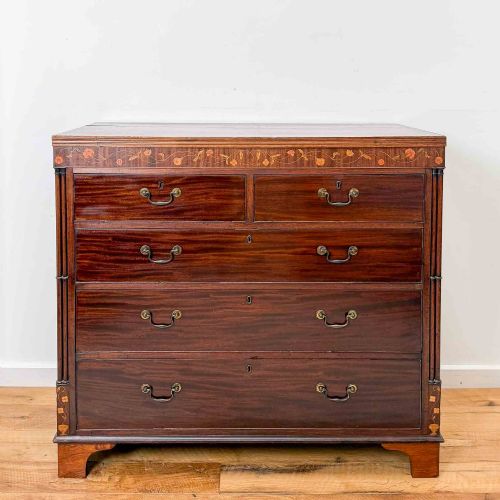
When you search for an edwardian inlaid chest, you encounter sophisticated bedroom furniture crafted with subtle decorative veneers.
Edwardian Inlaid Chest
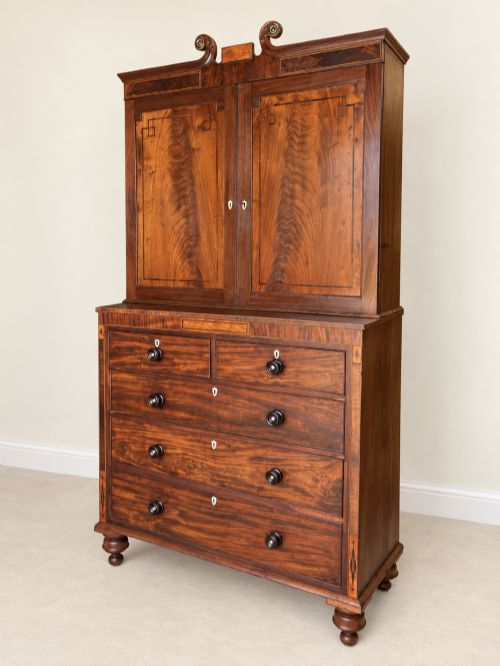
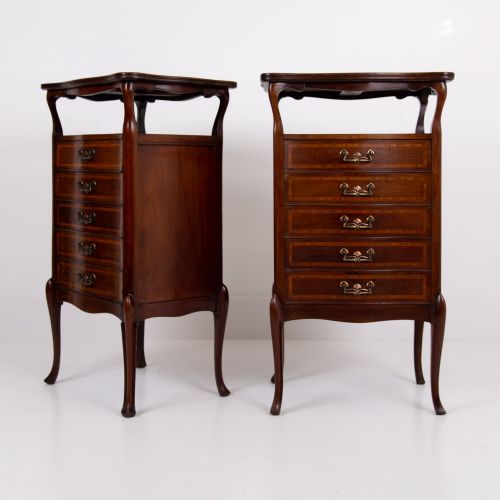
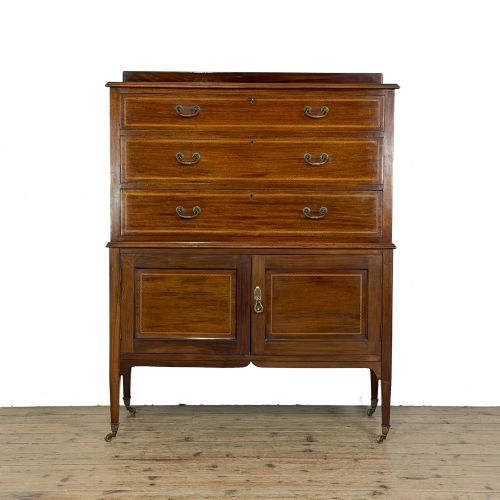
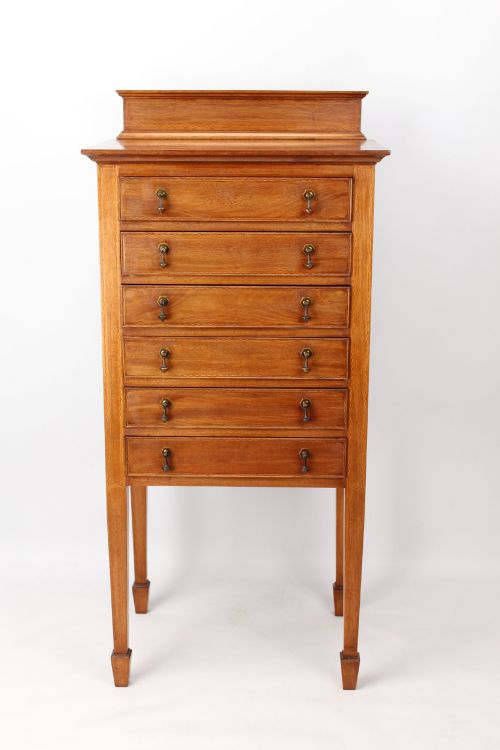
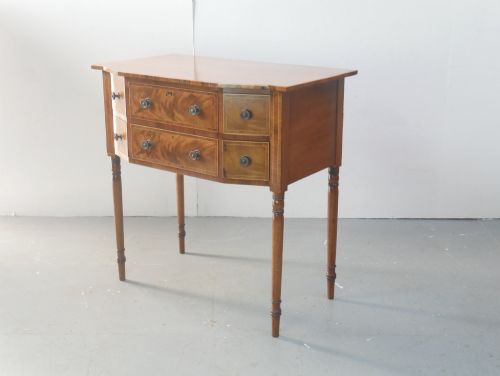
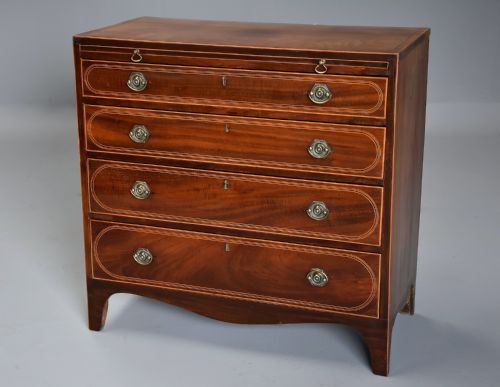
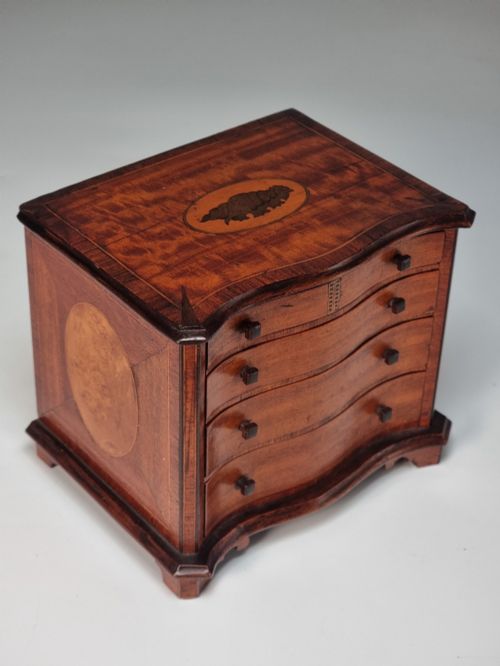
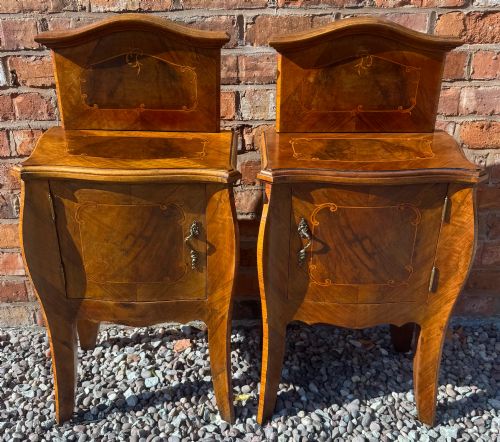
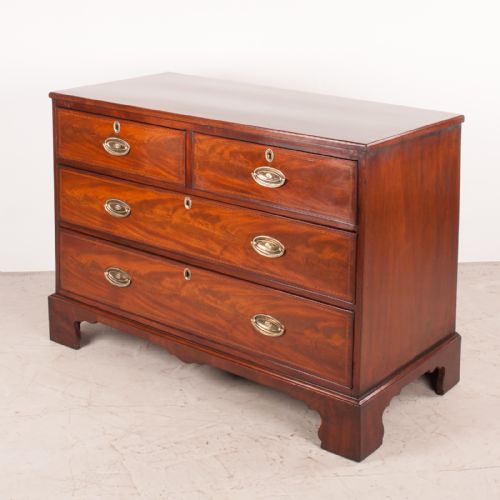
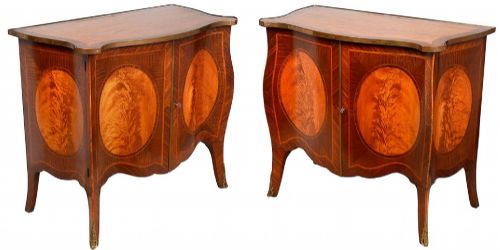
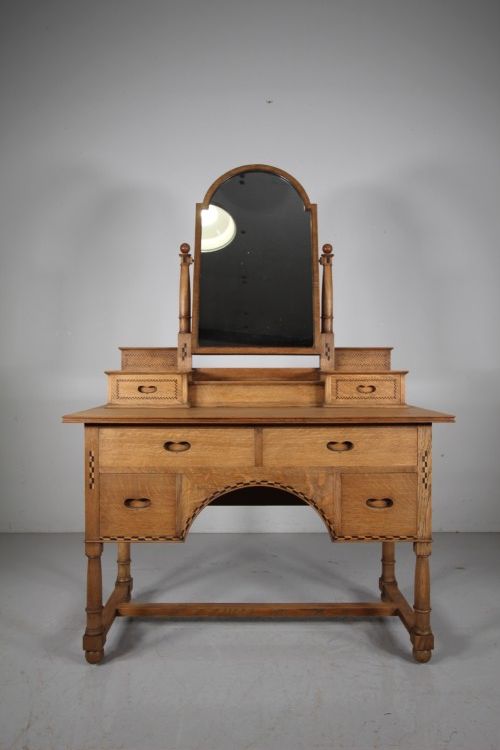
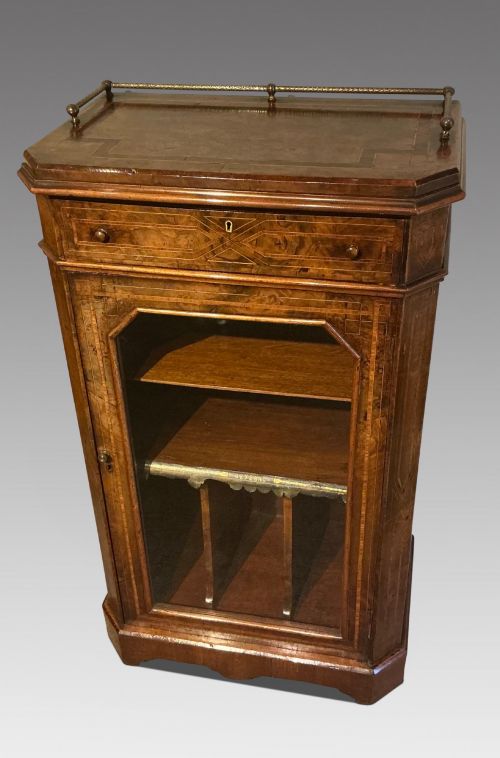
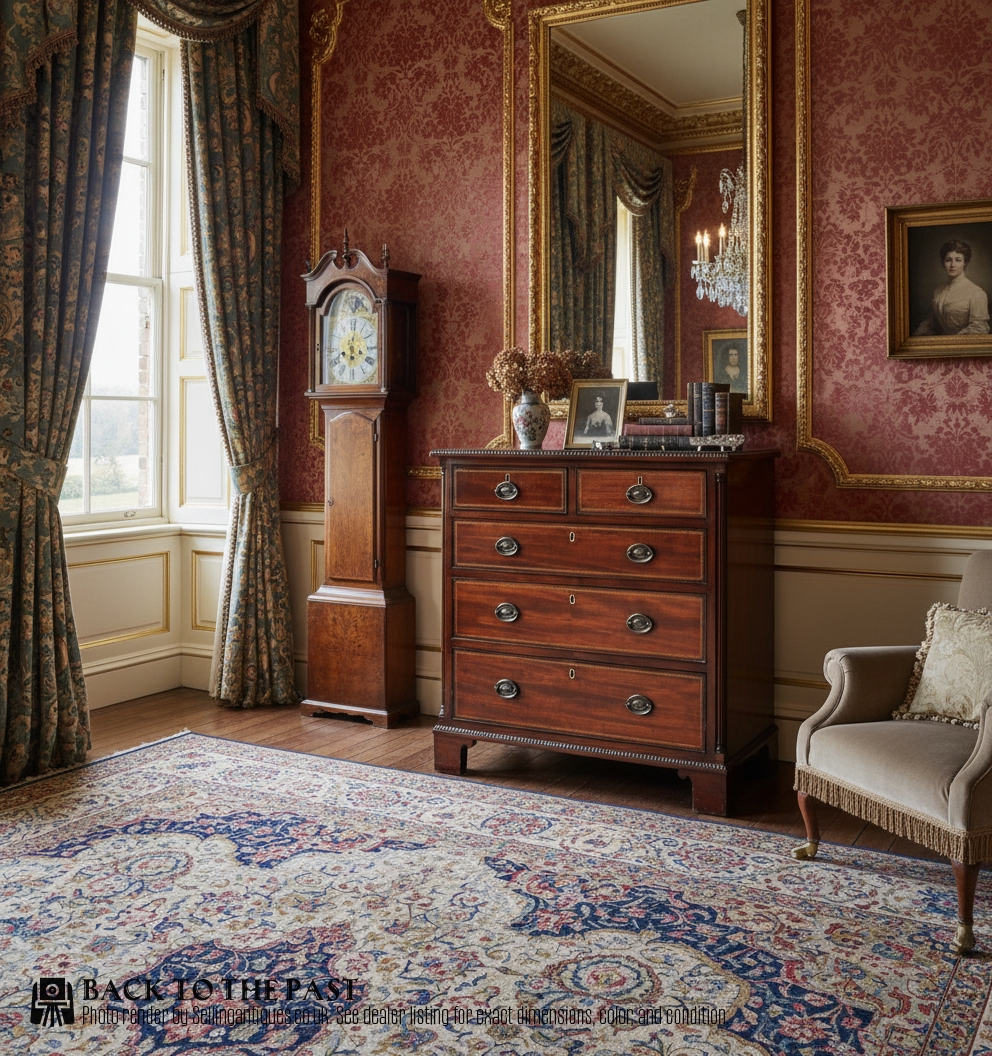
An edwardian inlaid chest brings together practical storage and refined aesthetic detailing characteristic of the early twentieth century. Pieces found here span standard bedroom chests of drawers, dressing tables, music cabinets, and taller pedestal forms.
The aesthetic draws heavily on revived classical motifs, merging proportions from earlier Georgian and Sheraton periods with the lighter domestic requirements of Edwardian homes.
Materials and construction
Makers predominantly utilised solid mahogany and supporting structural woods, frequently pairing them with striking veneers of satinwood. Decorative surface patterns rely on contrasting timber details including boxwood and ebony line inlay.
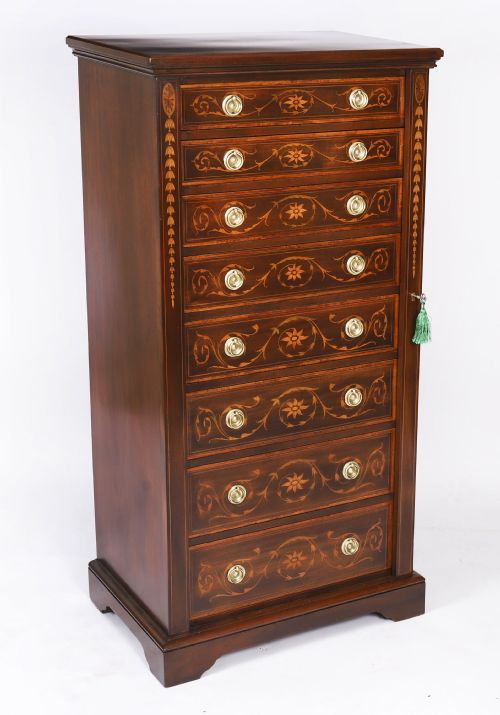
Drawer fronts and top surfaces often incorporate precise marquetry or satinwood inlay, executed by hand to frame panels of figured timber and brass hardware.
Listings feature mahogany, satinwood, and oak constructions alongside decorative brass hardware and specialised music cabinet formats.
Qualities that set pieces apart
The standard of timber selection and the crispness of the inlay define the upper tiers of these cabinets. Finely figured grain patterns combined with precisely cut contrasting veneers indicate superior workshop production.
Structural integrity, original brass fittings, and documented maker attribution elevate individual examples far above standard commercial production.
Edwards and Roberts·J Shoolbred·Druce and Co·Maple and Co·Waring
The Edwardian Inlaid Chest Glossary
- Inlay
- A decorative technique where contrasting strips or pieces of wood are inserted into recesses flush with the surrounding surface. This adds geometric or floral definition to drawer fronts and tabletops.
- Satinwood
- A lustrous, fine-grained timber with a naturally golden yellow appearance, frequently utilised for contrasting panels and decorative banding.
- Bow front
- A convex curved cabinet front that swells outward, offering a softer silhouette than a traditional flat-fronted chest.
- Wellington chest
- A tall, vertical chest of drawers secured by a hinged locking side stile that fastens over the drawer edges.
Edwardian Inlaid Chest: Frequently Asked Questions
How are these chests typically used today?
These cabinets serve admirably as functional bedroom storage for clothing and linens while introducing period character into contemporary interiors.
Smaller formats such as music cabinets and bedside chests easily adapt to living rooms and hallways as decorative accent pieces.
What defines the Edwardian style?
Edwardian design emerged around nineteen hundred, favouring lighter proportions and refined elegance compared to heavier Victorian furniture.
Workshops frequently looked back to eighteenth-century Sheraton and Hepplewhite aesthetics, reinterpreting classic lines with delicate contrasting wood details.
How do I spot satinwood inlay?
Satinwood inlay appears as pale, golden yellow contrasting sections set directly into darker primary carcase timbers like mahogany.
Close inspection reveals smooth, flush surfaces where the contrasting wood grain meets the surrounding primary timber.
Where were these pieces manufactured?
Most pieces originated in British workshops and major furniture manufacturing houses operating in London and regional centres.
Prominent retailers and cabinetmakers often stamped their drawers or applied paper trade labels to verify their origins.