

Edwardian Wooden Bureau
An edwardian wooden bureau offers refined writing space and concealed storage, combining period craftsmanship with practical home organisation.
Edwardian Wooden Bureau
When searching for an edwardian wooden bureau, you encounter writing furniture primarily rooted in the Edwardian era, alongside related pieces spanning the Victorian and early twentieth-century periods.
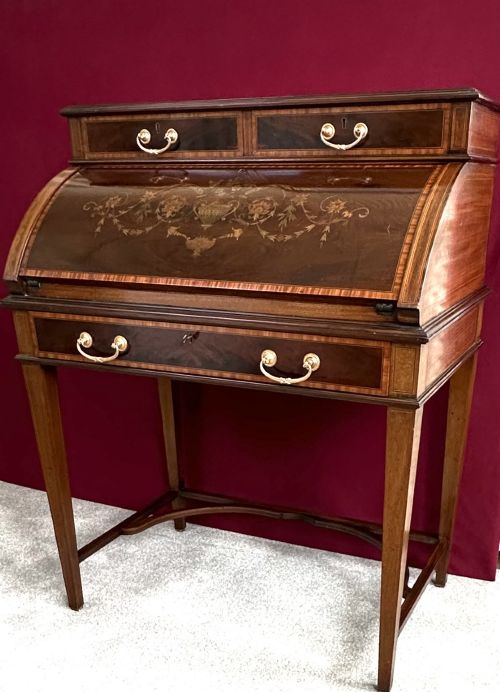
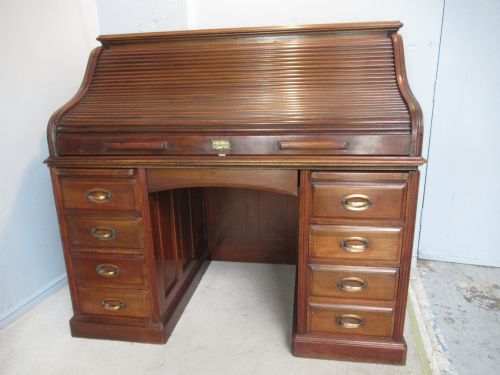
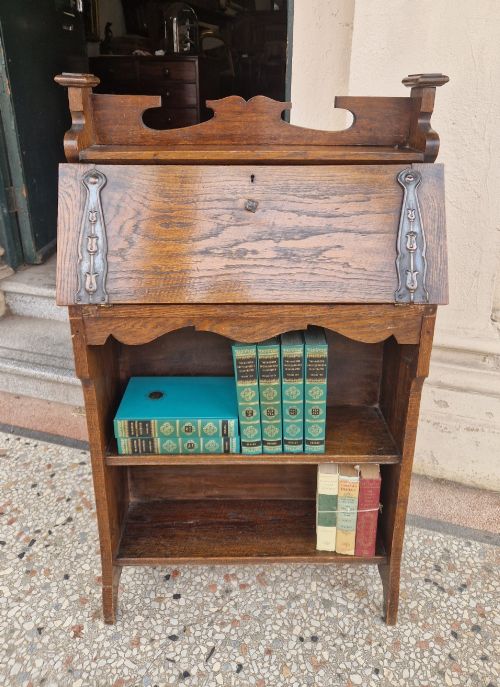
The selections on this page encompass fall-front desks, barrel fronted desks, and secretaire bookcases, reflecting the diverse ways makers approached compact writing storage.
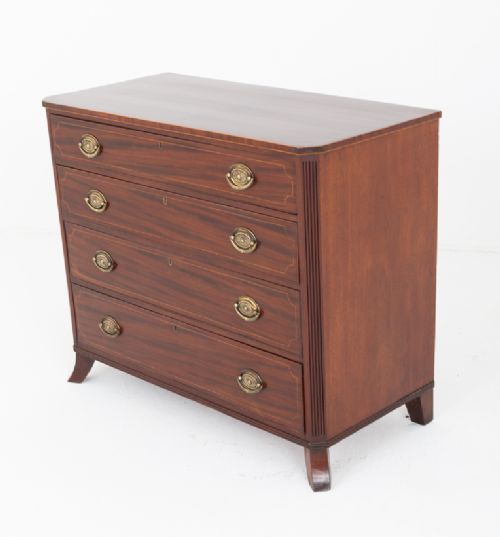
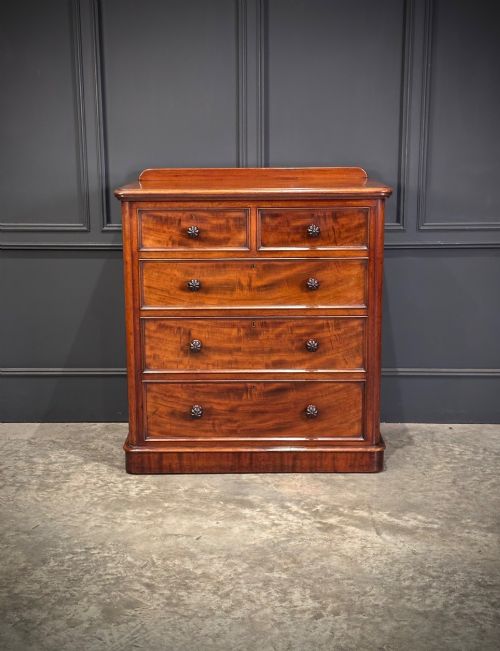
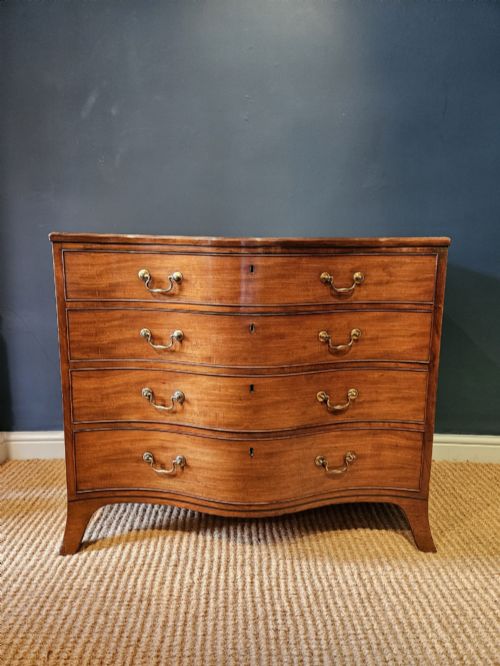
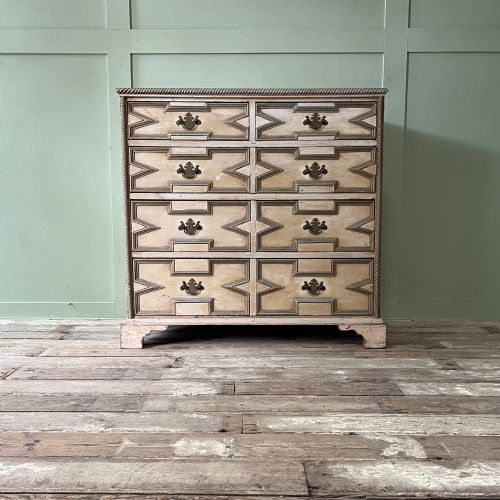
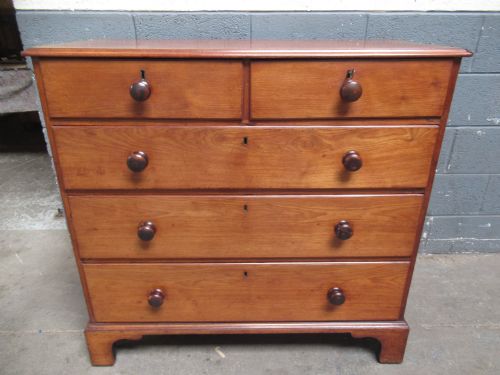
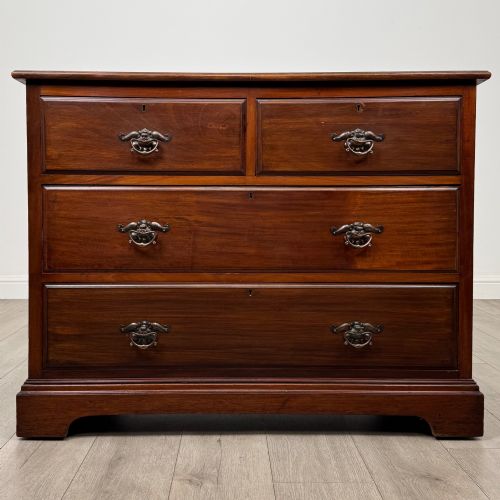
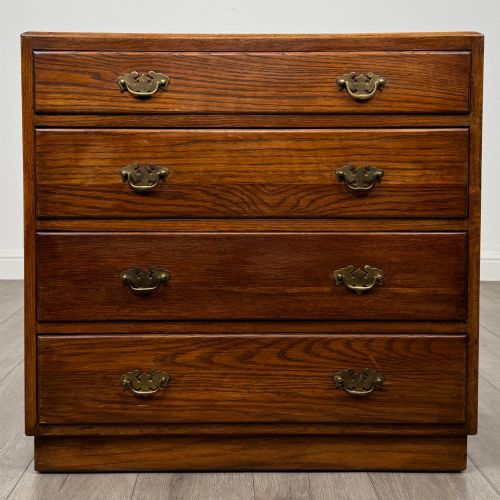
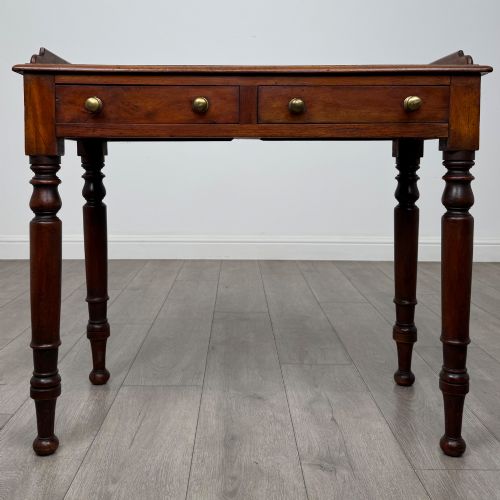
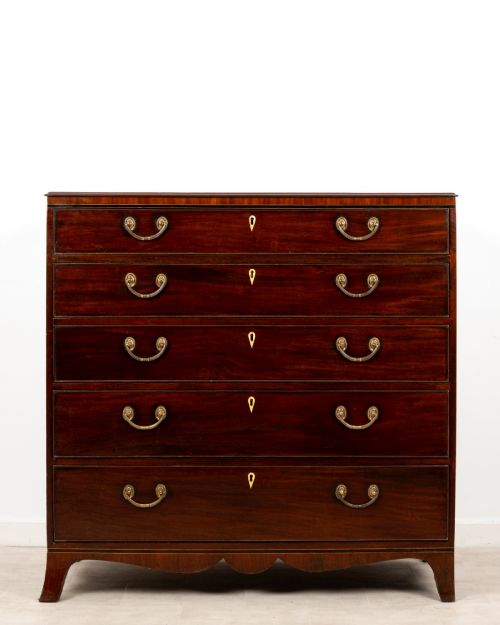
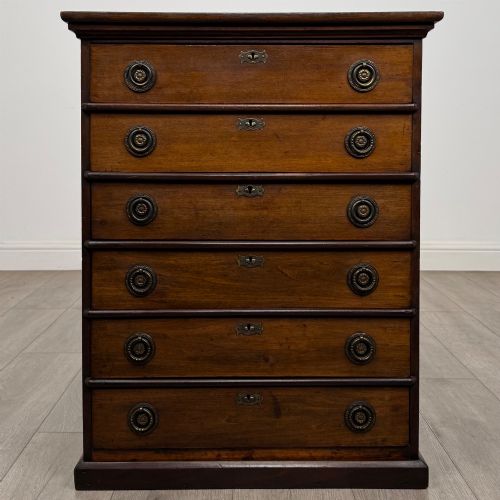
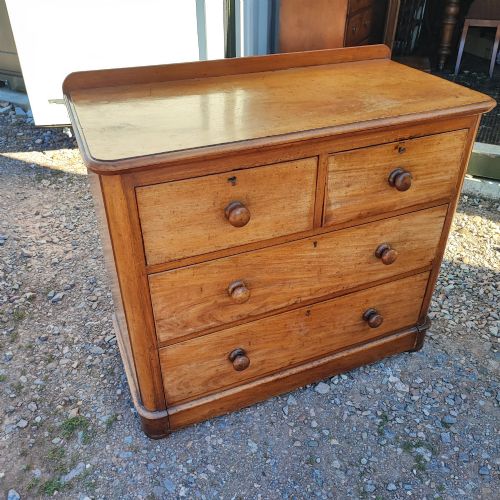
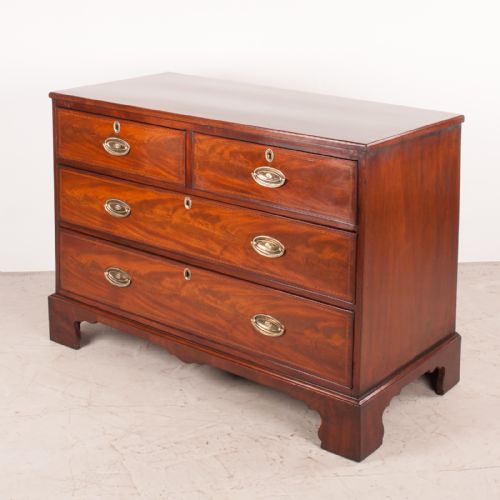
Alongside dedicated bureaux, the listings feature writing tables, Carlton house desks, and chests of drawers that share the timber construction and domestic utility characteristic of the early nineteen-hundreds.
Materials and Construction
Cabinet makers utilised a variety of solid timbers and veneers, predominantly employing mahogany, oak, walnut, satinwood, and pine across the different forms.
Surfaces frequently incorporate leather writing inserts, brass hardware for handles and fittings, and flame mahogany veneer to highlight the natural grain of the wood.
Writing desks occasionally conceal secret compartments behind pigeonholes, designed for hiding private letters and small valuables.
Craftsmanship and Proportion
Superior examples display thoughtful selection of timber veneers, such as flame mahogany or figured walnut, paired with well-executed marquetry or inlay work.
The integrity of the internal fittings, smooth operation of fall-front mechanisms, and preservation of original brass handles distinguish finer pieces from standard utilitarian items.
Maple & Co.·Sir Clough Williams-Ellis
The Edwardian Wooden Bureau Glossary
- Fall-front bureau
- A desk featuring a hinged writing flap that pulls down to reveal a fitted interior of small drawers and pigeonholes. This design conceals correspondence when closed.
- Carlton house desk
- A form of writing table with a fitted superstructure of small drawers and compartments curving around the back and sides of the writing surface.
- Secretaire bookcase
- A tall cabinet combining a upper bookcase section with a lower writing drawer or drop-front desk compartment. It merges library storage with functional writing space.
- Leather inset
- A panel of tooled leather set into the top of a writing desk to provide a smooth, durable surface for handwriting.
Edwardian Wooden Bureau: Frequently Asked Questions
What is an edwardian wooden bureau?
An edwardian wooden bureau is a compact writing desk featuring a sloping or folding front that drops down to create a writing surface while concealing internal compartments.
These pieces typically date from around nineteen hundred to nineteen ten, constructed in timbers such as mahogany, oak, or walnut for domestic study use.
How do I distinguish Edwardian from Victorian pieces?
Edwardian furniture generally exhibits lighter proportions, simpler lines, and brighter wood tones like satinwood or lighter mahogany compared to earlier nineteenth-century items.
Victorian pieces tend to use heavier dark mahogany or walnut with more robust carving and substantial framing.
Where should I place a bureau at home?
A bureau fits well in a living room, hallway, or bedroom where its closed front maintains a tidy appearance when writing tasks conclude.
Ensure adequate clearance in front of the piece for the drop-front flap or pull-out writing slide to operate without obstruction.
How do I care for wooden writing surfaces?
Maintain the timber by dusting regularly with a dry cloth and occasionally applying quality beeswax to nourish the polished grain.
Protect leather writing inserts from direct sunlight and moisture to prevent cracking or discoloration over time.