
Edwardian Inlaid Cabinet Table
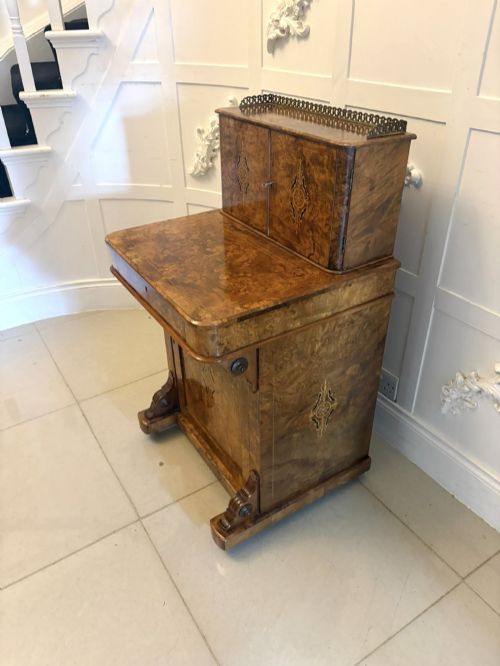
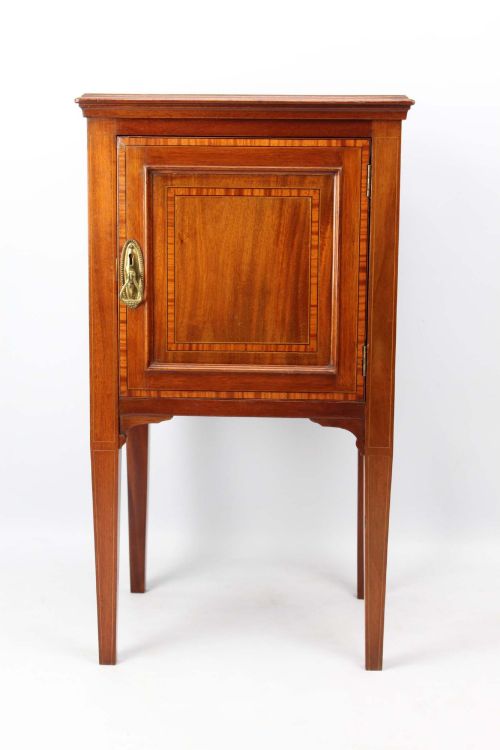
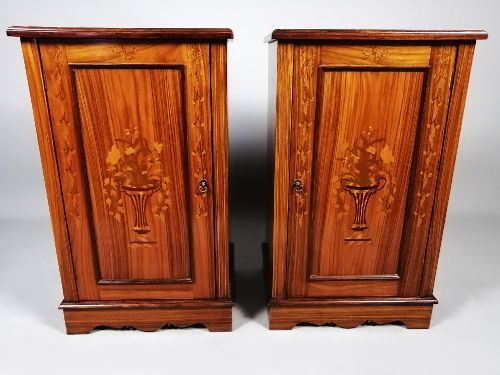
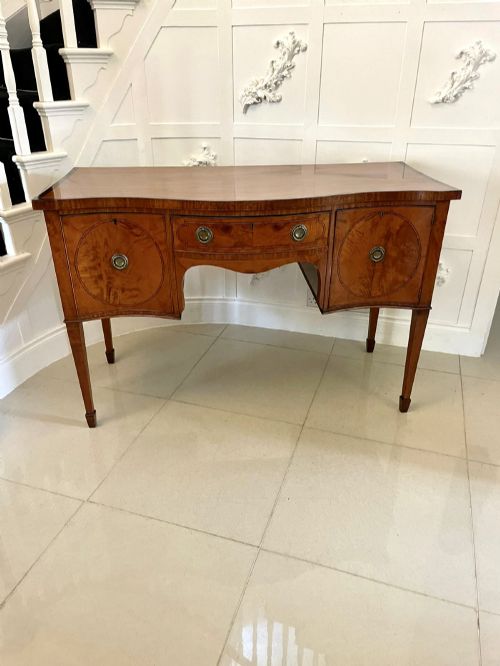
An edwardian inlaid cabinet table combines display space and storage through refined surface decoration.
Edwardian Inlaid Cabinet Table
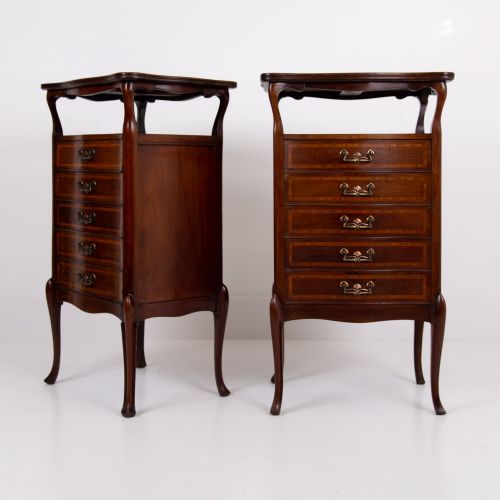
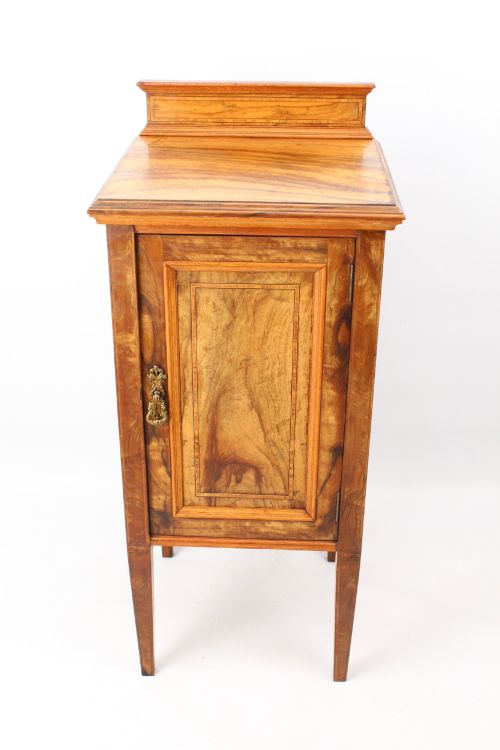
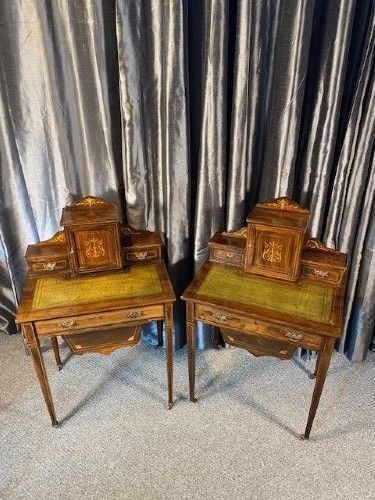
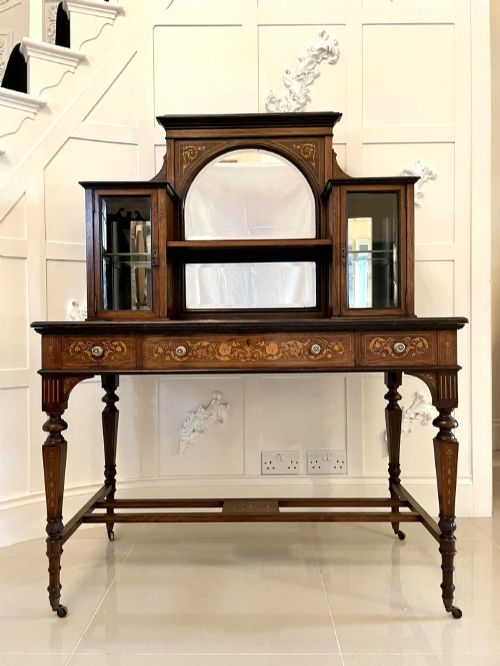
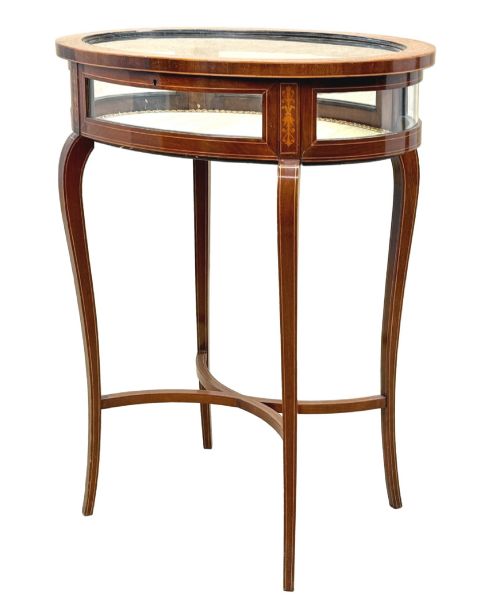
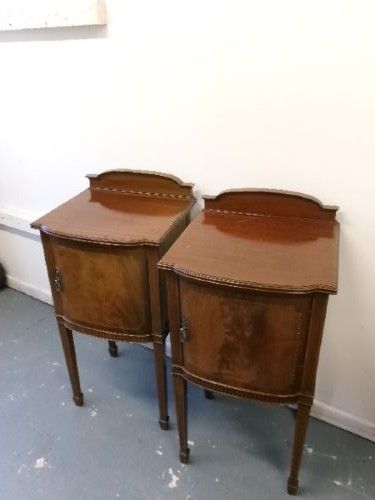
When searching for an edwardian inlaid cabinet table, buyers encounter multi-functional hybrid forms originating around the turn of the twentieth century. These pieces merge the glazed display surfaces of bijouterie vitrines with the enclosed storage of bedside cupboards or writing desks. The selection spans compact bedside units to glazed display tables designed for small collections.
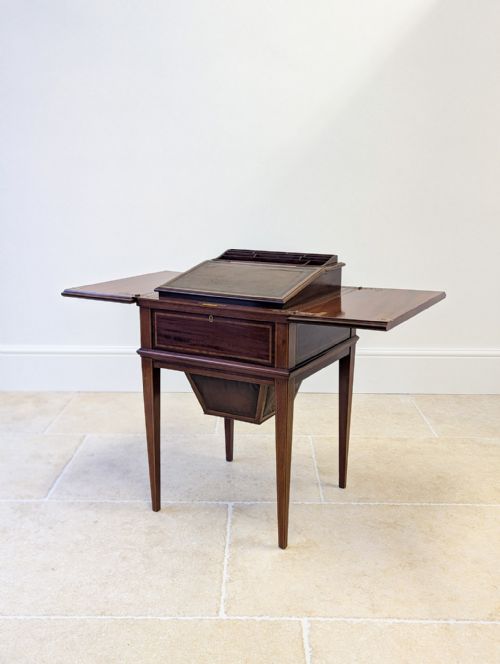
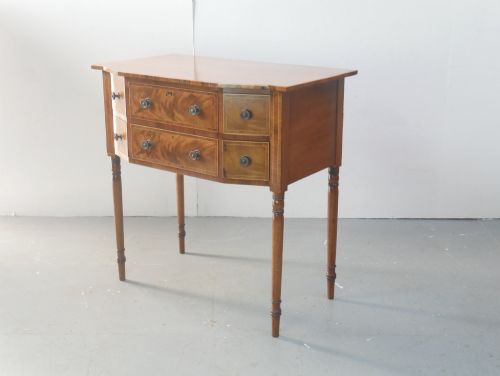
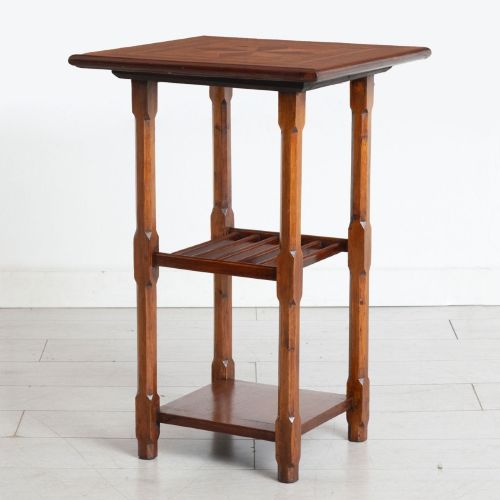
Edwardian examples predominate alongside late nineteenth-century Victorian antecedents that share similar Sheraton Revival decorative vocabularies. Forms range from demi-lune sideboards and kidney-shaped display tables to specialised writing desks fitted with internal drawers. Makers utilised domestic and exotic timbers to construct these versatile household items.
How they were made
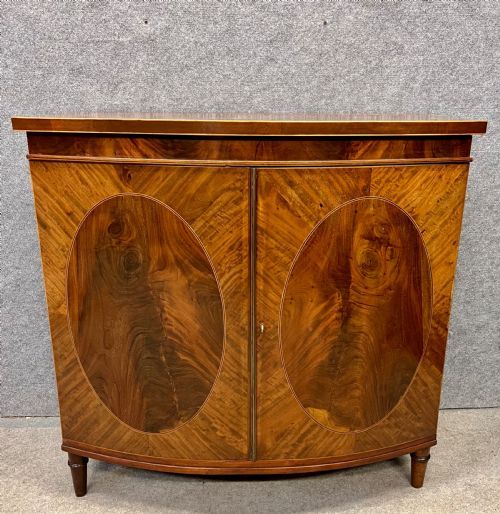
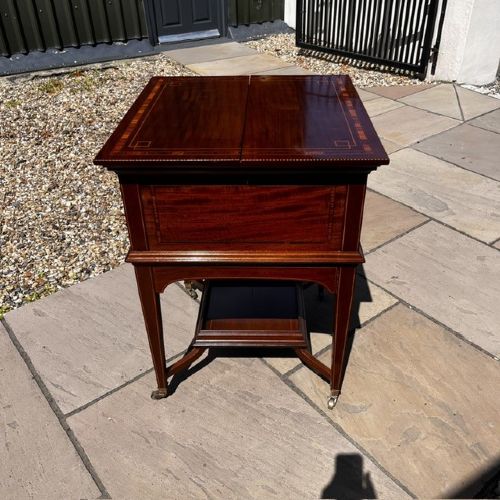
Cabinet makers built these structures primarily using solid mahogany frames, often applying matched mahogany veneers to large surfaces like tabletops and door panels. They embellished these foundations with contrasting timber inlays, specifically satinwood, boxwood, and harewood, arranged in geometric stringing or elaborate marquetry motifs. Rosewood and burr walnut also appear frequently in the primary construction of finer items.
Glazing techniques incorporated bevelled glass panes into hinged or lift-off table tops for viewing precious objects. Brass hardware, including hinges, locks, and castors, added functional detail to tables that often doubled as writing surfaces or bedside companions. Workshops employed crossbanding to frame drawer fronts and borders with grain running perpendicular to the main panel.
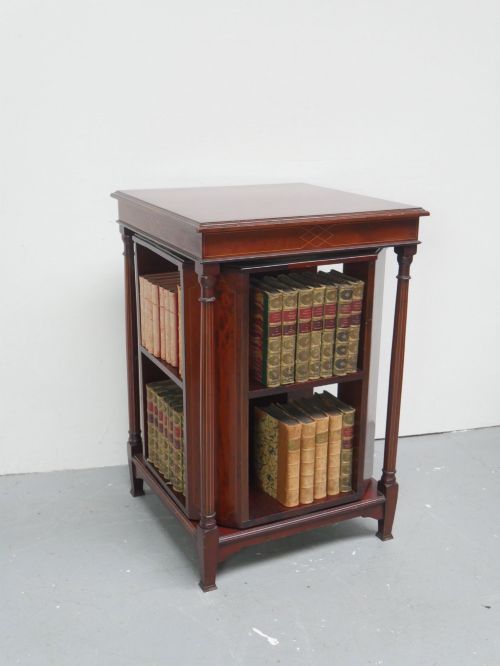
Listings feature mahogany, satinwood, and burr walnut alongside specialised forms including bijouterie tables, canterburys, and bedside cupboards.
What varies in quality
Quality rests heavily on the precision of the marquetry and the choice of primary and secondary timbers. Superior pieces display crisp, tight-fitting boxwood and satinwood stringing without visible gaps or filler around the delicate floral motifs. Finer grain selection in the mahogany or burr walnut base enhances the visual depth of the polished surface.
Construction methods dictate longevity, visible in hand-cut dovetails on interior drawer boxes and sturdy internal framing. Maker stamps from prominent firms indicate high workshop standards, whereas unmarked pieces rely entirely on their inherent timber quality and joinery execution to establish distinction.
Maple & Co·Morant & Co·Edwards and Roberts·Heals
The Edwardian Inlaid Cabinet Table Glossary
- Marquetry
- Decorative veneer work forming pictorial or geometric patterns using various coloured woods. Craftsmen cut multiple thin wood layers simultaneously to create interlocking designs.
- Bijouterie table
- A glass-topped display table intended for showing small valuables, jewellery, or curiosities. These pieces often feature silk-lined interior wells beneath hinged lids.
- Crossbanding
- A border of veneer laid around the perimeter of a panel with the grain running at right angles to the central wood. This technique creates a distinct framing effect on table tops and drawer fronts.
- Satinwood
- A pale, lustrous timber imported from the tropics, utilised extensively for contrasting inlay work and stringing during the Sheraton Revival period.
- Demi-lune
- A half-moon shape characteristic of sideboards and small tables designed to stand flush against a wall. This profile allows for compact placement in narrow hallways or reception rooms.
Edwardian Inlaid Cabinet Table: Frequently Asked Questions
How do I distinguish Edwardian from Victorian furniture?
Edwardian furniture generally exhibits lighter proportions and brighter satinwood or mahogany inlays influenced by the Sheraton Revival style. Victorian pieces often use darker rosewood or heavier burr walnut with more robust structural forms.
Construction details and registration marks also help narrow down the exact manufacturing decade.
Where were these cabinet tables used?
Cabinet tables found placement in bedrooms as bedside cupboards, in drawing rooms as display surfaces, and in studies as compact writing desks.
Their multi-functional nature allowed single pieces to serve varied domestic requirements within formal Edwardian households.
How should I care for inlaid wood?
Inlaid surfaces require protection from direct sunlight and extreme humidity changes to prevent the delicate satinwood and boxwood stringing from lifting. Regular application of traditional beeswax maintains the polished finish without harming the historic veneer.
Avoid placing damp items directly onto antique mahogany or walnut table tops.