



Edwardian Hand Painted Vase
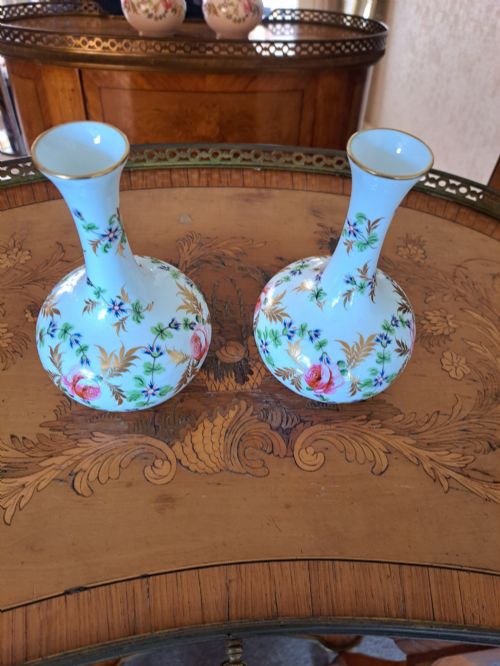
When you search for an edwardian hand painted vase, you are looking at porcelain and earthenware pieces decorated with floral, bird and landscape subjects.
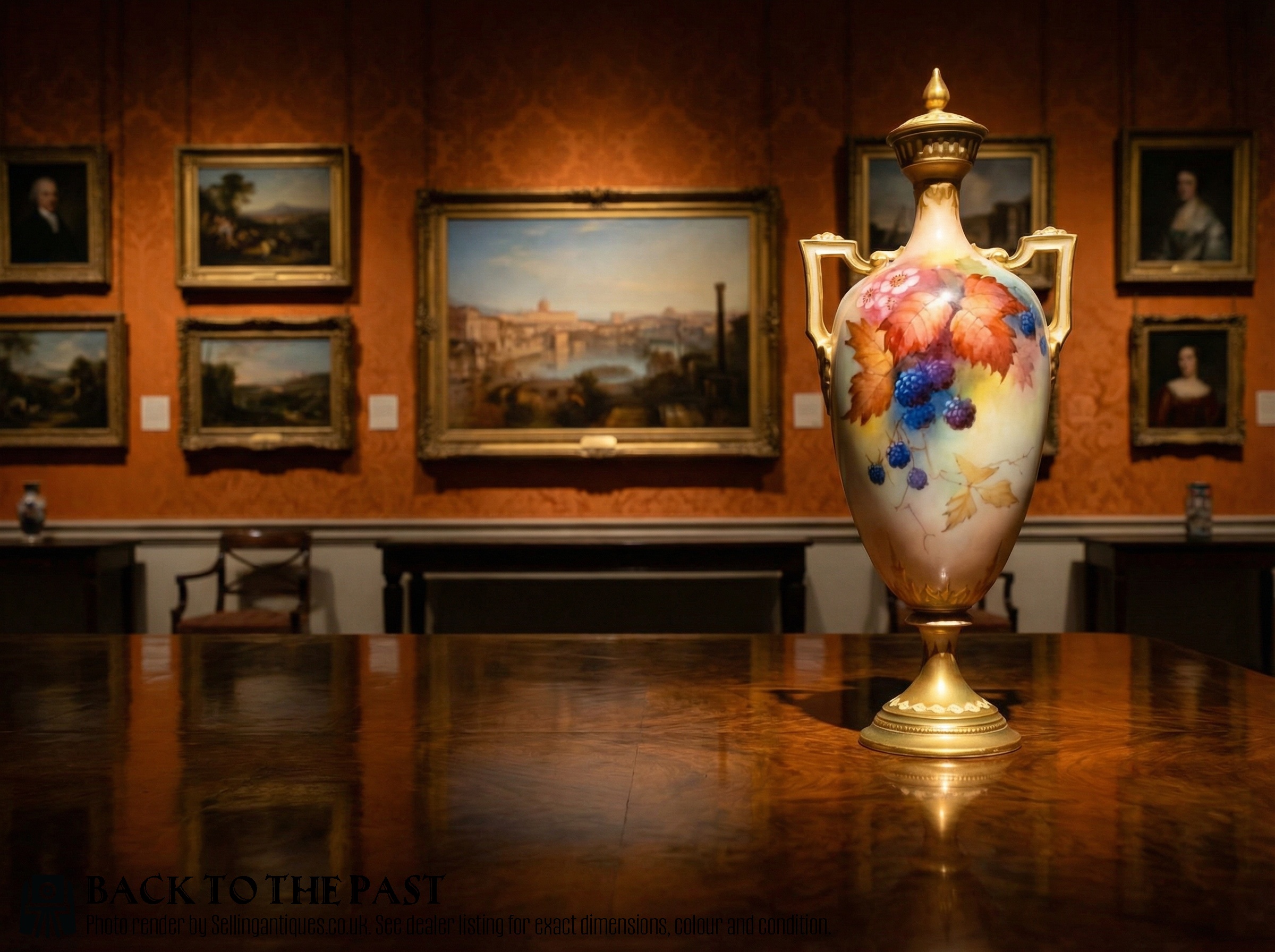
Edwardian Hand Painted Vase
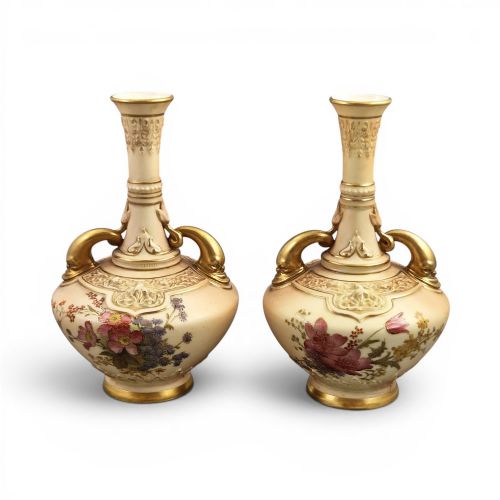
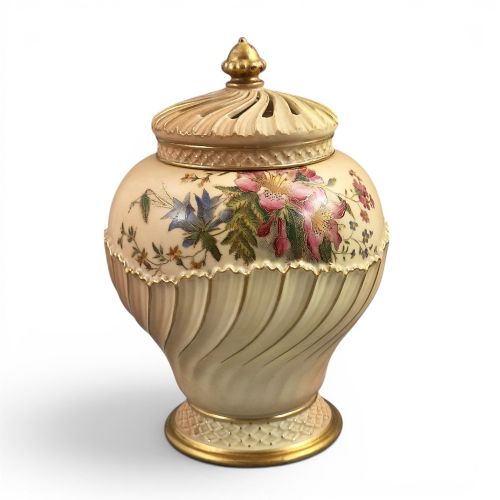
An edwardian hand painted vase encompasses porcelain vessels, ewers, and jars produced primarily around the early twentieth century, though styles span from the late Victorian era through to the nineteen-thirties. Buyers searching this phrase encounter forms ranging from small bud vases and spill vases to large decorative urns and pot-pourri jars.
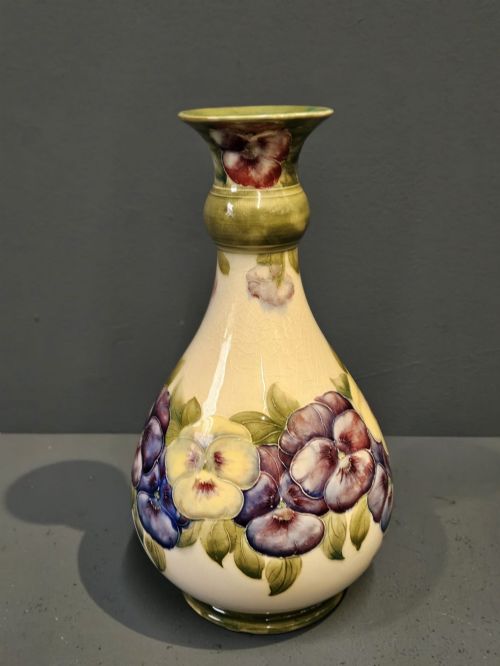
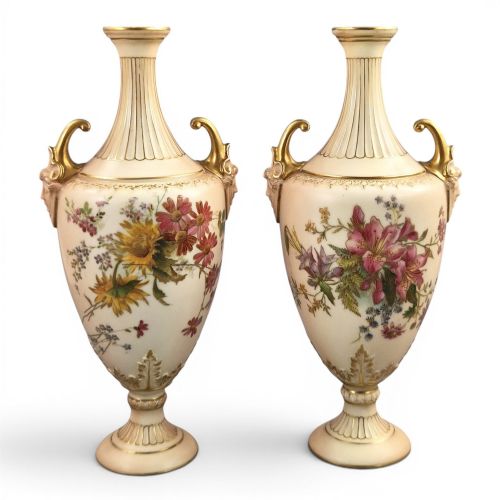
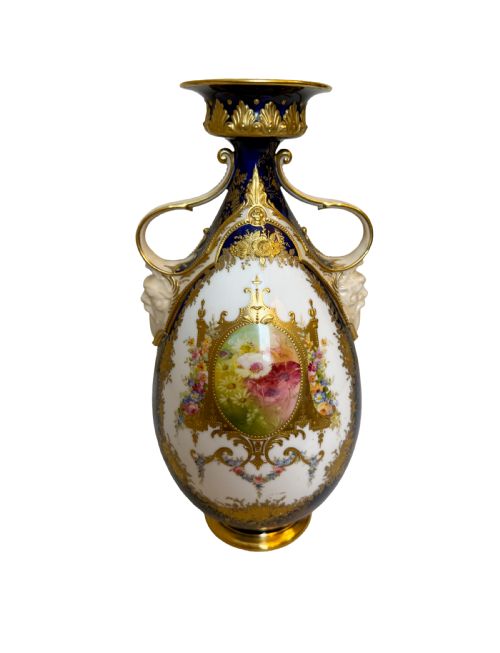
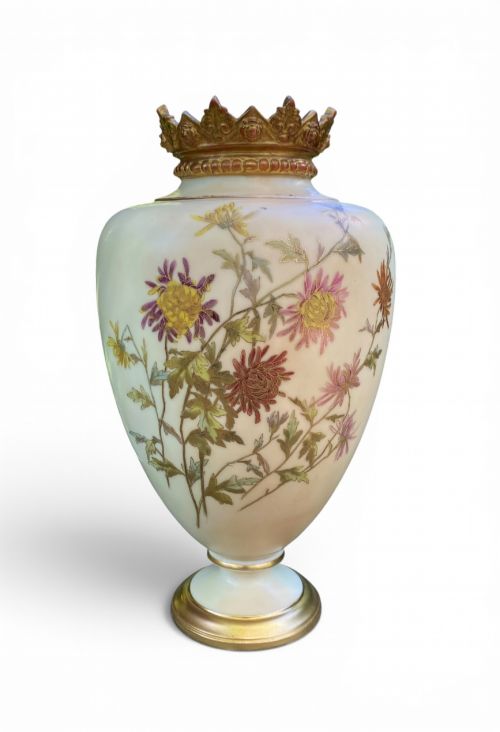
The aesthetic of an edwardian hand painted vase draws heavily on natural subjects, showing painted birds such as storks, swans, and pheasants, alongside floral motifs including chrysanthemums, pansies, and blush ivory designs. Poteries and factories of this period frequently utilised distinct body shapes, including fluted bodies and pierced gilt handles.
Makers represented in this tradition include prominent British potteries and porcelain works such as Royal Worcester, Royal Doulton, and Crown Derby, alongside continental works. Many examples bear the signature or initials of specific artists who specialised in hand-painted botanical, animal, or scenic subjects.
Materials and production methods
The bodies of these vessels rely primarily on porcelain, bone china, and earthenware, shaped into ovoid forms, ewers, and jars. Factories applied glazes to create smooth surfaces suitable for detailed brushwork.
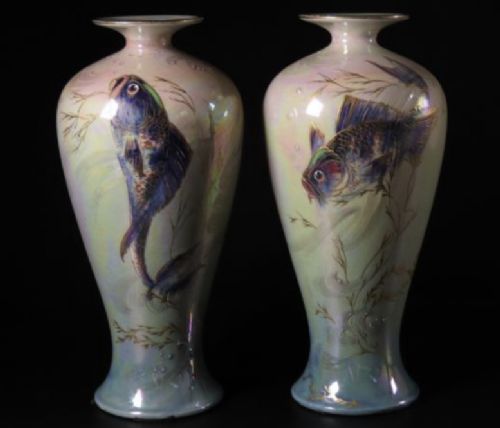
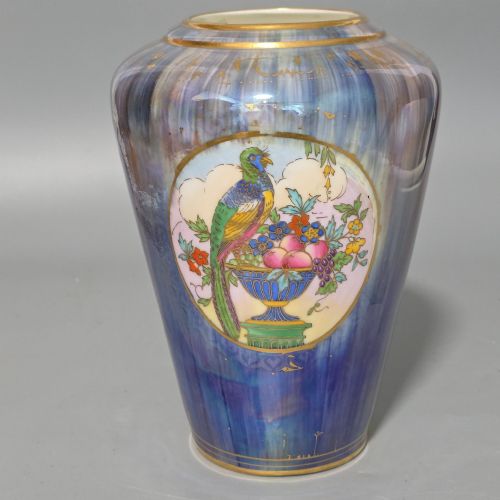
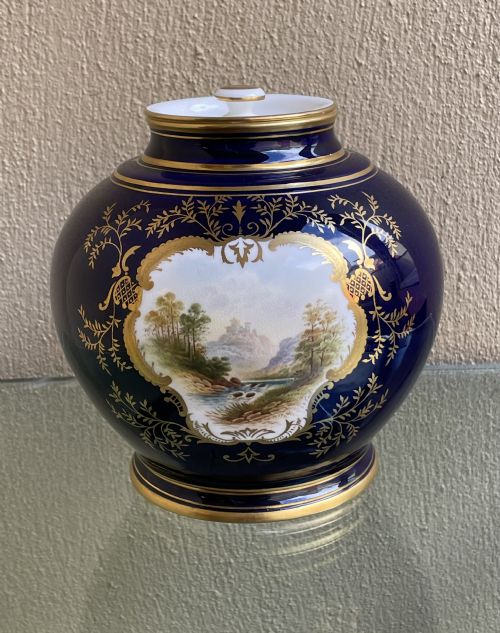
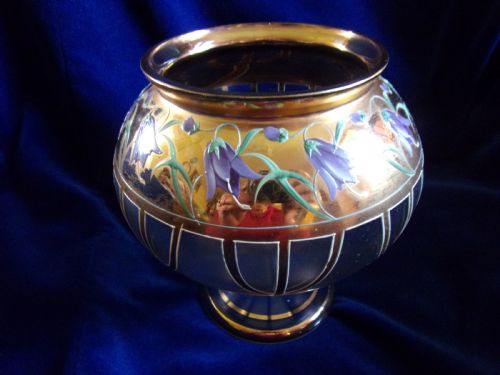
Decoration involved delicate hand-painting utilising enamel colours, often finished with gold leaf, gilding, and gilt accents around rims and handles. Lustre finishes also appear on specific earthenware and porcelain bodies.
Periods represented span from the late nineteenth century through to the nineteen-thirties.
Distinctions in craftsmanship
The distinction between standard production and superior execution rests upon the skill of the artist and the complexity of the painted subject. Pieces featuring detailed, naturalistic portrayals of birds, fruit, or cattle by named artists demonstrate a higher level of artistic achievement than generic floral patterns.
The application of secondary decorative elements, such as intricate gilding, enamel work, and pierced handles, contributes to the overall standard of the vessel. The crispness of the porcelain form and the preservation of the painted surface over time further define the better examples.
Royal Worcester·Royal Doulton·Crown Derby·Moorcroft McIntyre·Shelley·Coalport·Minton·Wileman Intarsio·TG Green·Alexandra Porcelain Works Ernst Wahliss
The Edwardian Hand Painted Vase Glossary
- Blush ivory
- A softly shaded cream and ivory porcelain ground developed by Royal Worcester, often used as a backdrop for floral painting.
- Ewer
- A large jug-shaped vase with a wide spout and looped handle, frequently produced as a decorative ornamental piece.
- Lustre
- A type of metallic glaze that produces an iridescent sheen on the surface of pottery or porcelain.
- Spill vase
- A tall, narrow vessel originally designed to hold wooden spills used for lighting fires or candles.
- Imari
- A decorative style characterised by underglaze blue and iron-red designs with added gold, inspired by Japanese porcelain traditions.
Edwardian Hand Painted Vase: Frequently Asked Questions
What is an edwardian hand painted vase?
An edwardian hand painted vase is a ceramic or porcelain vessel created during the early twentieth century, featuring hand-applied botanical, animal, or scenic artwork.
These pieces were primarily produced for ornamental display in domestic interiors, serving as mantelpiece or cabinet decoration rather than for holding cut flowers.
How do I identify the maker?
Makers are typically identified by printed or impressed factory backstamps located on the base of the porcelain or earthenware body. These factory marks often include date ciphers or pattern numbers that narrow down the year of manufacture.
In addition to factory marks, many finer pieces feature the signature or initials of the artist hand-painted directly onto the body near the artwork.
What subjects are painted on them?
The painted subjects reflect a strong Victorian and Edwardian interest in the natural world, frequently depicting detailed studies of British birds, floral arrangements, and fruit. Common motifs include storks, swans, pheasants, chrysanthemums, and highland cattle.
Some pieces also incorporate Japanese-inspired Imari patterns or abstract Art Nouveau designs alongside traditional pastoral scenes.
How should I display them?
These vases and urns are best displayed on stable surfaces away from direct sunlight, which can fade delicate enamel colours over time. Placing them in glass cabinets or on dedicated side tables protects the glazed and gilded surfaces from accidental knocks.
Because many examples were created purely for decorative display, handling them by the handles or pierced porcelain sections should be approached with care.