

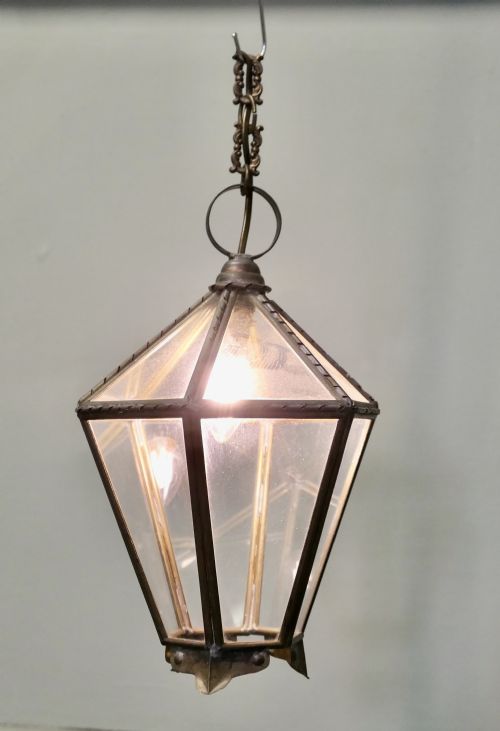

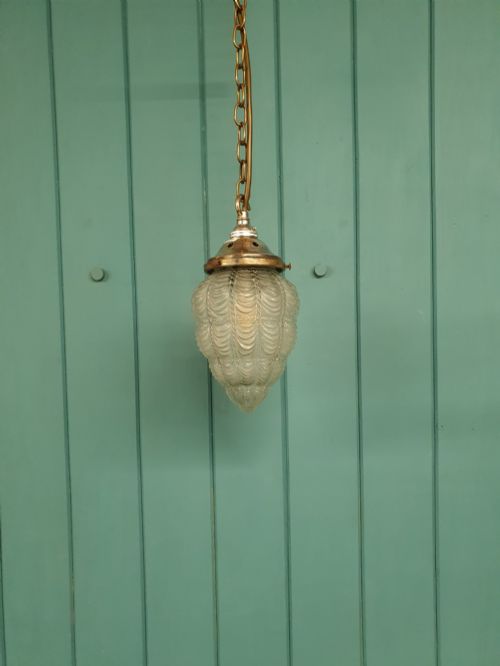


Edwardian Hallway Lantern
An edwardian hallway lantern brings immediate period character to an entrance, casting warm light through glass and metal.
Edwardian Hallway Lantern
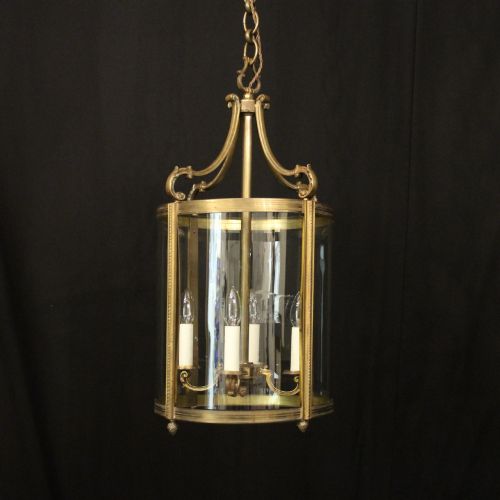
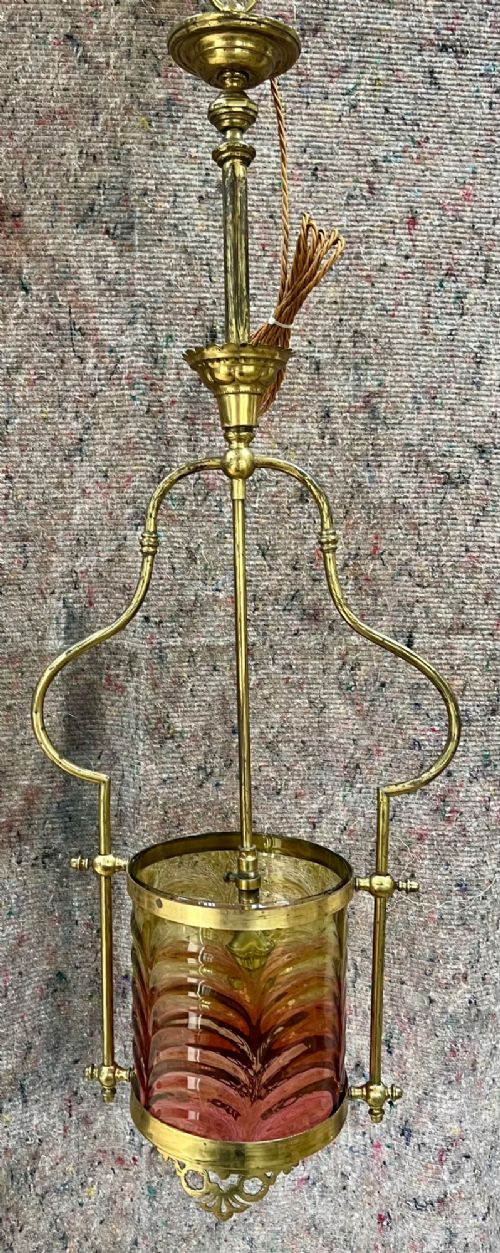
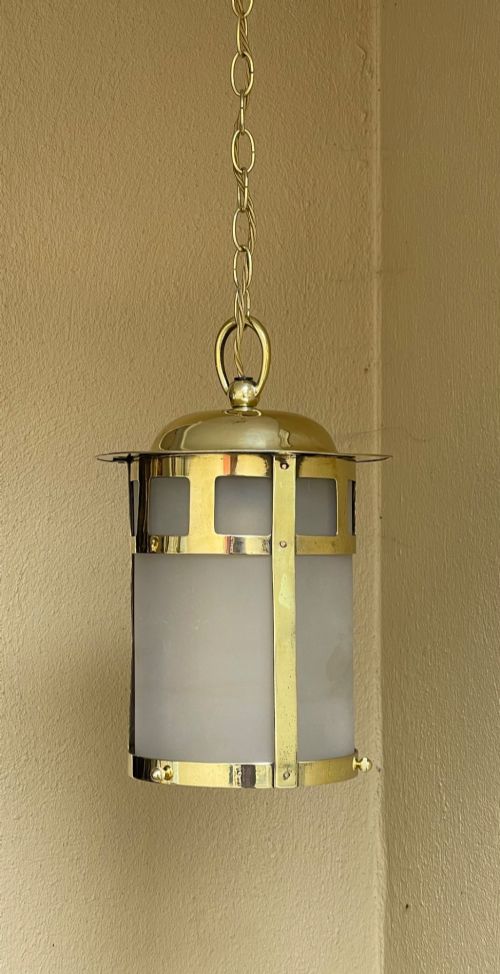
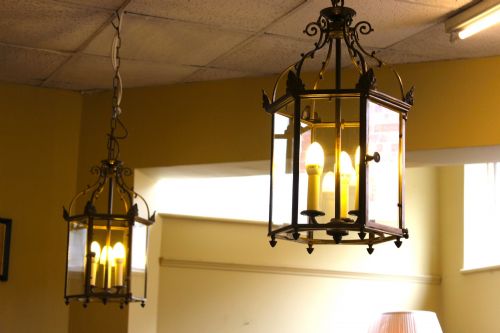
An edwardian hallway lantern is a ceiling-hung or wall-mounted light fixture designed principally for narrow passages and entrance spaces. These pieces span the Edwardian era alongside adjacent late nineteenth and early twentieth century periods, reflecting the domestic lighting needs of larger townhouses and country residences.
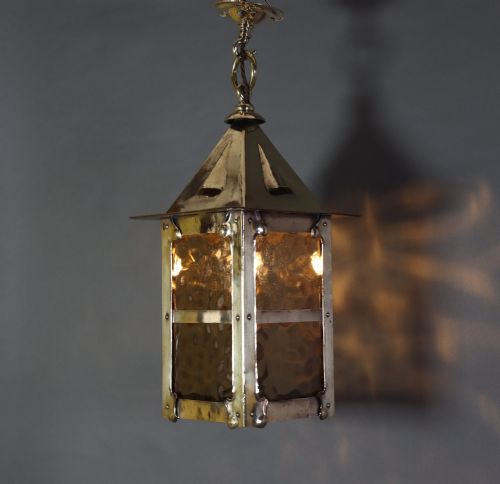
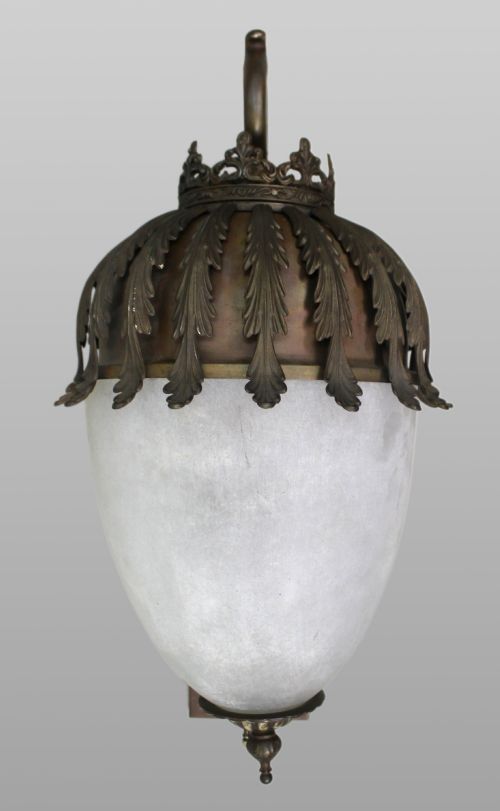
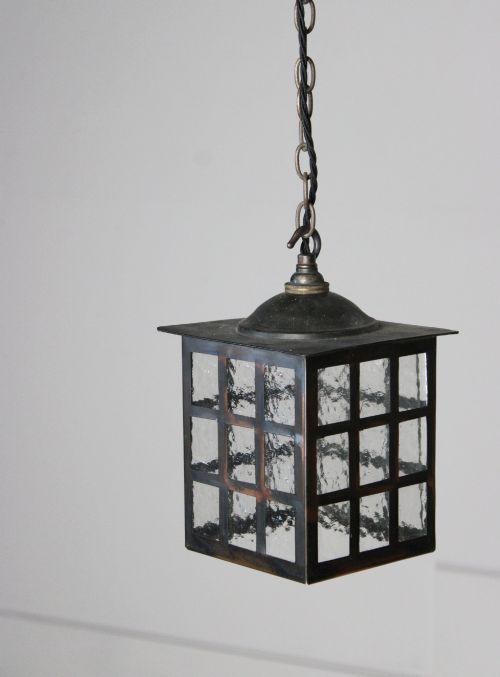
The selections here comprise hanging pendants, porch lights, and flush ceiling fixtures alongside matching wall sconces. Brass, copper, and bronze frame panels of clear, frosted, or leaded glass, creating distinct focal points for thresholds and vestibules.
How they were made
Metalwork frames rely on cast or spun brass, beaten copper, and heavy bronze, sometimes treated with gilt or left in their natural state. Metal components are joined via rivets or solder, supporting individual panes of glass held securely within the structural ribs.
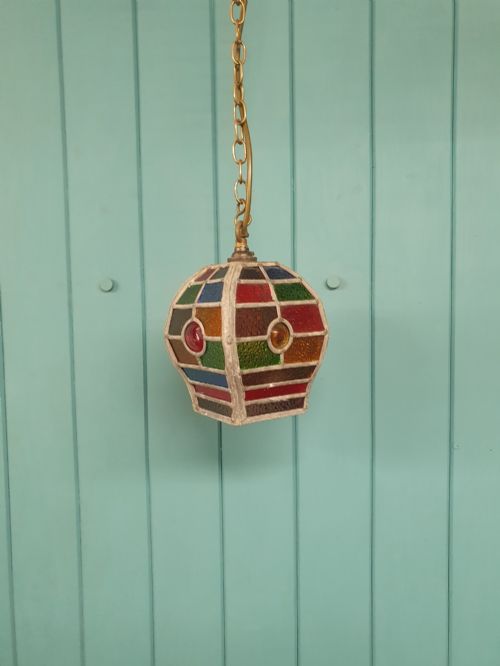
Glass elements include plain panes, frosted panels, and leaded stained sections, occasionally cut or bevelled at the edges. Makers also utilised crystal drops and multi-layered configurations to refract light efficiently within confined spaces.
Certain carriage-style wall lights carried the illumination from the porch directly inside, blurring the boundary between street and parlour.
What varies in quality
The weight and thickness of the metal frame dictate the primary tier of quality, with heavier gauge brass and cast bronze standing apart from lighter spun alternatives. Fine chasing and careful hand-assembly distinguish workshop productions from mass-market output.
The complexity of the glazing further separates standard examples from superior ones. Bevelled edges, leaded came work, and properly fitted frosted or cut glass panels demonstrate greater maker investment.
F&C Osler
The Edwardian Hallway Lantern Glossary
- Hall lantern
- A ceiling-suspended lighting fixture designed specifically for entrance halls and vestibules. These pieces typically feature enclosed glass panels held within a metal framework.
- Arts and Crafts
- A design movement prioritising traditional craftsmanship and simple forms. Works in this style often display visible construction details and honest metal surfaces.
- Art Nouveau
- A decorative style characterised by flowing, organic lines inspired by natural forms. Metal frames from this movement frequently incorporate stylized floral motifs.
- Frosted glass
- Glass treated to diffuse light and reduce glare. This finish is commonly found on porch and hallway fixtures to soften the internal bulb.
- Leaded glass
- Individual pieces of glass joined together with lead cames. This technique permits intricate geometric or pictorial patterns within lantern panels.
Edwardian Hallway Lantern: Frequently Asked Questions
Where should an Edwardian hallway lantern be hung?
These lanterns suit entrance halls, vestibules, and stairwells with sufficient vertical clearance. Their enclosed designs protect the light source from drafts in frequently opened doorways.
Position the fixture so that the base clears head height while remaining central to the spatial proportions of the room.
How do I wire an antique lantern for modern use?
Most surviving fixtures require rewiring by a qualified electrician to meet contemporary safety standards. Modern flex and lamp holders can be integrated carefully into the original metal body.
Original canopies and hanging chains should be inspected to ensure they support the weight of the fixture securely.
How do I clean antique brass and glass?
Dust metal frames gently with a dry microfiber cloth, avoiding abrasive polishes that strip historic patination. Glass panels can be removed if necessary or wiped in situ using a mild glass cleaner.
Take care around leaded joints and aged patinated surfaces to preserve the authentic finish of the piece.
How do I distinguish Edwardian from Victorian lanterns?
Edwardian lighting generally favours lighter proportions and simpler geometric forms compared to heavier Victorian counterparts. Designs often lean towards Arts and Crafts restraint or early Art Nouveau fluidity.
Materials remain consistent across the turn of the century, but the decorative vocabulary shifts toward brighter, cleaner lines.