

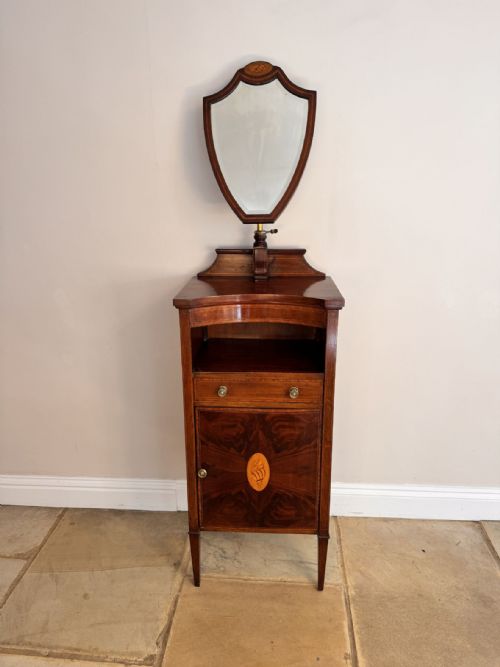

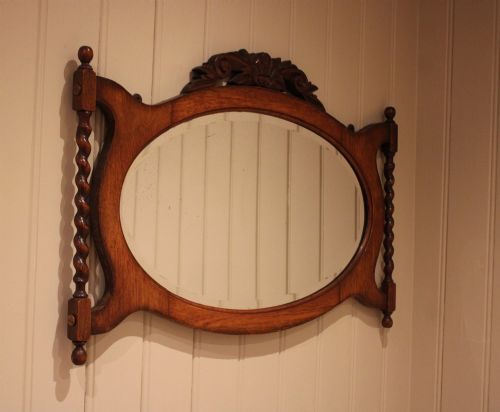
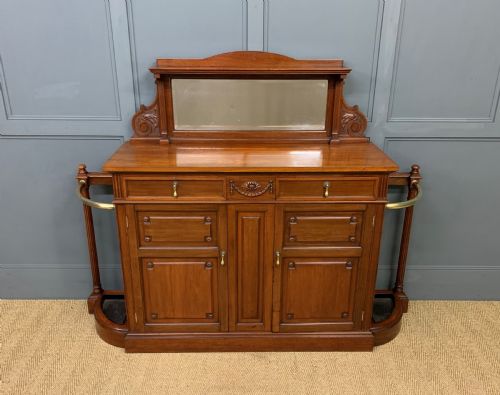
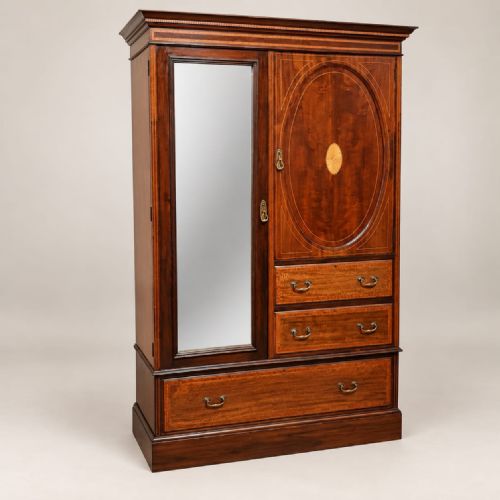


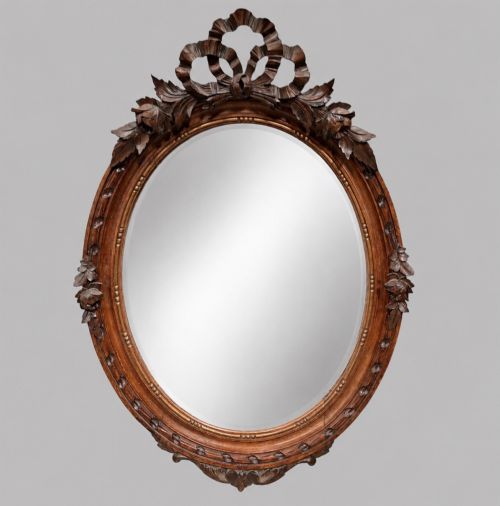
Edwardian Hall Mirror
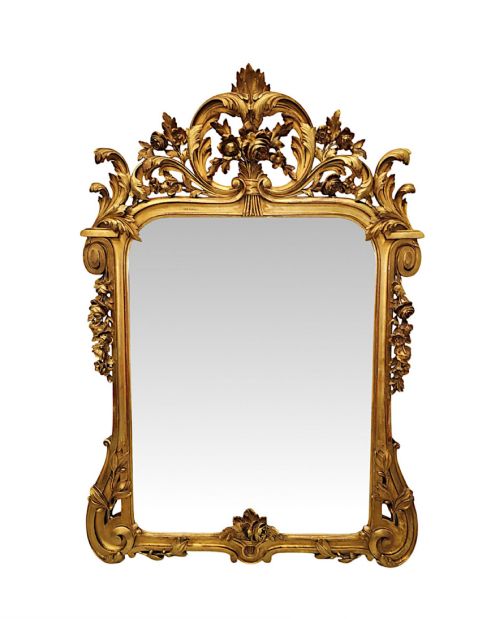
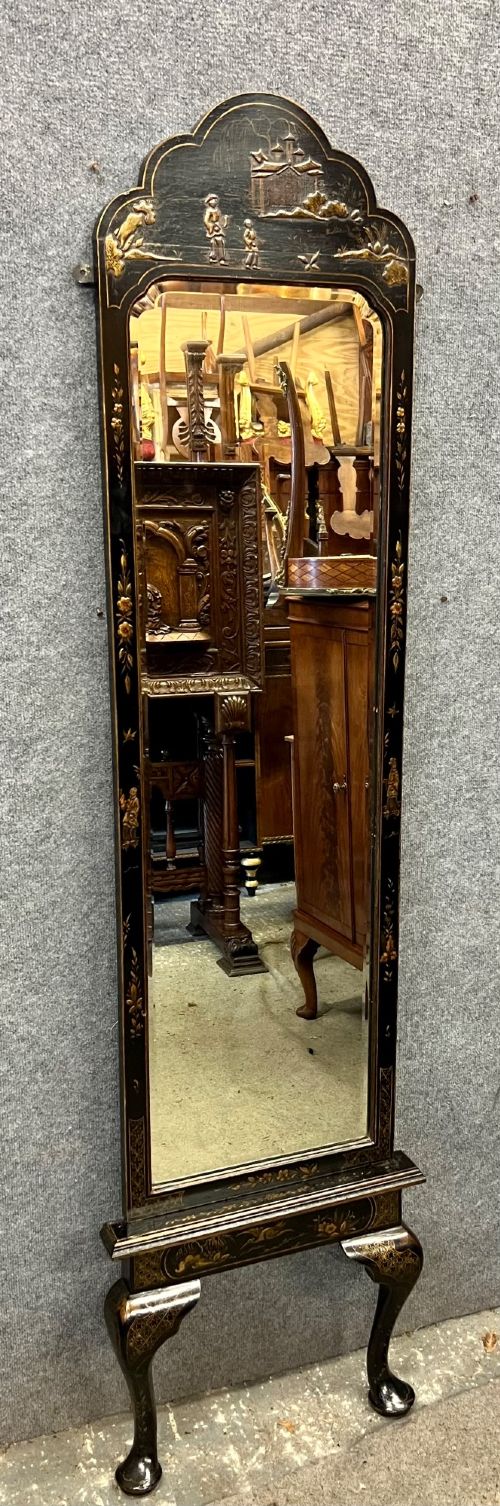
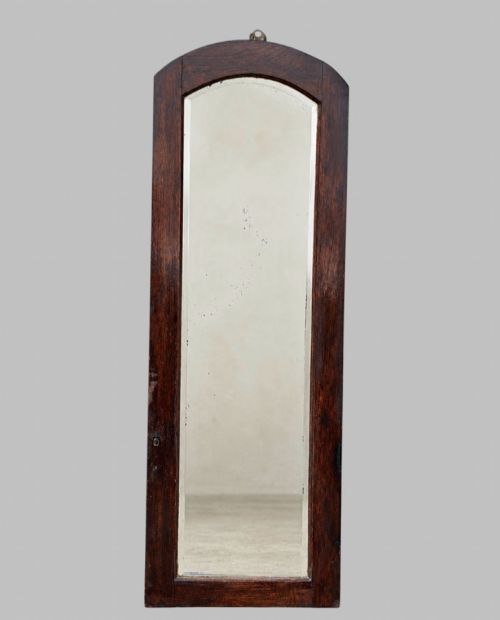
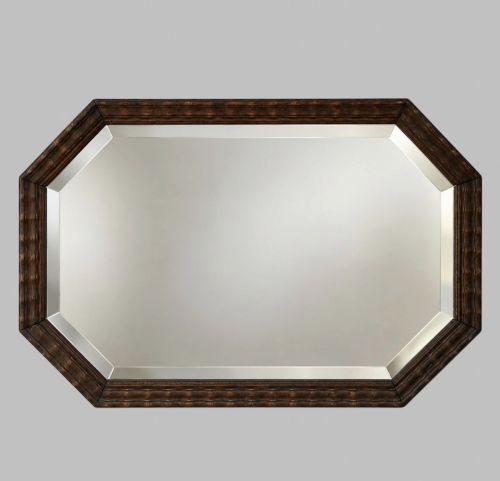
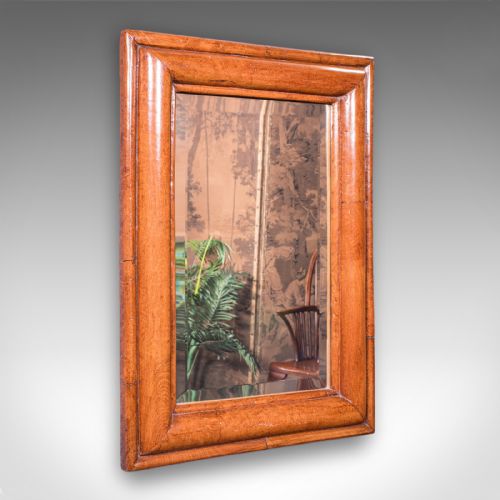
An edwardian hall mirror brings practical utility and period character to an entranceway through bevelled glass and rich timber framing.
Edwardian Hall Mirror
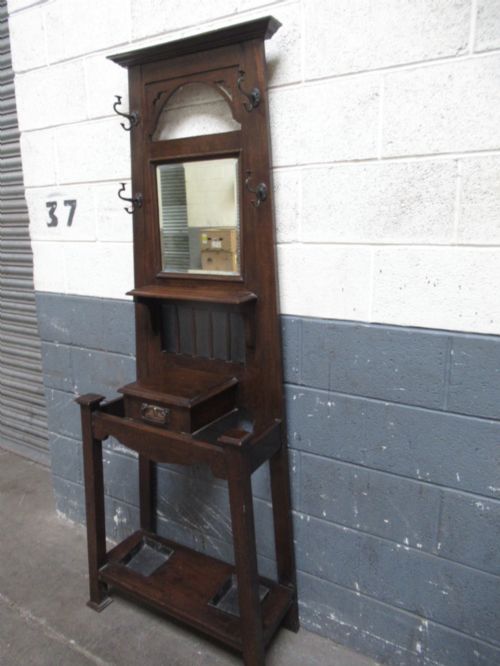
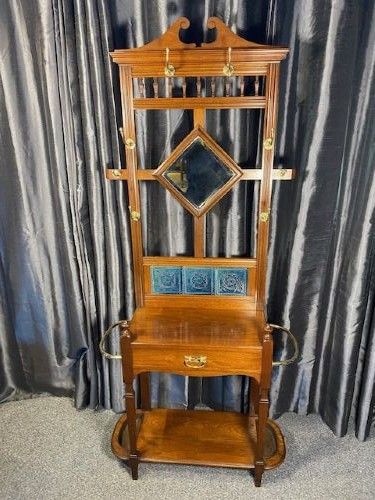
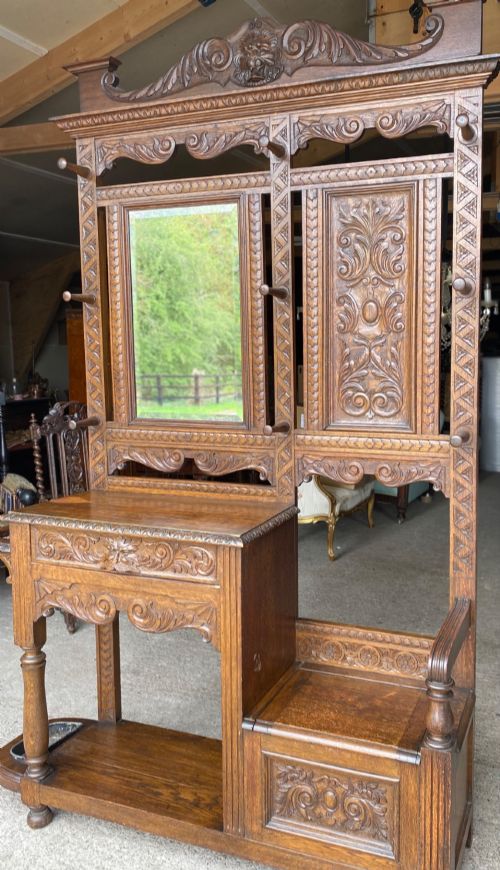
When searching for an edwardian hall mirror, buyers encounter a mix of dedicated wall-hung looking glasses and multi-functional entrance furniture. Pieces range from simple timber frames with integrated coat hooks to larger mirror-back stands incorporating umbrella holders and glove boxes.
The objects frequently date from the early twentieth century, though surrounding records show influences from late nineteenth-century Victorian design alongside Arts and Crafts and Art Nouveau movements. Oak and mahogany serve as the primary woods, often complemented by brass fittings or inlaid details.
The most common versions on this page combine a functional reflecting surface with practical cloakroom accessories such as brass pegs or small shelves for post and keys. These items were designed to maximise utility in narrow entrance hallways of period homes.
Materials and Construction
Cabinetmakers constructed these pieces primarily using solid or veneered oak and mahogany, occasionally employing walnut, bamboo or rosewood for finer examples. Timber components were joined using traditional framing techniques and frequently enhanced with decorative carving, inlay or contrasting grain patterns.
Reflecting plates typically feature bevelled edges set into rebated wooden frames to catch and reflect light within darker entrance spaces. Functional additions such as cast brass coat hooks, umbrella wells and metal drip trays were securely attached to withstand daily domestic use.
Edwardian Hall Mirror Retail Price Guide 2026
Typical asking prices for edwardian hall mirror among the pieces listed under this phrase on Sellingantiques today, from the lower quarter to the upper quarter. They describe what is for sale here now, not the wider market.
A few unusual hall stands include built-in velvet upholstery and hidden glove boxes for discreet storage of visiting cards.
Distinctions in Standard
Simpler utility pieces relied on plain functional framing without decorative embellishment or auxiliary hooks. The presence of specialised details, such as marquetry inlay, shaped brackets or matching umbrella racks, elevates a piece from basic hallway furniture to considered design.
Waring & Gillow·Shoolbred & Co.
The Edwardian Hall Mirror Glossary
- Bevelled glass
- A mirror plate with edges ground and polished at an oblique angle. This technique creates a decorative prismatic border that catches ambient light.
- Hall stand
- A multi-functional piece of entrance furniture incorporating a mirror, coat hooks, umbrella stands and sometimes a small seat or glove drawer.
- Marquetry
- Decorative veneer work arranged in geometric or pictorial patterns using various tinted woods. It frequently appears on Edwardian mahogany furniture.
- Aesthetic movement
- A late nineteenth-century design style prioritizing visual beauty over narrative content. Pieces often utilised bamboo, ebonized wood and simple structural forms.
Edwardian Hall Mirror: Frequently Asked Questions
What is the difference between an overmantle and a hall mirror?
Overmantle mirrors were specifically manufactured to hang above fireplace mantelpieces and generally feature proportions suited to chimney breasts. Hall mirrors are designed for narrow entranceways and frequently include integrated coat hooks, umbrella holders or small shelves.
While some large mirrors served multiple room functions historically, dedicated hall designs prioritize practical cloakroom utility.
How should I clean the antique glass?
Use a soft microfiber cloth and a mild vinegar-based solution applied directly to the cloth rather than the glass. This prevents moisture from seeping behind the silvering backing through the edges of the frame.
Avoid harsh commercial ammonia cleaners that can damage vintage silvering and degrade the surrounding wooden frame.
Did Edwardian hall mirrors always include coat hooks?
Many wall-hung examples feature brass or iron coat hooks affixed to the wooden frame or backing board beneath or beside the glass. Other versions functioned purely as looking glasses for checking appearance before leaving the house.
Combination pieces with hooks provided essential cloakroom storage in homes lacking dedicated entrance closets.