

Edwardian Globe Wernicke
Edwardian globe wernicke bookcases are modular stacking cabinets that bring practical elegance and versatile display space to any room.
Edwardian Globe Wernicke
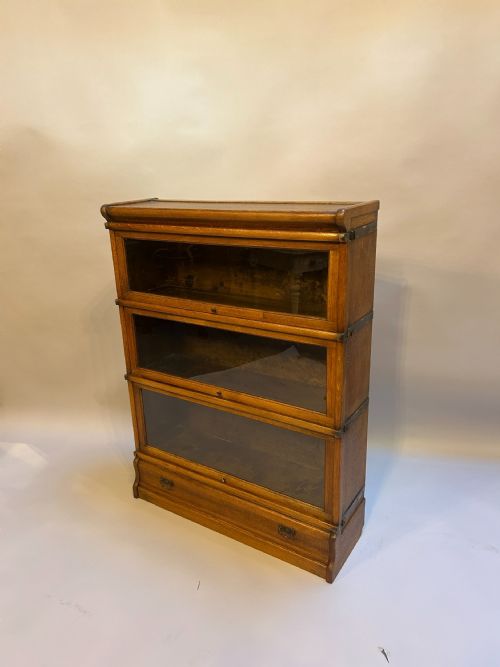
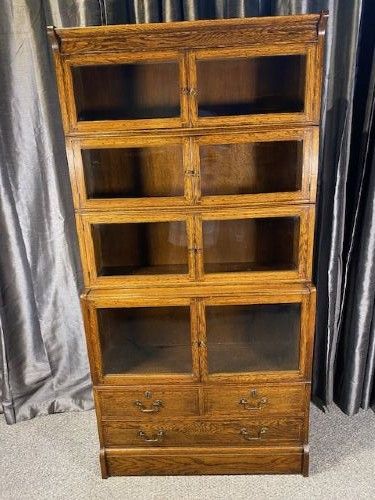
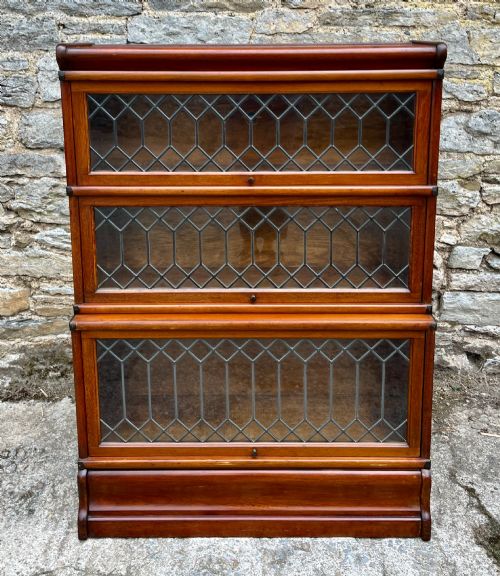
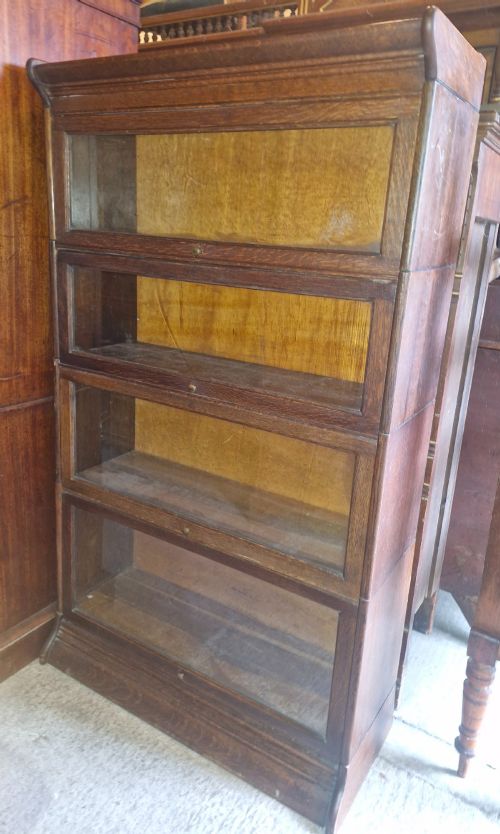
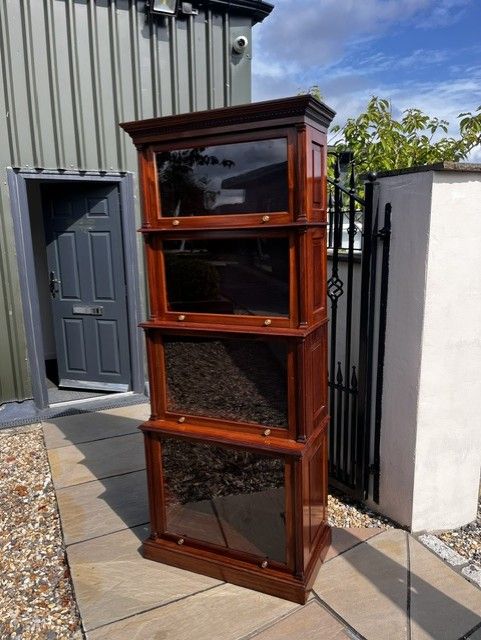
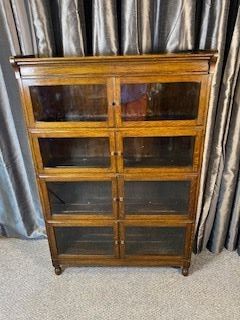
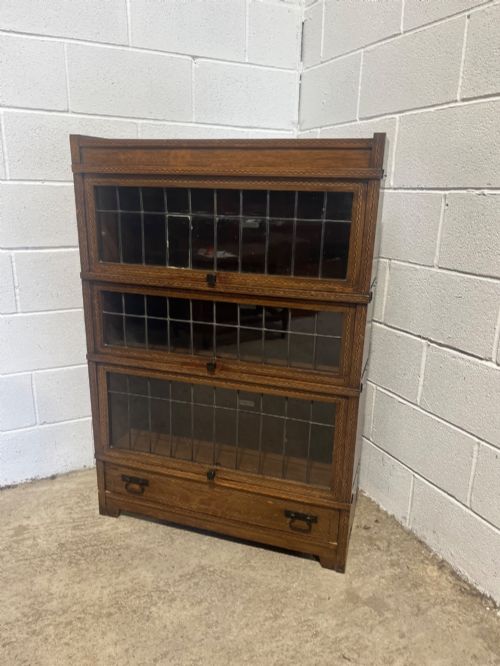
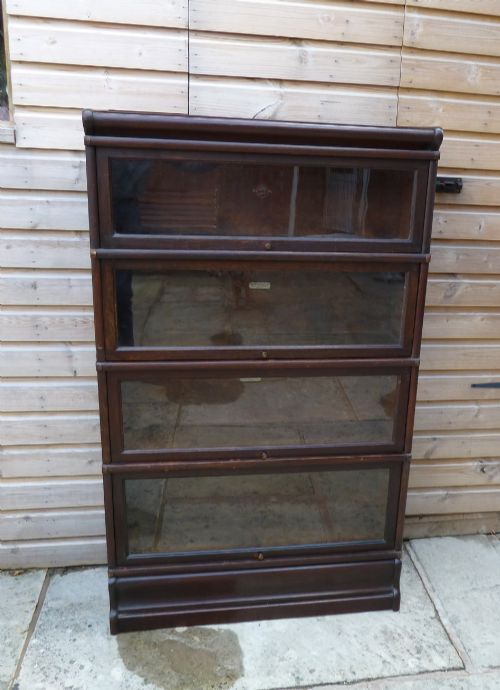
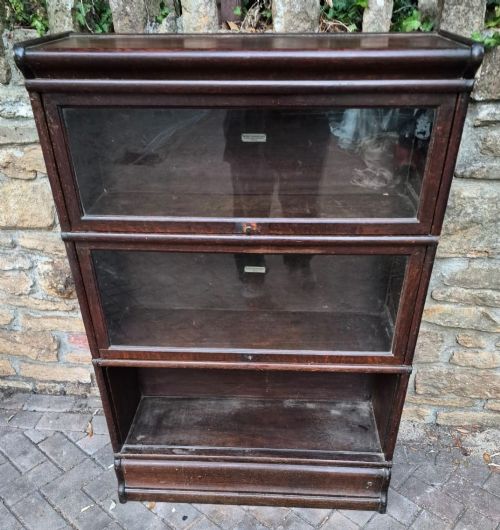
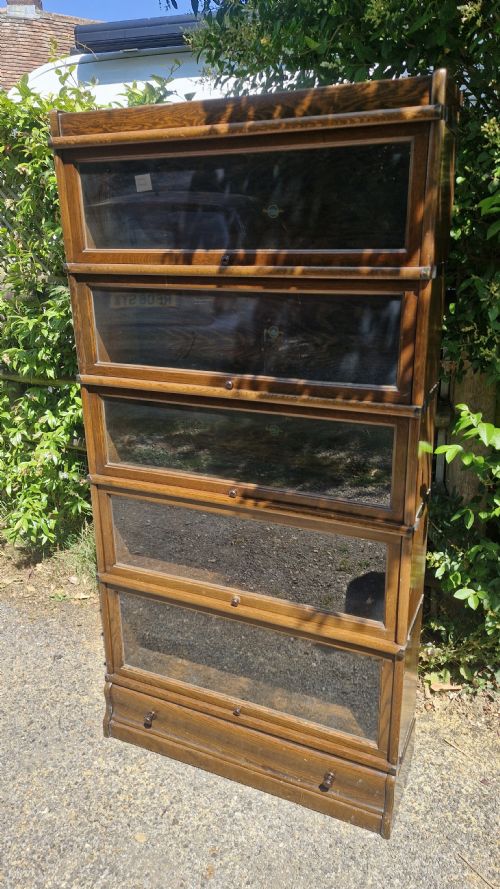
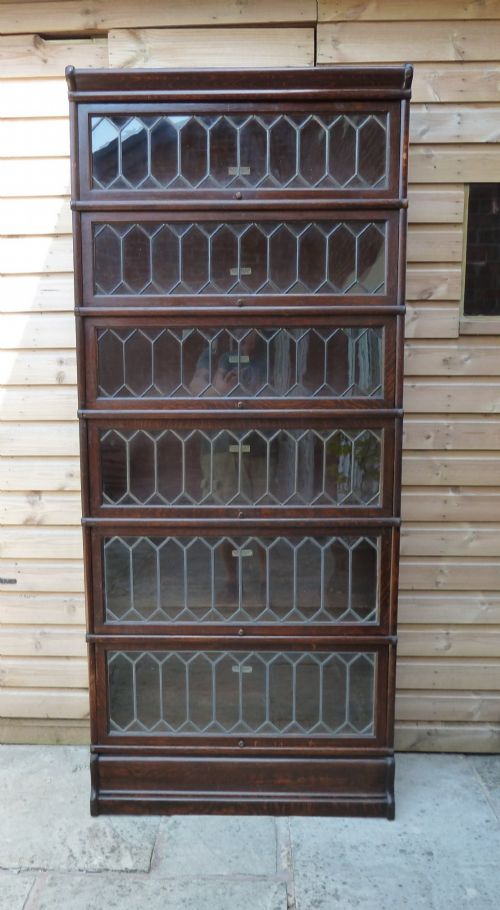
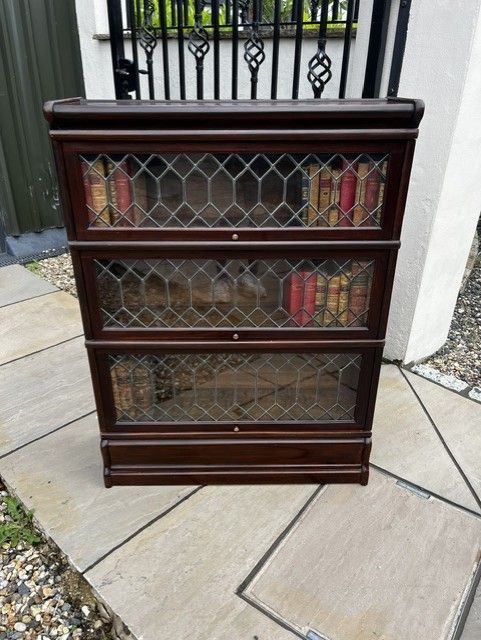
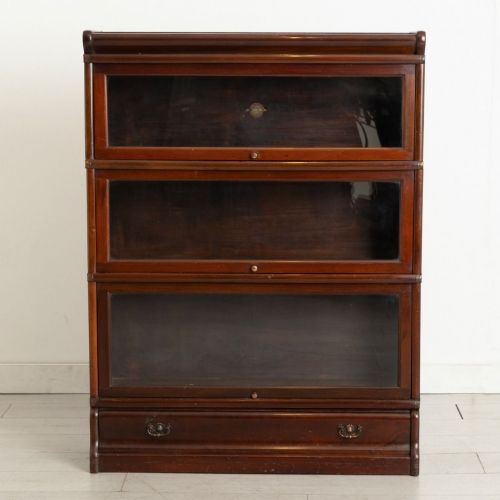
When searching for an Edwardian globe wernicke, buyers encounter sectional wooden bookcases built with modular tiers that stack together vertically. These pieces originated to serve offices and libraries, offering dust-protected storage for growing book collections.
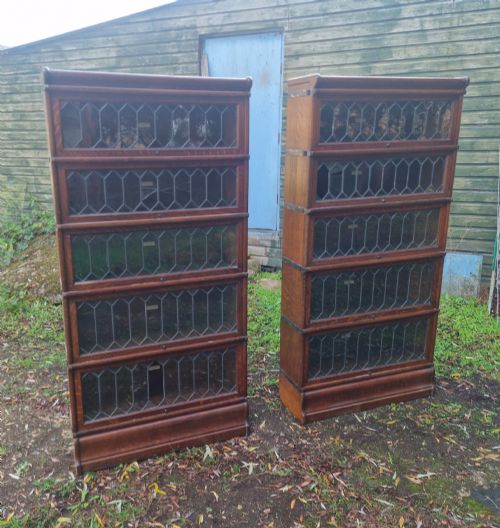
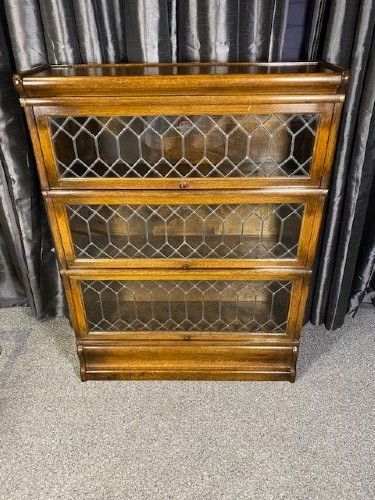
The most common versions on this page are oak or mahogany cabinets featuring multiple glazed tiers and functional lifting glass doors. Pieces span from the Edwardian period into the early decades of the twentieth century, often reflecting Arts and Crafts influences in their clean structural lines.
Materials and Construction
Makers utilised solid timbers like oak and mahogany, occasionally incorporating walnut, alongside durable glass for the lifting doors and brass or metal hardware for the mechanical mechanism. Leaded glass appears in select cabinets, adding distinct subdivision to individual tiers.
The modular design relies on interlocking sections that allow the bookcase to grow vertically without fixed vertical partitions. Finish details range from standard timber polishes to limed treatments or inlaid decorative touches.
Some stacking office desks and chairs accompany the bookcases, proving that Edwardian professionals loved modular furniture for everything.
Assessing Quality
Quality rests heavily on the integrity of the timber, the clarity and condition of the glass panels, and the smooth operation of the stacking mechanism. Original maker attribution through stamped marks or labels distinguishes standard utility models from premier examples.
Subtleties in grain selection, such as figured mahogany or quarter-sawn golden oak, separate superior tiers from utilitarian office furniture. The presence of matching pairs and complete original brass fittings elevates the desirability of a cabinet.
Globe Wernicke·Lebus·Minty·Gunn·Amyl
The Edwardian Globe Wernicke Glossary
- Barrister bookcase
- A stacking sectional bookcase featuring glazed doors that lift and slide inward above the shelf. This design allowed legal professionals to transport and house their working libraries securely.
- Sectional
- Built in modular tiers that stack upon a base and beneath a top cornice. This construction method permits easy dismantling and reconfiguration.
- Leaded glass
- Small panes of glass held together by lead caming to form geometric or decorative patterns. It frequently enhances the visual weight of cabinet doors.
- Quarter-sawn oak
- Timber cut radially to the growth rings, yielding a distinctive ray-figure pattern. It provides increased stability and a characteristic decorative grain.
- Tier
- An individual modular section of a stacking bookcase. Each level operates as a self-contained shelf with its own door.
Edwardian Globe Wernicke: Frequently Asked Questions
Can I separate the sections?
Yes, the modular design relies on loose-stacked tiers resting one upon another between a fixed base and a top cornice. You can add, remove, or rearrange sections to suit your ceiling height or storage needs.
Moving the cabinet requires taking it apart tier by tier rather than lifting the whole structure at once. This construction makes transport straightforward despite the heavy solid timber.
Where should I place one?
These tall, narrow cabinets suit studies, living rooms, and hallways where floor space is limited but vertical capacity is useful. Their enclosed glass tiers keep dust off paper volumes and fragile collections in busy living areas.
Ensure the floor is level so the stacking tiers align properly and the doors swing without catching. Placing them against a secure wall prevents accidental toppling since the modular units are unattached vertically.
How do I identify different makers?
Look for manufacturer stamps, paper labels, or metal tags typically found inside the upper cornice or on the reverse of the base sections. Distinctive hardware styles and interior joinery details also point toward specific workshops.
While Globe Wernicke originated the sectional format, firms like Lebus, Minty, and Gunn produced parallel designs with their own proprietary mechanisms. Checking the interior woodwork often reveals these subtle manufacturing signatures.