

Edwardian Modular Bookcase
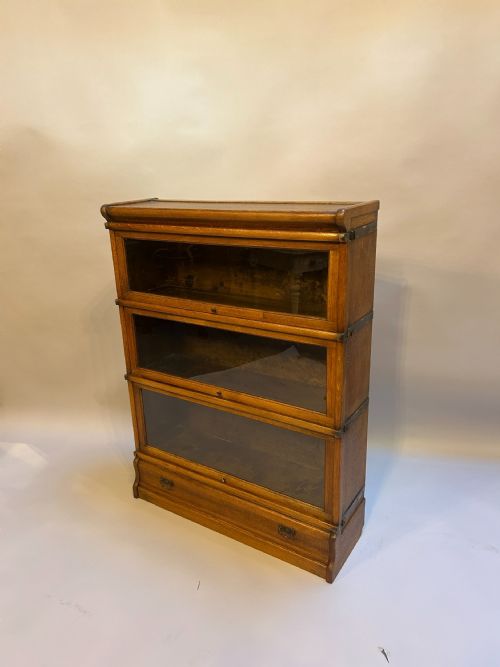
These edwardian modular bookcase examples offer adaptable library storage, combining stacking sections with glazed doors for practical home study use.
Edwardian Modular Bookcase
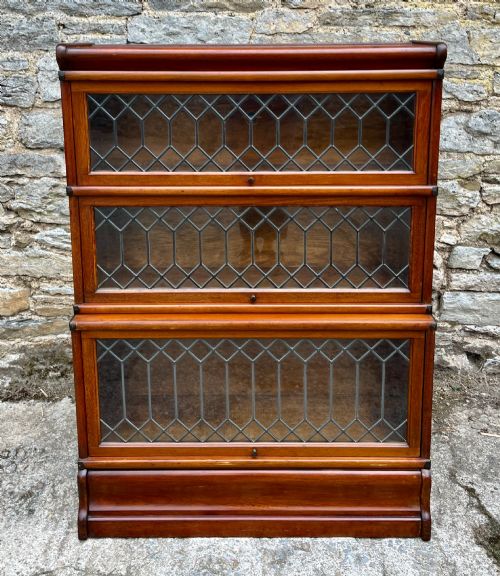
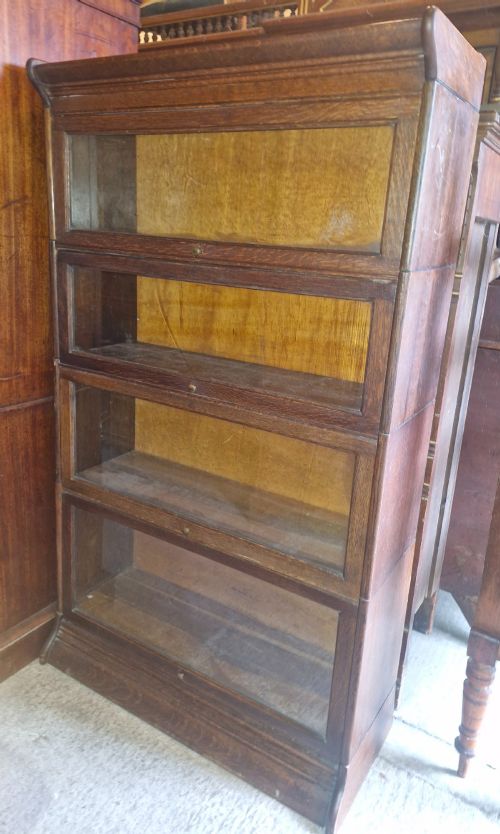
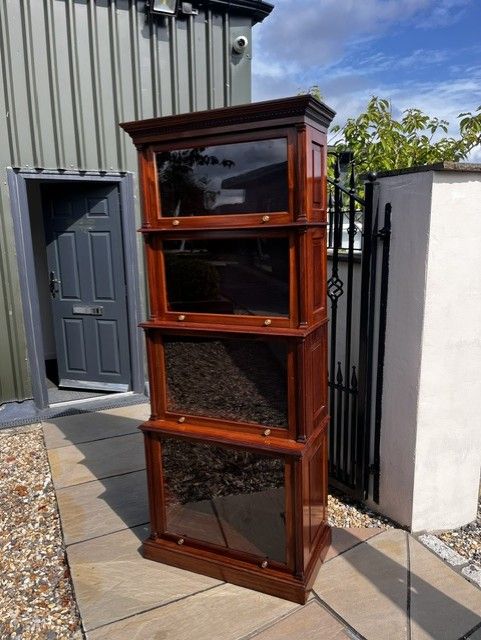
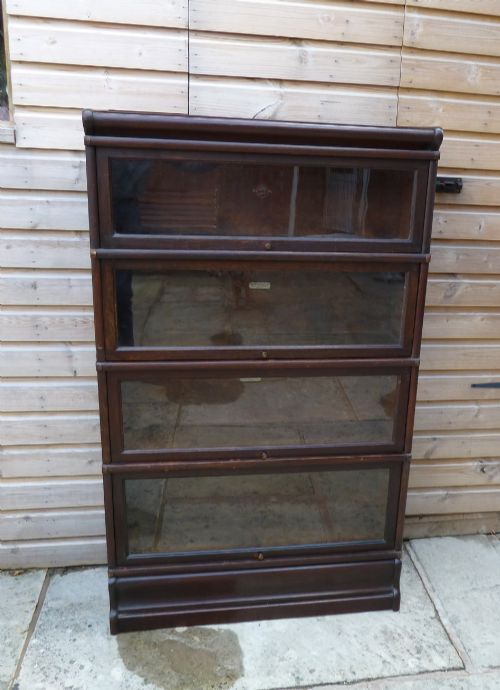
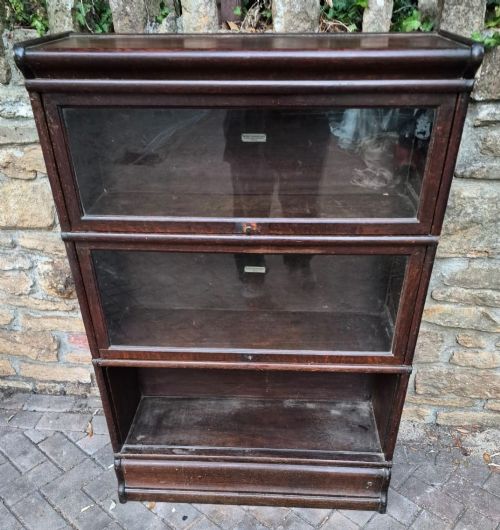
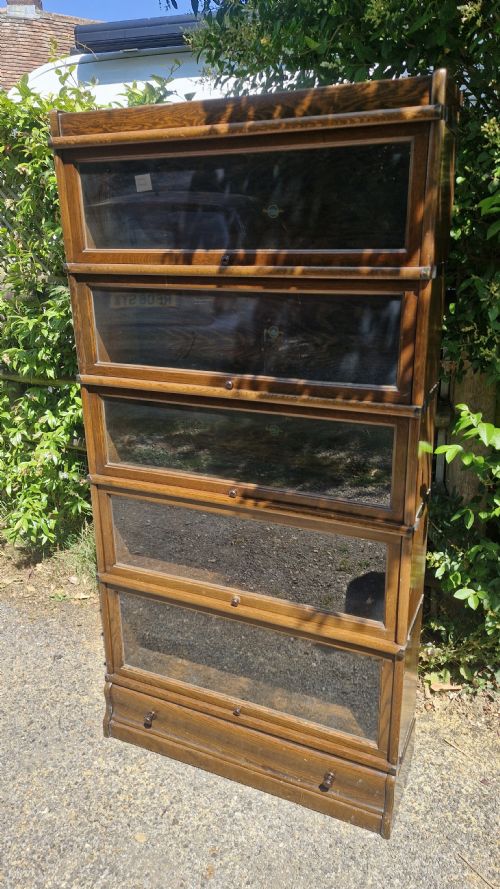
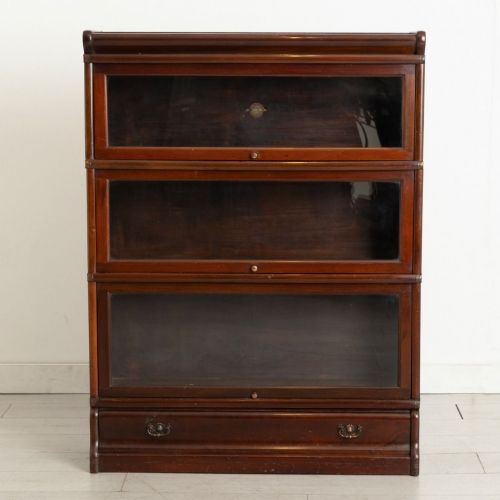
An edwardian modular bookcase provides flexible shelving through individual stacking sections that lock together. The pieces seen here primarily date from the Edwardian period, 1900, 1910, 1920, and 1930, with occasional 19th-century campaign examples. Cabinets and bookcases form the main object types available.
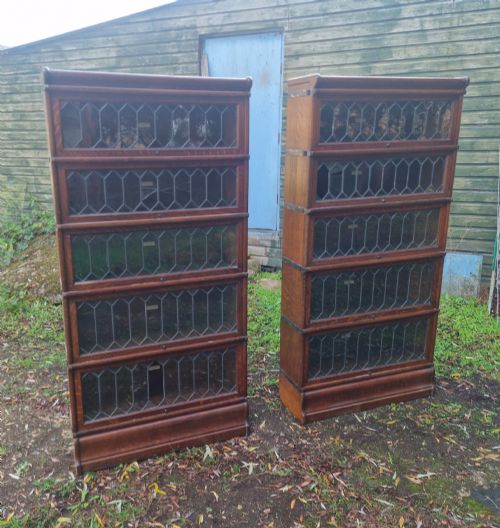
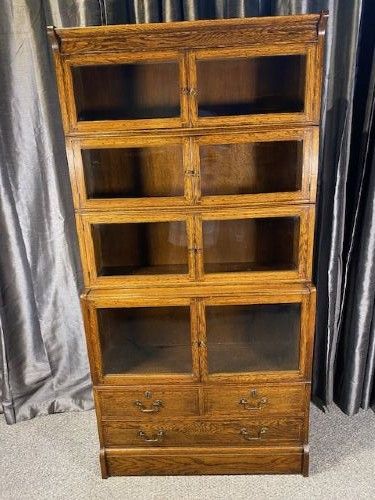
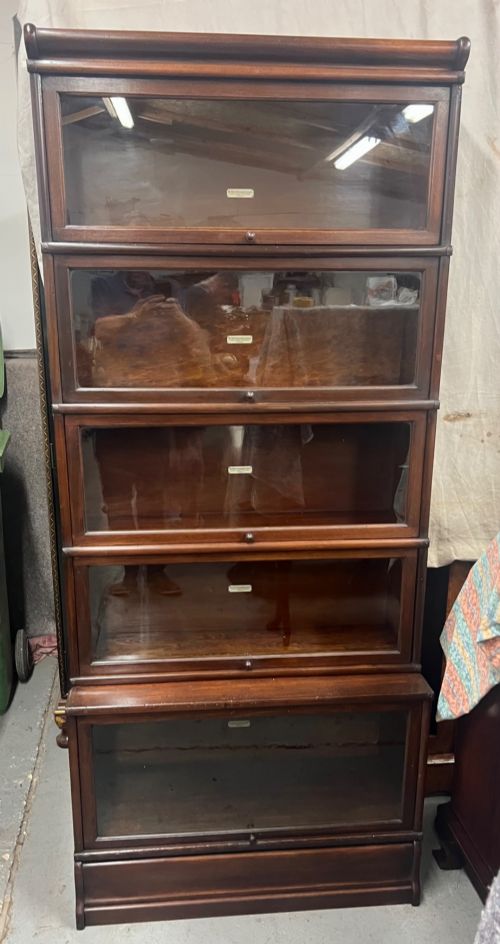
Makers such as Globe Wernicke, Lebus, Minty, AMYL, and Gunn dominate the listings. These modular designs appear in configurations ranging from three tiers to tall six-section units, often referred to as barrister bookcases.
Materials and Construction
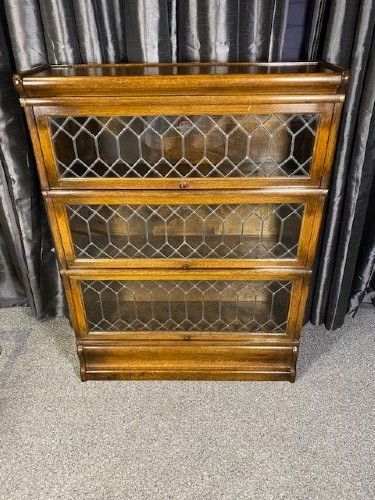
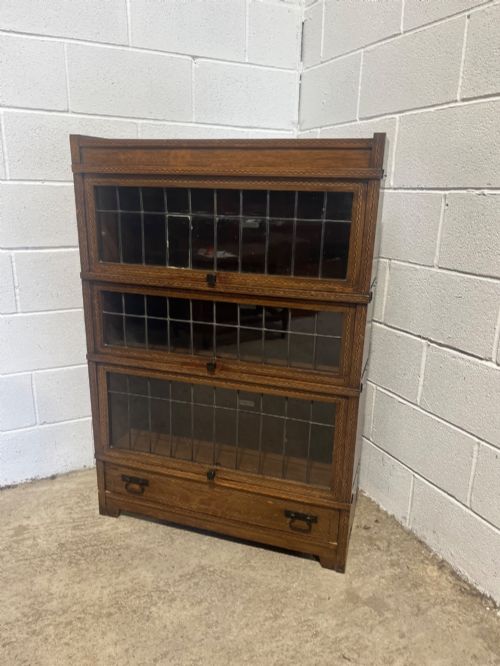
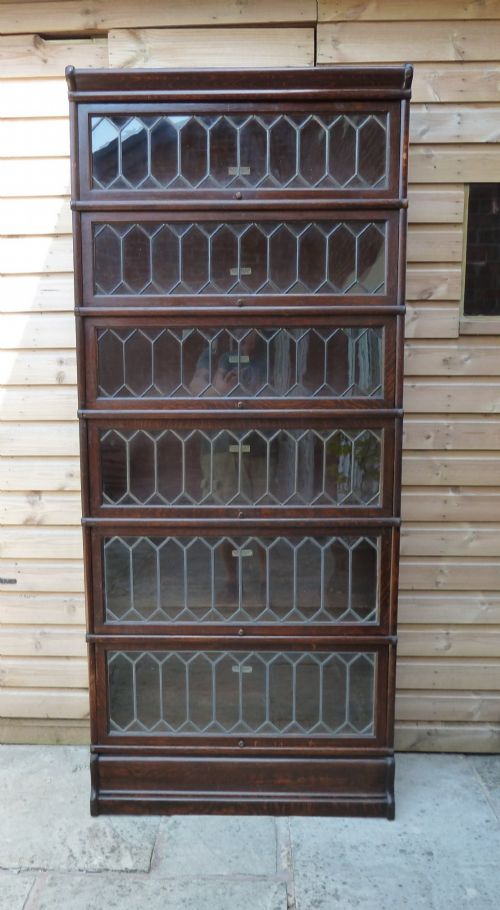
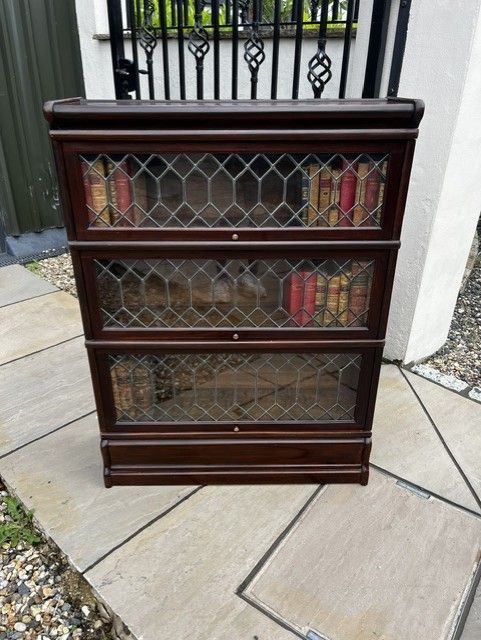
Construction relies heavily on oak and mahogany, utilised either as solid timber or solid mahogany, alongside finishes like golden oak and limed oak. Glazing is integral to the design, incorporating glass and leaded glass within the doors.
Metal and brass hardware provide the mechanical connections and pull handles necessary for the stacking mechanism. The sectional layout allows individual tiers to be separated and rearranged as required.
Listings feature oak and mahogany modular bookcases from the Edwardian era through to 1930, incorporating glass and leaded glass doors.
Build and Material Standards
Quality differences emerge in the choice of timber and the precision of the modular joinery. Solid mahogany or figured oak examples with intact leaded glass doors represent the upper tier of manufacture.
The sophistication of the stacking mechanism and the clarity of the original glazing distinguish standard utility office pieces from finer domestic cabinet work.
Globe Wernicke·Lebus·Minty·Gunn·AMYL
The Edwardian Modular Bookcase Glossary
- Modular bookcase
- A piece of furniture made from separate, stackable tiers that can be arranged vertically. These sections allow the unit to grow or shrink according to storage needs.
- Barrister bookcase
- A specific type of stacking bookcase featuring glazed doors that lift and slide inward above the books. This design protects volumes while allowing quick access.
- Sectional bookcase
- An alternative term for a modular bookcase built from multiple identical or varying height tiers. Each tier functions as an independent box.
- Leaded glass
- Glass panes joined together with narrow strips of lead, forming geometric patterns in the doors. This technique adds decorative weight to the cabinet front.
- Campaign cabinet
- Portable furniture designed for travel, featuring recessed brass handles and reinforced corners. These items originate from the nineteenth century.
Edwardian Modular Bookcase: Frequently Asked Questions
How do sectional bookcases work?
Individual wooden tiers stack upon a base and sit beneath a top cornice to form a tall cabinet. Each tier contains its own glass door that lifts and recesses into the case above the shelf.
This modular construction allows owners to add or remove sections as their library expands. The units disassemble easily for moving without tools.
What is a barrister bookcase?
A barrister bookcase is a modular stacking cabinet traditionally used by lawyers to transport and house law books. The design protects reference volumes from dust while remaining portable.
Most examples seen feature glass or leaded glass doors that swing upward and slide inside the top of the shelf compartment.
Which woods are common?
Oak and mahogany appear most frequently in these sectional cabinets. Golden oak finishes highlight the natural grain, while solid mahogany provides a darker, smoother appearance.
Some variations include limed oak and walnut surfaces, paired with brass and metal hardware fittings.
How do I date these pieces?
Dating relies on maker stamps, patent marks, and structural styles associated with the early twentieth century. Pieces from 1900 to 1930 often bear manufacturer labels from firms like Globe Wernicke or Minty.
Materials such as leaded glass and solid oak are characteristic of the Edwardian arts and crafts influence in office and home furniture.