



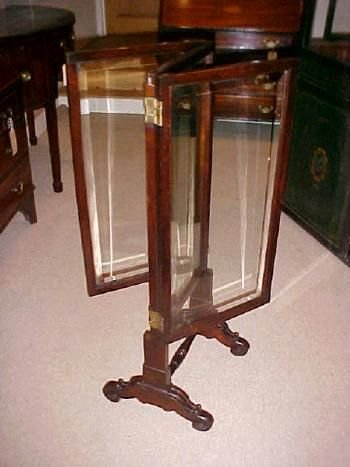
Edwardian Glass Screen
These edwardian glass screen pieces combine brass and lead with stained or bevelled glass, keeping rooms warm whilst framing the hearth.
Edwardian Glass Screen
When you search for an edwardian glass screen, you find functional folding and freestanding guards designed to sit before a fireplace or divide a room. The items on this page span the late nineteenth century into the early twentieth century, taking forms such as fire screens, fireplace screens, and room dividers.
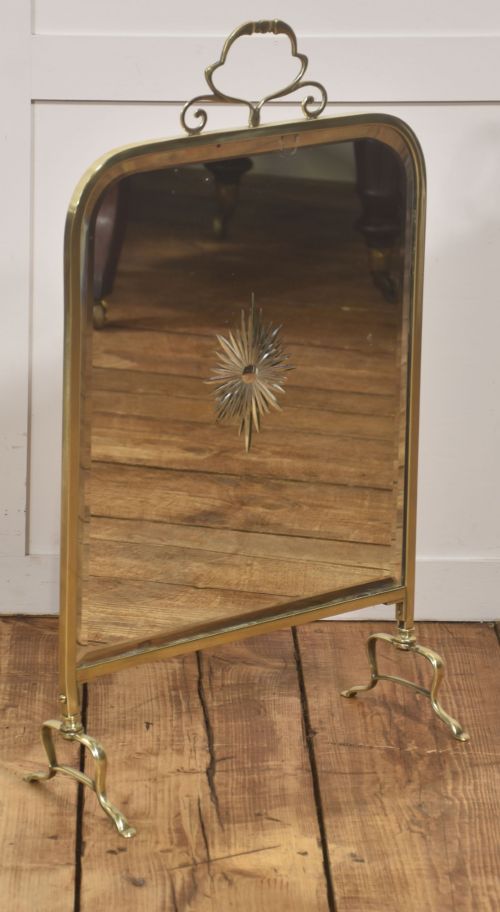
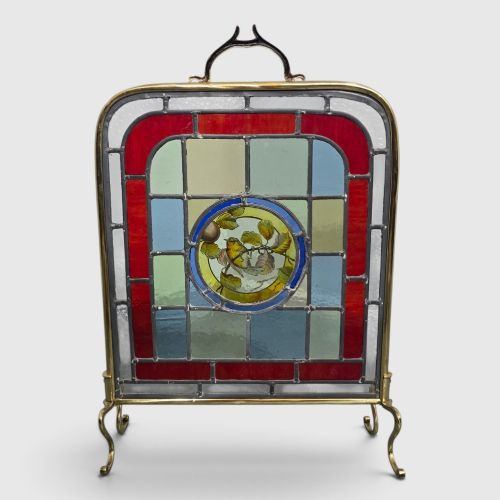
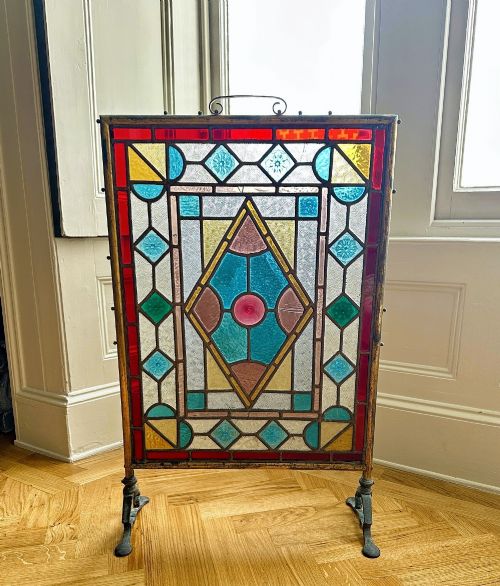
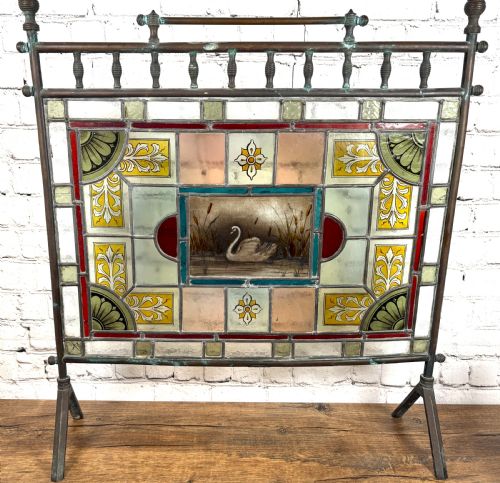
The most frequent examples you meet on this page utilise brass frames combined with stained, cut, or bevelled glass panels. Alongside these, you encounter mahogany framed options and iron stands supporting coloured glass or mirror plates.
Makers and manufacturers produced both single panel stands and multi-fold room dividers during this period. The styles range from strict Victorian utility to ornate Art Nouveau curves and Arts and Crafts simplicity.
How they were made
Makers constructed the primary frameworks using cast or sheet brass, wrought iron, and polished mahogany. These materials provided the structural rigidity needed to support heavy glass panels near a heat source.
Glassworkers utilised lead cames to hold together intricate stained glass compositions, or bevelled the edges of clear and cut glass plates to catch the light. Workshops also incorporated mirrors and fabric needlework behind protective glass frontages.
Folding versions relied on sturdy metal hinges or wooden pivots to join multiple panes together. Iron stands and brass feet anchored the screens securely to the floor.
Edwardian Glass Screen Retail Price Guide 2026
Typical asking prices for edwardian glass screen among the pieces listed under this phrase on Sellingantiques today, from the lower quarter to the upper quarter. They describe what is for sale here now, not the wider market.
Some dressing screens double as quiet spots to hide yesterday's laundry from unexpected callers.
What varies in quality
The sophistication of the metalwork defines the upper tier of these pieces, separating heavy cast brass and hand-wrought iron from thin stamped sheet metal. Superior examples feature detailed surface chasing and robust structural joints that withstand regular movement.
Glass quality also creates a clear distinction across the range, with hand-cut bevels and complex stained glass leading displaying greater artisanal skill than plain commercial panes. The integration of mahogany frames with tight joinery indicates a higher standard of cabinetmaking.
Design execution marks the difference between standard production items and ambitious artistic pieces. Pieces showing cohesive Art Nouveau or Arts and Crafts styling command more attention than basic utilitarian guards.
The Edwardian Glass Screen Glossary
- Came
- A slender grooved strip of lead used to hold together pieces of stained glass in a window or screen. This technique forms the rigid network supporting coloured glass panels.
- Bevelled glass
- Glass with an edge ground and polished to an acute angle. This process creates a prism effect that reflects light around the room.
- Fire guard
- An alternative name for a fire screen, designed to block radiant heat and contain sparks from an open hearth. These items stand in front of the fireplace when the fire burns low.
- Art Nouveau
- A decorative style prevalent around nineteen hundred characterised by flowing, organic lines and floral motifs. You see this aesthetic on many brass frames and glass designs.
- Arts and Crafts
- A design movement valuing traditional craftsmanship and simple forms over mass production. Pieces from this tradition often display honest construction in iron and stained glass.
Edwardian Glass Screen: Frequently Asked Questions
What is an edwardian glass screen?
An edwardian glass screen is a decorative and functional panel made to shield a room from fireplace heat or to divide interior spaces. They typically feature glass fitted into a brass or wooden frame.
These items date from the late nineteenth and early twentieth centuries, reflecting the interior tastes of the period through styles like Art Nouveau and Arts and Crafts.
How do you use a glass fire screen?
You place the screen upright on its stand or feet a short distance in front of an active or empty fireplace. It serves to block stray embers whilst allowing the light from the grate to pass through.
When the fireplace is not in use, the screen remains in position to present a decorative focal point in the room.
Are these screens stable on carpets?
Most screens utilise weighted brass feet, iron stands, or wide folding wooden bases designed to stand upright on various floor surfaces. Heavier frames with stained or bevelled glass offer greater natural stability.
Multi-fold versions gain balance by angling the outer panels slightly inward.
How do I identify Art Nouveau features?
Art Nouveau examples display asymmetric flowing lines, plant tendrils, and stylized floral patterns worked into the brass frame or the glass design. This aesthetic dominated around nineteen hundred.
In contrast, earlier Victorian pieces often feature heavier, more symmetrical cast brass ornamentation.