



Edwardian Mahogany Screen
These edwardian mahogany screen pieces are versatile room dividers and hearth guards designed to combine utility with period elegance in any interior.
Edwardian Mahogany Screen
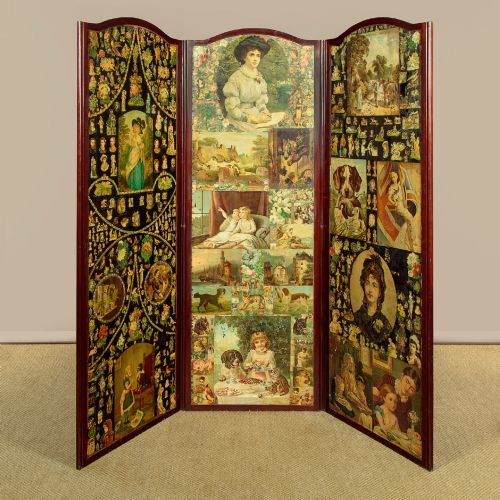
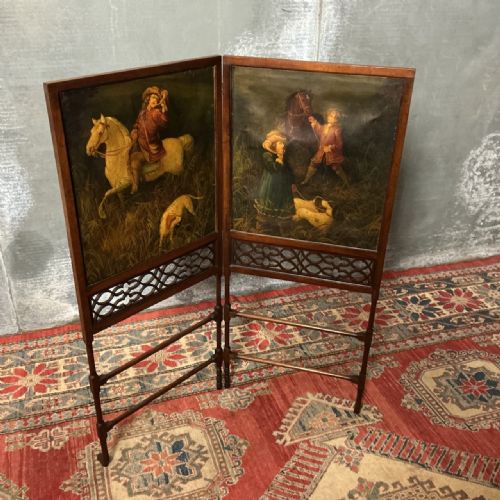
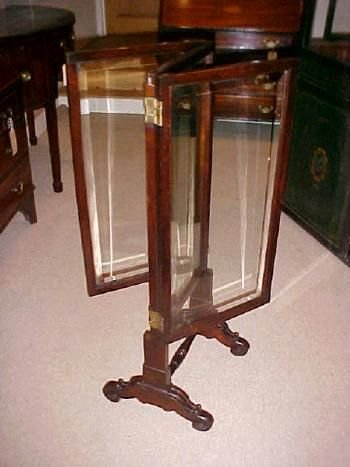
An edwardian mahogany screen is typically encountered as a folding multi-panel room divider or a single-panel hearth guard designed to block radiant heat and draft. The single-panel variants often feature adjustable frames or fixed glazed and upholstered inserts, serving domestic purposes in drawing rooms and bedrooms.
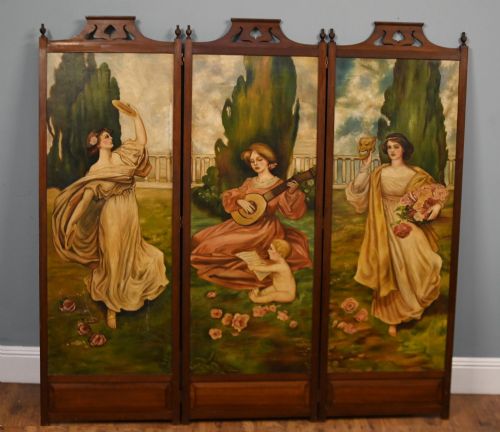
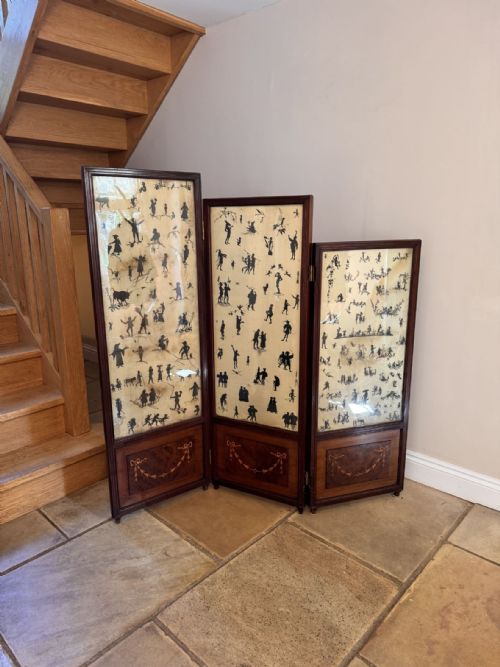
Multi-panel versions span three, four, or five folds, functioning as dressing screens or substantial room dividers. These architectural forms frequently utilise inlaid wood decoration, fabric, canvas, or oil paintings within solid mahogany frameworks reflecting Edwardian and Victorian tastes.
How they were made
Construction relies upon solid mahogany framing, sometimes shaped with carved details, swan neck pediments, or bobbin turning. The timber provides a sturdy structural skeleton capable of supporting multiple hinged leaves or heavy single-panel glass and wooden inserts.
Panels are integrated using textile elements such as silk embroidery, needlework, tapestry, and canvas, alongside glazed sections and oil paintings. Inlaid wood details enrich the mahogany surfaces, while brass hardware facilitates the folding action of multi-leaf examples.
Edwardian Mahogany Screen Retail Price Guide 2026
Typical asking prices for edwardian mahogany screen among the pieces listed under this phrase on Sellingantiques today, from the lower quarter to the upper quarter. They describe what is for sale here now, not the wider market.
Some screens double as secret wardrobe extensions, proving Edwardian interiors tackled clutter with surprising architectural flair.
What varies in quality
The refinement of the woodwork dictates much of the distinction, separating simple utilitarian frames from pieces possessing intricate inlaid decoration, carved mouldings, and balanced proportions. Superior examples demonstrate precise joinery in the hinges and frames, ensuring stability across wide multi-fold configurations.
The artistic merit of the integrated panel material also establishes grading, whether through hand-painted oil canvases, skilled needlework tapestries, or clear glass inserts. Original fabric and intact painted surfaces command greater visual cohesion than later replacement upholstery.
The Edwardian Mahogany Screen Glossary
- Mahogany
- A durable tropical hardwood valued for its rich grain and reddish-brown colour, used extensively for framing screens and furniture.
- Fire Screen
- A protective barrier placed in front of an active fireplace to shield occupants from radiant heat, often utilising glass or needlework.
- Folding Screen
- A piece of furniture consisting of two or more panels connected by hinges, used to divide a space or provide privacy.
- Inlaid Wood
- Ornamental work created by embedding pieces of contrasting timber or materials into the mahogany surface to form patterns.
- Needlework
- Decorative stitching executed with a needle on canvas or fabric, frequently mounted within the panels of period screens.
Edwardian Mahogany Screen: Frequently Asked Questions
How were these screens used?
These screens served primarily to deflect heat from fireplaces or to divide large rooms into smaller, more intimate spaces. They also functioned in dressing rooms to provide privacy.
Multi-fold versions offered flexible configurations that could be repositioned easily throughout a household as daily needs changed.
How do I care for mahogany frames?
Keep the wood away from direct heat sources and strong sunlight to prevent the timber and internal panels from drying out or fading. Dust the carved and inlaid surfaces regularly with a soft cloth.
Avoid using harsh chemical polishes that might damage the polished finish or degrade antique textile and painted inserts.
What is the difference between fire screens and room dividers?
Fire screens are typically single-panel items designed specifically for placement before a hearth to manage heat and sparks. They often feature adjustable mechanisms or protective glass.
Room dividers consist of multiple folding panels intended to partition living spaces or create dressing areas rather than interact directly with a fireplace.
What materials appear in the panels?
Panels frequently contain glass, silk embroidery, needlework, tapestry, canvas, and oil paintings set within the wooden frames. Some examples utilise simple glazed sections or decorative inlaid wood.
These varied inserts reflect both the decorative ambitions of the maker and the specific domestic function the screen was intended to serve.