


Edwardian Glass Panel
These pieces of edwardian glass panel bring structured colour and light through leaded joints and hand-painted scenes into contemporary rooms.
Edwardian Glass Panel
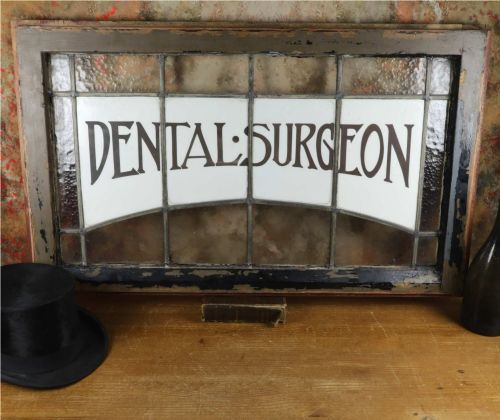
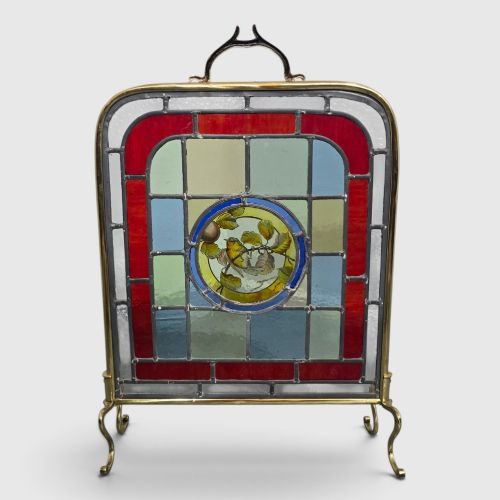
An edwardian glass panel is typically encountered as an architectural salvage piece, specifically a stained or leaded glass window originating from the early twentieth century. These works appear frequently in domestic settings, often featuring floral motifs, birds on branches, or pastoral countryside views.
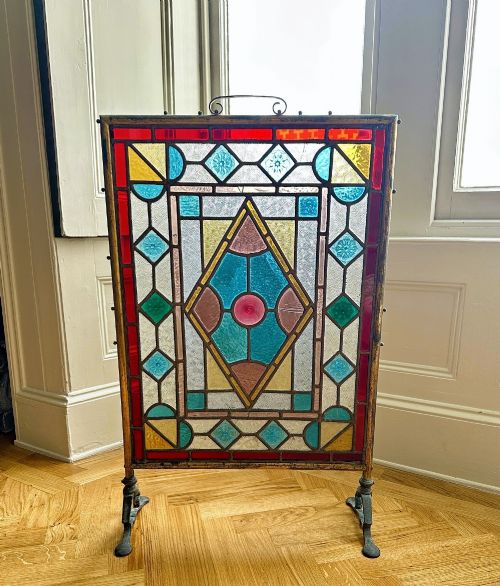
Beyond standard windows, the category extends to specialised shop windows, decorative interior screens, and door panels bearing hand-painted details or amber bullseyes. Makers of the period utilised these panels to divide interior spaces while maintaining natural illumination.
How they were made
Artisans constructed an edwardian glass panel by assembling individual pieces of coloured or clear glass within a flexible framework of lead cames. Soldered joints secured the matrix, while painters applied enamel details directly onto the glass surface before firing.
Supporting elements often incorporated robust timber frames made from oak or pine, depending on whether the panel served as an internal screen or an exterior architectural fixture.
Listings feature periods spanning from the Victorian era through the Edwardian years up to nineteen twenty, utilising glass, lead, oak, and brass.
What varies in quality
Quality in an edwardian glass panel rests largely upon the complexity of the hand-painted pictorial elements and the artistry of the leadwork design. Panels depicting detailed figurative scenes, such as knights or complex landscapes, require superior technical skill compared to repeating geometric patterns.
The integrity of the lead came and the clarity of the original glass significantly influence the visual impact of the piece when suspended against the light.
Maple & Co
The Edwardian Glass Panel Glossary
- Came
- A slender grooved strip of lead used to hold pieces of glass together in a window. These pliable strips form the geometric or organic lines of the design.
- Bullseye
- A circular patch of glass formed at the centre of a blown glass disc, often incorporated into panels for texture and amber illumination.
- Stained glass
- Glass that has been coloured by the addition of metallic salts during its manufacture, or subsequently painted with enamel and fired.
- Architectural salvage
- Building components rescued from demolition or alteration for reuse in interior decoration or restoration projects.
Edwardian Glass Panel: Frequently Asked Questions
Where should I hang an edwardian glass panel?
These panels suit placement against a light source, such as an interior window or hung directly in front of a neutral wall using secure brackets. Natural daylight allows the painted pigments and coloured glass to project their intended tones into the room.
Alternatively, some collectors mount them within custom wooden frames to create decorative room dividers or wall art.
How do I clean an old glass panel?
Maintenance requires gentle wiping with a soft, dry microfiber cloth to remove dust from the glass and lead surfaces. Avoid liquid cleaners and harsh chemical solvents, which can damage aged enamel paint or loosen historic solder.
If moisture is necessary, use a damp cloth with plain water and dry the leadwork immediately to prevent corrosion.
Are these panels suitable for exterior installation?
Most surviving panels function best in protected interior environments rather than exposed exterior walls. Historic lead cames soften over decades and may lack the structural rigidity required to withstand persistent wind and weather.
Interior placement preserves the fragile hand-painted details from environmental degradation.