


Edwardian Glass Jar
An edwardian glass jar brings functional elegance to a dressing table or dining room through sturdy cut glass and precious metal mounts.
Edwardian Glass Jar
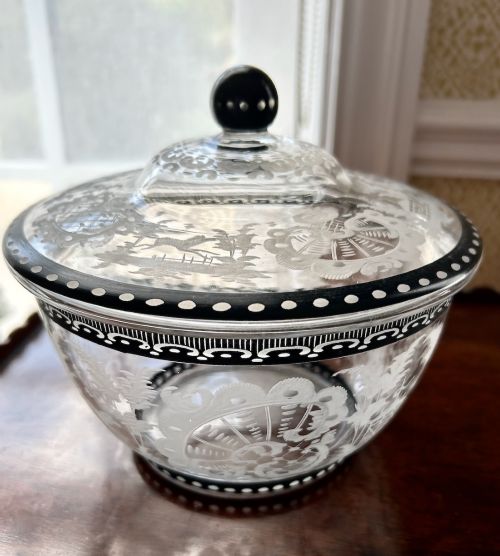
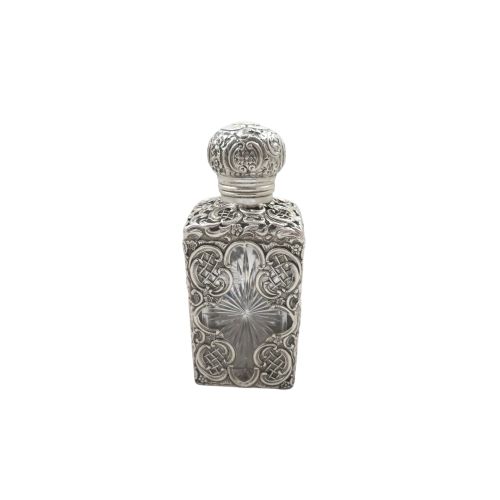
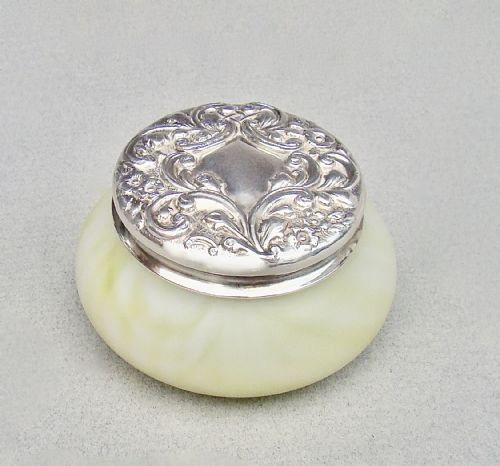
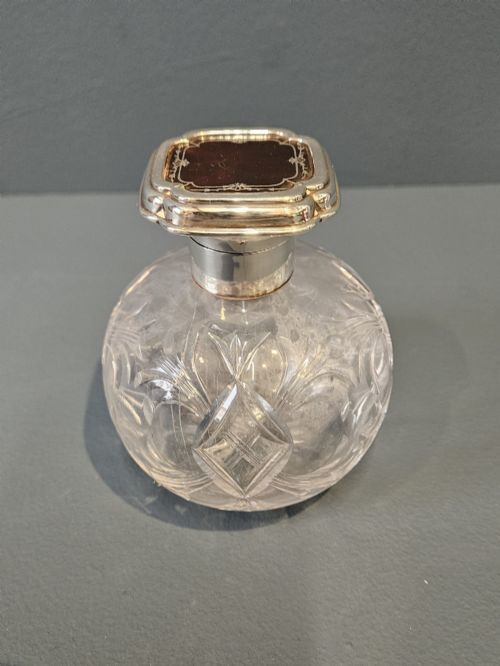
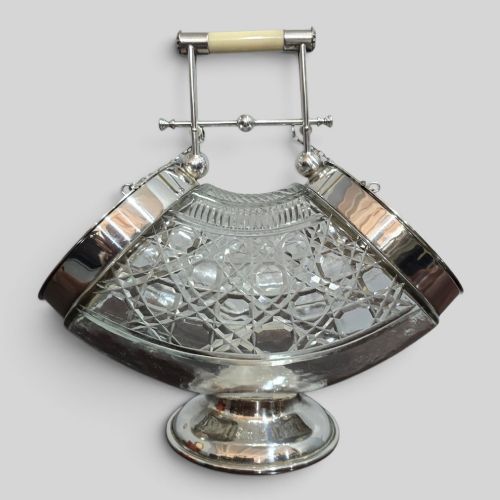
When searching for an edwardian glass jar, collectors encounter a diverse range of functional domestic items produced around the early twentieth century. These pieces span utility and vanity, including biscuit barrels, dressing table jars, scent bottles, and preserve containers.
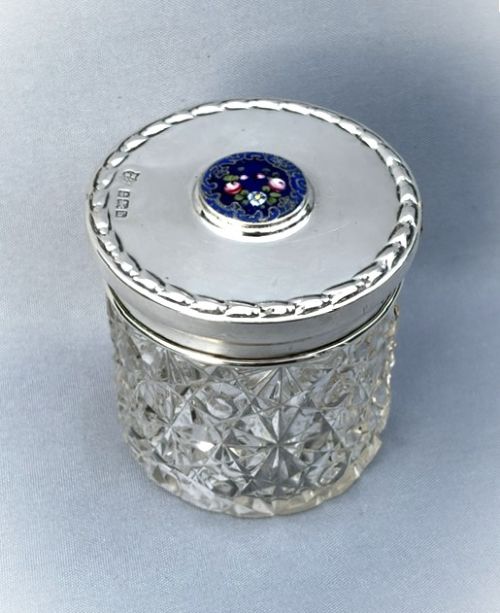
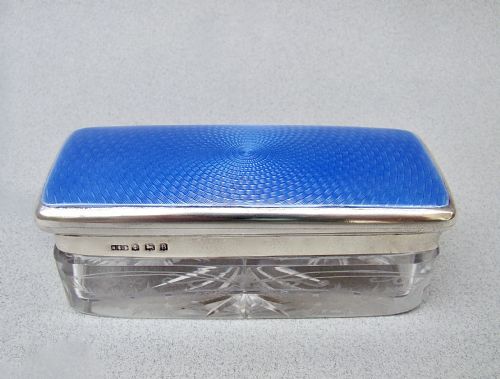
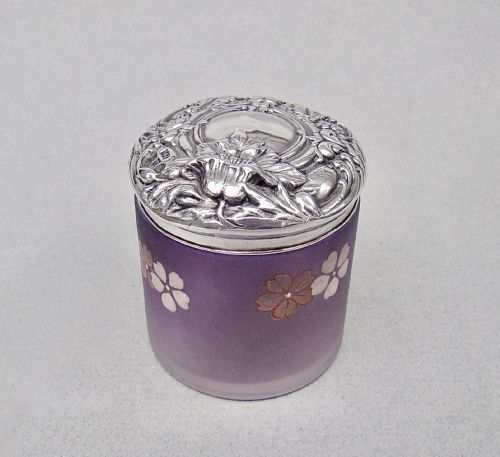
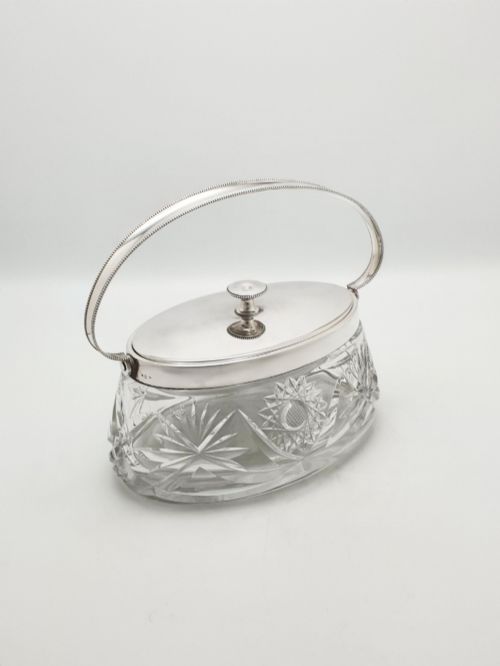
The material combinations typically unite heavy glass vessels with sterling silver, silver plate, or enamel lids. Biscuit barrels and preserve jars frequently feature swing handles and matching mounts, while smaller vanity pots display intricate repoussé or guilloché enamel work.
Origins stretch from English workshops to continental makers like Baccara and WMF. While the Edwardian period dominates, related pieces cross into Victorian and Art Deco eras with similar forms.
How They Were Made
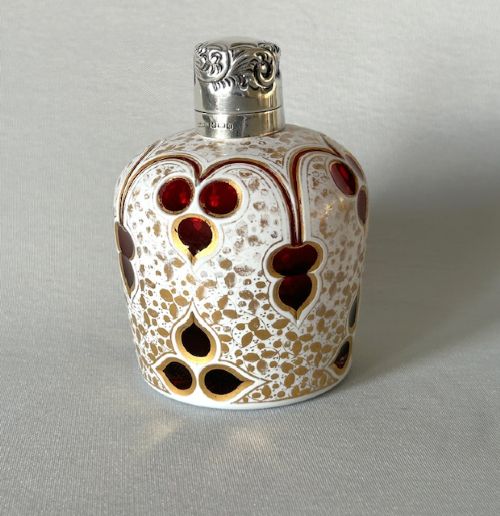
Glass bodies were formed using mould-blown techniques before receiving deep hobnail or geometric cutting by hand. Coloured varieties, notably cranberry and satin glass, derived their hues from specific mineral additions during melting.
Mounts and lids relied on traditional silversmithing methods, including stamping, piercing, and casting. Enamel elements were painstakingly fused to metal bases, while sterling silver components often received hallmarks indicating assay office origins and dates.
Listings feature materials spanning cut glass, sterling silver, enamel, and gold leaf, across forms like biscuit barrels and dressing table jars.
What Varies in Quality
Quality reveals itself in the crispness of the glass cutting and the weight of the metal mounts. Superior pieces display deep, sharp facets that refract light clearly, alongside substantial sterling silver lids rather than thin silver plate.
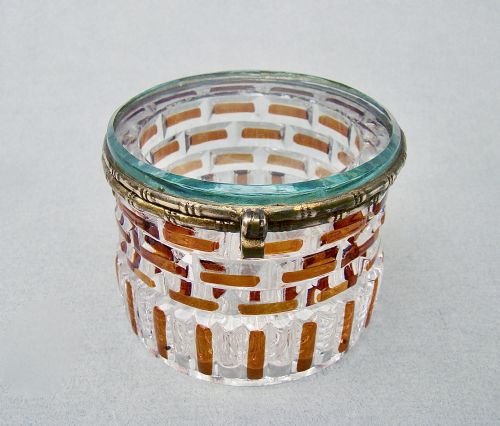
Artistic collaboration elevates certain items, particularly when makers incorporate tortoise shell, fine guilloché enamel, or specialised glass types such as amber and cranberry overlays. The integration between the glass body and its custom-fitted metal collar demonstrates the maker's precision.
Henry Clifford Davis·A. Bromet And Co·Hukin And Heath·Robert Pringle And Sons·Synyer And Beddoes
The Edwardian Glass Jar Glossary
- Guilloché enamel
- A decorative technique where an intricate mechanical pattern is engraved beneath a translucent enamel layer. It appears frequently on twentieth-century vanity and dressing table accessories.
- Hobnail cut
- A sharp, faceted glass-cutting pattern resembling the hobnails used on heavy boots. This style creates a tactile surface that catches light intensely.
- Cranberry glass
- A rich red glass created by adding gold chloride to the molten batch. It is characteristic of many Victorian and Edwardian decorative jars and biscuit barrels.
- Repoussé
- A metalworking method where the design is hammered into relief from the reverse side. This technique produces floral and scroll motifs on silver container lids.
- Apothecary jar
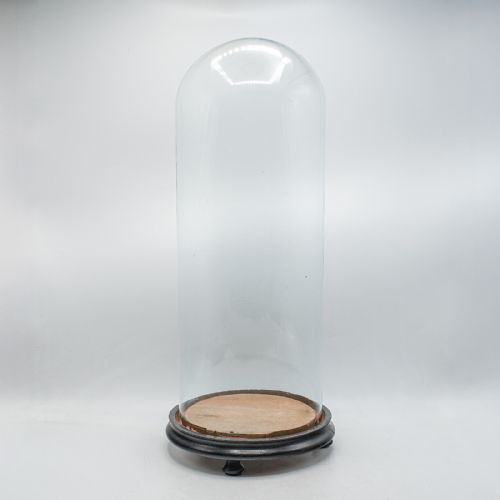
- A large glass vessel originally utilised by chemists and pharmacists for storing ingredients. Domestic adaptations from the period served decorative display functions.
Edwardian Glass Jar: Frequently Asked Questions
What were glass jars used for?
These jars served diverse domestic purposes ranging from serving biscuits and preserves at the dining table to storing cosmetics and perfumes on bedroom dressing tables.
Larger variants functioned as display containers or pharmacy storage, while smaller lidded pots held pins, trinkets, and vanity items.
How do I clean silver mounts?
Silver mounts require gentle cleaning with a soft cloth to avoid abrasive damage to the surrounding glass or delicate enamel panels.
Polish should be kept away from glass crevices and enamel surfaces to preserve the original finishes and structural integrity.
Are replacement lids common?
Original lids fit exact glass collars through bespoke pairing during initial manufacture, making replacement lids historically inconsistent.
Inspect the seating of the lid against the rim to ensure a correct and secure match to the body.
How do I distinguish Edwardian from Victorian pieces?
Victorian examples frequently display heavier, more ornate ornamentation alongside dense hobnail cutting and robust silver plating.
Edwardian items often introduce lighter aesthetic influences, including early Art Nouveau curves and brighter enamel colour palettes.