
Edwardian Glass Dish
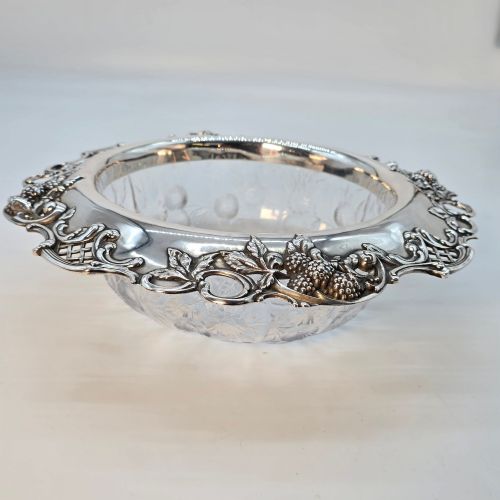
When you search for an edwardian glass dish, you find tableware and decorative vessels combining pressed or cut crystal with sterling silver and plate.
Edwardian Glass Dish
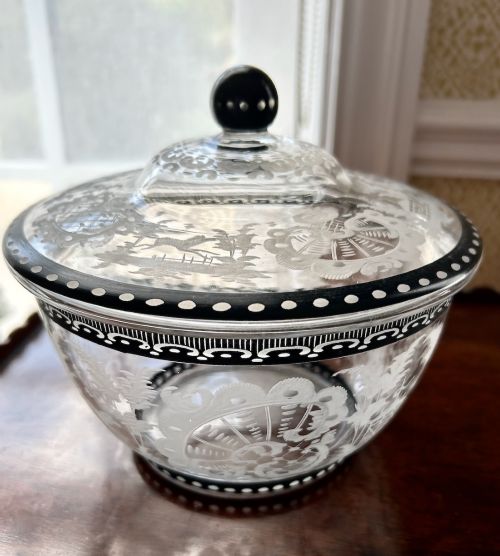
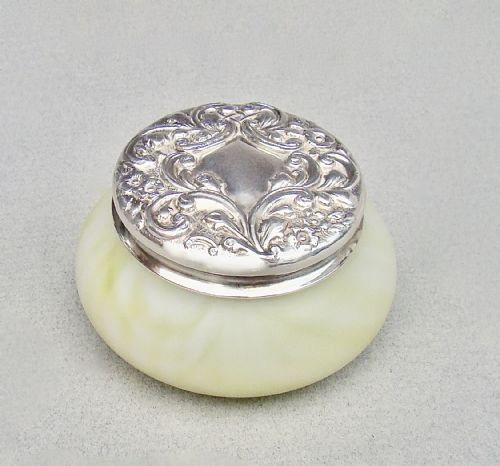
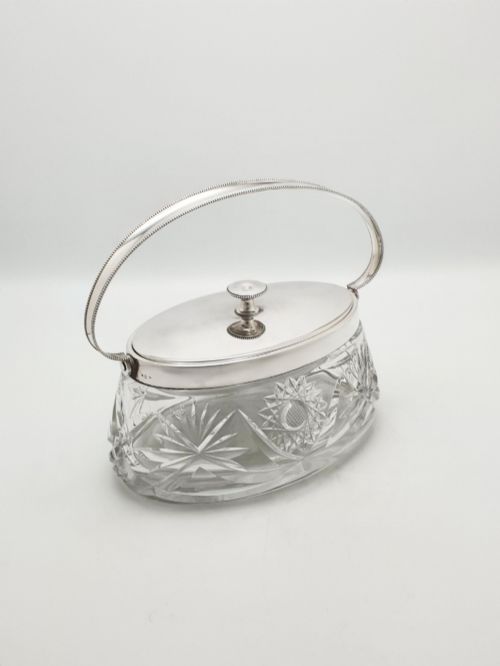
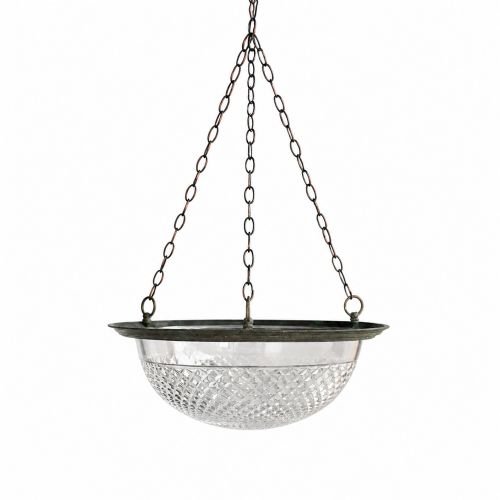
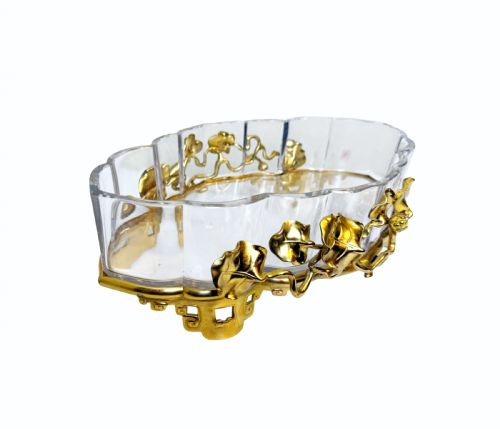
The term edwardian glass dish covers a range of tableware and vanity items produced around the turn of the twentieth century, frequently combining transparent or coloured vessels with metal mounts. The selection includes butter dishes, bonbon dishes, salt cellars, and lidded trinket boxes originating from English, French, and Continental workshops.
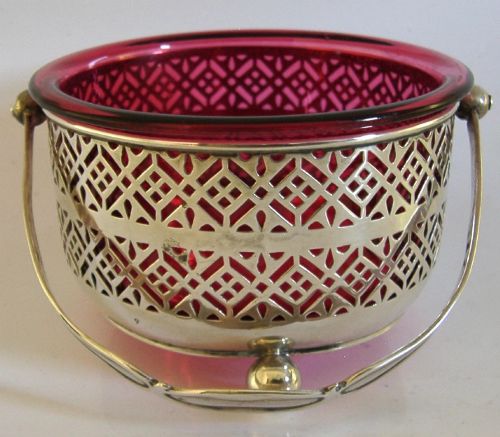
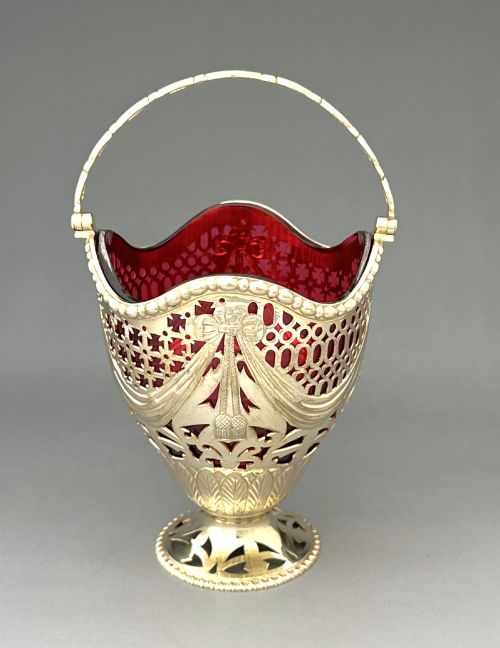
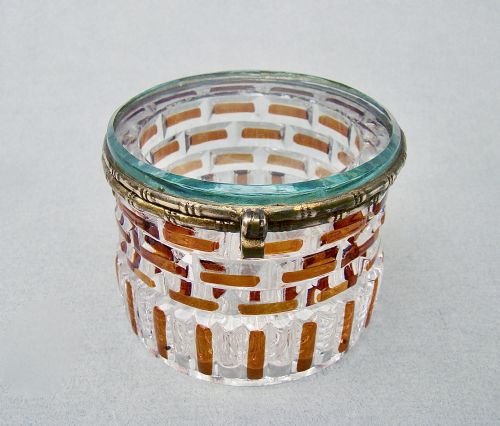
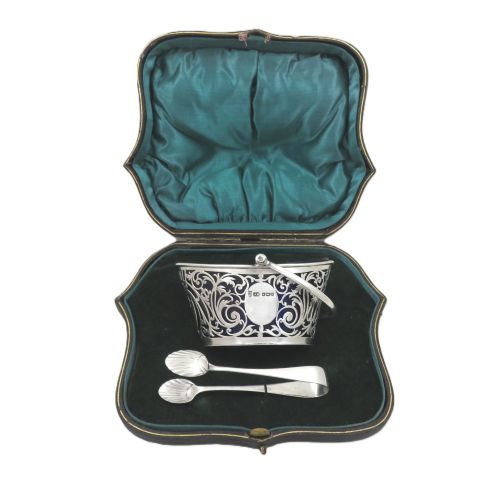
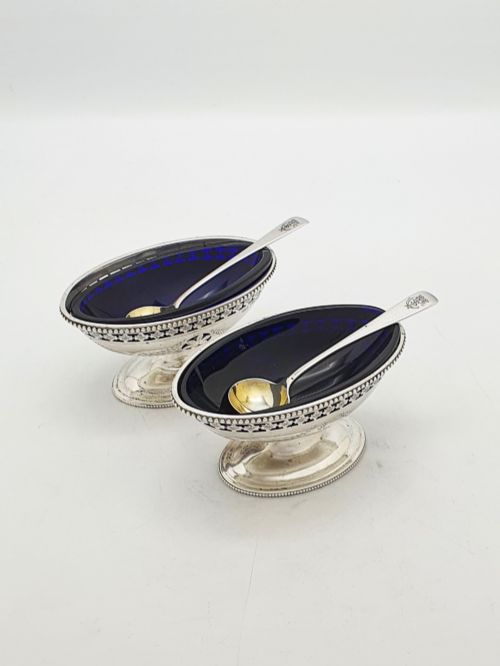
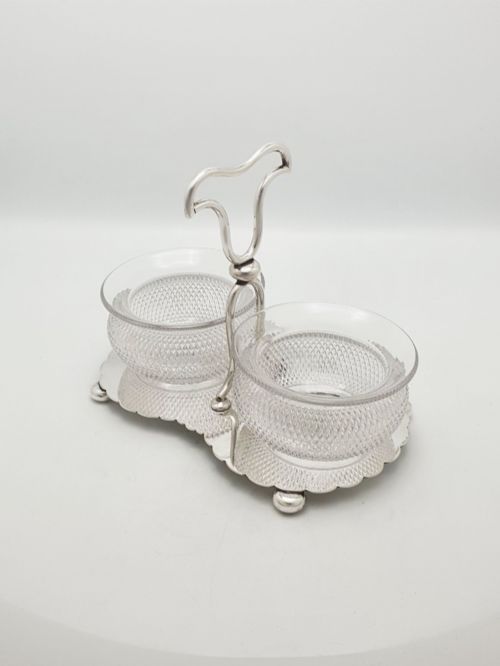
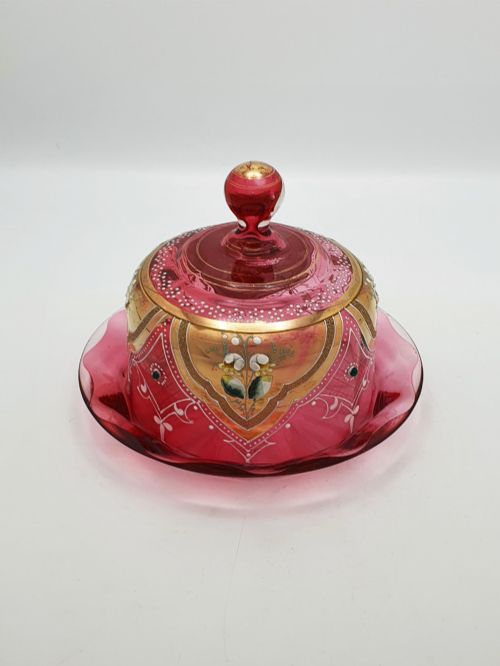
Many examples pair clear cut crystal or coloured glass with sterling silver or silver-plated frames, handles, and pierced galleries. Cranberry glass, vaseline glass, and amber glass insert liners appear often within pierced metal baskets and condiment stands.
Forms span utilitarian table vessels like jam pots and salt cellars alongside decorative centrepiece bowls and dresser boxes. Stylistic influences draw upon Edwardian elegance, Art Nouveau curves, and Arts and Crafts simplicity.
What varies in quality
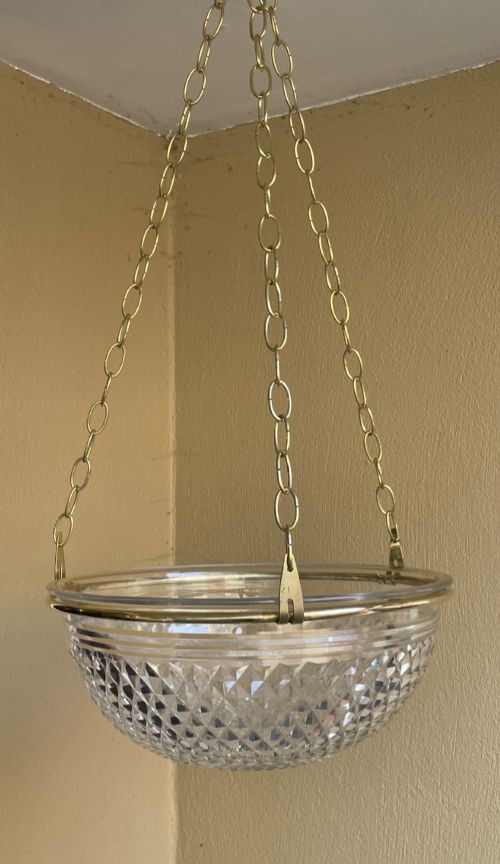
Quality rests upon the crispness of the glass cutting and the weight of the metal mount rather than size alone. Deep, hand-polished wheel cuts catch light sharply, whereas pressed moulding yields softer edges.
The harmony between the glass liner and its metal holder indicates original assembly, as does the thickness of the silver plating or the presence of solid sterling silver. Retaining matched spoons, original inner liners, and crisp hallmarks elevates a piece.
Listings feature items from the Edwardian period, Victorian era, and nineteen twenties, utilising cut glass, cranberry glass, and sterling silver.
A. Bromet & Co·Hukin and Heath·Tiffany & Co·WMF
The Edwardian Glass Dish Glossary
- Cranberry glass
- A transparent red glass produced by adding gold chloride to the molten batch, widely used for decorative bowls and liners during the period. It often appears in swing-handled baskets and condiment sets.
- Sterling silver
- An alloy containing 92.5 percent silver by mass, frequently utilised for the rims, lids, swing handles, and frames of fitted glass dishes. English pieces commonly display town marks and date letters.
- Silver plate
- A base metal, such as copper or Britannia metal, coated with a thin layer of pure silver. Manufacturers like WMF employed this technique for decorative stands, biscuit boxes, and baskets.
- Vaseline glass
- A transparent yellowish-green glass coloured with uranium oxide that glows under ultraviolet light. It appears in bowls and dishes mounted in silver-plated frames.
- Trinket box
- A small lidded container designed for a dressing table, often featuring a cut glass base and a silver or enamelled lid. These protect small personal items.
Edwardian Glass Dish: Frequently Asked Questions
How were glass dishes used in Edwardian homes?
These vessels served functional roles on dining tables and dressing surfaces. Butter dishes, jam pots, and salt cellars held provisions during formal meals, while lidded boxes stored small items on dressing tables.
Metal frames and baskets kept fragile glass secure while allowing contents to remain visible. Swing handles made passing dishes around a table straightforward during afternoon tea or dinner.
What is cranberry glass?
Cranberry glass is a pinkish-red transparent material created by introducing gold into the glass mixture while molten. It gained popularity for decorative tableware and liners throughout the late nineteenth and early twentieth centuries.
Craftsmen often paired this striking red glass with pierced silver-plated or sterling silver frames. The contrast between polished metal and rich red glass defined many table settings of the era.
How do I clean silver mounts on glass?
Silver mounts require gentle cleaning with a soft cloth and a specialised silver polish formulated to avoid abrasive scratching. Care must be taken to prevent harsh liquids from seeping between glued or fitted metal collars and the glass body.
Removable glass liners should be washed separately in warm soapy water. Keeping metal polish away from vulnerable glass surfaces preserves the finish of both materials.
How can I date an Edwardian glass dish?
Dating relies primarily on hallmarks stamped into any silver components, which indicate the assay office, standard, and year of manufacture. English pieces often feature date letters corresponding to specific years between the late Victorian era and the First World War.
Stylistic cues also help narrow the period, as Art Nouveau curves and specific glass colours align closely with production trends around nineteen hundred. Maker marks provide additional reference points for archival verification.