
Edwardian Gilt Porcelain
Edwardian gilt porcelain pieces bring luminous gold and hand-painted detail to a room, offering both decorative presence and the refined craftsmanship of the early twentieth century.

Edwardian Gilt Porcelain
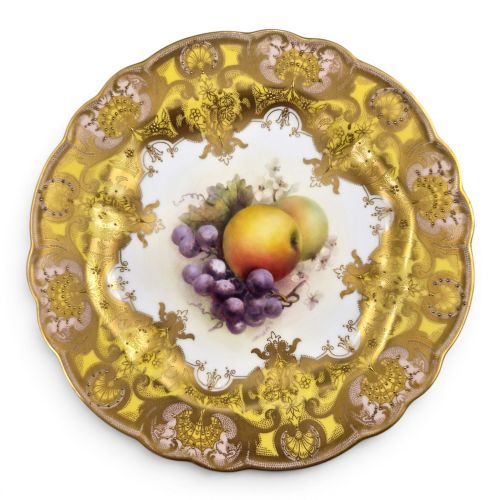
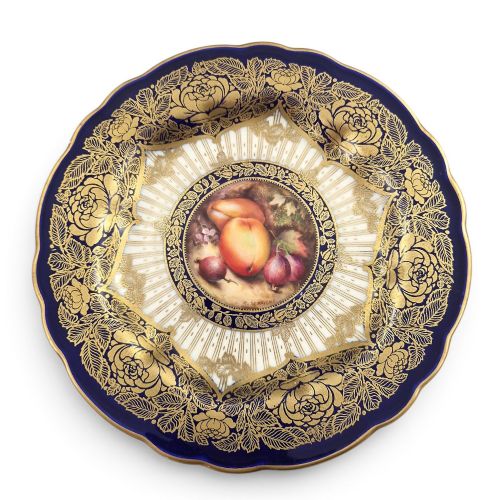
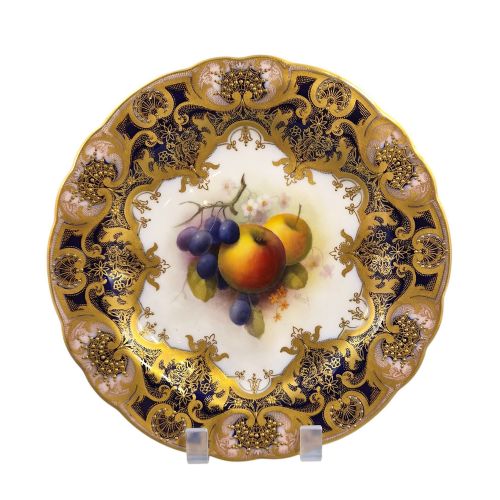
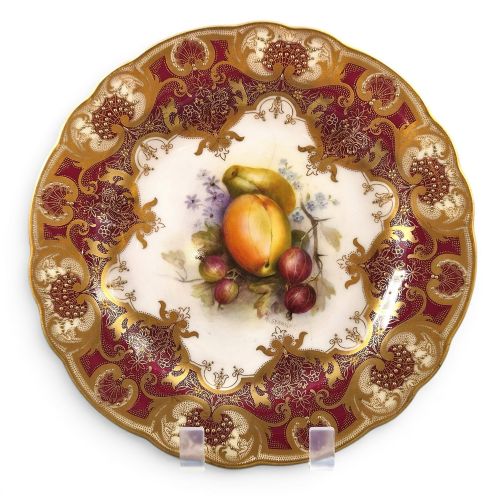
Edwardian gilt porcelain encompasses ornamental and functional ceramic items produced around the turn of the twentieth century, combining bright white bodies with generous application of gold leaf and enamel. Cabinets plates, decorative vases, and tea wares dominate the selection, often carrying the marks of prominent English and continental potteries.
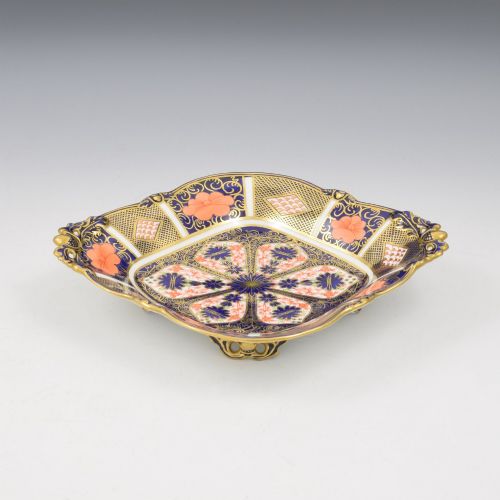
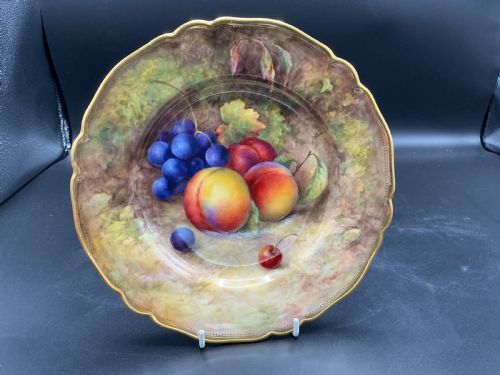
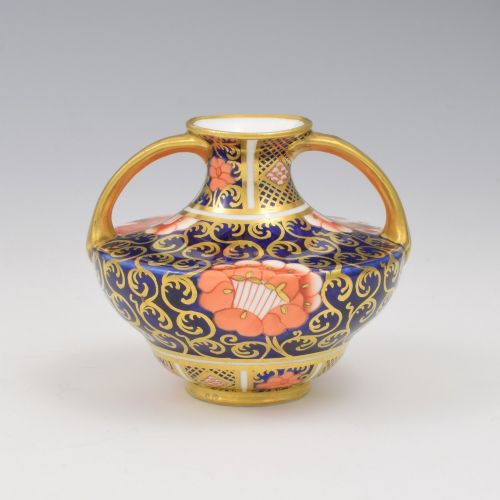
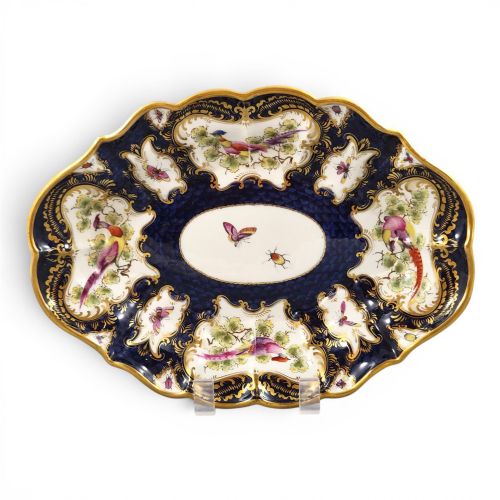
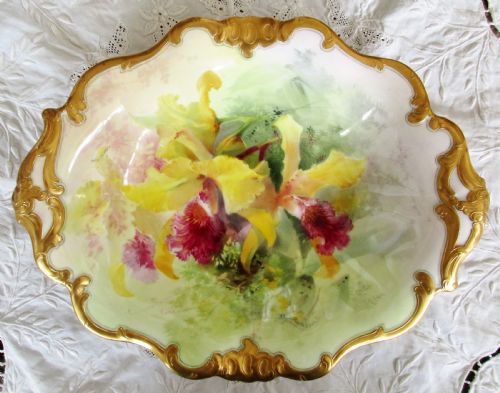
Makers of the period utilised traditional forms influenced by earlier revivals, resulting in scalloped dessert dishes, twin-handled vases, and cabinet plates painted with fruit or floral sprays. These items bridge the gap between high Victorian ornamentation and cleaner twentieth-century tastes.
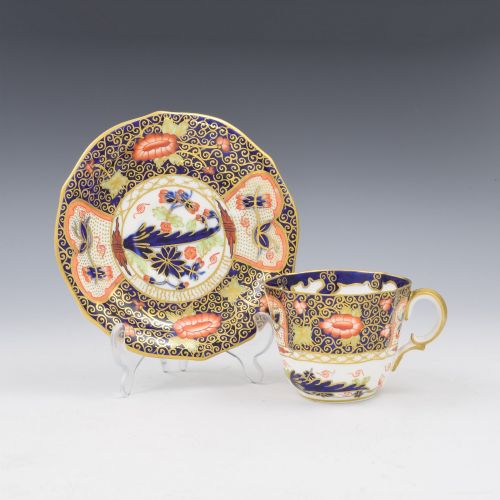
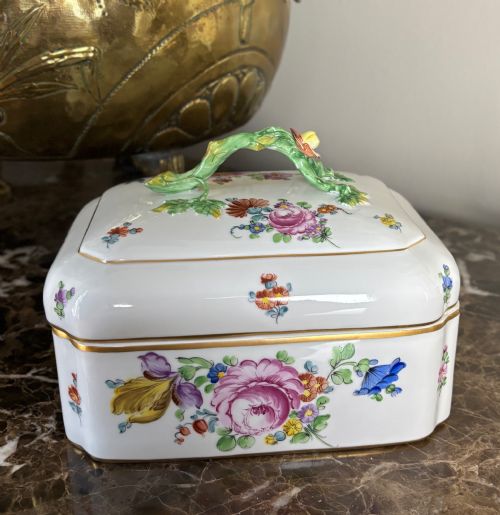
The objects available range from small cabinet pieces and coffee cups to larger decorative bowls and covered vases, frequently featuring gilded rims and intricate hand-painted central panels signed by notable ceramic artists.
Materials and Techniques
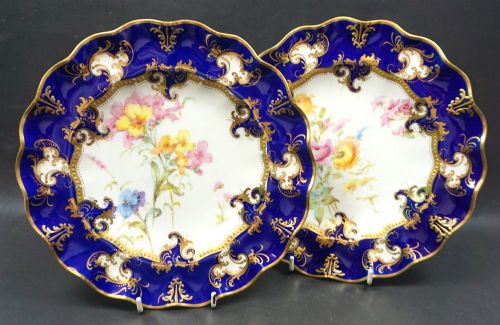
Manufacturers relied on fine bone china and porcelain bodies, shaped either by casting in moulds or throwing on a wheel before undergoing initial kiln firing. Once the basic form was set, artisans applied ground glazes and vibrant enamels to create the base colour schemes, such as cobalt blue scales or ivory grounds.
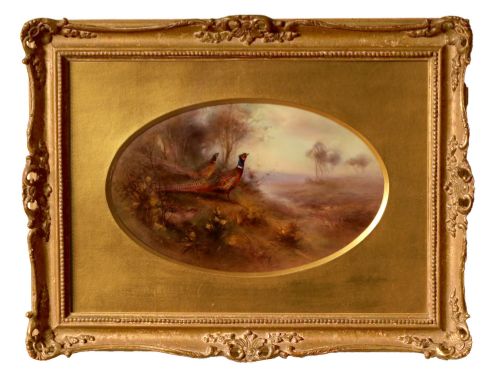
Gilding was applied by hand using gold leaf or liquid gold preparations, which required a subsequent low-temperature firing to bond the metal permanently to the glazed surface. Skilled painters then executed detailed naturalistic scenes over the glaze, working with fine brushes to render botanical and avian subjects.
Expect painted birds with remarkably stern expressions staring out from gold-gilded rims.
Assessing Quality
Quality rests upon the skill of the hand-painting and the crispness of the gilt work rather than the mere presence of gold accents. Pieces featuring signed work by recognised decorators demonstrate superior artistic investment compared to factory-standard transfer prints.
The weight of the porcelain body, the evenness of the glaze without pitting, and the complexity of the moulded handles or borders distinguish standard utility items from top-tier exhibition pieces commissioned for display.
Royal Crown Derby·Royal Worcester·Royal Doulton·Coalport·Wedgwood·Mason
The Edwardian Gilt Porcelain Glossary
- Bone China
- A type of soft-paste porcelain composed of bone ash, feldspathic material, and kaolin, providing a high degree of translucency and strength. It became the standard medium for fine British tableware and decorative items.
- Gilding
- The decorative application of gold leaf or powdered gold to the surface of porcelain. This technique creates metallic borders and highlights that frame painted scenes.
- Imari
- A decorative style originating in Japan characterised by deep cobalt blue, iron red, and extensive gold details. British potteries adopted this palette widely during the Edwardian period.
- Blush Ivory
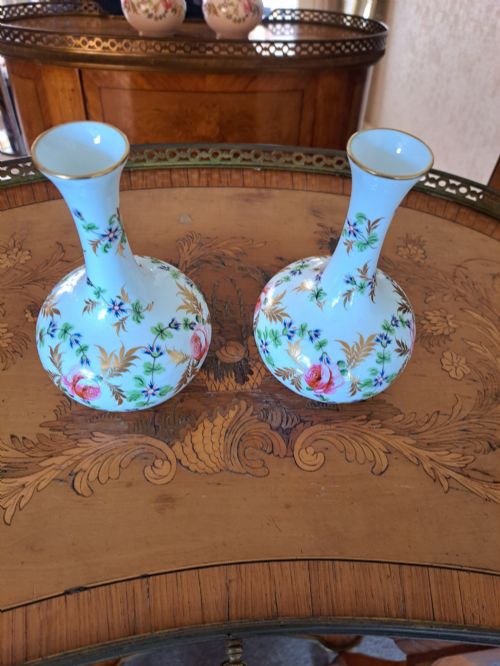
- A specialised ceramic ground developed by Royal Worcester featuring a soft, creamy matte finish that mimics ivory. It served as a popular background for delicate hand-painted floral sprays.
Edwardian Gilt Porcelain: Frequently Asked Questions
Can I use these plates for dining?
Most antique cabinet plates and decorative dishes are intended primarily for display rather than daily dining use, as cutlery can scratch the overglaze enamel and wear away the fine gilding.
If you do use them for special occasions, wash them by hand immediately after use and keep them away from modern automated dishwashers and microwaves.
How do I identify the date of a piece?
Look closely at the base of the ceramic for printed manufacturer marks, pattern numbers, and specific factory cipher systems that correspond to production years.
Many prominent potteries used dots, symbols, or numerical codes beneath their standard crests to indicate the exact decade or year of manufacture.
What is the difference between transfer printing and hand-painting?
Hand-painted items feature individual brushstrokes, subtle variations in colour depth, and artist signatures, making every piece a unique work of fine art.
Transfer printed designs rely on mechanically applied patterns that show uniform dot matrices or repeating lines under magnification, lacking the organic texture of brushwork.