


Edwardian Games Box
An Edwardian games box brings parlour entertainment into focus, offering fitted compartments for cards, chess and counters in polished woods.

Edwardian Games Box
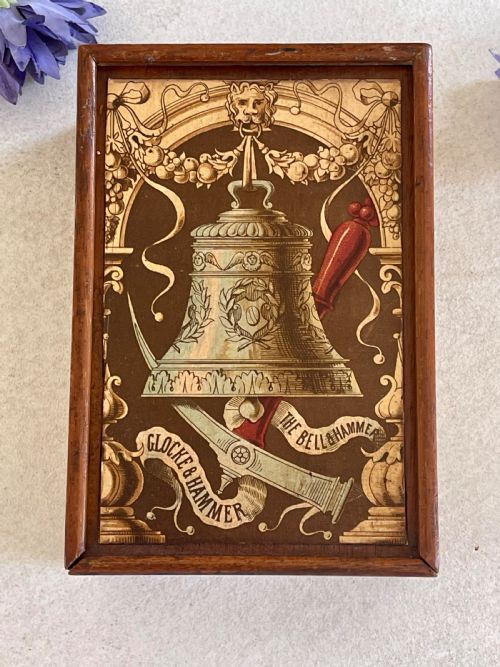
An Edwardian games box serves as a portable cabinet for evening pastimes, housing playing cards, chess pieces and counters within fitted wooden compartments. These pieces emerge primarily from the Edwardian period and the late nineteenth century, reflecting the social habits of domestic entertaining.
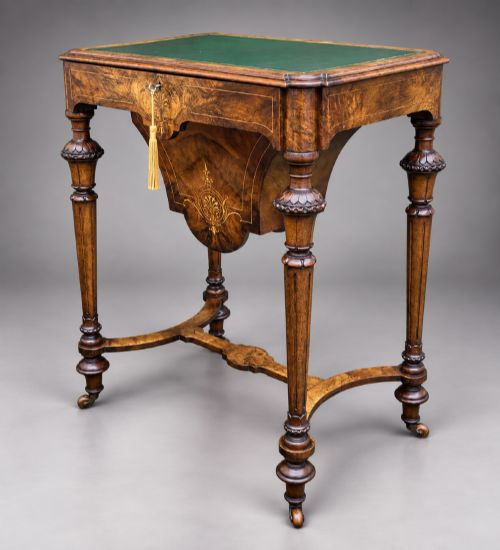
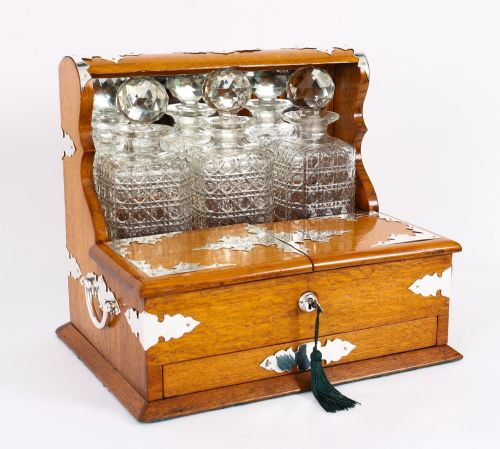
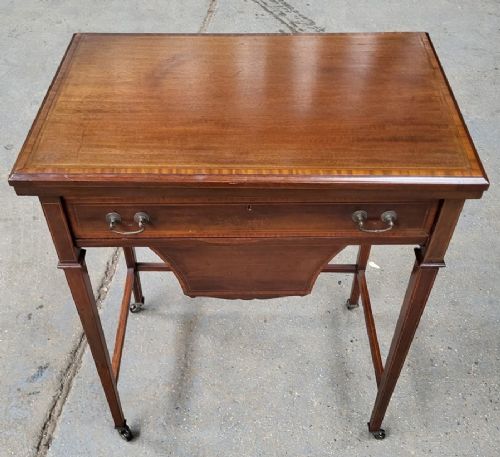
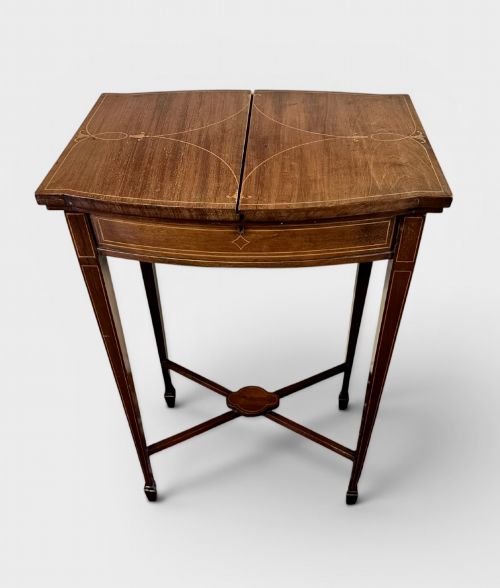
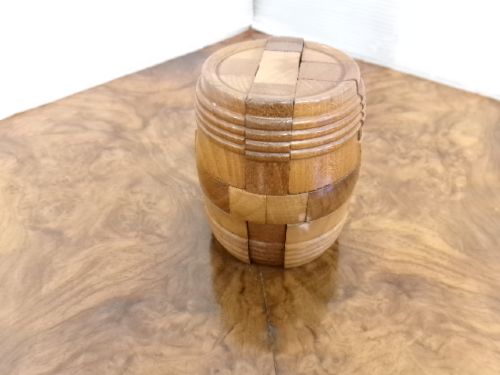
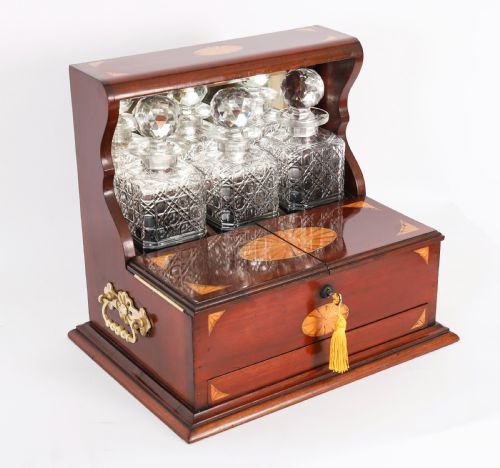
The versions most commonly met on this page range from small card caskets in mahogany or walnut to larger compendiums combining tantalus frames, cribbage boards and chess sets. Alongside dedicated boxes, the selection includes related parlour amusements and folding game tables.
Makers utilised various timbers and decorative techniques, employing boxwood, satinwood and marquetry inlay to finish lids and interiors. Each box balances utilitarian storage with polished craftsmanship suited for a drawing room table.
Materials and construction
Cabinet makers constructed these boxes using solid and veneered hardwoods such as mahogany, oak, rosewood and walnut, often applying satinwood stringing or intricate marquetry to lid surfaces. Interiors rely on precision-cut wooden partitions lined with baize or velvet to secure cards and gaming pieces.
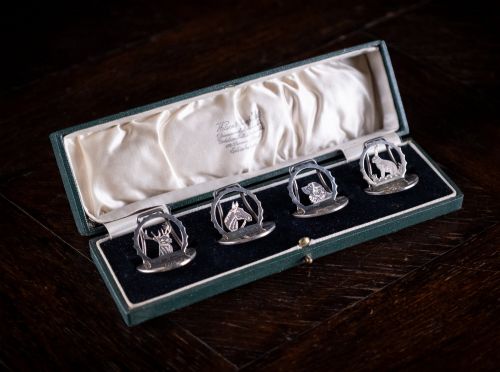
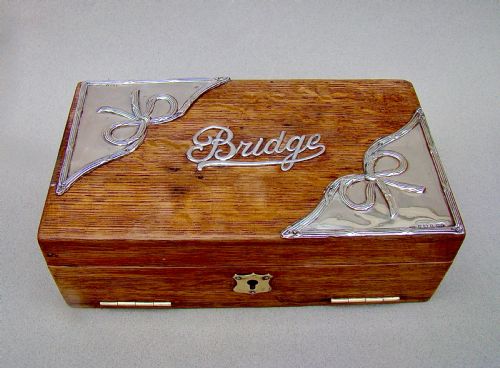
Metal mounts in sterling silver, silver plate and brass provide structural reinforcement and decorative corner guards, frequently bearing hallmarks from regional assay offices. Playing components utilise carved boxwood, ebony, bone and leather, combining durability with tactile weight.
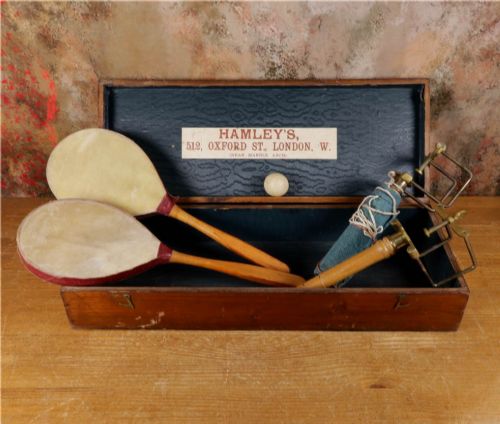
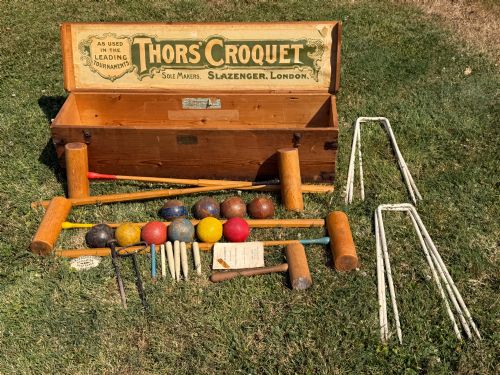
The inventory combines card caskets, chess sets, croquet equipment and tantalus dry bars.
Assessing craftsmanship and finish
Quality rests in the precision of the internal partitioning and the integrity of the timber joints, where dovetailed corners and matched wood veneers distinguish superior workshop production. The sharpness of carved detail on chess sets and the quality of cast silver mounts further elevate a piece.
Comprehensive completeness determines the standing of a compendium, as original fitted counters, score markers and intact keys indicate careful preservation. Lesser examples show mismatched components or replacement linings that alter the original internal layout.
Jaques & Hamleys Gossima·A. Wilcox·Levi & Salaman·Slazenger·A.W.Gamage·F.H.Ayres Ltd·British Chess Company·Nelson and Drake
The Edwardian Games Box Glossary
- Compendium
- A multi-game box housing equipment for several pastimes such as chess, draughts and cribbage in one container. These fitted cabinets often include folding boards and removable trays.
- Tantalus
- A locking wooden frame holding decanters of spirits, frequently integrated into larger games compendiums. The mechanism prevents access to the bottles without a key.
- Marquetry
- The art of applying decorative veneer pieces to a wooden surface to form geometric or floral patterns. Edwardian examples often feature contrasting light and dark timbers.
- Staunton
- A standard design of chess pieces created in the mid-nineteenth century, characterised by heavily weighted bases and conventionalised symbols. It remains the professional standard for tournament play.
- Cribbage box
- A specialised wooden container featuring a sliding lid and drilled scoring tracks on the exterior surface. These boxes store cards and pegs for playing the traditional card game.
Edwardian Games Box: Frequently Asked Questions
What games were played with these boxes?
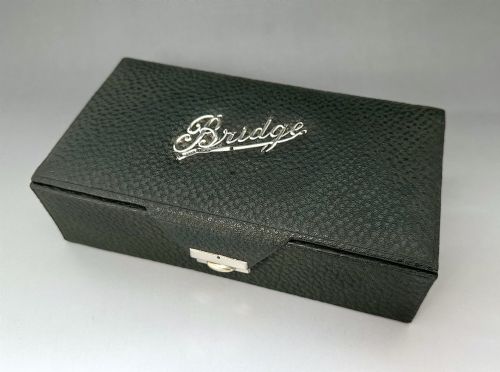
Edwardian games boxes typically contained equipment for chess, draughts, whist, bridge and cribbage. The fitted compartments held scoring pegs, dice, card decks and counters tailored for evening parlour entertainment.
Larger compendiums expanded these options further, incorporating folding boards and miniature skittles or croquet sets. The variety reflects the diverse social pastimes popular in middle and upper-class households.
How are periods told apart?
Victorian boxes often favour heavy rosewood or burr walnut with robust brass escutcheons and deep carving. Edwardian pieces tend to display lighter satinwood inlays, cleaner geometric lines and sterling silver mounts bearing early twentieth-century hallmarks.
Materials and decorative motifs also shift across decades, moving from ornate nineteenth-century revival styles to simpler Edwardian cross-banding and later Art Deco influences.
Were these boxes used while travelling?
Many smaller card caskets and bridge boxes were designed for portability, allowing hosts to transport entertainment between country houses. Fitted interiors ensured loose counters and cards remained secure during transit.
Larger compendiums and tantalus combinations, however, functioned as permanent fixtures on sideboards or drawing room tables rather than travel luggage.
How should wood surfaces be maintained?
Polished mahogany, oak and walnut require minimal intervention beyond dusting with a dry, soft cloth to preserve the natural wax finish. Harsh chemical cleaners or excessive moisture will damage delicate veneers and inlaid stringing.
Silver mounts benefit from occasional gentle cleaning with a specialised cloth to remove tarnish without abrading the surrounding timber.