
Edwardian Furniture Display Cabinet
An edwardian furniture display cabinet brings architectural glass and fine timber into a room to hold porcelain and books.
Edwardian Furniture Display Cabinet
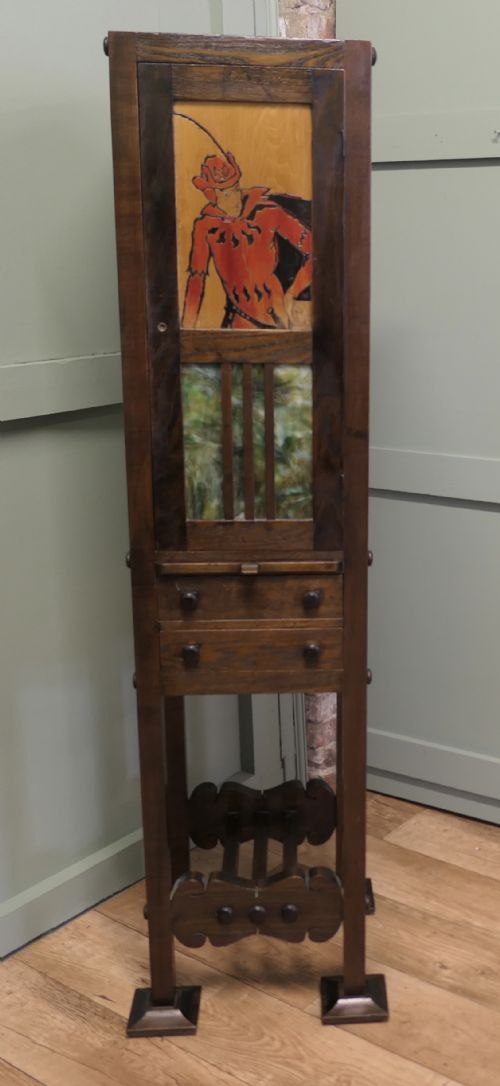
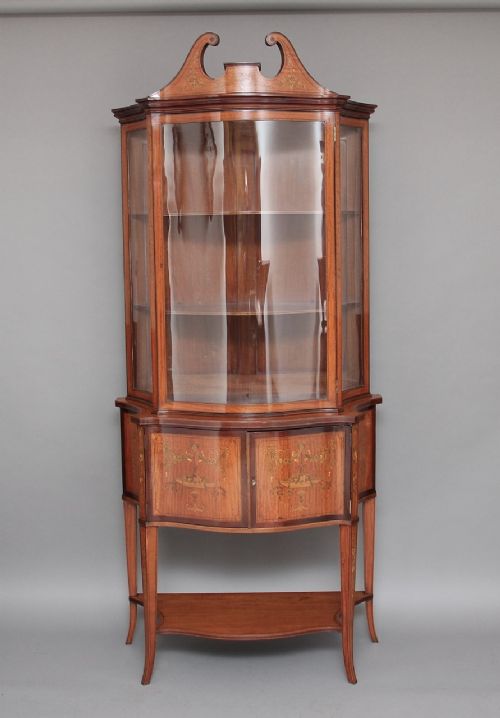
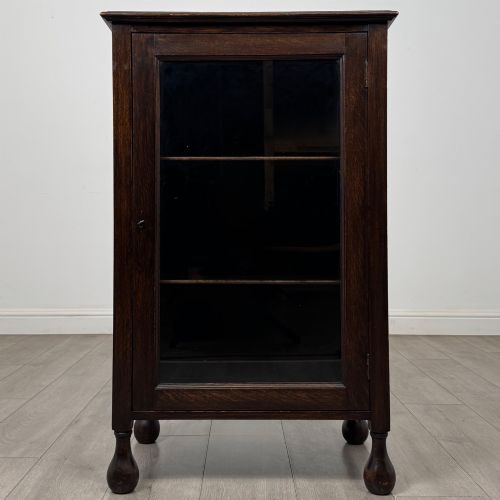
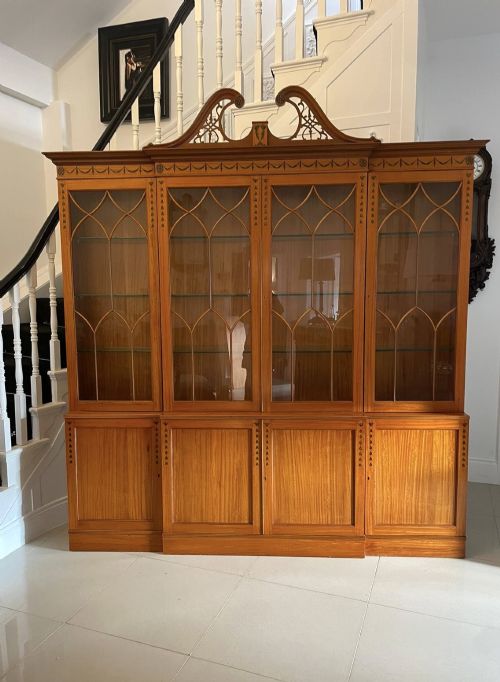
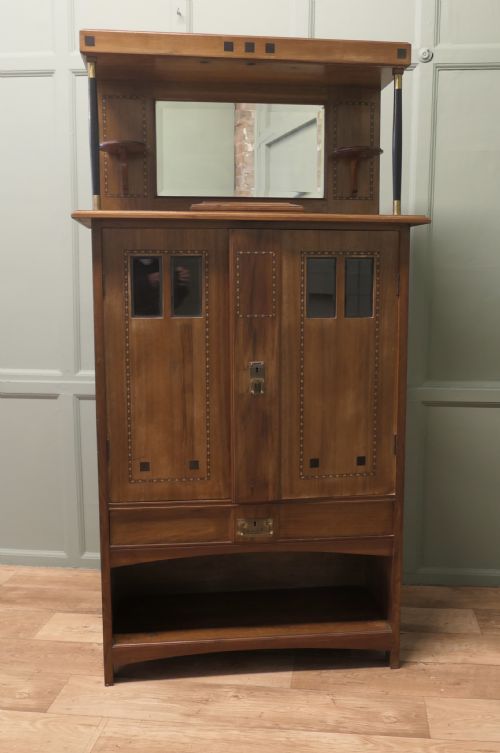
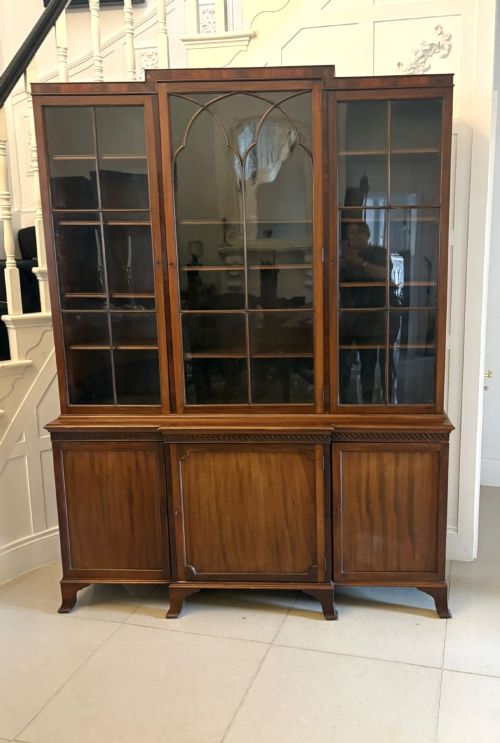
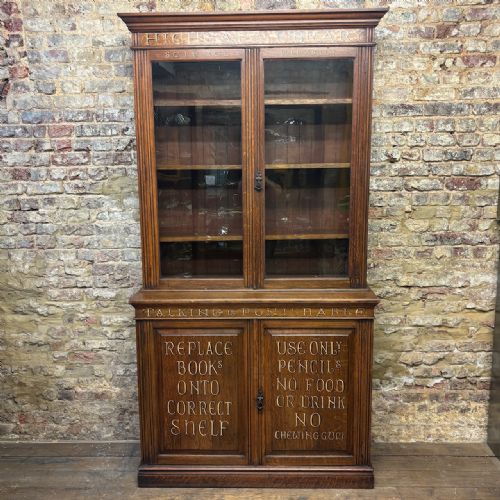
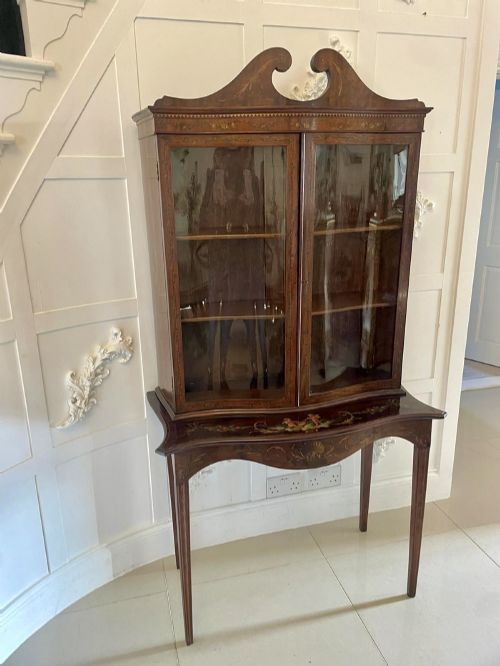
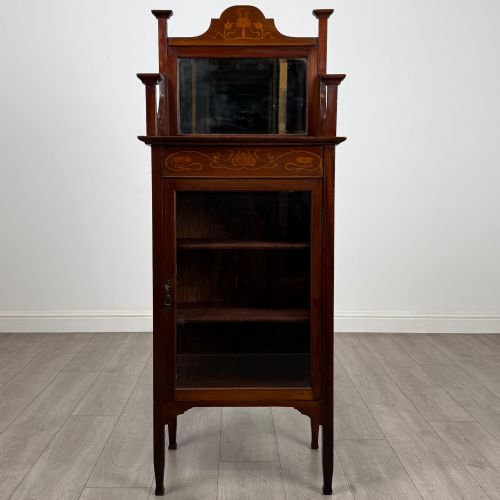
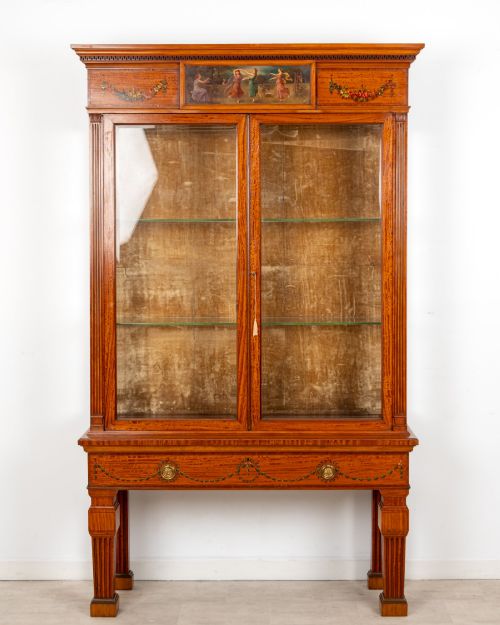
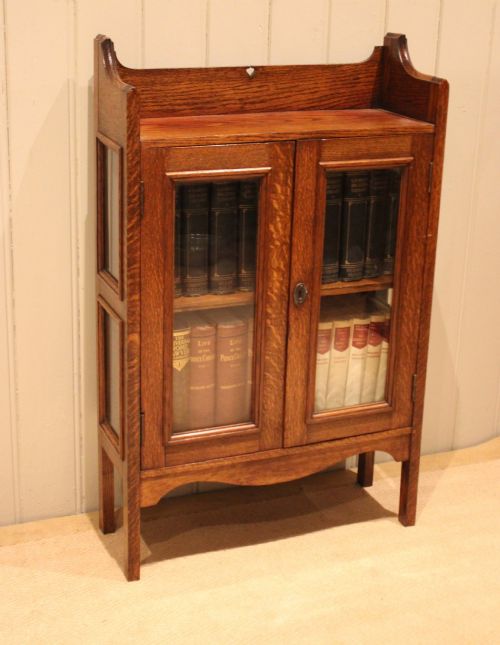
An edwardian furniture display cabinet serves to showcase treasured items behind glass panels while keeping them protected from dust. These pieces draw on earlier Victorian forms and revival styles, ranging from compact corner units to large breakfront library bookcases.
The selections span the Edwardian era alongside late Victorian and early twentieth-century examples, utilising forms like the demi-lune cabinet, the vitrine, and the cocktail cabinet. Woods such as mahogany, satinwood, and oak dominate the construction, often enhanced by glazed doors and mirrored backs.
Variations in quality
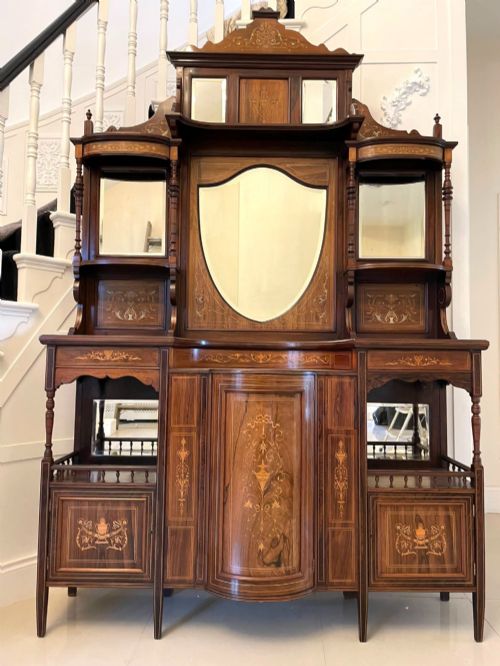
The distinction between standard pieces and exceptional examples rests in the selection of timber veneers and the precision of the cabinet work. Superior items display intricate hand-painted decoration, finely cut marquetry, and substantial brass hardware rather than stamped metal.
Makers known for high-end production contribute to the value of individual pieces through signed plaques or stamped drawer linings. The integrity of the original glass, the smoothness of drawer operation, and the balance of proportion separate utilitarian storage from superior decorative furniture.
The listings span multiple periods from the eighteenth century to the 1930s, with a strong concentration of Edwardian and late Victorian pieces.
Hampton & Sons, London·Edwards & Roberts·H. J. Hatfield & Sons·Maple & Co.·Shapland and Petter·Liberty & Co.·Wylie and Lochhead
The Edwardian Furniture Display Cabinet Glossary
- Vitrine
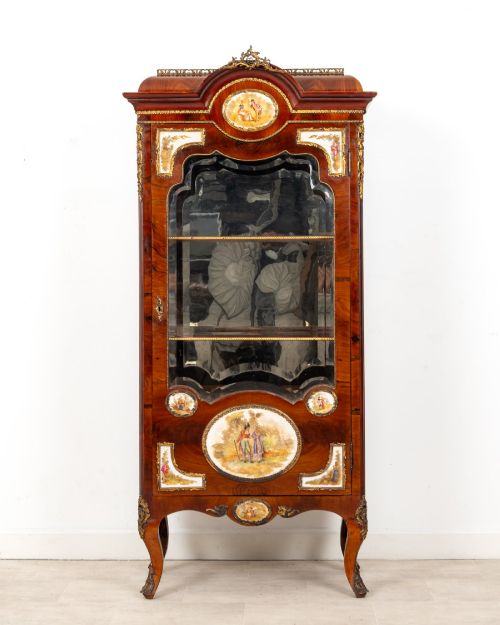
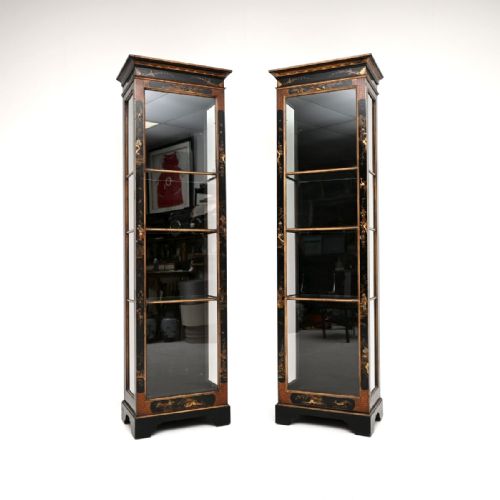
- A glass-fronted cabinet designed specifically for the display of porcelain and curiosities. These pieces often feature glass on the sides as well as the front to maximise visibility.
- Astral glazing
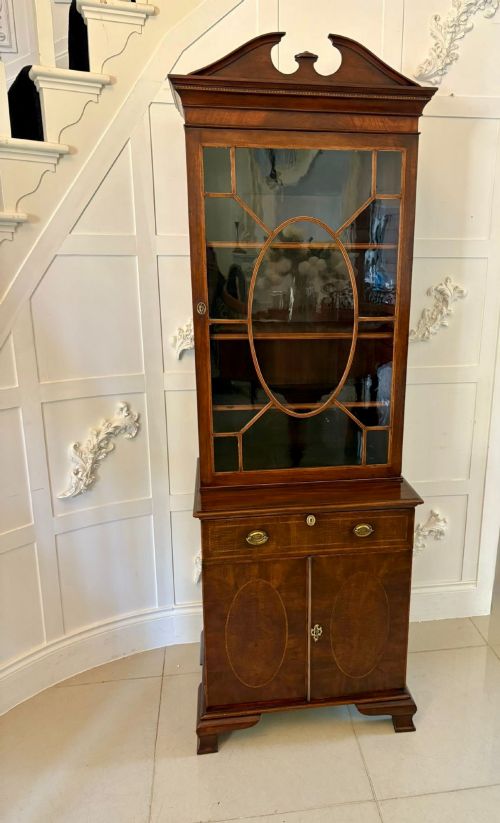
- A method of dividing glass panes using slender wooden bars arranged in geometric or decorative patterns. This technique originates in earlier centuries but appears frequently on Edwardian bookcases.
- Marquetry
- The art of applying pieces of veneer to a structure to form decorative patterns and pictures. Craftsmen utilise various coloured woods to create contrasting floral or architectural motifs.
- Breakfront
- A piece of furniture where the central section projects forward from the flanking wings. This architectural arrangement creates depth and visual interest in large library cabinets.
- Ormolu
- Gilded bronze mounts applied as decorative ornaments to furniture corners and feet. Makers utilised these metal additions to accent French-inspired or revival cabinets.
Edwardian Furniture Display Cabinet: Frequently Asked Questions
How do I place a display cabinet in a modern room?
Position the cabinet against a solid wall away from direct sunlight to protect timber finishes and interior fabrics. Ensure the floor level is even so the glazed doors hang true and close properly.
Allow enough clearance around the piece for opening doors and accessing shelves. Use the internal display space to balance heavy books with lighter porcelain objects.
What is the difference between an Edwardian and a Victorian cabinet?
Victorian cabinets generally employ heavier timbers like rosewood and burr walnut with dense, dark finishes and deep carving. They reflect an ornate aesthetic focused on substantial presence and rich grain patterns.
Edwardian pieces often feature lighter woods such as satinwood and mahogany, frequently with painted decoration or satin finishes. The overall design leans toward lighter proportions and revival styles like Sheraton and Chinoiserie.
Can I adjust the shelves inside these cabinets?
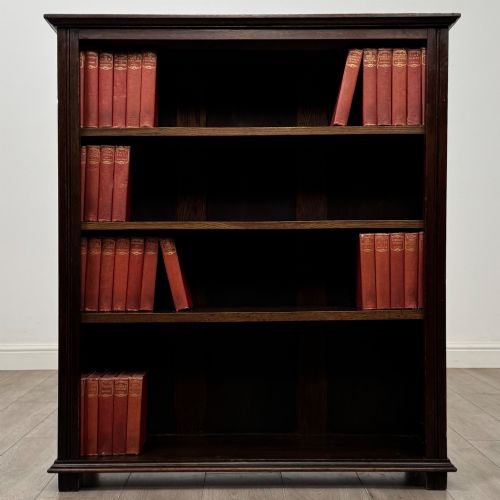
Many older cabinets feature fixed wooden shelving grooved into the interior carcase during original construction. Altering shelf heights requires professional carpentry intervention to maintain structural stability.
Some later or larger library cabinets utilise rack-and-pinion or wooden peg systems for shelf adjustment. Check the interior supports before arranging taller items inside.
How should I clean the glass and wood surfaces?
Dust timber surfaces regularly with a soft, dry cloth to prevent dirt accumulation on polished veneers and inlay. Avoid silicone-based polishes which can damage historic lacquer and wax finishes over time.
Clean glass panels with a mild glass cleaner applied to a cloth rather than sprayed directly onto the surface. This prevents moisture from seeping into the surrounding wooden frame or painted decoration.