
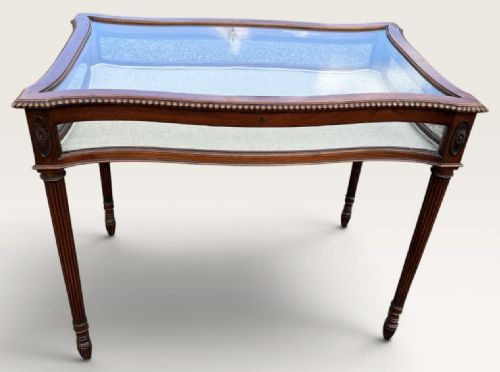
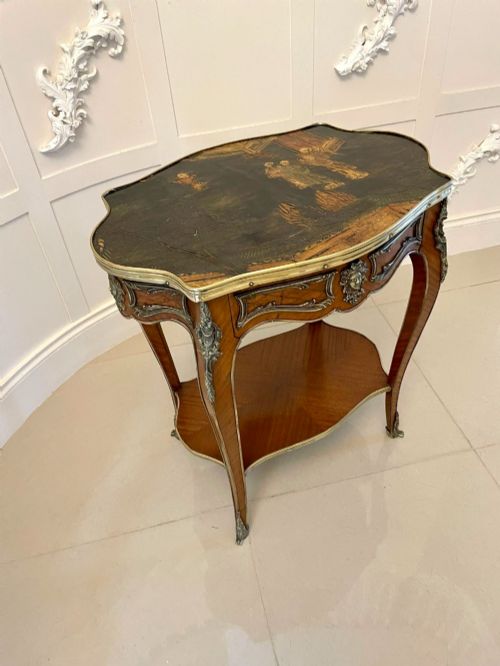
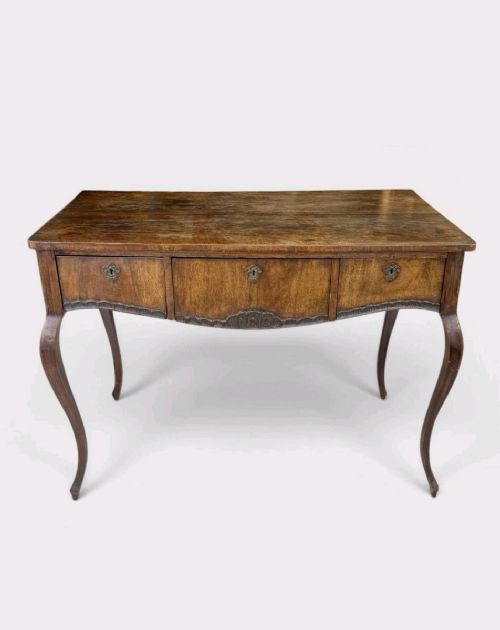
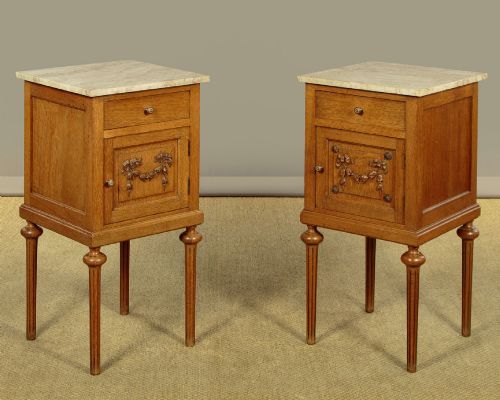
Edwardian French Style Table
When you search for an edwardian french style table, you encounter pieces drawing on continental revivals from periods spanning the late nineteenth and early twentieth centuries.
Edwardian French Style Table
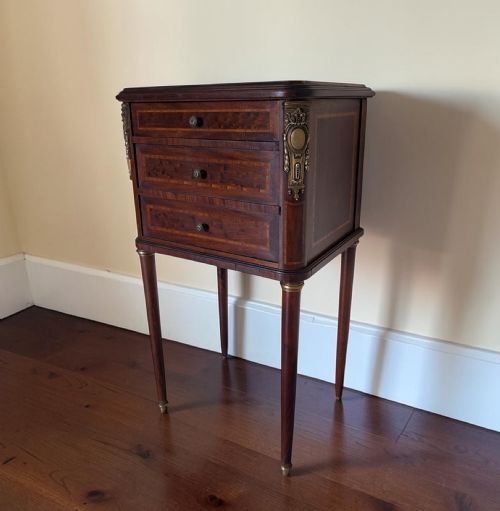
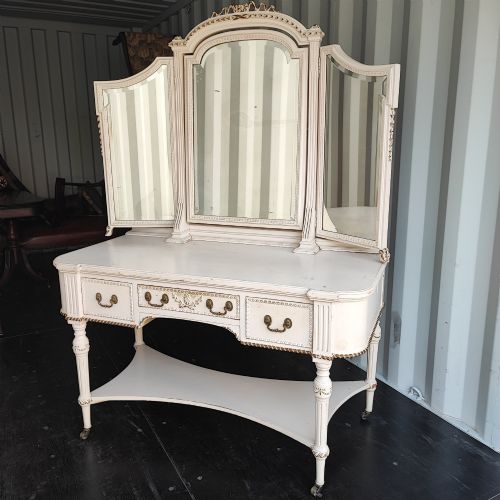
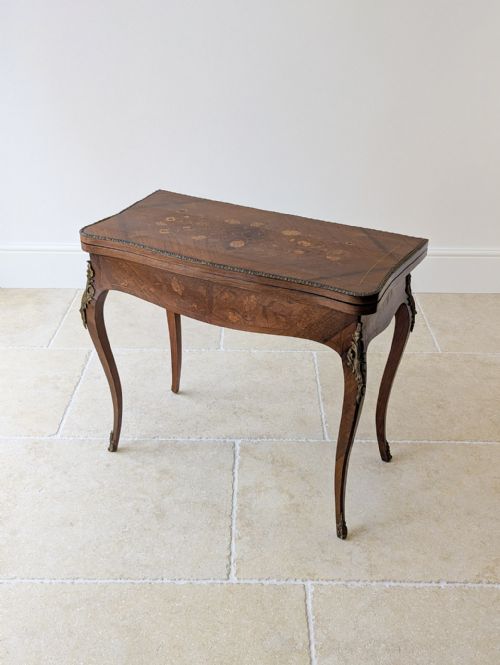
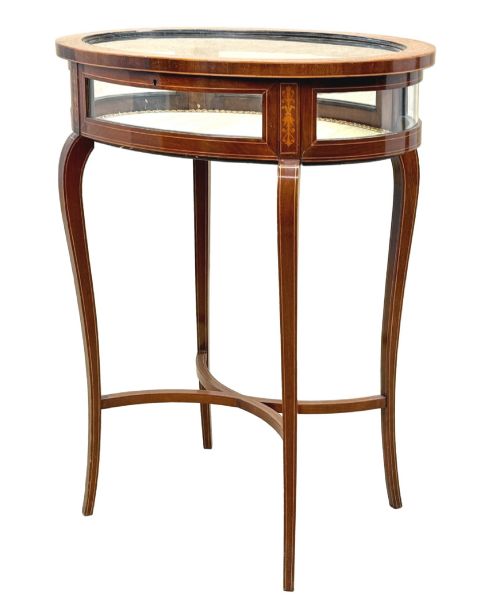
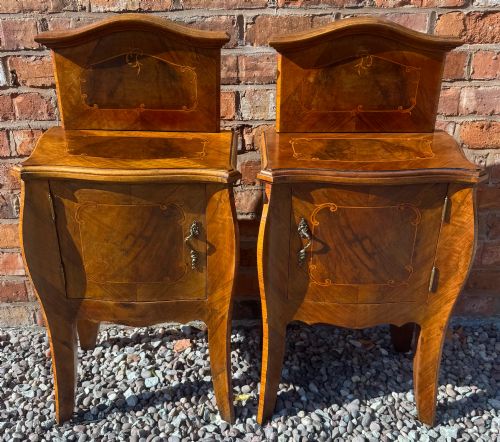
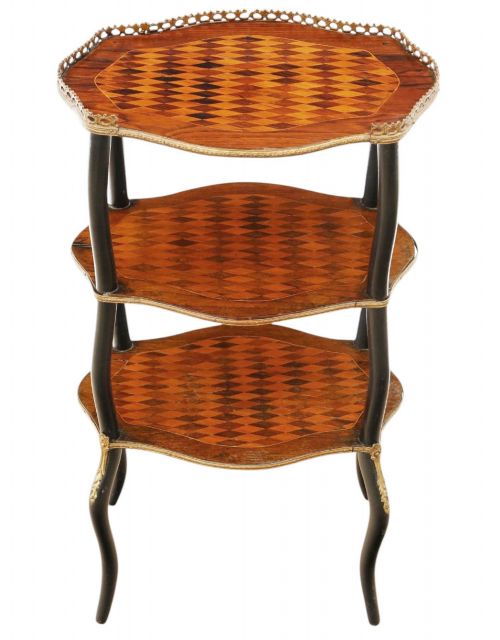
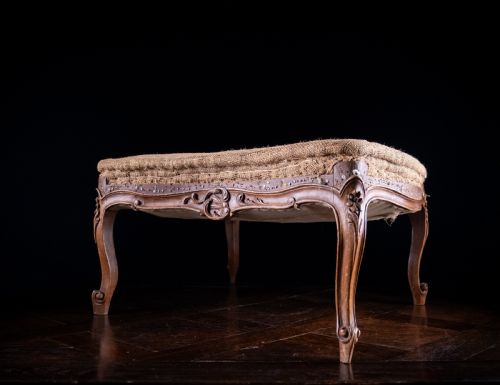
An edwardian french style table encompasses forms such as occasional tables, bijouterie display tables, console tables, and writing desks produced during the Edwardian era and surrounding decades. These pieces channel earlier continental aesthetics, frequently adopting the curves of Rococo Revival or the symmetry of Louis XVI style.
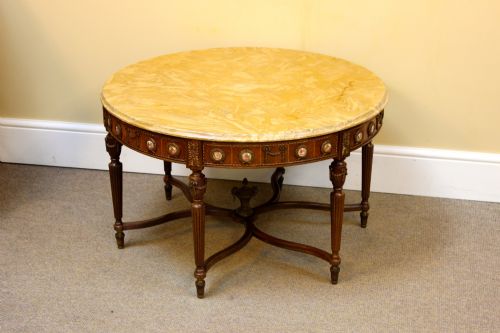
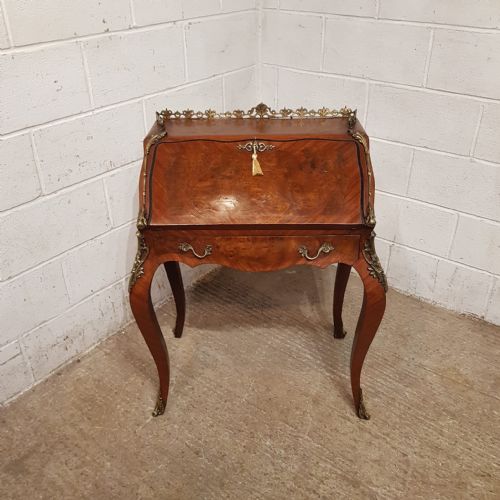
The selection ranges from mahogany and kingwood centre tables to marble-topped coffee tables and walnut bonheur du jour desks. Many of these items reflect British interpretations of French cabinet-making traditions popular in fashionable homes around nineteen hundred.
Makers and workshops combined domestic utility with continental decorative schemes, resulting in functional furniture designed for display or reception rooms. Buyers meet various formats, from compact bedside cabinets to large freestanding centre tables.
How they were made
Craftsmen utilised foundational timbers such as mahogany, walnut, oak, and exotic veneers like kingwood and satinwood, often applying marquetry and parquetry patterns. Structural frames support decorative surfaces, while structural integrity relies on traditional joinery methods appropriate for each form.
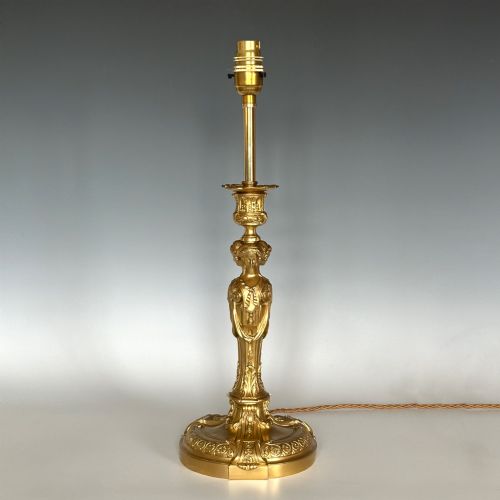
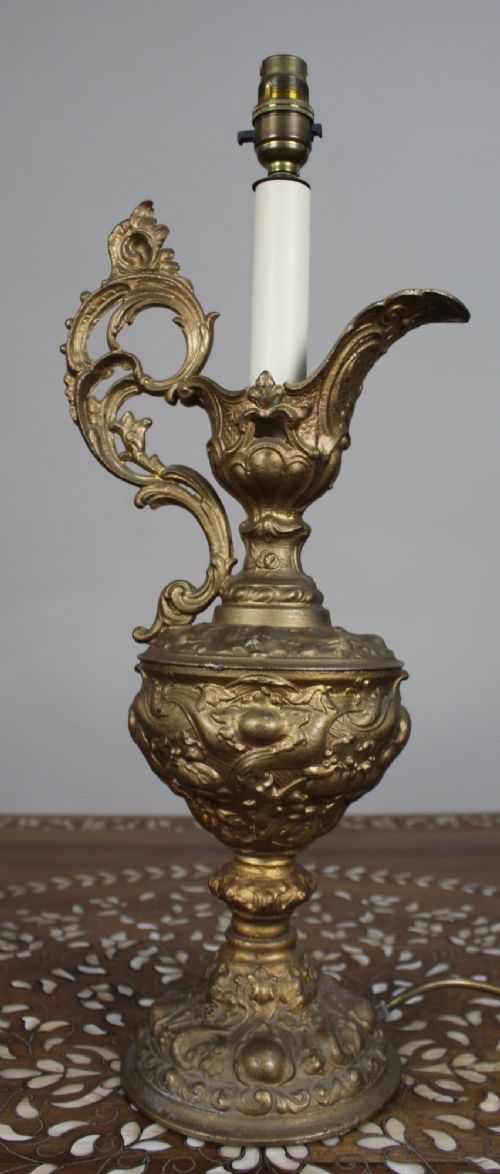
Gilt metal, ormolu mounts, and brass detailing embellish many pieces, echoing French prototypes from earlier centuries. Marble tops feature on console tables and commodes, secured to wooden carcases designed to bear the heavy weight of stone.
Surface treatments involve polishing and ebonising timber, alongside applied original paint where specified. Metal components receive cast or chased ornamentation before attachment to the wooden frames.
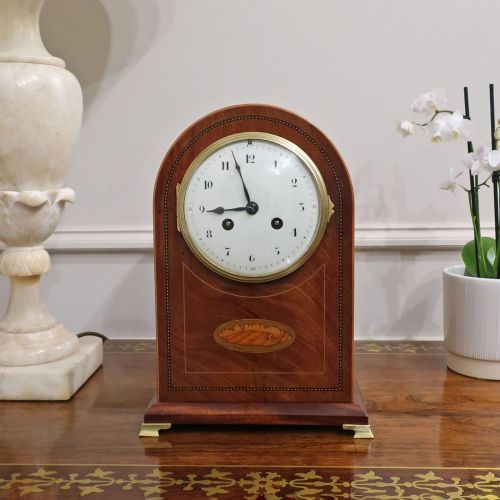
The inventory records multiple stylistic revivals, including Rococo, Louis XV, Louis XVI, and Empire styles applied to tables and clocks.
What varies in quality
The sophistication of the marquetry and the choice of veneers distinguish standard production from superior examples. Skilled execution in parquetry patterns and finely cast ormolu mounts elevate a piece above simpler variants.
Proportion and the handling of revival styles determine visual success, where balanced proportions reflect the maker's competence. Solid timber framing versus veneered softwood cores also separates workshop tiers.
Maples of London and Paris·Edwards and Roberts·François Linke
The Edwardian French Style Table Glossary
- Bijouterie table
- A glass-topped display table designed for small valuables and curiosities. These items often feature hinged lids and velvet-lined interiors.
- Ormolu
- Gilded bronze ornamentation applied to furniture and clocks. The technique involves mercury gilding on cast bronze elements.
- Marquetry
- Inlaid wood veneers forming decorative pictures or geometric patterns. Craftsmen cut contrasting timbers to fit precisely into a prepared ground.
- Bonheur du jour
- A light lady's writing desk featuring a small cabinet or set of drawers on the upper surface. This form originated in France during the eighteenth century.
- Etagere
- A set of open shelves for displaying ornaments or books. These tiered structures stand independently or attach to other furniture forms.
- Demi-lune
- A half-moon shape applied to console tables and commodes. Such tables fit flat against a wall while projecting forward in a curve.
Edwardian French Style Table: Frequently Asked Questions
What is a french style table?
These items are decorative tables produced in Britain or France during the late nineteenth and early twentieth centuries, adopting aesthetic codes from earlier continental reigns.
They emulate Louis XV and Louis XVI designs, incorporating curved cabriole legs, marquetry, and gilt metal mounts into domestic furniture.
How were marble top tables used?
Marble-topped tables served as console tables in hallways or drawing rooms, providing a durable surface for decorative objects and lamps.
The stone top offered resistance to moisture and wear compared to polished wood surfaces.
How do I identify an edwardian table?
Edwardian tables display construction methods typical of the early twentieth century, often combining machine-prepared timber with hand-finished details.
They frequently revive eighteenth-century French forms while utilising British domestic woods like mahogany and walnut alongside exotic veneers.
Where should I place a bijouterie table?
Bijouterie tables suit reception rooms or sitting areas where their glass tops allow guests to view displayed items.
Positioning them away from direct sunlight protects both the internal lining and the delicate veneers of the table itself.