


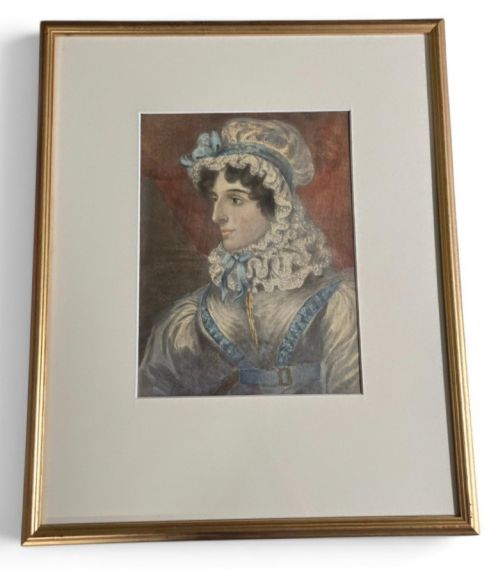
Edwardian Framed Art
Edwardian framed art brings together turn-of-the-century paintings, drawings, and prints enclosed in period mouldings.
Edwardian Framed Art
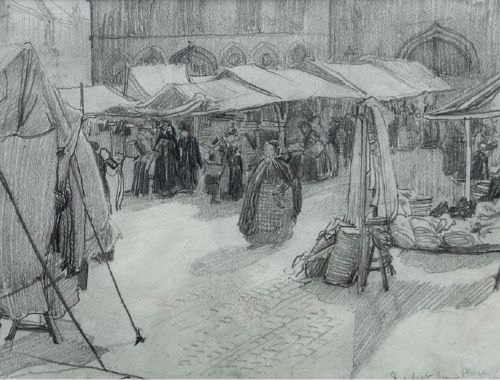
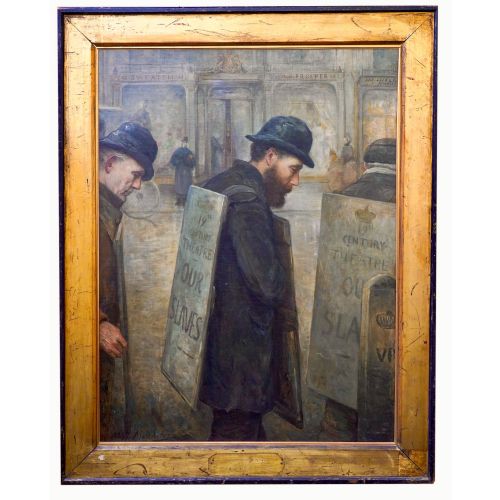
When you search for edwardian framed art, you encounter a diverse assortment of works on paper and canvas spanning watercolours, oils, pastels, drawings, and prints created around the turn of the twentieth century. The period embraces not only strict Edwardian output from 1901 to 1910, but also closely adjacent Victorian, Arts and Crafts, and Art Nouveau expressions.
How they were made
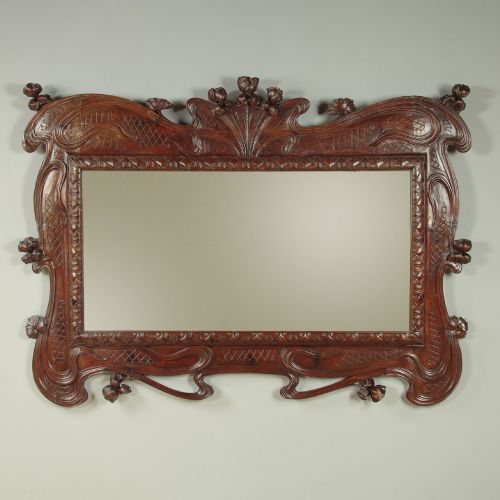
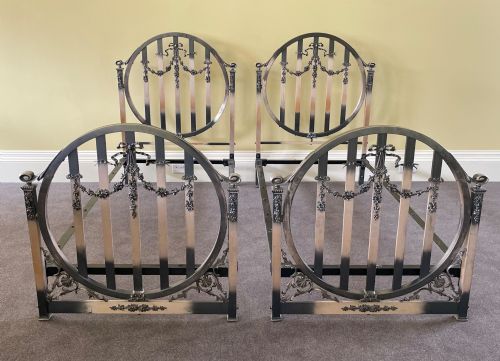
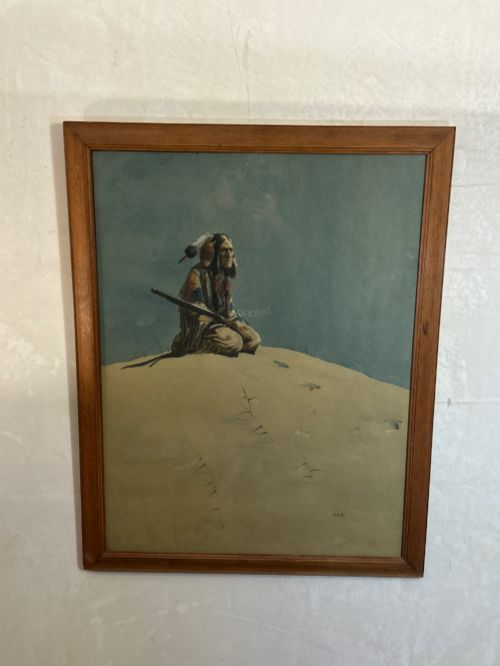
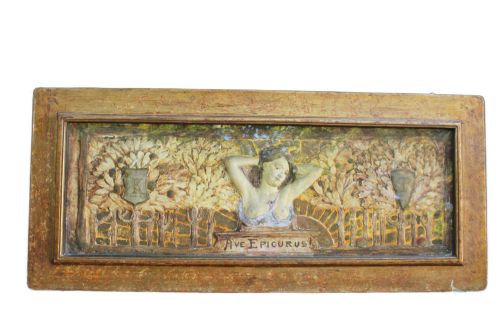
Artworks from this era rely principally on traditional mediums such as watercolour on paper, oil on canvas, pastel, and pencil, often executed with meticulous draughtsmanship. Supporting these works are frames fashioned from timber like oak and burr maple, or embellished with giltwood, brass mounts, and nickel plating.
Craftsmen of the period utilised specific techniques to complement the visual arts, including carved wood, cast brass, and specialised glass protection. These materials intersect to ensure that the frame functions as an integral component of the piece rather than a mere enclosure.
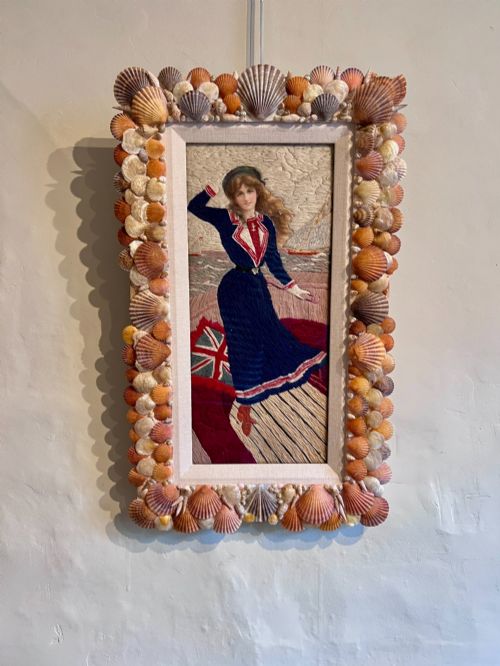
The inventory includes woolwork pictures of sailor girls and racing pigeon oil paintings for avian enthusiasts.
What varies in quality
Quality in edwardian framed art rests largely on the fidelity of the execution, the strength of the composition, and the harmony between the artwork and its housing. Superior examples display confident brushwork or draughtsmanship combined with period frames that retain their original gilding, patination, and structural integrity.
Lower tiers often involve mass-produced decorative prints or later replacement frames that lack the historical alignment and material depth found in genuine period pieces. The distinction lies in the overall presence and the authenticity of the materials used in both the artwork and the surrounding mount.
Henry Percy Huggill·Felix Stone Moscheles·John Maler Collier·John Hassall·Sir William Nicholson
The Edwardian Framed Art Glossary
- Watercolour
- A painting method where fine pigment is suspended in water-based solution. It was widely utilised by Edwardian artists for landscapes and coastal scenes.
- Giltwood
- Timber that has been coated with a thin layer of gold leaf or gilt powder. It provides a bright, reflective finish common on finer period frames.
- Arts and Crafts
- A design movement emphasising handcraftsmanship and traditional materials. Pieces from this style often feature simplified forms and honest construction.
- Pastel
- A dry medium consisting of powdered pigment and a binder. Pastel drawings from this period require glass protection to prevent the pigment from smudging.
- Burr Maple
- Wood veneer characterised by swirling knot formations. It creates a highly decorative, mottled grain pattern prized on antique frames.
Edwardian Framed Art: Frequently Asked Questions
What defines edwardian framed art?
These pieces comprise paintings, drawings, and prints created during the early twentieth century, typically housed in period wooden, brass, or gilt frames.
The category spans diverse styles including Arts and Crafts, Art Nouveau, and traditional British landscape painting.
How do I identify a period frame?
Period frames usually display traditional construction methods, appropriate corner mitres, and authentic surface patination such as aged gilding or darkened oak.
They are constructed to match the specific aesthetic demands of the artwork they enclose.
Were these works displayed differently originally?
Edwardian interiors often featured tightly hung arrangements of framed watercolours, portraits, and decorative prints against patterned wallpapers.
Frames were selected to complement both the domestic colour scheme and the scale of the room.
How should I care for works on paper?
Works on paper require protection from direct sunlight and excessive humidity to prevent the fading of watercolours and pastels.
Maintaining stable environmental conditions ensures the preservation of both the artwork and the original framing materials.