


Edwardian Floral Pottery Vase
An edwardian floral pottery vase brings organic floral motifs into the home through glazed ceramic or stoneware forms.
Edwardian Floral Pottery Vase
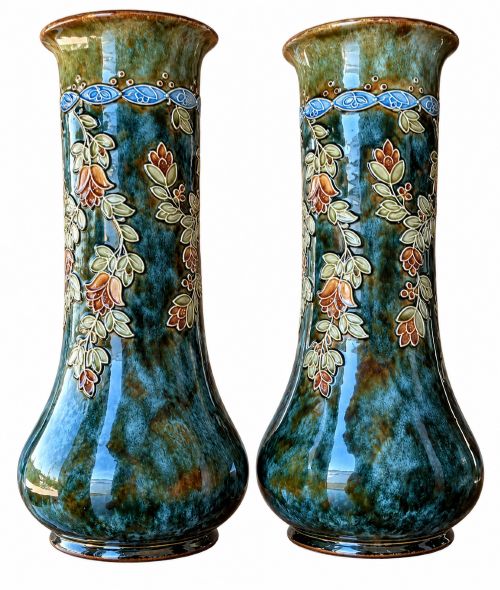
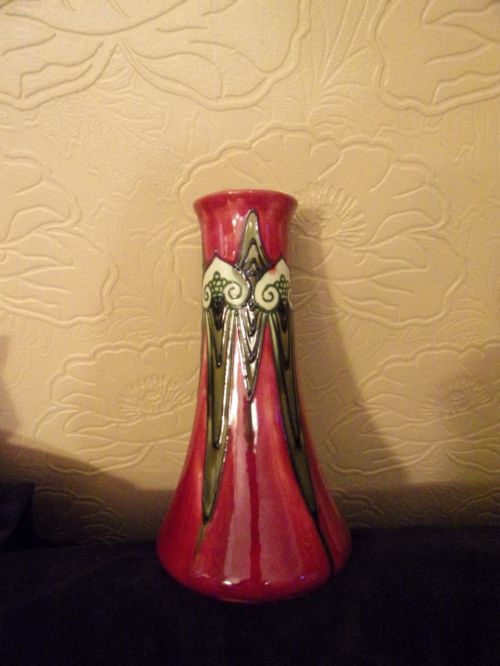
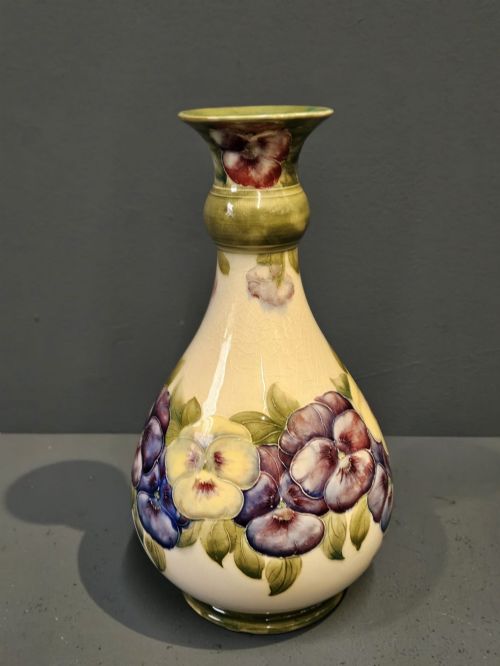
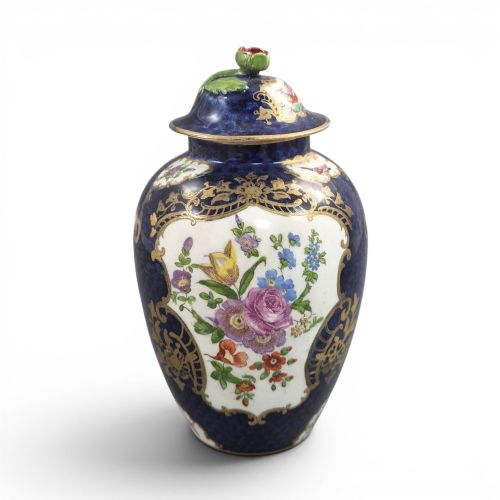
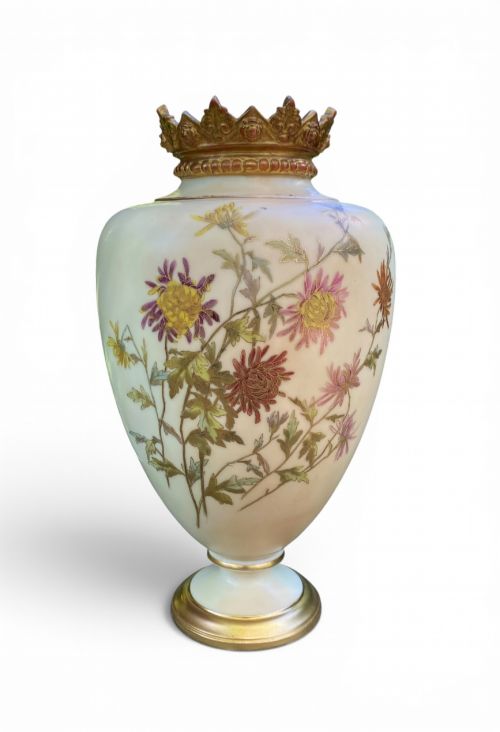
An edwardian floral pottery vase encompasses decorative vessels produced around the turn of the twentieth century, featuring floral patterns rooted in contemporary design movements. These pieces range from substantial stoneware baluster forms to delicate porcelain bud vases.
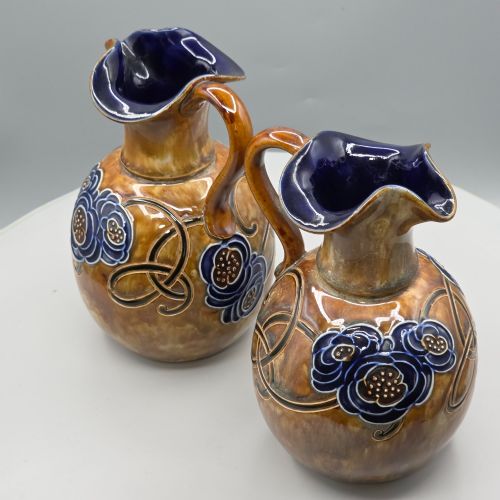
Vessels span standard household ornaments, jugs, and covered forms, often presenting botanical motifs painted, printed, or tube-lined onto the surface. Their origins trace to major British potteries and specialised art pottery studios operating during the late nineteenth and early twentieth centuries.
Assessing quality and execution
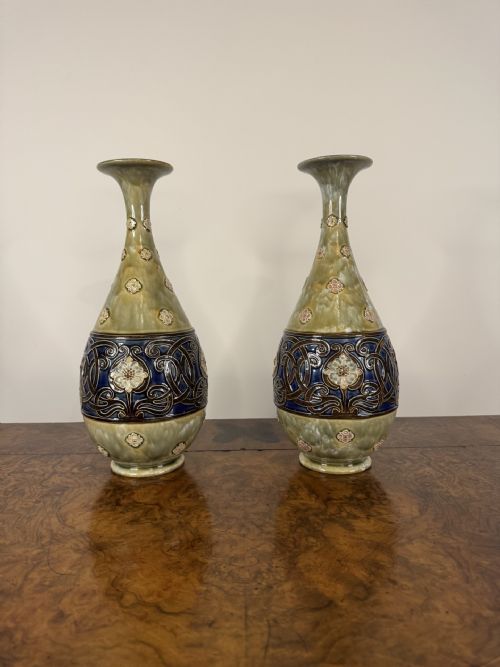
Quality in these ceramics rests on the precision of the moulding, the depth and consistency of the glaze, and the artistic execution of the floral pattern. Superior examples display crisp tube-lining and harmonious colour palettes that complement the underlying form of the vessel.
Pieces bearing attribution to specific designers or notable studio artists generally demonstrate a higher standard of individual artistry compared to standard commercial output. The crispness of stamped factory marks and the absence of firing blemishes also distinguish finer productions.
Pansies and exotic birds frequently peer out from Edwardian glaze surfaces, bringing permanent gardens indoors.
Royal Doulton·Minton·Moorcroft·Royal Worcester·Royal Crown Derby
The Edwardian Floral Pottery Vase Glossary
- Stoneware
- A robust, vitrified ceramic body fired at high temperatures until non-porous. It accepts salt glazes and heavy decorative treatments particularly well.
- Tube-lined
- A method where liquid clay is squeezed through a nozzle onto a vessel to form raised outlines for subsequent enamel or glaze filling.
- Baluster
- A vase shape featuring a rounded body that tapers toward a narrow neck and flared rim. This architectural profile provides stability.
- Earthenware
- A porous pottery body fired at lower temperatures, requiring an impermeable glaze to hold water effectively. It forms the base for many traditional wares.
- Secessionist
- A stylistic designation linked to continental and British design reforms favouring stylised floral motifs and bold, sweeping ceramic profiles.
Edwardian Floral Pottery Vase: Frequently Asked Questions
How do I clean my floral pottery vase?
Dust ceramic surfaces gently with a dry, soft cloth to prevent accumulation within recessed glaze details.
Avoid submerging antique pieces with exposed enamel or gold leaf in water for extended periods to protect the finish.
Were these vases used for fresh flowers?
Many glazed earthenware and stoneware examples were designed to hold cut flowers in domestic interiors.
Some delicate porcelain or decorative bud vessels served primarily as mantelpiece ornaments rather than functional flower holders.
How can I tell Art Nouveau from Victorian pieces?
Art Nouveau examples display asymmetrical, flowing organic plant motifs and whiplash lines inspired by natural growth.
Victorian pieces often rely on more symmetrical, formal botanical arrangements and heavier, structured surface patterns.
What does Slater's Patent mean on Doulton vases?
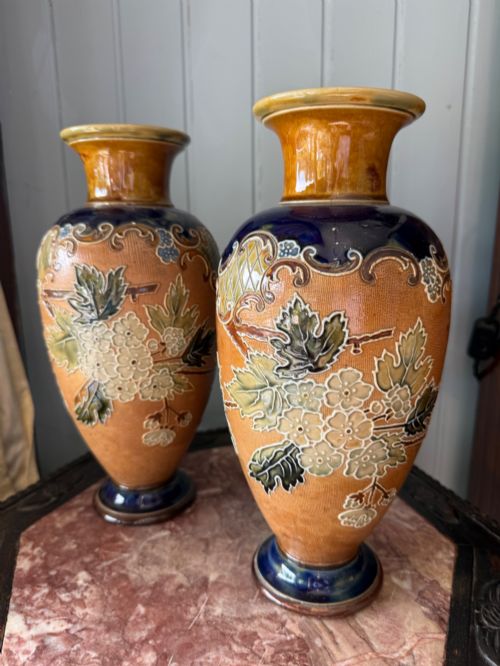
Slater's Patent refers to a Doulton technique involving pressed lace or textile textures embedded directly into the damp clay body.
Potters then glazed and hand-painted these textured areas, often adding enamel floral decoration over the patterned surface.