



Edwardian Floral Planter
These edwardian floral planter pieces bring character to any room through decorative ceramic and metal forms designed for indoor greenery.
Edwardian Floral Planter
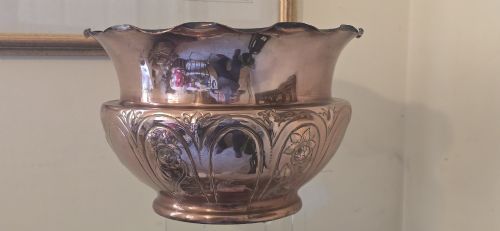
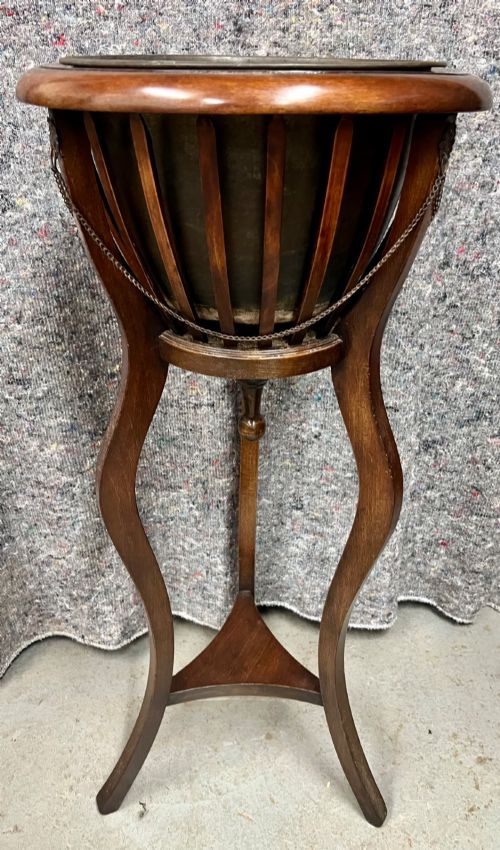
When you search for an edwardian floral planter, you are looking at vessels created to display indoor plants and flowers during the late nineteenth and early twentieth centuries. The selection spans several distinct forms, including jardinieres, plant stands, and squat vases.
The pieces on this page cross multiple periods, drawing on Edwardian, Victorian, and Art Nouveau styles. Earthenware, porcelain, copper, and walnut frequently appear across the current inventory, reflecting the diverse domestic tastes of the eras.
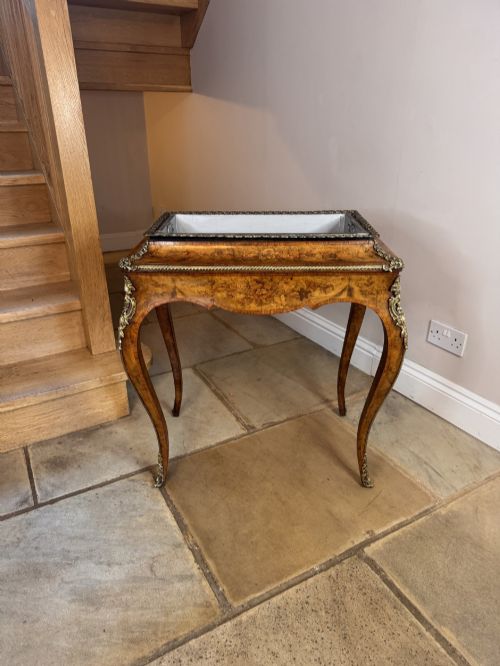
You will encounter pieces ranging from ceramic chamber pots repurposed for display to elaborate marquetry inlaid tables and matching stands. Each form serves the practical function of holding plants while acting as a focal point in a room.
How They Were Made
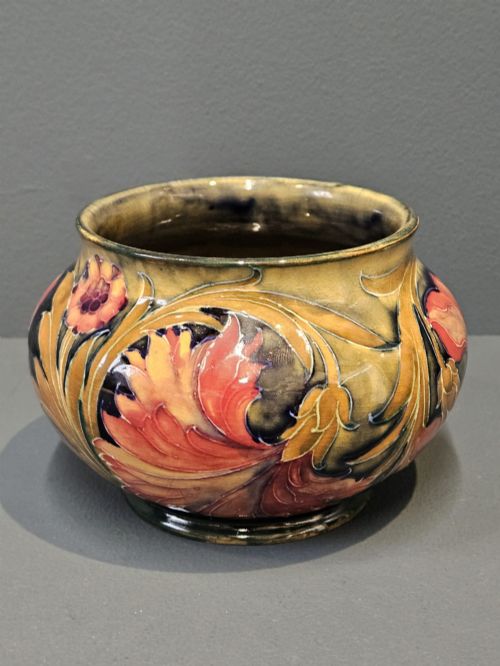
Potters and craftsmen shaped these vessels using traditional ceramic techniques like throwing and moulding, finishing them with detailed glazes and hand-painted motifs. Royal Worcester and Minton pieces utilise specialised ceramic bodies decorated with blush ivory and secessionist patterns.
Metalworkers formed durable copper and ormolu mounts to complement the ceramic vessels, often adding handles or decorative rims. Cabinetmakers constructed the wooden stands using walnut and mahogany, incorporating marquetry inlay for surface decoration.
Edwardian Floral Planter Retail Price Guide 2026
Typical asking prices for edwardian floral planter among the pieces listed under this phrase on Sellingantiques today, from the lower quarter to the upper quarter. They describe what is for sale here now, not the wider market.
Object forms span table jardinieres, plant stands, squat vases, and chamber pots.
What Varies in Quality
Quality rests in the precision of the manufacturing, from the crispness of the ceramic moulding to the intricate detail of the marquetry inlay on wooden tables. Finer pieces demonstrate superior artistic execution in their hand-painted floral glazes and harmonious proportions.
The choice of materials also dictates the standing of a piece, with select makers employing fine porcelain, rich walnut, and heavy copper mounts. Lesser examples rely on simpler earthenware construction and plain finishes without decorative embellishment.
Moorcroft·Royal Worcester·Minton
The Edwardian Floral Planter Glossary
- Jardiniere
- A decorative pot or stand designed to hold flowers or plants indoors. These vessels sit on tables or floor pedestals and are made from ceramic, metal, or wood.
- Blush Ivory
- A specialised ceramic finish developed by Royal Worcester featuring a soft, creamy matte background. It serves as a subtle base for delicate hand-painted floral designs.
- Marquetry Inlay
- A decorative technique where thin pieces of wood veneer are fitted into a wooden surface to create pictorial patterns. It appears frequently on fine furniture and plant tables.
- Secessionist
- An art movement from the late nineteenth and early twentieth centuries that influenced ceramic and architectural design. Pieces from this movement feature bold, stylized floral and geometric motifs.
- Ormolu
- Gilded bronze or brass applied as decorative mounts to furniture and decorative objects. It provides a bright metallic accent to wooden and ceramic surfaces.
Edwardian Floral Planter: Frequently Asked Questions
How were these planters used?
These vessels were placed in principal rooms to display potted ferns, palms, and cut flowers. They protected surfaces from moisture while adding a decorative element to the interior scheme.
Larger jardinieres often sat on dedicated plant stands or tables, while smaller squat vases occupied mantelpieces and side tables.
How do I identify Edwardian pieces?
Edwardian pieces often display lighter woods, refined floral motifs, and influences from Art Nouveau design. They tend to move away from the heavier, darker aesthetics of the preceding Victorian period.
Maker marks on the base of ceramic pieces and specific stylistic markers help confirm the date of manufacture.
Can I use them for modern plants?
These planters accommodate modern potted plants just as they did historical ones, provided you use an inner pot to catch drainage water. Placing a protective liner inside prevents moisture damage to antique ceramic and wood surfaces.
They bring historic character and texture into contemporary living spaces when styled with foliage.