





Antique Flower Basin
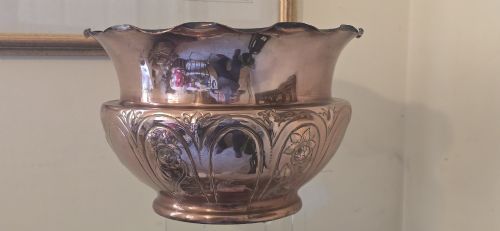
An antique flower basin brings botanical life indoors, taking the form of robust copper jardinieres and porcelain bowls shaped for display.
Antique Flower Basin
When you search for an antique flower basin, you encounter substantial vessels designed to hold plants and floral arrangements within domestic interiors. These pieces appear primarily as jardinieres, planters, and decorative bowls spanning from the eighteenth century through the twentieth century.
The selection on this page centres heavily on nineteenth-century examples, alongside earlier eighteenth-century Asian export porcelain and Japanese bronze pieces. You will find copper and brass vessels from the Victorian and Edwardian eras sitting alongside Chinese Canton enamel and Japanese Imari ceramics.
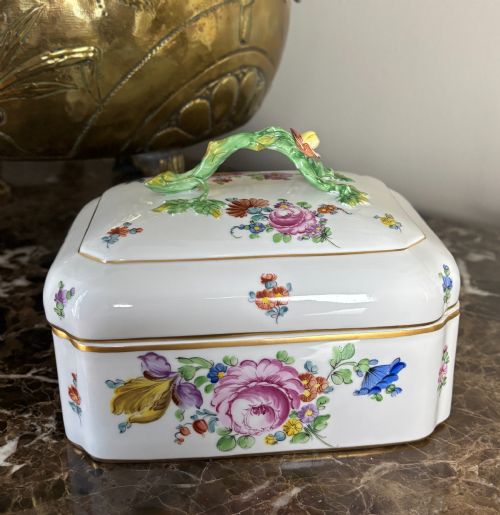
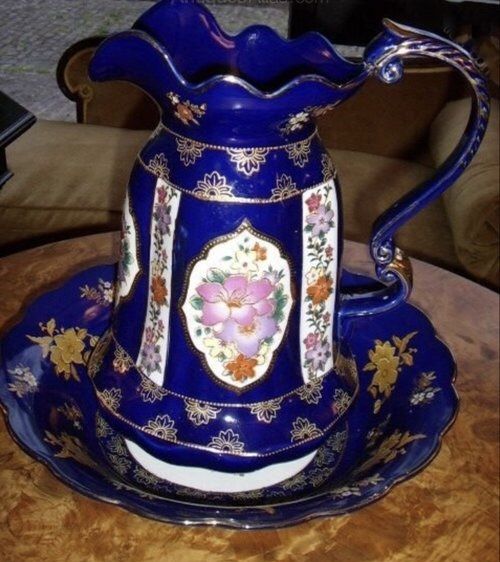
Forms range from heavy bronze footbaths and hibachi to delicate porcelain washstand sets and sugar boxes bearing floral motifs. Each variation serves the fundamental purpose of containing greenery or water within a decorative domestic setting.
Materials and construction methods
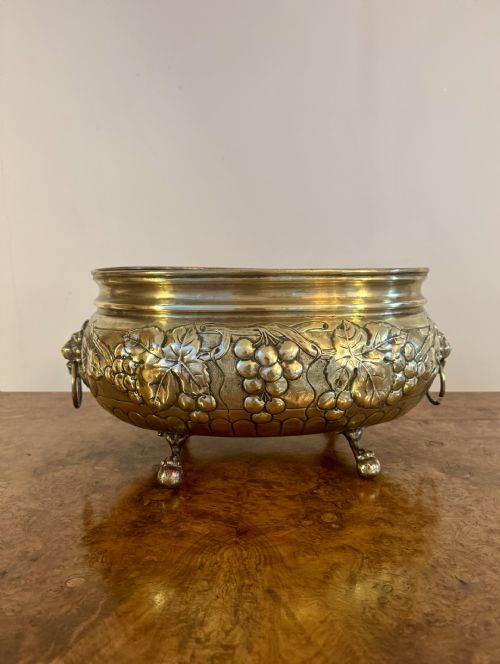
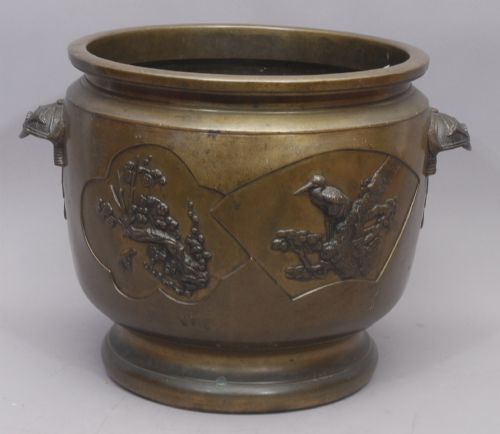
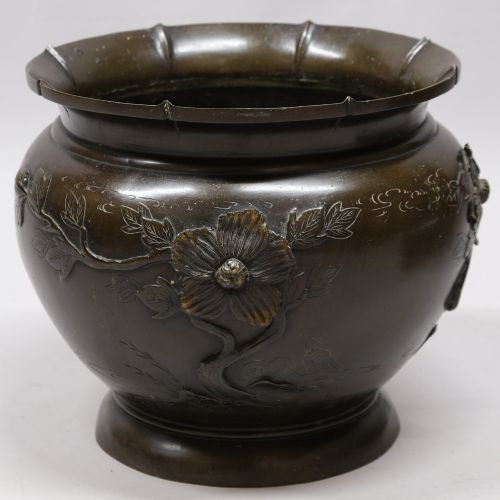
Metals form a dominant category here, utilising hammered copper and cast brass joined with visible rivets or smooth seams. Bronze pieces frequently employ mixed metal applications and detailed surface engraving, particularly in Japanese Meiji period examples.
Ceramic vessels rely upon porcelain, earthenware, and glaze techniques, ranging from cobalt blue transfers to polychrome famille rose enamelling and gold leaf highlights. The construction reflects the specific traditions of European potteries and East Asian kilns alike.
Antique Flower Basin Retail Price Guide 2026
Typical asking prices for flower basin among the pieces listed under this phrase on Sellingantiques today, from the lower quarter to the upper quarter. They describe what is for sale here now, not the wider market.
Some heavy bronze bowls weigh over two kilos, having spent centuries quietly holding water and flowers instead of cooking soup.
Distinctions in quality
Quality rests upon the crispness of surface detail, whether in the depth of bronze chasing on a Japanese jardiniere or the precision of hand-painted enamels on Chinese export porcelain. Heavier gauges of copper and thick bronze castings demonstrate superior material substance compared to lighter utilitarian vessels.
The integrity of the glaze or metal patina dictates visual success, where unpolished surfaces and well-preserved surface decoration indicate careful historical maintenance. Superior examples combine robust structural weight with balanced proportions and deliberate stylistic execution.
Royal Worcester·Dresden
The Antique Flower Basin Glossary
- Jardiniere
- An ornamental pot or stand for holding plants or flowers. These vessels are commonly ceramic or metal and designed to sit on floors or tables.
- Hibachi
- A traditional Japanese heating device often repurposed in Western interiors as a planter or decorative bowl. They are typically cast in heavy bronze with detailed metalwork.
- Imari
- A style of Japanese porcelain featuring a distinct palette of underglaze blue, iron red, and gold. Pieces from this tradition often display intricate floral and geometric patterns.
- Famille Rose
- A major palette of Chinese ceramic glazes introduced in the Qing dynasty, characterised by opaque pink or rose enamels. This style dominates many export porcelain pieces.
- Suiban
- A shallow Japanese basin used for displaying cut plants or stones in water. They are frequently cast in bronze and placed within interior spaces for flower arrangement.
Antique Flower Basin: Frequently Asked Questions
What is an antique flower basin used for?
These vessels were originally made to hold potted plants, cut flowers, or water for domestic tasks inside the home. They functioned as both practical containers and decorative centrepieces for grand rooms.
Today, they serve equally well as indoor planters, decorative bowls, or standalone display objects that bring historical character to modern interiors.
How do I identify a Japanese Meiji period bronze?
Meiji period bronzes often feature deep patination, mixed metal detailing, and motifs such as birds or natural scenes. The casting work is typically heavy and precise.
Examining the base and interior surfaces reveals the traditional manufacturing methods characteristic of nineteenth-century Japanese metalwork.
Are copper jardinieres waterproof?
Many historical copper and brass vessels were lined or made with solid metal seams intended to hold damp soil and water. However, hairline fractures can develop over long periods.
It is advisable to use a modern saucer or protective liner inside older metal jardinieres if you intend to plant live flora directly within them.
What distinguishes Chinese export porcelain from European ceramics?
Chinese export pieces from the eighteenth century generally utilise specific clay bodies, distinct famille rose or Imari palettes, and specific glazing techniques developed in Eastern kilns. The artistic motifs reflect traditional Asian iconography adapted for Western trade.
European factories like Dresden and Royal Worcester later reinterpreted these floral designs through their own local manufacturing traditions during the nineteenth and twentieth centuries.