


Brass and Copper Pots
These brass and copper pots combine utility with metalwork traditions, offering functional vessels and hearth containers shaped by centuries of domestic and decorative craft.
Brass and Copper Pots
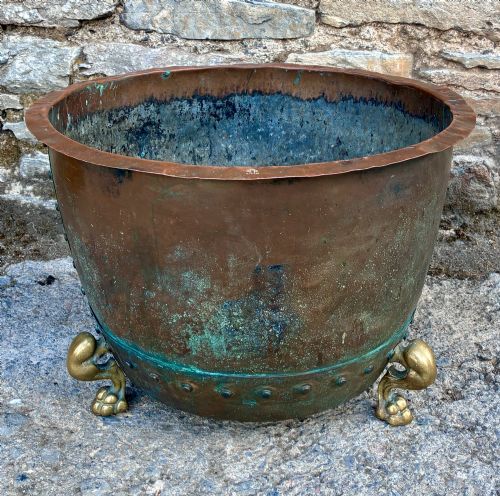
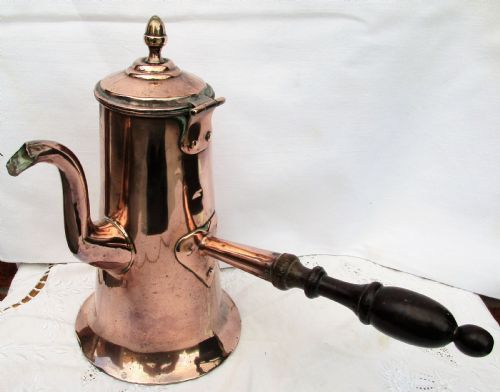
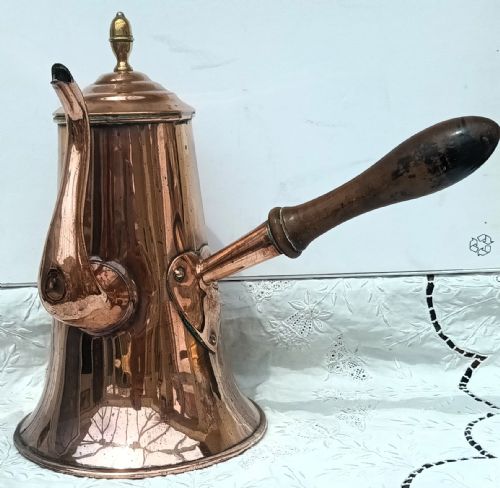
Buyers seeking brass and copper pots encounter a diverse selection of domestic vessels, kitchenware, and decorative containers originating primarily from the Georgian, Victorian, and Edwardian periods. These pieces range from heavy preserves pans and kettles to jardinières, cauldrons, and coffee pots.
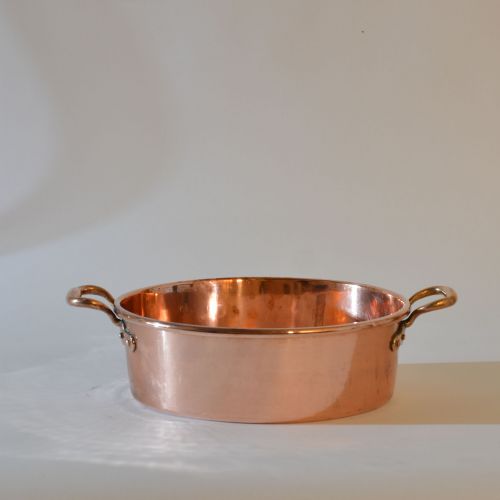
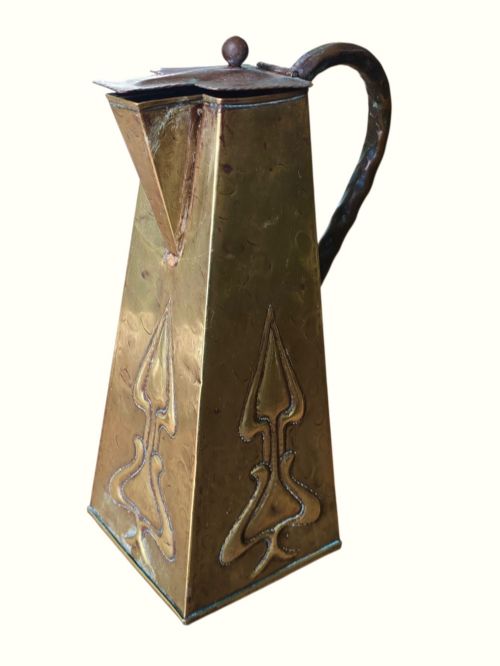
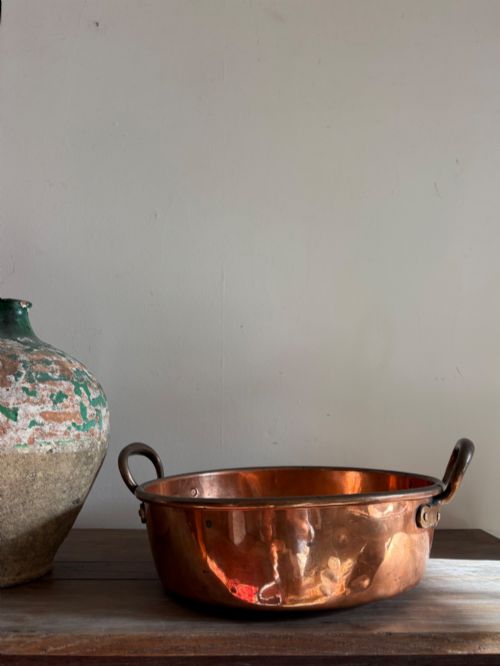
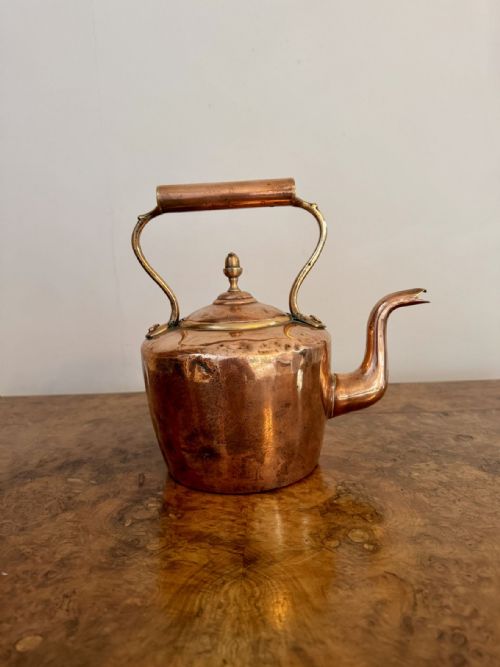
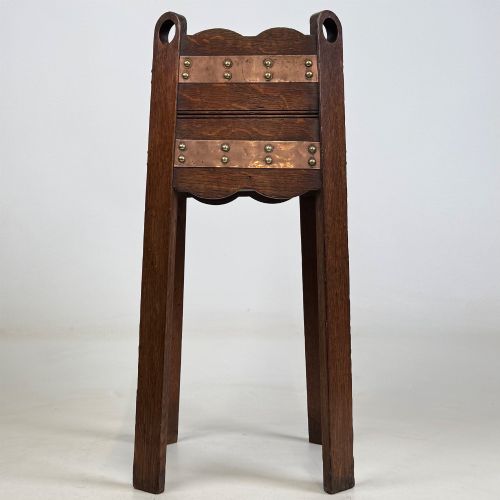
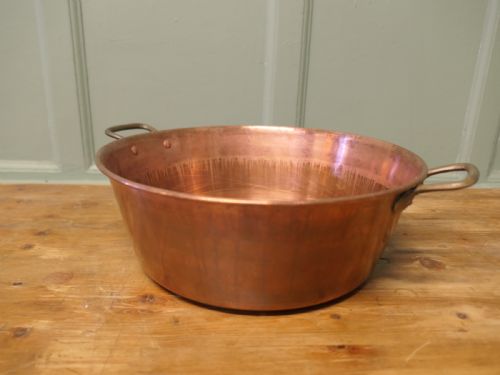
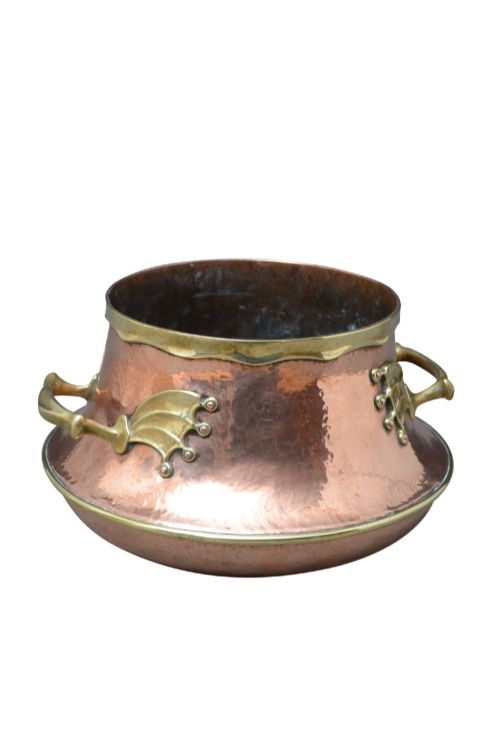
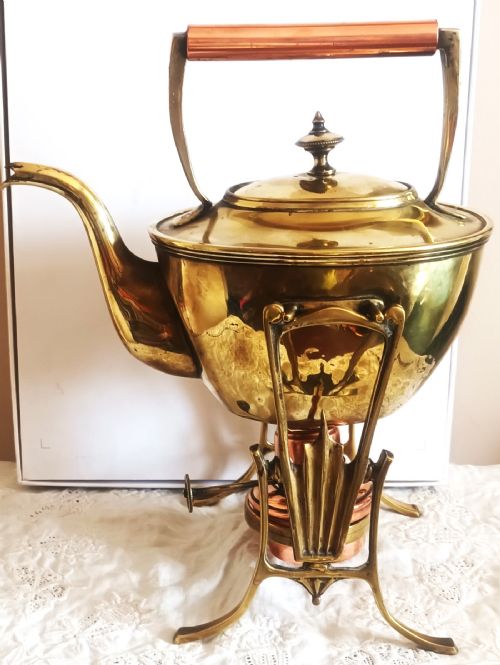
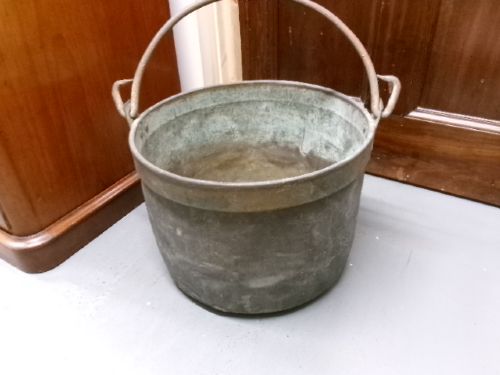
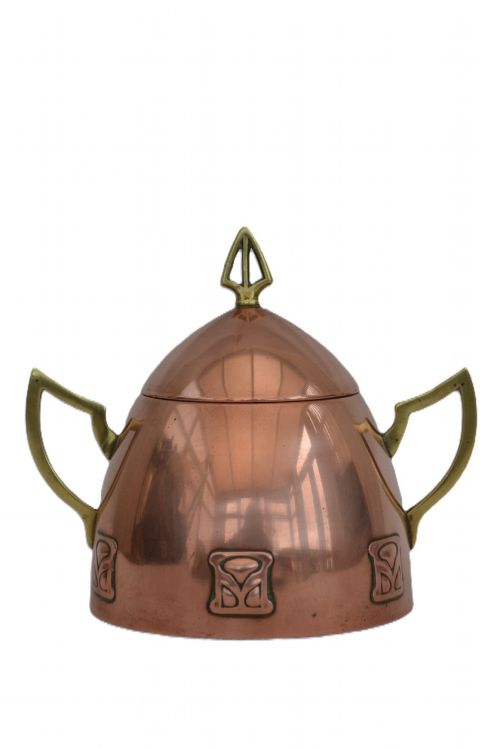
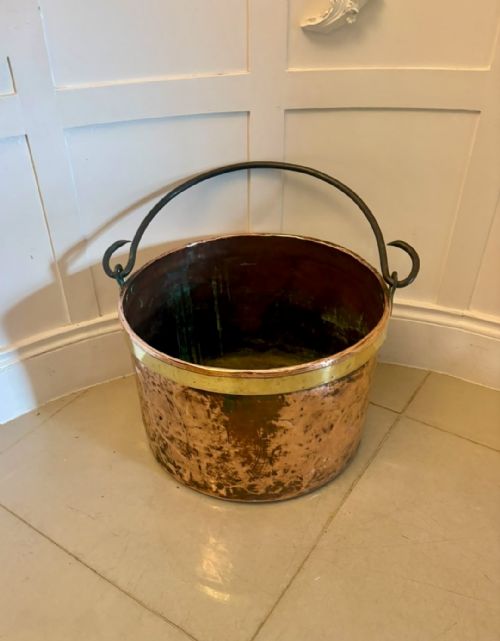
The most frequent examples on this page are Victorian and Georgian kitchen vessels, particularly large copper jam pans with brass handles and smaller hearth kettles. Alongside these utilitarian items appear decorative planters and Arts and Crafts receptacles utilising mixed metal details.
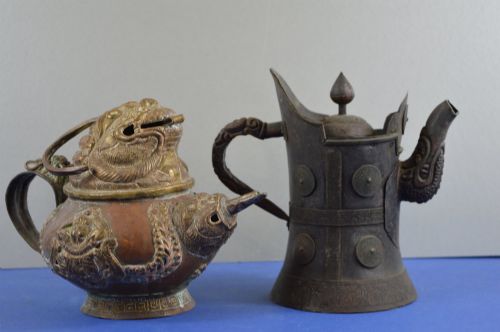
Origins stretch beyond British domestic workshops to include continental examples, Middle Eastern coffee pots, and Tibetan ceremonial ewers. Each piece reflects the specific material culture and metalworking methods of its production era.
Materials and construction
Construction relies heavily on sheet copper and cast brass, often joined by hand riveting or dovetailed seams that demonstrate early metalworking techniques. Handles and attachments are frequently cast in brass and secured to heavy copper bodies with robust rivets.
Surface finishes vary from polished metal to hammered textures created through manual repoussé work, particularly in Arts and Crafts and Art Nouveau pieces. Iron, wood, and enamel appear supplementary in handles, mountings, or internal linings.
Brass and Copper Pots Retail Price Guide 2026
Typical asking prices for brass and copper pots among the pieces listed under this phrase on Sellingantiques today, from the lower quarter to the upper quarter. They describe what is for sale here now, not the wider market.
Listings feature 19th-century and Georgian pieces alongside Edwardian designs, constructed primarily from copper and brass with iron and oak elements.
Judging quality in metal vessels
Quality separates through the weight of the metal gauge and the integrity of the construction, such as smooth hand-beaten surfaces versus uneven machine stamping. Heavier copper pans retain structural stability better over centuries of hearth use.
Detailing in the brass mounts, handle attachments, and the precision of the riveting reveal the maker's competency. Pieces retaining original unpolished patination and maker marks demonstrate superior historical preservation.
William Soutter And Sons·Hodges And Sons·Harrods
The Brass and Copper Pots Glossary
- Repoussé
- Metalworking technique where the metal is hammered from the reverse side to form a raised design in relief. This method defines many decorative jardinières and planters.
- Jardiniere
- An ornamental pot or stand designed to hold growing plants or flowers. These vessels often feature heavy copper bodies with contrasting brass handles.
- Din物の
- French term for decorative brass and copper objects, often utilised to describe Art Deco cauldrons and planters. It encompasses various patinated metal finishes.
- Seer
- A traditional unit of measurement in South Asia, reflected in specific historical sets of metal measures. These calibrated pots demonstrate regional utility.
Brass and Copper Pots: Frequently Asked Questions
How do I clean antique copper?
Cleaning antique copper requires gentle polishes formulated specifically for historical metalwork to preserve the underlying surface texture. Avoid harsh abrasives that remove centuries of developing patination.
Many collectors prefer leaving a natural, darkened patina rather than achieving a bright, polished shine. Light dusting and occasional wax protection maintain the metal safely.
Were these pots used for cooking?
Many larger copper pots and jam pans served practical culinary roles over open hearths in Georgian and Victorian kitchens. Their thick metal walls distributed heat evenly for preserving fruit and boiling water.
Over time, utility items transitioned into decorative fireplace accessories and plant containers. Today, collectors primarily display them as interior accents.
How do I date a copper pan?
Dating relies on observing construction methods, such as hand-cut dovetail seams and irregular handmade rivets typical of earlier centuries. Machine-rolled sheets and uniform joints point toward later Victorian and Edwardian production.
Maker stamps and stylistic cues from periods like Arts and Crafts or Georgian provide additional chronological markers. Comparing weight and handle attachment styles helps narrow the era.
Can these planters hold live plants?
Planters and jardinières accommodate live plants, though placing a plastic liner inside protects the historic metal from moisture damage. Standing water accelerates corrosion and degrades interior surfaces.
Regularly checking drainage prevents prolonged contact between damp soil and the antique copper or brass. This simple precaution preserves the structural integrity of the vessel.