


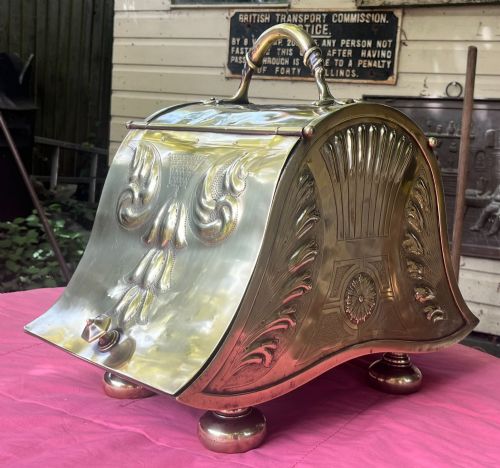
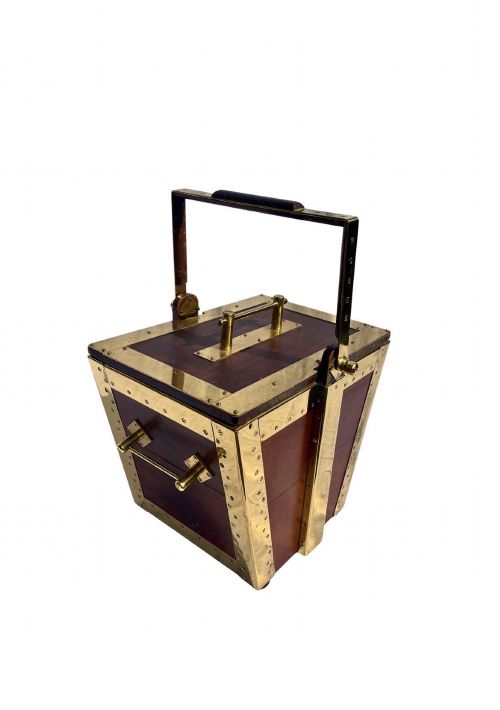
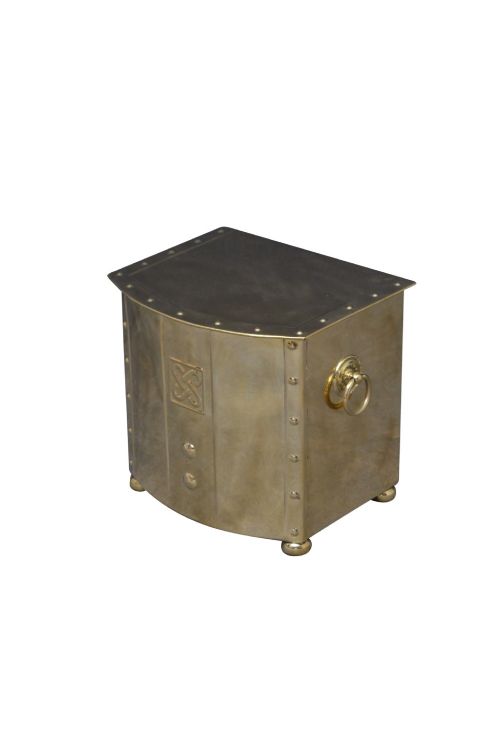


Edwardian Fireside Box
An edwardian fireside box keeps fuel contained beside the hearth while bringing period metalwork and timber into the room.
Edwardian Fireside Box
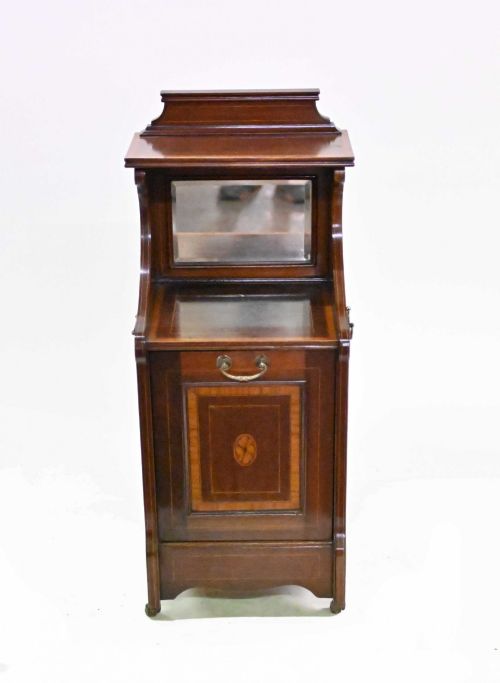
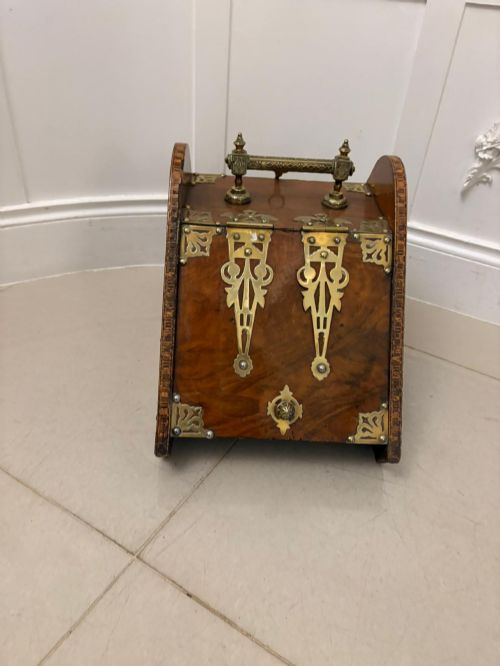
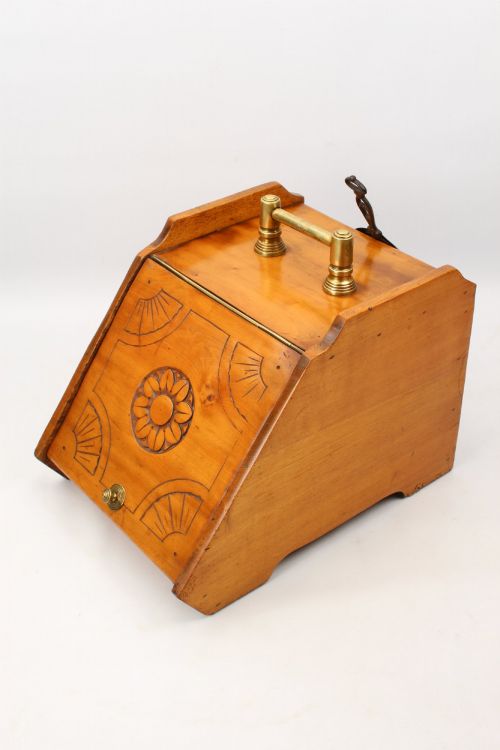
An edwardian fireside box serves as a functional container for coal or logs, designed to sit neatly beside a fireplace. Buyers seeking this form will find variations ranging from traditional purdoniums to lidded bins and cabinets.
The selections span the Edwardian era alongside Victorian and Art Deco periods, encompassing distinct styles such as Arts and Crafts and Art Nouveau. These pieces combine practical fuel storage with decorative presence through metal mounts and carved woodwork.
How they were made
Cabinet makers built the structural bodies using solid or veneered timbers such as oak, mahogany, walnut, and rosewood, often adding marquetry inlay or carved detailing. Metal components including brass, copper, and iron provided durable linings, hinges, handles, and decorative panels.
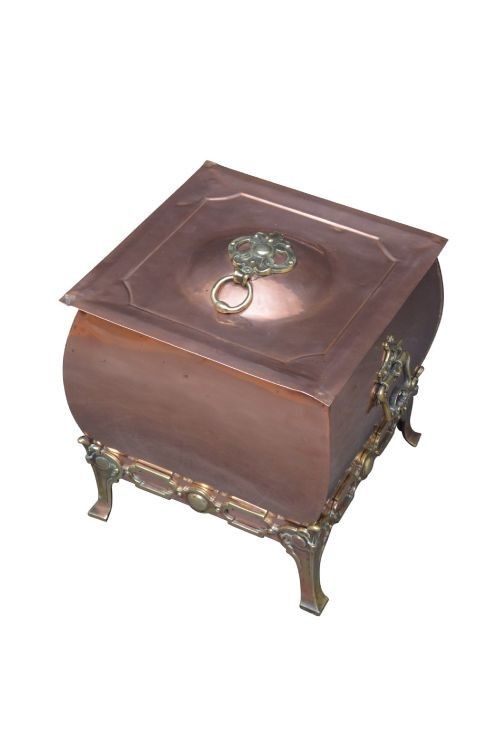
Many examples incorporate hand-beaten copper panels typical of the Arts and Crafts movement or cast brass ornamentation reflecting Rococo Revival and Art Nouveau tastes. Interior metal liners were frequently included to contain coal dust and protect the wood from moisture.
Edwardian Fireside Box Retail Price Guide 2026
Typical asking prices for edwardian fireside box among the pieces listed under this phrase on Sellingantiques today, from the lower quarter to the upper quarter. They describe what is for sale here now, not the wider market.
Listings feature oak, mahogany, walnut, and rosewood combined with brass, copper, and iron across the Victorian, Edwardian, and Art Deco periods.
What varies in quality
The standard of timber selection and cabinetmaking dictates the overall integrity of the piece, with finely carved or inlaid examples sitting above plain wooden bins. The thickness and finish of metal elements, from heavy cast brass to thin sheet copper, further distinguish workshop outputs.
Makers such as Benham and Froud demonstrate superior metalworking execution through crisp detailing and robust construction. The retention of original internal liners and matching shovels preserves both historical completeness and functional utility.
BENHAM AND FROUD
The Edwardian Fireside Box Glossary
- Purdonium
- A specialised coal box featuring a sloping front drop-down door designed for easy shovelling of fuel. It often includes an internal metal liner and space to store a matching shovel.
- Coal helmet
- A metal coal scuttle shaped with a flared rim resembling a traditional helmet, equipped with a swinging handle at the top. This form originates from eighteenth-century designs but persisted through the Victorian and Edwardian periods.
- Marquetry
- The art of applying decorative pieces of veneer to a structure to form intricate patterns or pictures. It is frequently seen on the lids of rosewood and mahogany boxes from this era.
- Ormolu
- Gilded bronze mounts applied to furniture and decorative items to provide metallic enrichment. These gilded details appeared on refined coal bins during the nineteenth century.
- Arts and Crafts
- A design movement emphasising handcraftsmanship, natural materials, and simple forms. Pieces in this style often display exposed hammered copper panels and wrought iron fittings.
Edwardian Fireside Box: Frequently Asked Questions
What is a purdonium?
A purdonium is a dedicated coal box fitted with a hinged or sloping front flap that lowers to reveal fuel. It typically houses a removable metal liner to catch debris and keep the surrounding floor clean.
These cabinets often include side handles and dedicated slots or brackets for hanging a coal shovel. The design allowed households to store fuel discreetly in a formal sitting room.
How do I use one today?
These boxes function well beside wood-burning stoves or open fireplaces to hold kindling, logs, or coal pellets. The internal metal liner protects the historical timber structure from direct contact with fuel and moisture.
They also serve in other rooms as umbrella stands, blanket holders, or general storage chests. Their decorative exteriors allow them to integrate into living spaces regardless of whether an active hearth is present.
How do I spot Arts and Crafts style?
Arts and Crafts pieces emphasise visible handcrafting techniques and straightforward construction methods. Look for hammered copper panels featuring motifs like galleons, plants, or abstract geometric patterns.
The woodwork tends to rely on solid oak with pegged joints rather than heavy applied veneer. Iron strapwork and exposed brass riveting are also common indicators of this movement.
Are liners and shovels original?
Original metal liners generally show signs of age, oxidation, and wear consistent with holding coal over decades. Replacement liners are common because the original metal often corroded from constant dampness.
Matching shovels that fit precisely into side brackets or interior compartments are harder to find intact. Their presence enhances the completeness of the piece for collectors.