
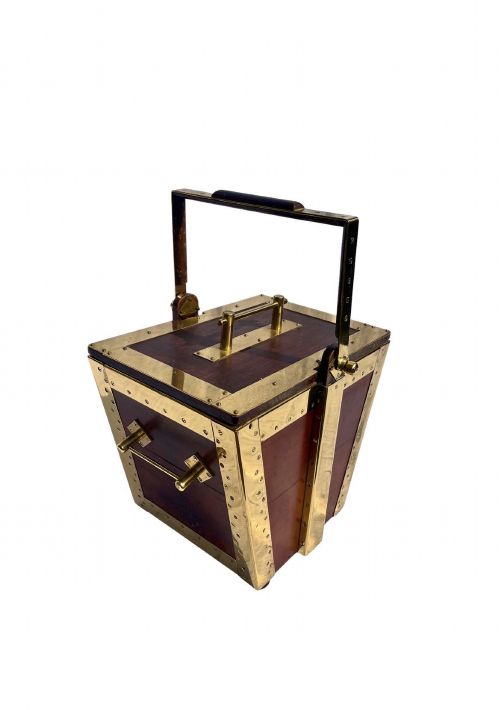


Wooden Fireside Bin
A wooden fireside bin brings warmth and order to a hearth, holding fuel within sturdy timber frames crafted for daily use.
Wooden Fireside Bin
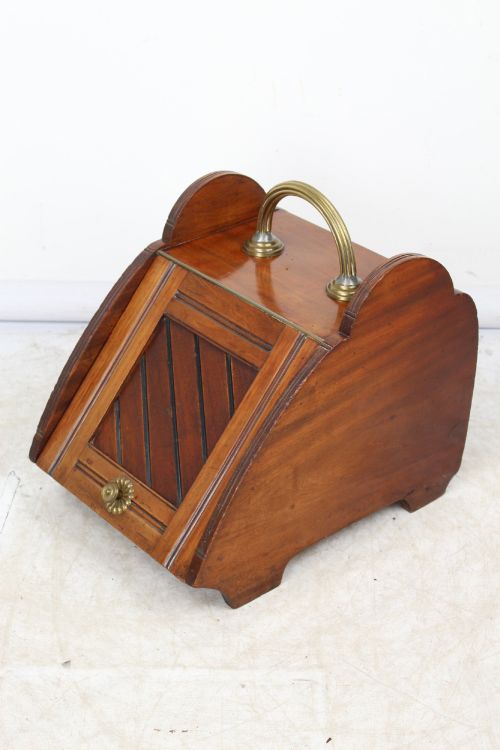
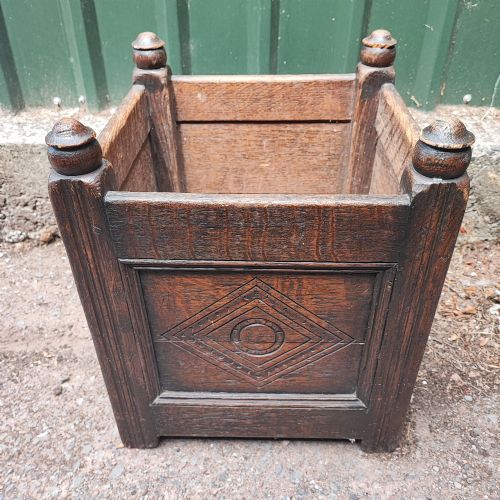
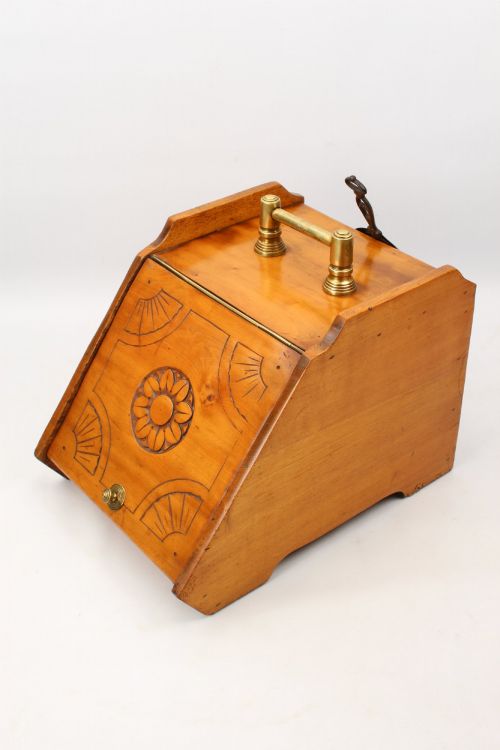
A wooden fireside bin serves as a practical hearthside container for coal, logs, or kindling, combining everyday utility with period craftsmanship. When searching for a wooden fireside bin, buyers encounter an array of utilitarian and decorative forms designed to keep solid fuel tidy beside the fireplace.
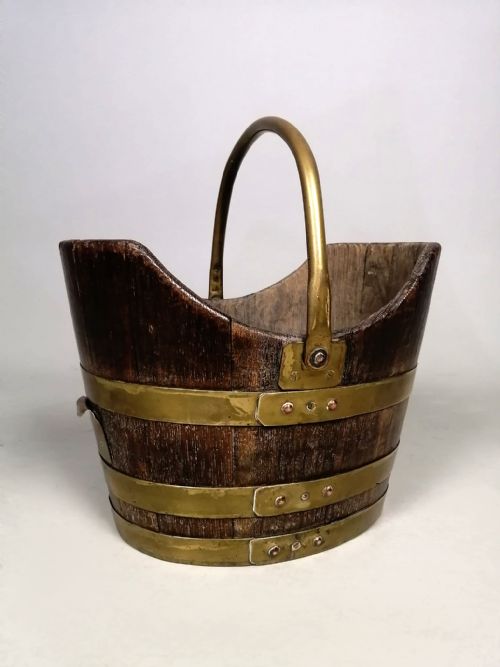
The selections span distinct historical periods, with Victorian and Edwardian examples appearing most frequently alongside earlier Georgian and later rustic designs. These pieces range from simple pine log baskets to elaborate walnut purdoniums and brass-banded buckets.
Object types vary widely in form, encompassing coal boxes, scuttles, purdoniums, log bins, and storage chests. Many incorporate metal linings, shovels, or drop-down fronts designed specifically for loading fuel.
Materials and construction
Carpenters built these hearthside containers using durable domestic and imported hardwoods such as oak, walnut, and mahogany, alongside pine and occasionally rosewood. Timber selection often reflected the prevailing style of the era, from robust country pine to finely carved Victorian walnut.
Metal mounts, brass bands, hinges, and handles reinforce the wooden bodies to withstand the heavy weight of coal and logs. Many incorporate brass fittings, ormolu mounts, and coopered stave construction to ensure structural longevity.
Some Victorian coal boxes double as military seats when closed.
Judging quality and craftsmanship
The distinction between standard utility items and superior examples lies in the selection of timbers, such as pollard oak or figured walnut, and the refinement of carved or inlaid decoration. Higher quality pieces often feature dovetail joinery, brass mounts, and matching original accessories like metal liners and shovels.
Proportion and structural integrity also separate fine examples from ordinary boxes, with well-balanced brass hinges and secure joints indicating superior workshop execution. The presence of maker marks or distinctive regional styles adds further weight to an individual piece.
LIBERTY LONDON LYNDHURST
The Wooden Fireside Bin Glossary
- Purdonium
- A specialised coal box featuring a sloping front door that drops down to reveal an interior metal liner. This Victorian invention kept coal neatly enclosed beside the hearth.
- Coal Scuttle
- A deep bucket or container designed for carrying and holding coal, typically fitted with a swing handle and sometimes accompanied by a shovel. Earlier versions often utilise brass banding or copper construction.
- Log Bin
- A large freestanding wooden or coopered container built to store firewood logs near a fireplace. These pieces emphasise sturdy timber walls and generous capacity.
- Coopered
- A method of construction where tapered wooden staves are joined side by side and secured with metal hoops, much like a traditional barrel. This technique appears frequently on cylindrical fire buckets and log bins.
- Ormolu
- Gilded bronze ornamentation applied to furniture and decorative objects for enrichment. In fireside storage, ormolu mounts add a formal decorative accent to mahogany or walnut bodies.
Wooden Fireside Bin: Frequently Asked Questions
What is a purdonium?
A purdonium is a Victorian coal box with a hinged sloping front that folds down to provide easy access to a removable metal fuel liner. They often include a dedicated compartment for a coal shovel.
These pieces were designed to keep coal tidy and out of sight in formal reception rooms.
How do I use a log bin today?
Modern homes utilise these wooden bins to store firewood neatly beside a woodburning stove or open hearth. Their sturdy timber construction handles heavy logs while protecting flooring from bark and debris.
They also function effectively as general storage chests for blankets or magazines when not holding fuel.
Are original liners important?
Original metal liners protect the interior wood from moisture and dirt associated with coal and logs. Surviving liners add authenticity and completeness to antique scuttles and boxes.
Many pieces still retain their fitted metal inserts and matching shovels.
How do I distinguish Edwardian from Victorian bins?
Victorian pieces often display heavier carved decoration, darker walnut or mahogany timbers, and robust brass mounts. Edwardian examples frequently showcase lighter oak construction and simpler inlaid motifs.
Both periods reflect the domestic heating habits of their respective eras.