

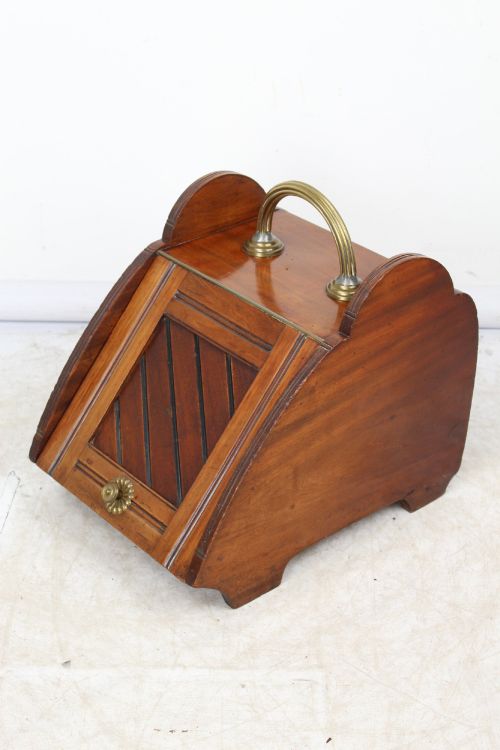


Brown Wooden Coal Scuttle
These brown wooden coal scuttle pieces are robust hearthside storage vessels designed to hold fuel, offering both utility and traditional charm for the fireplace.
Brown Wooden Coal Scuttle
A brown wooden coal scuttle serves as a practical fireside accessory designed to store solid fuel near the hearth. When exploring this selection, buyers encounter various forms including traditional scuttles, bins, boxes, and purdoniums.
The pieces span several distinct eras, appearing in Georgian, Victorian, Edwardian, and later twentieth-century iterations. Oak and mahogany examples predominate among these listings, supplemented by walnut, rosewood, and pollard oak.
Many items incorporate functional metal components such as brass handles, hinges, liners, and shovels to manage the weight and residue of coal or logs. Certain variations adopt specific aesthetic approaches, including Louis XV revival styling or subtle boxwood inlay.
Materials and construction methods
Cabinet makers utilised durable hardwoods such as oak, mahogany, and walnut to construct the primary body of each bin or scuttle. Coopered techniques appear in rounded items like fire buckets, employing closely fitted wooden staves.
Metal elements including brass and iron provide structural reinforcement and functional operational parts such as drop handles and interior liners. Inlaid details in boxwood enhance selected mahogany and rosewood surfaces with geometric or decorative motifs.
Brown Wooden Coal Scuttle Retail Price Guide 2026
Typical asking prices for brown wooden coal scuttle among the pieces listed under this phrase on Sellingantiques today, from the lower quarter to the upper quarter. They describe what is for sale here now, not the wider market.
Some Victorian scuttles hide their coal behind clever metamorphic folding fronts that make them look like ordinary side cabinets.
Factors of distinction
The standard of timber selection and joinery distinguishes finer examples from simpler utility pieces. Figures in the grain of pollard oak or figured mahogany elevate the visual presence of a fireside box.
The integration of original hardware, such as brass liners, matching shovels, and operational metamorphic mechanisms, influences the integrity of the piece. Refined decorative elements like boxwood inlay or well-executed revival styling indicate a higher grade of craftsmanship.
The Brown Wooden Coal Scuttle Glossary
- Purdonium
- A specialised cabinet or box designed specifically for storing coal by the fireside, often featuring a sloping front or drop-down door.
- Coopered
- Constructed using vertical wooden staves bound together by metal bands, a traditional method borrowed from barrel-making used for buckets and bins.
- Metamorphic
- Describing a piece of furniture that conceals a secondary function or transforms into another configuration through mechanical design.
- Boxwood Inlay
- Small pieces of pale boxwood inserted into a contrasting darker wood surface to create fine decorative patterns or borders.
- Pollard Oak
- Timber taken from a tree that has been pruned at a height above livestock reach, producing a dense wood with a highly figured and speckled grain.
Brown Wooden Coal Scuttle: Frequently Asked Questions
What is a coal scuttle?
A coal scuttle is a container designed to hold and transport solid fuel to an open fire or stove.
Historically placed beside the hearth, these vessels keep coal or logs accessible while concealing fuel dust.
How do I date a wooden coal box?
Dating relies on observing the primary timber, construction techniques, and decorative styles present in the piece.
Victorian and Edwardian examples often display specific revival motifs or characteristic hardware, whilst Georgian items show earlier vernacular joinery.
Can I use these for logs?
Many of these wooden containers function equally well for holding logs, kindling, or peat.
Buyers often select larger bins or coopered buckets specifically to serve as fireside log baskets.