




Edwardian Fireside Accessory
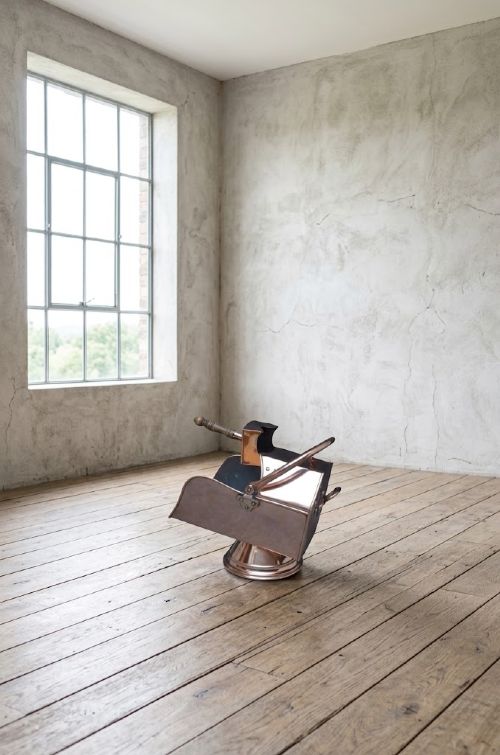
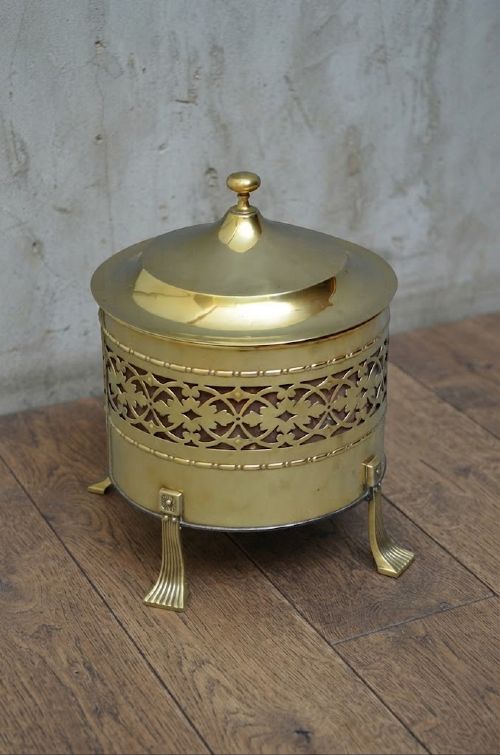
An edwardian fireside accessory brings utility and bright metal warmth to the hearth, drawing the eye with polished brass and hammered copper.
Edwardian Fireside Accessory
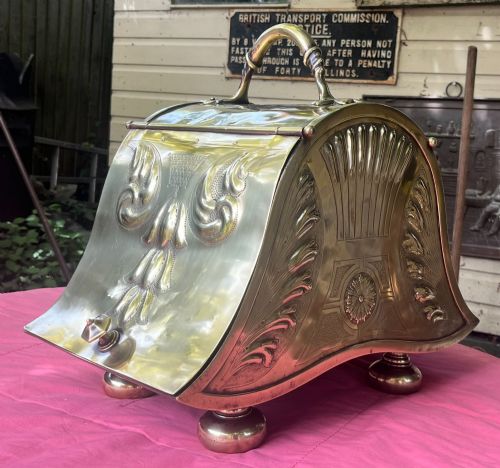
An edwardian fireside accessory encompasses functional items designed for coal storage, fuel keeping, and hearth tending during the early twentieth century. Buyers seeking this phrase encounter coal buckets, helmets, bins, companion sets, trivets, and toasting forks.
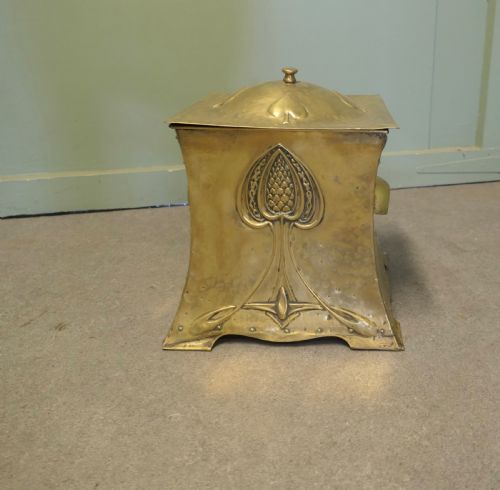
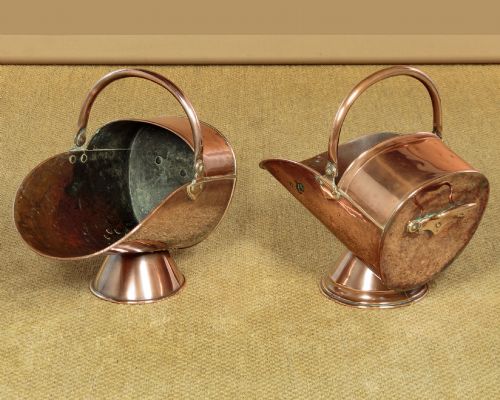
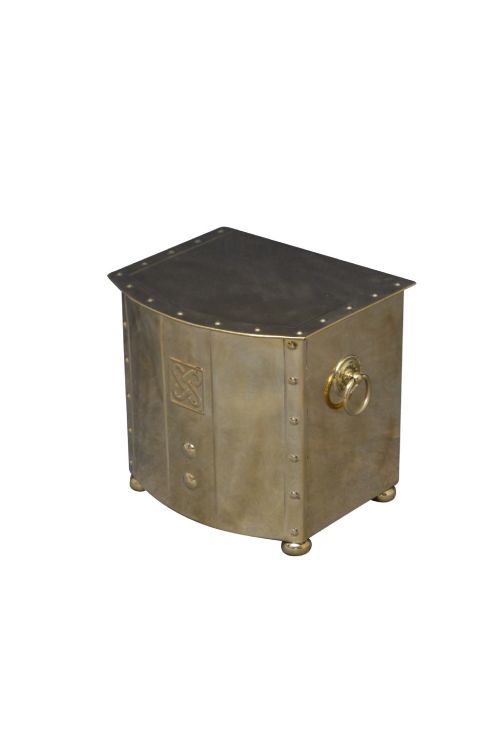
The pieces appearing on this page bridge the late nineteenth century and the early decades of the twentieth, spanning Victorian, Edwardian, Arts and Crafts, and Art Nouveau styles. Copper and brass forms dominate, alongside carved oak and walnut wooden boxes fitted with metal handles and shovels.
Judging quality in hearth ware
Quality rests in the substance of the metal gauge and the firmness of the joints, handles, and original iron frames. Thicker copper and brass resist denting and hold their shape under daily hearth duties.
Design execution separates standard utilitarian items from finer examples, visible in crisp hammer beating, intricate fretwork, and intact interior liners or matching shovels.
Listings feature pieces spanning from the 1880s through the Edwardian era into the 1930s, constructed in brass, copper, oak, walnut, and wrought iron.
Benham and Froud
The Edwardian Fireside Accessory Glossary
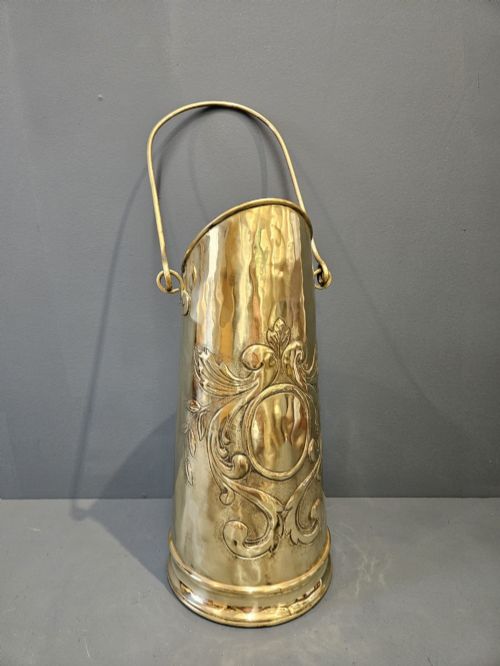
- Coal helmet
- A metal bucket with a flared, sloping opening resembling a classical helmet, designed for carrying and pouring fuel onto a fire.
- Purdonium
- A box or cabinet, often made of carved oak or walnut, containing a removable metal liner for holding coal.
- Trivet
- A small metal stand placed near the hearth to support kettles or warming vessels.
- Companion set
- A matched group of fireside tools, such as pokers, tongs, and shovels, held in a shared stand.
- Hammer beaten
- A surface technique where manual hammer blows leave a textured pattern across sheet copper or brass.
Edwardian Fireside Accessory: Frequently Asked Questions
How do I clean antique brass and copper?
Polishing depends on the desired finish, though many collectors prefer to retain a gentle aged patina rather than achieving a mirror shine.
Use non-abrasive metal cleaners specifically formulated for brass and copper, and avoid harsh scraping on hand-beaten or historic surfaces.
What is the difference between a coal bucket and a purdonium?
A coal bucket is typically an open or lidded metal vessel, such as a helmet scuttle or cylindrical bin, designed for carrying fuel.
A purdonium is a wooden box, often made of oak or walnut, enclosing a metal liner and featuring a drop-down front or hinged lid.
Were companion sets always sold with stands?
Fireside tool sets appear both as hanging suites and as floor-standing combinations designed to sit beside the hearth.
Matching tools often share stylistic details such as claw and ball feet or brass handles.
How do I spot Arts and Crafts style hearth pieces?
Arts and Crafts pieces emphasise honest construction, visible riveting, and hand-worked surfaces like hammer-beaten copper.
Decoration often draws on natural motifs, including spade designs and inlaid hearts.