
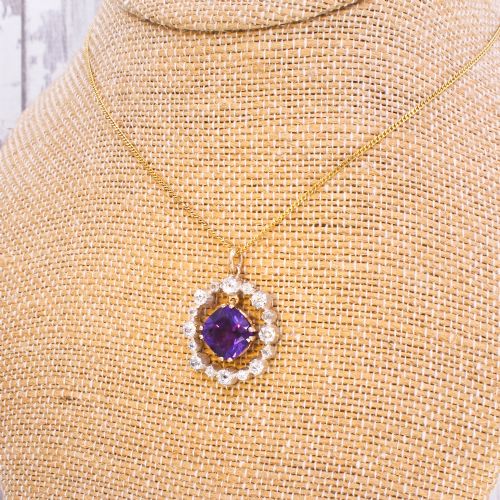
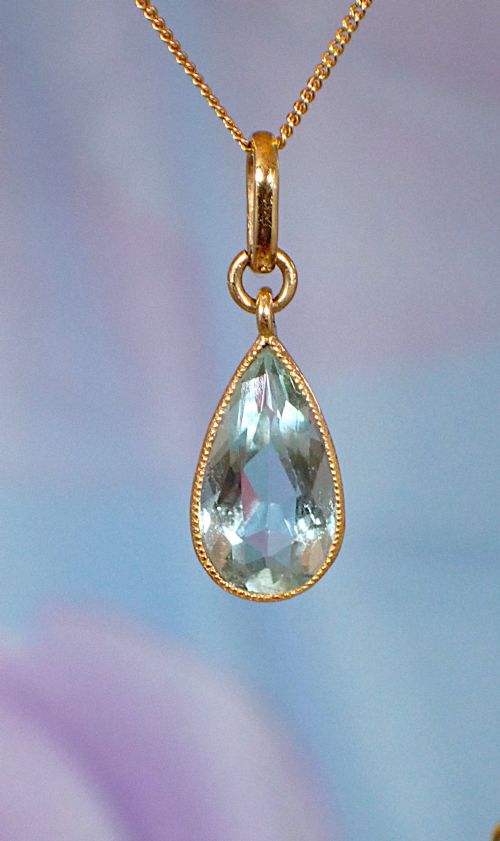
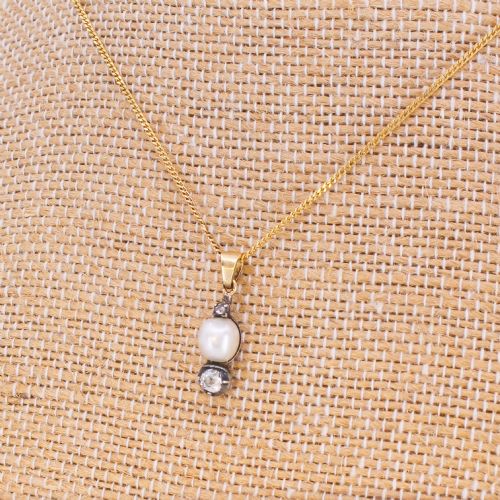


Edwardian Fine Jewellery Pendant
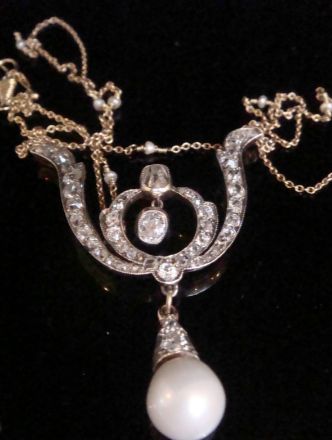
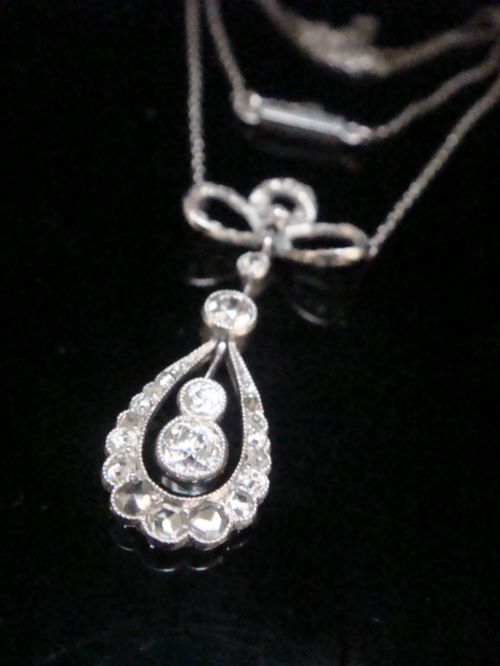
These pieces of edwardian fine jewellery pendant span delicate platinum drops and golden settings designed to catch the light against the collarbone.
Edwardian Fine Jewellery Pendant
An edwardian fine jewellery pendant represents an era of refined ornamentation, encompassing intricate drop necklaces, lavalieres, and convertible brooch pendants. You will most frequently encounter delicate gold and platinum mountings centred around aquamarines, amethysts, and pearls.
The aesthetic bridges late Victorian exuberance and geometric Art Deco styling, often incorporating flowing garlands, bows, and openwork frames. These jewels were designed for formal evening wear, utilising light metals to maximise the brilliance of old cut diamonds.
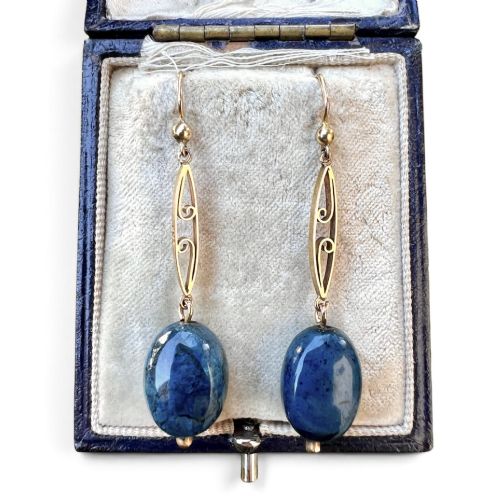
Pieces frequently arrive paired with period chains or as part of matched suites alongside drop earrings. The surviving examples demonstrate a preoccupation with botanical motifs and symmetrical grace typical of the period.
How they were made
Goldsmiths of the era worked extensively with yellow and white gold alongside platinum, which emerged as the preferred metal for securing diamonds due to its strength and slender profile. Silver foliate mounts also appear, often backed by gold to protect garments from tarnishing.
Gemstones such as aquamarines, amethysts, and opals are hand-set alongside natural and seed pearls, secured by fine claws and millegrain edging. Old cut and old European cut diamonds are painstakingly shaped by hand, contributing to the distinct, softer sparkle characteristic of the epoch.
Listings feature yellow gold, white gold, and platinum settings housing aquamarines, pearls, amethysts, and diamonds across multiple design periods.
What varies in quality
The distinction between standard commercial output and the finest examples lies in the delicacy of the pierced platinum work and the uniformity of the seed pearls. Master jewellers achieved superior structural integrity while keeping the mountings remarkably light.
Stone selection dictates the upper tier of the range, marked by deeply saturated aquamarines or amethysts paired with well-matched natural saltwater pearls. The finesse of the millegrain finish and the absence of clumsy repairs further separate exceptional survivals from ordinary items.
The Edwardian Fine Jewellery Pendant Glossary
- Millegrain
- A decorative technique involving a row of tiny raised metal beads along the edge of a setting. This frames the stones and softens the transition between metal and gem.
- Lavalier
- A pendant featuring a main gemstone suspended from a smaller stone or a chain, popular during the early twentieth century. It swings freely with the wearer's movement.
- Old Cut Diamond
- A diamond cut by hand before modern machinery standardised proportions, characterised by a high crown and small table. This facet arrangement produces a distinctive, warm candlelit shimmer.
- Seed Pearl
- A tiny, naturally occurring pearl, often drilled and threaded onto silk or set in clusters. They provide a delicate, shimmering contrast to coloured gemstones.
- Negligee Pendant
- A necklace style featuring two unequal drops suspended from a central motif or bow. It drapes asymmetrically down the chest.
Edwardian Fine Jewellery Pendant: Frequently Asked Questions
How do I care for my pendant?
Store your pendant separately in a lined box to prevent scratching softer gemstones like pearls and opals. Avoid ultrasonic cleaners, as these can damage delicate seed pearls and disturb fragile settings.
Clean the metal and harder stones gently with a soft cloth and warm soapy water. Have the claws inspected periodically by a specialist to ensure the stones remain secure.
Were these pendants worn daily?
These jewels were primarily created for evening wear, balls, and formal daytime calls among the affluent classes. Their lightweight construction and delicate platinum or gold wirework were unsuited for rough daily labour.
As social habits shifted, many were adapted into shorter neck chains or worn continuously for special occasions. Today, they transition easily from daytime attire to evening events.
How can I tell an original from a reproduction?
Examine the reverse of the piece for hand-finished construction marks and evidence of ageing in the metal alloys. Original examples often display period-appropriate clasp mechanisms and hand-cut stones rather than uniform modern brilliant cuts.
Consult the mountings under magnification to check for authentic millegrain work rather than cast imitations. The presence of old European cut diamonds provides a strong indicator of period authenticity.