


Natural Pearl Diamond Pendant
A natural pearl diamond pendant brings together organic lustre and fiery gems across Victorian, Edwardian and Art Deco designs.
Natural Pearl Diamond Pendant
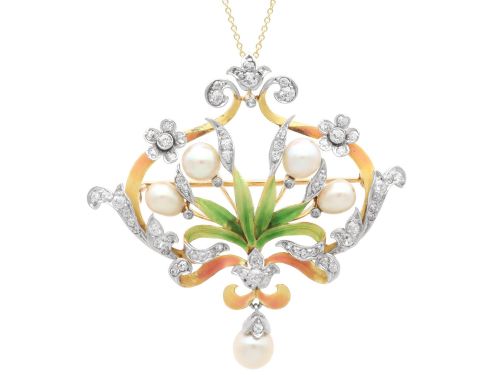
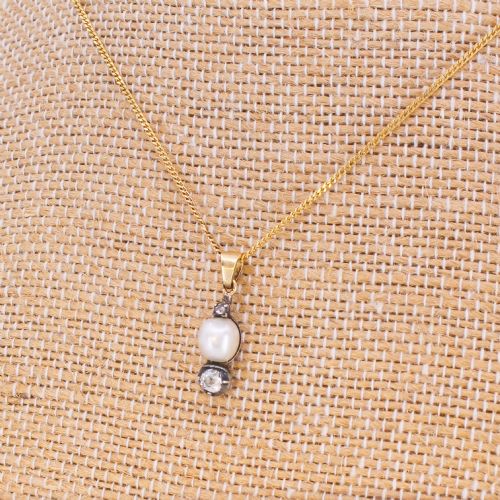
Natural pearl diamond pendants combine organic saltwater or freshwater pearls with cut diamonds, appearing in forms ranging from simple drops to convertible brooch pendants and elaborate lavalieres. When searching for a natural pearl diamond pendant, buyers encounter historic pieces spanning the Victorian, Edwardian and Art Deco periods, alongside 1900s work and later twentieth-century examples.
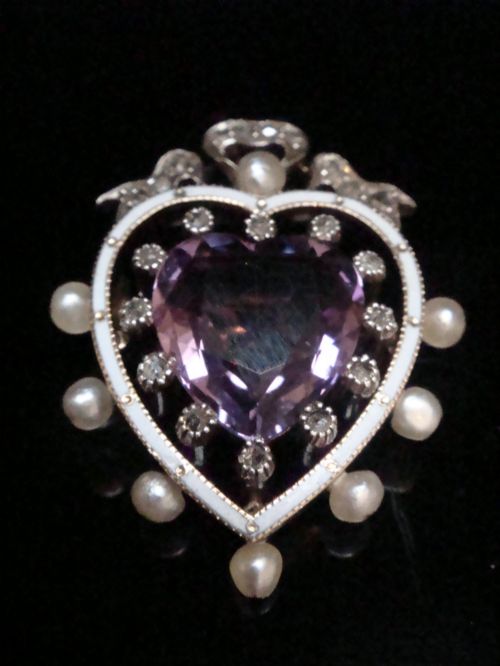
Many configurations incorporate supplementary stones such as rubies, opals, jadeite, or moonstones, often styled as hearts, bows, clusters, crosses or geometric drops. These items frequently feature versatile mountings allowing a pendant to function also as a brooch or to pair with matching earrings.
Materials and construction
Goldsmiths and jewellers built these pieces using platinum, silver, and yellow gold in 10ct, 12ct, 15ct, and 18ct purities, frequently combining platinum settings over gold to showcase white metals against diamonds. Gemstones are secured using traditional claw, bezel, and pave techniques, while pearls are drilled and mounted on pins or threaded as drops and seed pearl arrangements.
Surface decoration extends to guilloche enamel work in select Edwardian examples, adding colour beneath translucent glazes. Metalwork often incorporates fine millegrain edges and openwork galleries typical of platinum crafting in the early twentieth century.
Several items double as brooches, ready to flee the neckline and perch upon a lapel at a moment's notice.
Judging quality and character
Quality rests upon the origin and lustre of the pearl, the weight and cut of the diamonds such as old cuts or rose cuts, and the fineness of the metalwork. Saltwater pearls and certified natural specimens command attention for their orient and skin, while substantial diamond carat weights elevate the standing of a piece.
Artistic execution also separates standard production from finer masterwork, particularly in the delicacy of Edwardian openwork mounts, platinum fabrication, and balanced proportions in multi-gem clusters or bow motifs.
The Natural Pearl Diamond Pendant Glossary
- Guilloche enamel
- A decorative technique where transparent enamel is layered over engine-turned metal engraving. This creates a geometric patterned background beneath the glossy surface.
- Old cut diamond
- A precursor to the modern brilliant cut, typically featuring a smaller table and high crown. These stones were hand-faceted to catch candlelight.
- Rose cut diamond
- A flat-based diamond with a domed top covered in triangular facets. It produces a soft, translucent gleam rather than sharp brilliance.
- Lavaliere
- A pendant necklace featuring a central drop suspended from a chain or rigid collar. The style gained popularity during the Edwardian era.
- Millegrain
- A decorative edging consisting of a line of tiny raised metal beads. It softens hard metal borders with a textured finish.
Natural Pearl Diamond Pendant: Frequently Asked Questions
How do I know if a pearl is natural?
Natural pearls form organically within molluscs without human intervention, differing from cultured pearls through internal structure visible via specialised testing. Many historic pieces rely on certified natural saltwater origin.
Buyers often look for certification from recognised laboratories to confirm natural growth layers, ensuring the piece retains its historic and material standing.
What is the difference between Victorian and Edwardian pendants?
Victorian pieces often feature heavy yellow gold settings, romantic motifs like hearts and crosses, and rose-cut diamonds. They tend to feel warmer and more substantial in hand.
Edwardian work shifts toward platinum, lace-like openwork, and bows, prioritising a lighter, whiter aesthetic that showcases diamonds and pearls with maximum brilliance.
Can I wear a pendant brooch conversion daily?
Convertible pieces feature pin mechanisms alongside fixed or hinged loops for chains. Many people wear them securely as pendants by removing or locking the pin safely behind the frame.
Careful handling ensures the hinged components and pin stems remain undamaged during regular rotation between brooch and necklace modes.
What metals were commonly used?
Yellow gold in various purities like 15ct and 18ct dominated Victorian and early Edwardian workshops. Platinum emerged strongly around the turn of the century for its strength and white finish.
Combination pieces frequently pair yellow gold backs with platinum-topped fronts, allowing jewellers to secure diamonds in white metal while maintaining traditional gold structures.