


Gold Diamond Pendant Brooch
These gold diamond pendant brooch pieces combine the versatility of a pin with the focal draw of a necklace.
Gold Diamond Pendant Brooch
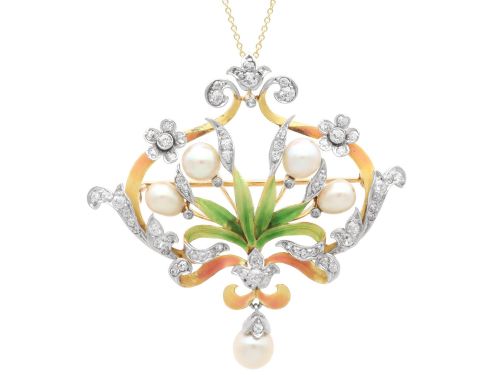
A gold diamond pendant brooch functions as a dual-purpose jewel designed to pin onto clothing or suspend from a chain around the neck. You will most frequently encounter Victorian and Edwardian examples featuring convertible mechanisms, such as detachable bails or fold-away pin stems.
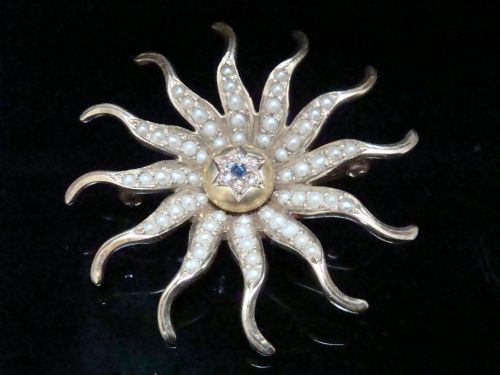
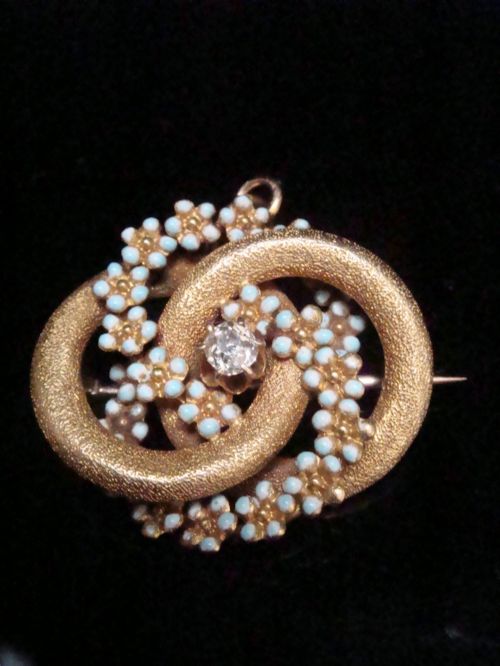
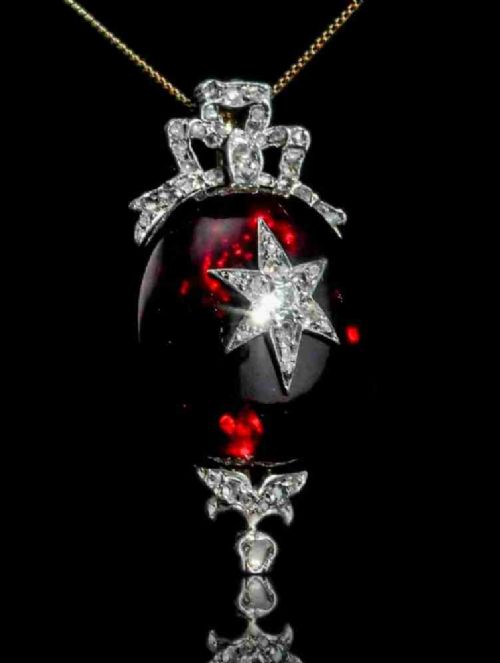
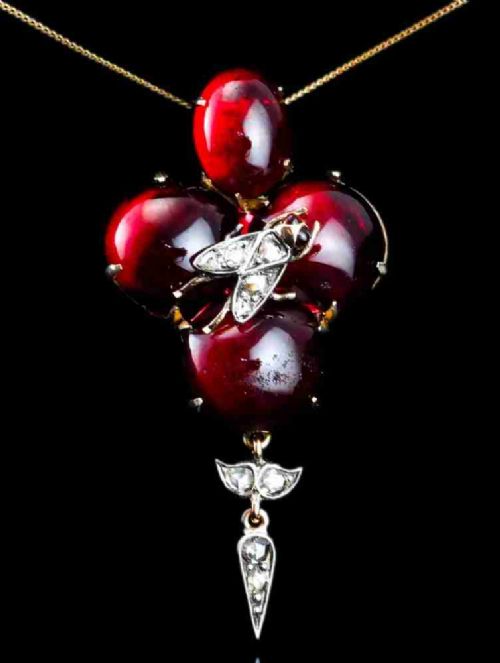
The selections span the late nineteenth and early twentieth centuries, encompassing the Victorian, Edwardian, and Art Nouveau periods. Common motifs include celestial starbursts, floral sprays, insects, bows, and geometric crescent shapes.
Makers of this jewellery combined multiple functions into single items to maximise utility for the wearer. A piece might transition from a lapel pin during the day to a grand pendant for evening wear by removing the backing assembly.
Materials and construction methods
Craftsmen utilised varying purities of yellow gold, ranging from nine carat up to eighteen carat, alongside silver settings placed directly over the gold. This traditional technique of topping gold with silver allowed stones to be set securely while maintaining a bright white backdrop that enhanced the sparkle of old cut diamonds.
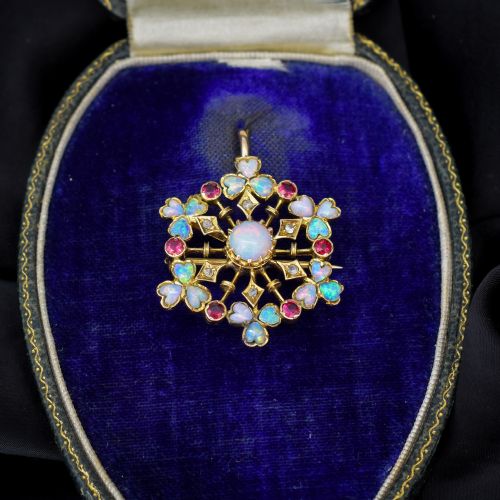
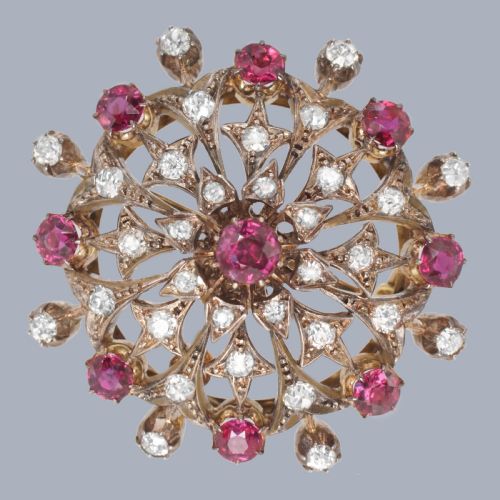
Gems including natural pearls, opals, rubies, sapphires, emeralds, and peridots were integrated alongside diamonds using claw, bezel, or pavé settings. Artisans incorporated platinum by the Edwardian era, employing its strength to create fine, lace-like mounts without excessive weight.
Listings feature yellow gold, platinum, and silver alongside diverse gemstones including opals, emeralds, and seed pearls across Victorian and Edwardian periods.
Distinguishing quality across the range
The sophistication of the conversion mechanism dictates much of the standard, with superior examples offering hidden hinges and secure, flush-fitting bails that do not disrupt the primary design. Precision in stone matching, particularly for multi-gem clusters and natural pearl arrangements, also separates standard work from finer output.
Hand-carving and meticulous piercing of the underlying gold or silver frame show the maker's dedication. Pieces exhibiting high-grade old cut diamonds with clean symmetry alongside untreated coloured gemstones demonstrate elevated manufacturing standards.
The Gold Diamond Pendant Brooch Glossary
- Convertible
- A jewel engineered to transition between a brooch and a necklace pendant. This flexibility was particularly popular during the nineteenth century.
- Old cut
- A diamond facet style hand-polished before modern brilliant-cut standards were established. These stones typically feature smaller tables and deeper pavilions.
- Bail
- The small ring or loop attached to the top of a pendant that allows a chain to pass through. In convertible pieces, this component often folds down or detaches completely.
- Pavé
- A setting technique where multiple small stones are set closely together with minimal visible metal. This creates the appearance of a continuous surface of gems.
- Acanthus
- A classical ornamental motif based on the foliage of the acanthus plant. It appears frequently in Victorian floral and scrollwork designs.
Gold Diamond Pendant Brooch: Frequently Asked Questions
How do I wear a convertible pendant brooch?
You can thread a chain through the integrated loop to suspend the item around your neck as a pendant. Alternatively, secure the pin stem safely onto the fabric of a lapel, scarf, or bodice.
Ensure the pin mechanism is securely locked when worn as a brooch to prevent loss. When hanging the piece from a necklace, fold down or remove any exposed sharp components if the design permits.
How can I tell a Victorian piece from an Edwardian one?
Victorian items, produced during the nineteenth century, often display rich yellow gold settings and heavier floral or celestial motifs. Edwardian examples from the early twentieth century lean towards lighter white metals like platinum and silver paired with delicate openwork.
Look closely at the stone setting techniques and metal colours to determine the era. Edwardian pieces frequently utilise platinum for intricate lacework, whereas Victorian designs favour warmer gold tones.
What stones are typically found alongside diamonds here?
These jewels frequently incorporate natural pearls, rubies, sapphires, emeralds, and opals. Peridot, garnet, and turquoise also appear regularly within nineteenth-century cluster and starburst arrangements.
Coloured gemstones were often selected to create contrast against the central diamonds. Many items feature multi-gem layouts celebrating botanical or insect themes.
How should I care for antique diamond jewellery?
Clean these items gently using a soft brush with warm soapy water, avoiding harsh chemical cleaners. Take care with softer organic gems like pearls and opals, which require specific preservation away from direct perfumes and excessive moisture.
Store each piece separately in a lined box to prevent scratching between stones and metals. Periodic checks by a specialist jeweler will ensure the settings remain tight and secure.