

Yellow Gold Victorian Brooch
A yellow gold victorian brooch combines historical ornament with enduring craftsmanship, offering a wearable piece of the nineteenth century.
Yellow Gold Victorian Brooch
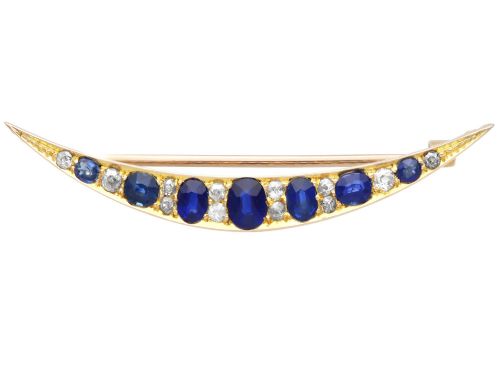
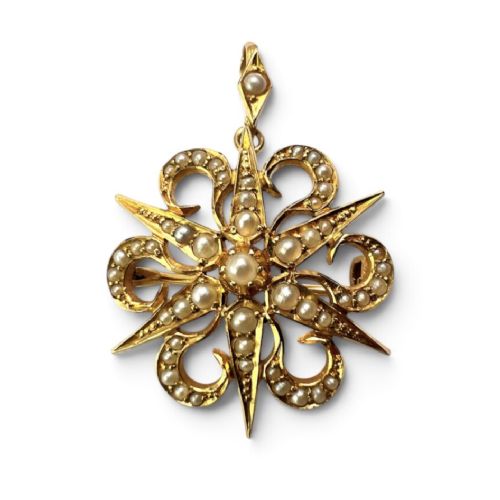
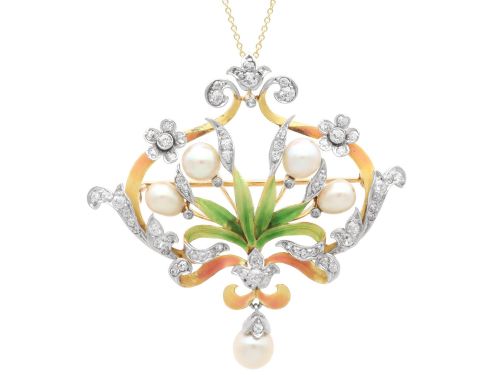
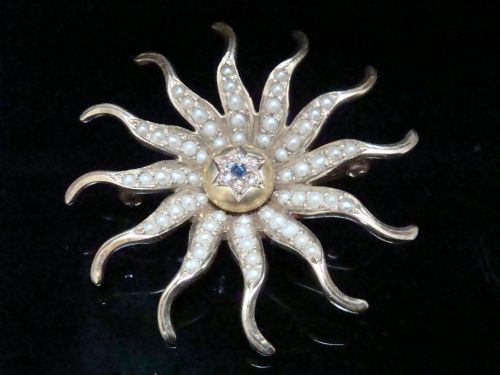
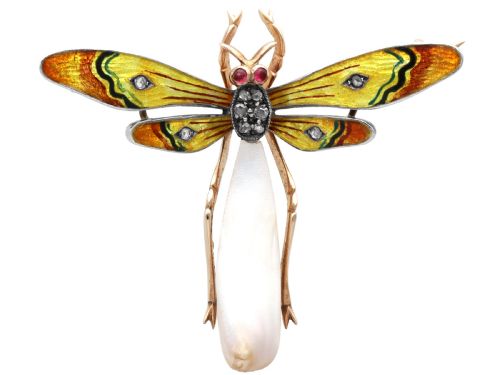
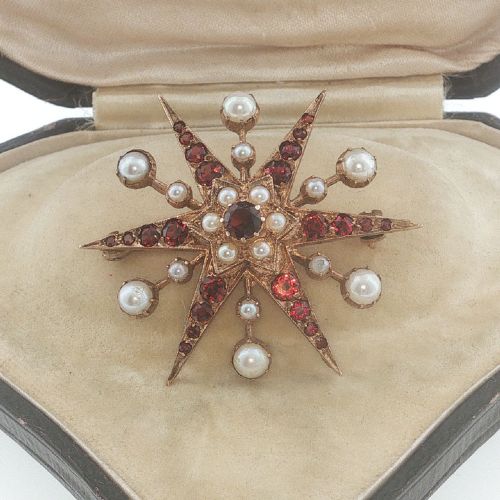
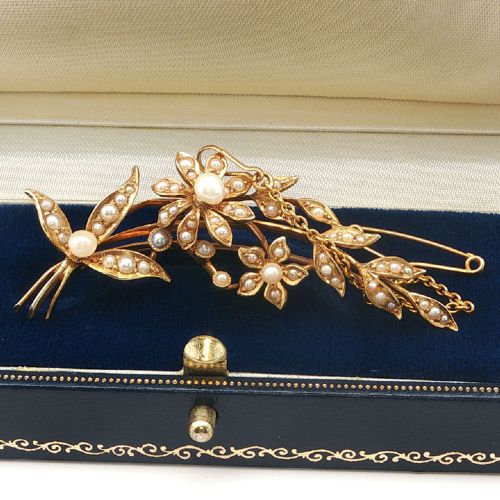
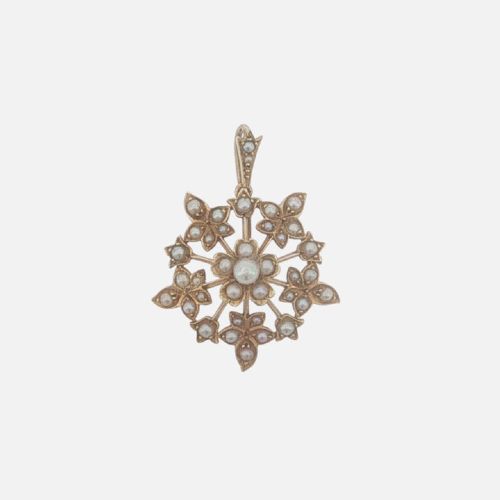
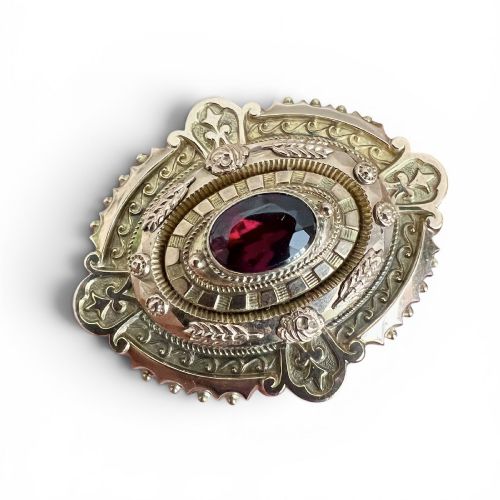
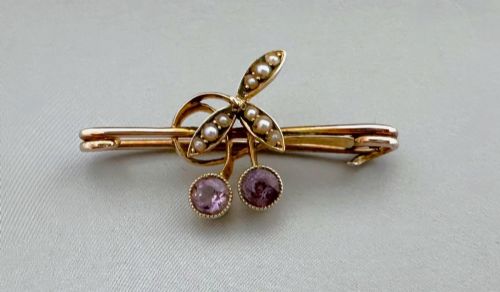
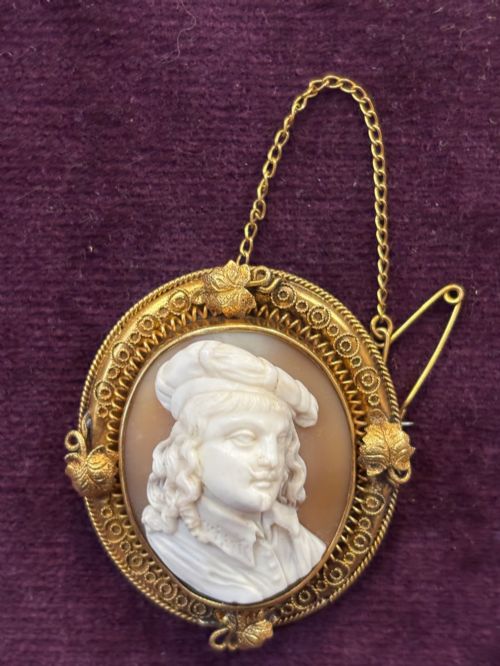
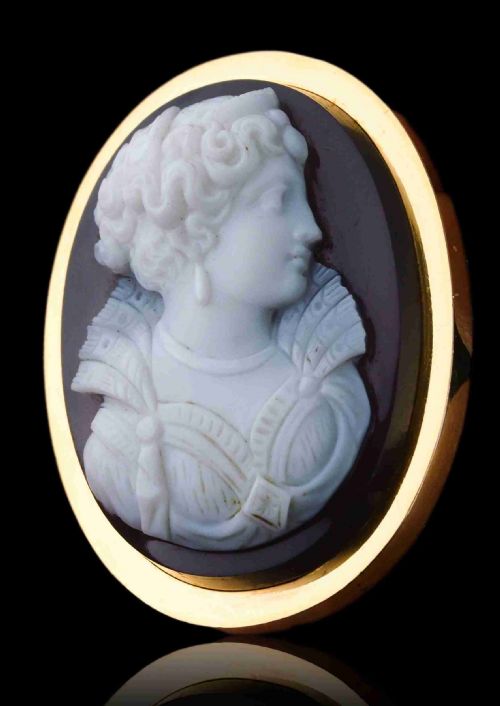
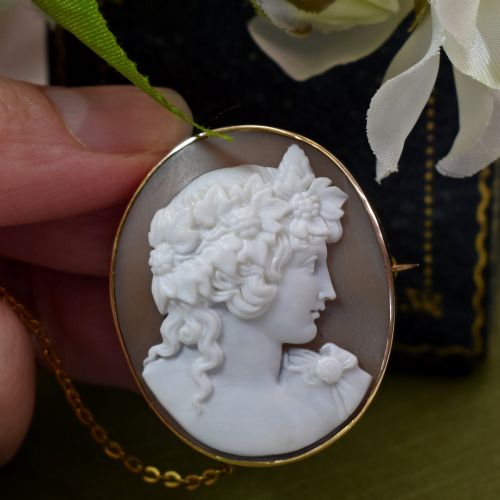
A yellow gold victorian brooch is typically encountered as a bar pin, a floral cluster, or a detailed locket originating from the nineteenth century. The selection spans the Victorian and Edwardian periods, featuring diverse forms such as starbursts, cameos, and convertible pendant brooches.
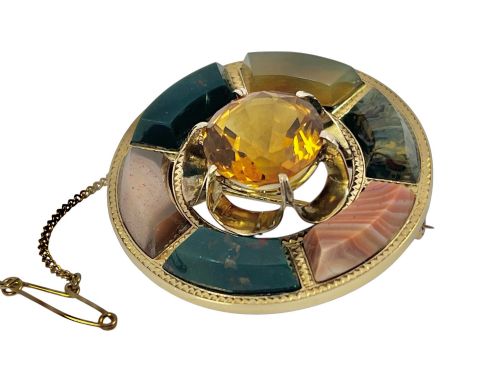
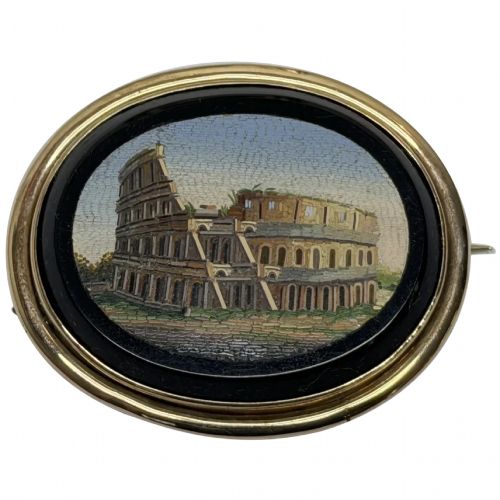
Makers utilised distinct regional styles, ranging from Etruscan revival motifs to grand tour micromosaics and carved shell cameos. Buyers frequently encounter pieces incorporating regional gemstones alongside yellow gold mountings.
The objects served primarily as personal adornment on collars, lapels, and shawls, often doubling as pendants through integrated loops.
Materials and construction
Constructed predominantly in varied purities of yellow gold, including nine-carat, fifteen-carat, and eighteen-carat standards, these items frequently incorporate silver settings for gemstones to enhance brilliance.
Gems such as garnets, seed pearls, diamonds, amethysts, and turquoise are secured using claw, collet, or pave techniques, often accompanied by delicate hand-carved hardstone and shell cameos.
Metalsmiths employed specialised techniques including cannetille wirework, granulation, and repousse to build textured and three-dimensional frames.
Listings feature nine-carat, fifteen-carat, and eighteen-carat yellow gold alongside seed pearls, diamonds, garnets, and hand-carved cameos.
Evaluating distinction
Superior quality in a yellow gold victorian brooch is evident in the precision of the metalwork, such as fine wirework and secure gem settings, rather than sheer scale. Hand-carved cameos display greater depth and anatomical accuracy in the relief figures.
The selection of stones dictates the upper tier of pieces, where unheated sapphires, natural untreated rubies, and clean old-cut diamonds are matched with harmonious gold alloy proportions.
Original fitted boxes and convertible mechanisms that allow the brooch to function as a pendant elevate the historical completeness of the piece.
The Yellow Gold Victorian Brooch Glossary
- Bar brooch
- A narrow horizontal pin format, often set with central gems or clustered motifs. This layout was widely produced during the nineteenth century.
- Cannetille
- A decorative metalwork technique utilising fine gold wires twisted and soldered into openwork lace patterns. It recalls seventeenth-century embroidery.
- Micromosaic
- Tiny coloured glass tesserae assembled to form pictorial scenes, frequently depicting Roman landmarks. They were popular souvenirs for nineteenth-century travellers.
- Demi parure
- A matched set of jewellery comprising fewer pieces than a full parure, commonly a brooch accompanied by earrings. These sets were often housed in custom fitted presentation boxes.
- Old-cut diamond
- A hand-faceted diamond shape predating modern brilliant cuts, characterised by a smaller table, higher crown, and open culet. These stones display a softer candlelit sparkle.
Yellow Gold Victorian Brooch: Frequently Asked Questions
How do I wear an antique brooch safely?
Secure the pin through tightly woven fabrics or utilise a protective backing clutch over the pin stem. Ensure the safety catch is fully engaged before wearing.
For convertible pieces that also function as pendants, remove the pin mechanism or tuck it inward when suspending the item from a chain.
Were these brooches used as pendants too?
Many nineteenth-century brooches feature hidden or fold-down loops designed to accommodate a neck chain. This dual functionality allowed owners to transition the item from daytime lapel wear to evening pendant display.
Checking the reverse of a piece often reveals these hinged or fixed suspension rings.
How can I tell a Victorian piece from later revivals?
Examine the pin mechanism, catch, and hinge construction, as nineteenth-century findings differ substantially from modern manufacturing. Hand-carved details and solder marks under magnification also indicate period assembly.
Hallmarks, where present, provide direct dating indicators through assay office symbols and date letters.
What is Etruscan revival style?
Etruscan revival jewellery draws inspiration from ancient archaeological excavations in Italy during the mid-nineteenth century. This aesthetic relies heavily on yellow gold surfaces decorated with meticulous granulation and filigree.
Pieces in this style reflect Victorian fascination with classical antiquity and ancient Mediterranean craftsmanship.