


Edwardian Entry Lantern
Edwardian entry lanterns are practical yet decorative hallway lights that illuminate grand entrances with period charm.
Edwardian Entry Lantern
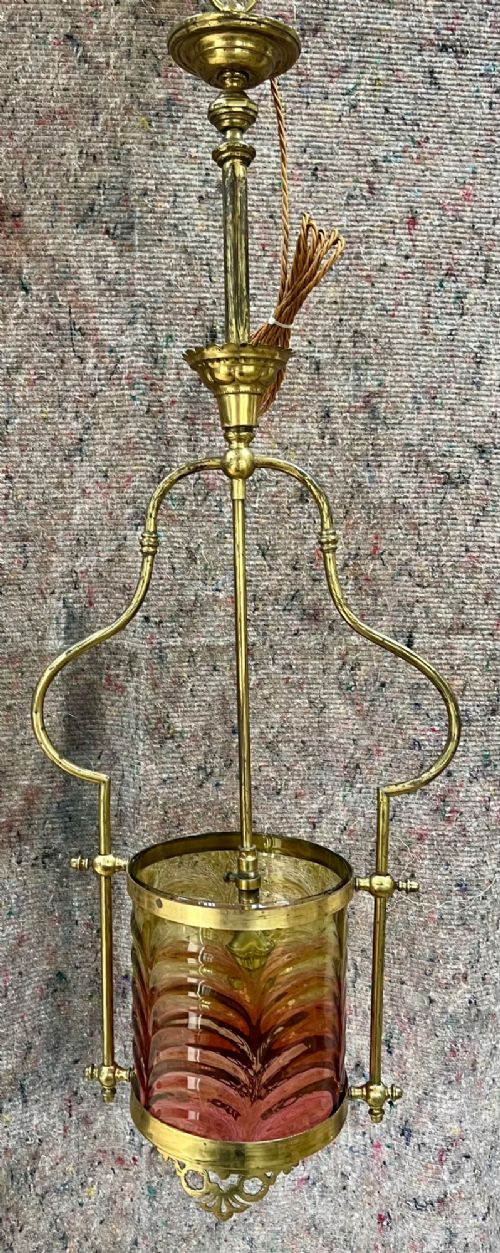
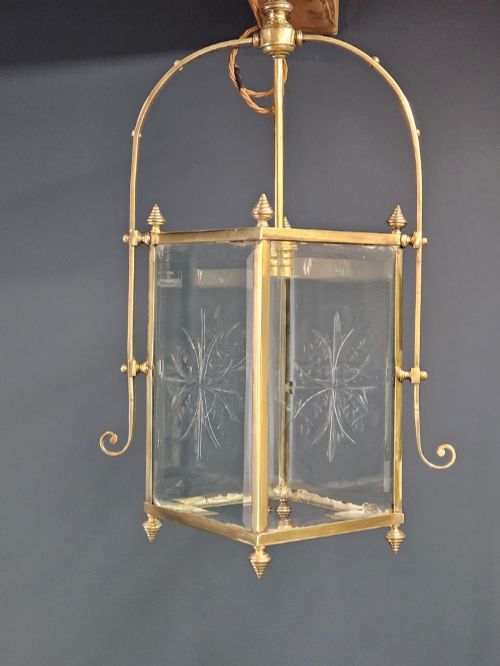
You are most likely to encounter hanging hall lanterns and ceiling lights framed in brass or copper. Many examples incorporate glass panels, ranging from simple panes to bevelled glass.
The selection includes wall lanterns and multi-light pendants, demonstrating the variety of forms produced during the period. Designs draw on traditional English aesthetics alongside French Rococo and Chateau influences.
How they were made
Makers constructed these lanterns using robust metals including brass, copper, and bronze, often applying gilding for a richer finish. Wrought iron also appears in the construction, providing structural strength for larger hanging fixtures.
Glazing involved fitting glass panels into metal frames, with bevelled glass frequently utilised to catch and refract the light. Metalwork techniques combined cast bronze elements with sheet copper and brass framing.
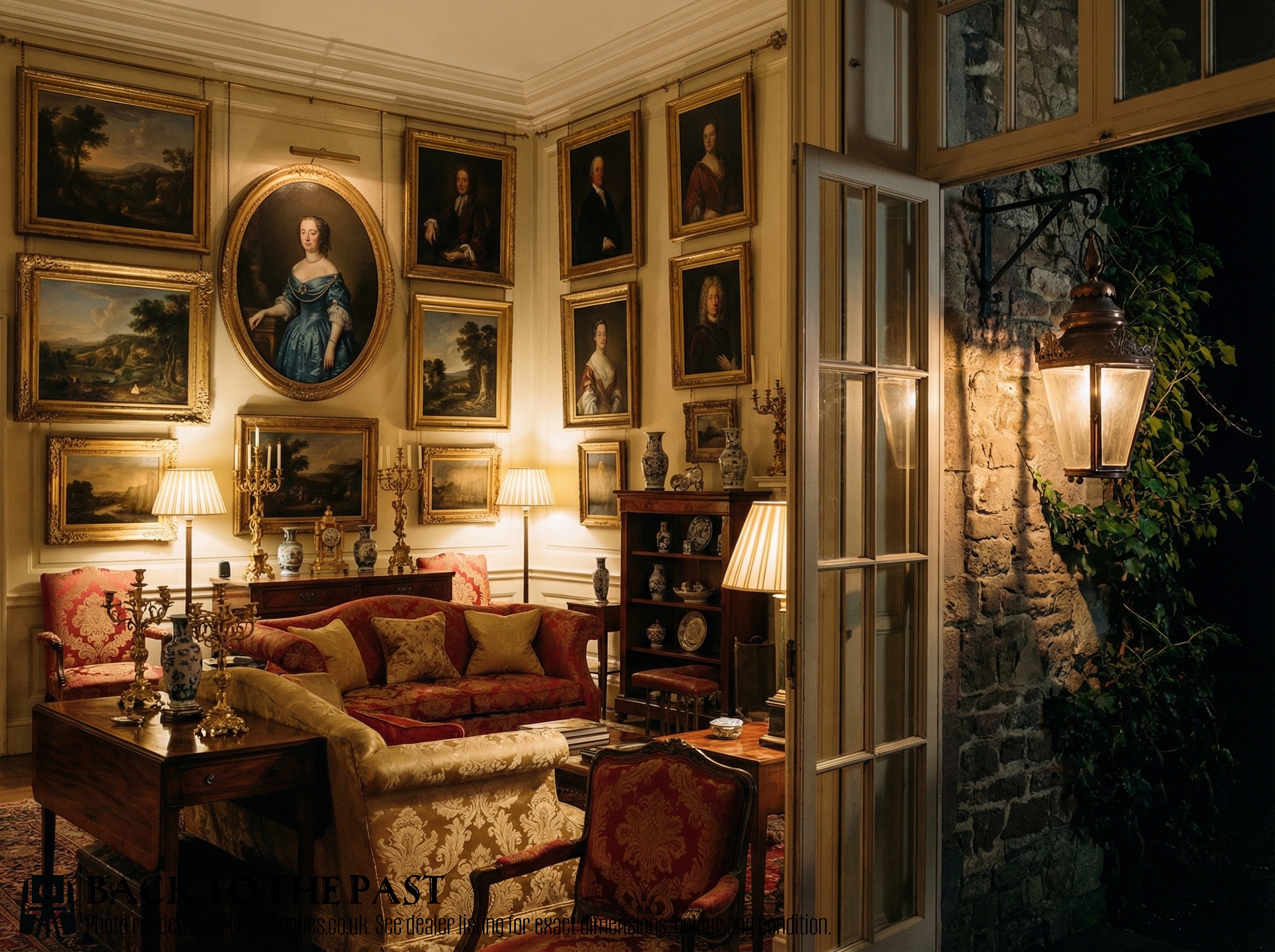
Copper lanterns from Chelsea c1900 bring a salty maritime atmosphere straight to the front hallway.
What varies in quality
The calibre of metalwork dictates the upper tier of these pieces, where heavier bronze or cast brass replaces lighter sheet metal. Gilding and refined surface patination elevate the finish above standard production.
Glass selection divides the range, with thick bevelled glass panes requiring greater skill to cut and fit than plain glass. Pairs and matched sets also represent a more substantial level of original manufacture than single lights.
The Edwardian Entry Lantern Glossary
- Bevelled glass
- Glass with an angled edge cut around the perimeter, designed to refract light and add decorative depth.
- Hall lantern
- A ceiling-hung lighting fixture specifically designed for entrance halls and corridors.
- Gilded bronze
- Bronze metal coated with a thin layer of gold or gold-coloured finish for enhanced lustre.
- Octagonal
- Having eight sides and eight angles, often seen in the geometry of lantern frames.
- Pendant light
- A light fixture that is suspended from the ceiling by a chain, cord, or metal rod.
Edwardian Entry Lantern: Frequently Asked Questions
Where should an entry lantern hang?
These fixtures suit hallways, porches, and entrance vestibules where adequate ceiling height allows for hanging clearance. They provide ambient illumination for welcoming guests.
Ensure the scale of the lantern matches the proportions of the hallway and the height of the ceiling.
How do I identify an Edwardian lantern?
Look for construction methods and metal types typical of the early twentieth century, such as brass framing and bevelled glass. Stylistic cues often align with the Edwardian period or slightly earlier Victorian influences.
Examine the patination of the brass, copper, or bronze to understand the age of the piece.
Are these lanterns suitable for outdoor use?
Certain wall lanterns and specific copper models were designed for exterior spaces, as seen in period pairings. However, many surviving examples are intended for interior hallways.
Check the listing details regarding whether a particular light suits sheltered outdoor positions or indoor spaces only.
How are multi-light lanterns wired?
Most antique lanterns accommodate multiple bulb fittings inside the glass enclosure to provide sufficient hallway illumination. Modern electrical rewiring is typically necessary for safe daily use.
Consult a qualified electrician to install and test hanging lanterns according to current safety standards.