

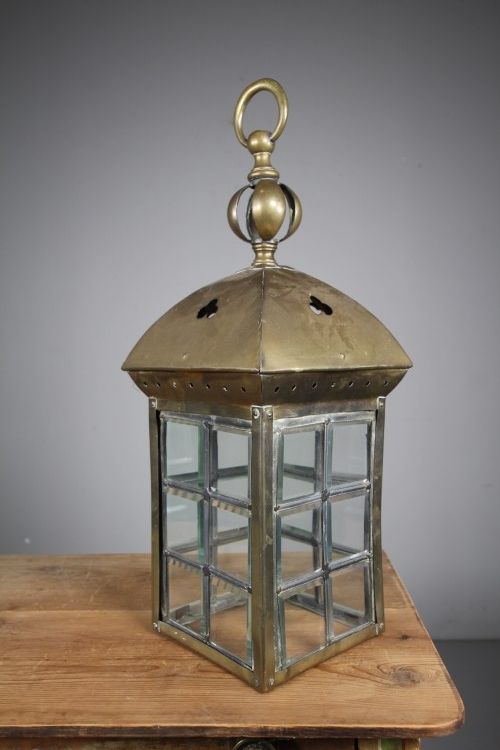


Edwardian Glazed Pendant
Edwardian glazed pendant lights bring historic illumination into a hallway, combining functional glass panels with sturdy metal frames.
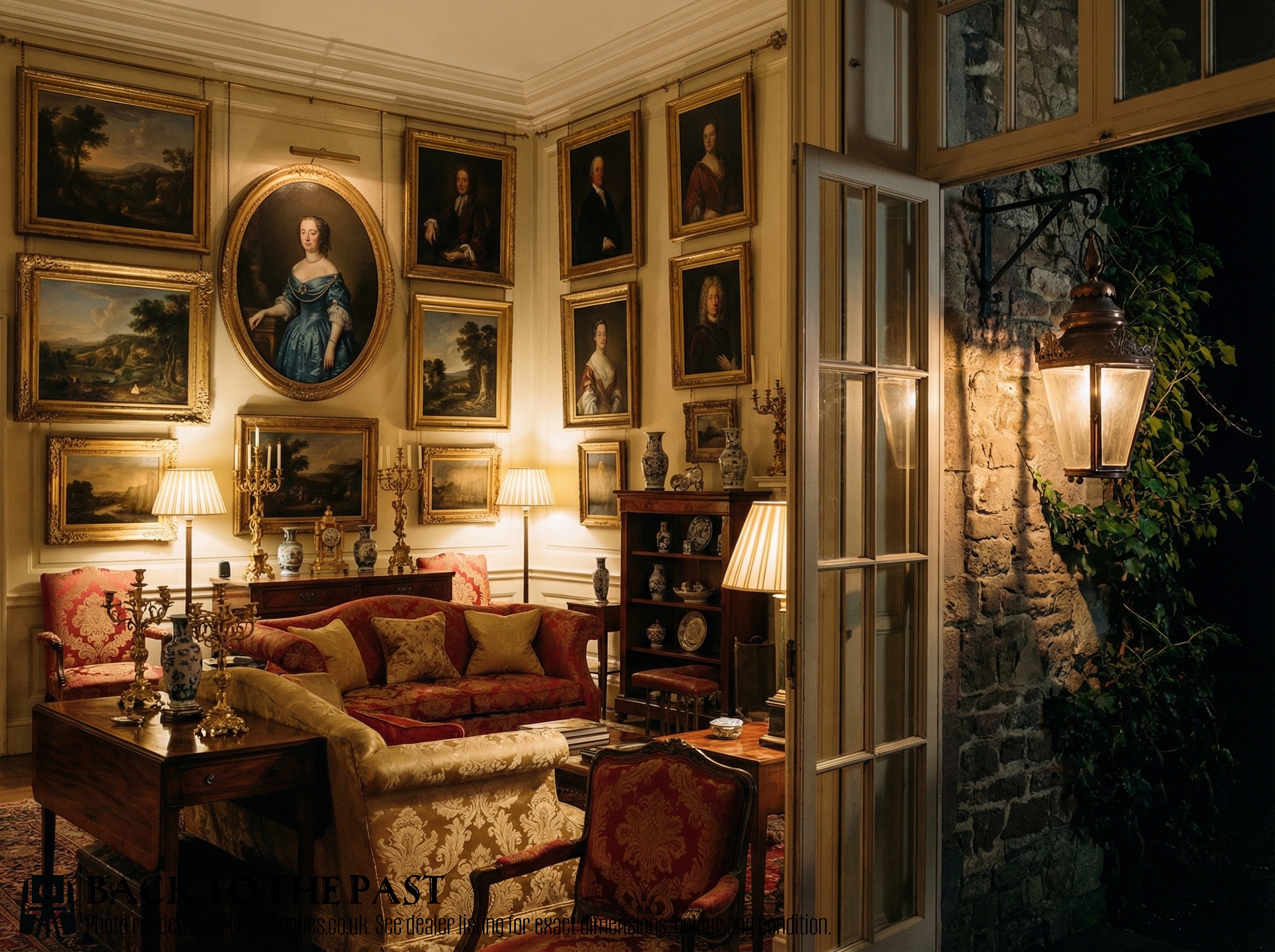
Edwardian Glazed Pendant
Edwardian glazed pendant lights are ceiling-suspended fixtures designed to illuminate hallways, porches, and vestibules. These pieces primarily date from the early twentieth century, spanning periods around nineteen ten and nineteen twenty, alongside related Victorian and nineteenth-century examples.
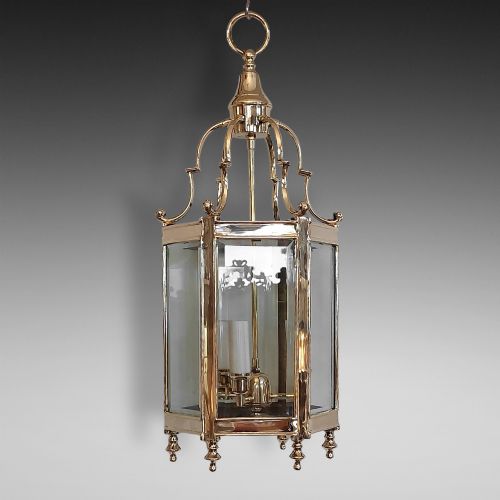
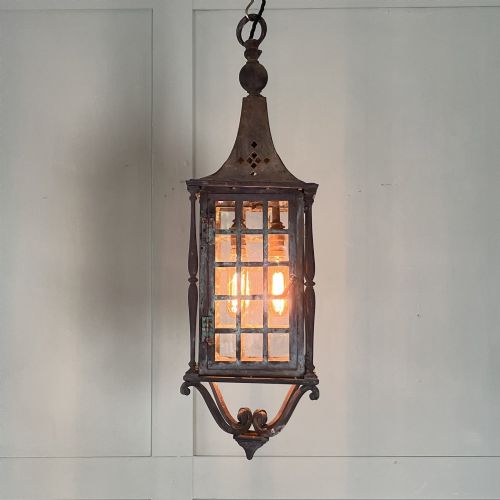
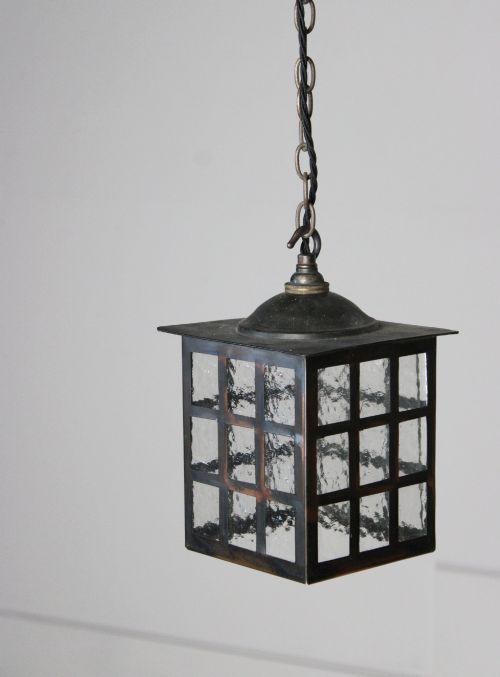
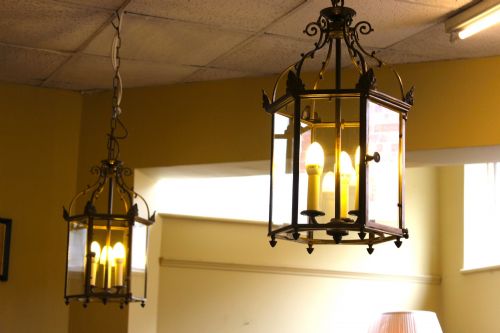
The most common forms on this page include hexagonal and rounded lanterns suspended on chains or rods. Buyers frequently encounter brass and copper frames fitted with glass panels, ranging from simple clear panes to bevelled glass.
Origin variations include English and French designs, showcasing styles such as Gothic Revival, Arts and Crafts, and Rococo Revival. These fixtures serve as functional ceiling lighting while establishing a distinct historical character in entrance spaces.
Materials and Construction Methods
Construction relies heavily on metals such as brass, copper, and bronze, alongside gilded bronze, iron, and steel. Metalworkers formed structural frames into hexagonal or rounded shapes, often incorporating decorative motifs or surface finishes.
Panels of glass and bevelled glass were fitted directly into the metal frameworks to enclose the light source. These materials ensured durability in transitional spaces like porches and halls while diffusing light through the panes.
Assessing Quality and Execution
Quality in these hanging lanterns rests upon the substance of the metal frame and the precision of the glazing. Heavier metalwork and substantial brass or bronze structures distinguish finer examples from lighter, utility-grade alternatives.
The sophistication of the decorative details, such as cast bronze ornamentation or custom bevelled glass panels, elevates a piece above standard production. The integration of period appropriate materials determines the overall integrity of each hanging lamp.
The Edwardian Glazed Pendant Glossary
- Edwardian
- Pertaining to the reign of King Edward VII, spanning nineteen hundred to nineteen ten. This era produced distinctive domestic lighting with refined proportions.
- Bevelled Glass
- Glass panes featuring angled edges ground and polished to a specific slope. This technique refracts light attractively within enclosed hall lanterns.
- Gilded Bronze
- Bronze metal coated with a thin layer of gold or gold-coloured leaf. It provides a rich, lustrous surface finish often found on French hall lanterns.
- Hexagonal Form
- A geometric shape possessing six sides and six angles. Many period pendant lights utilise this symmetrical configuration for balanced illumination.
Edwardian Glazed Pendant: Frequently Asked Questions
Where should I hang an Edwardian pendant?
These fixtures suit entrance halls, corridors, and high-ceilinged porches where they provide functional overhead illumination.
Their enclosed glass design protects the interior light source from drafts in transitional spaces.
How do I identify an Edwardian lantern?
Look for structural elements associated with the early twentieth century, including specific brass or copper frames.
Stylistic cues often reference Edwardian design alongside transitional Victorian or Arts and Crafts influences.
What metals were used for these lights?
Common structural metals include brass, copper, bronze, and steel, sometimes with gilded finishes.
Heavier pieces frequently utilise cast bronze or substantial brass framing to support the glass panels.
Are these lights suitable for low ceilings?
Most pendant lanterns and hall lights hang from chains or rods intended for standard or high ceilings.
Suspension length often depends on the specific drop required for hallways and porches.