


Edwardian Copper Pendant
An edwardian copper pendant brings warm metallic tones and utilitarian charm to a room, offering a distinct focus for interior lighting.
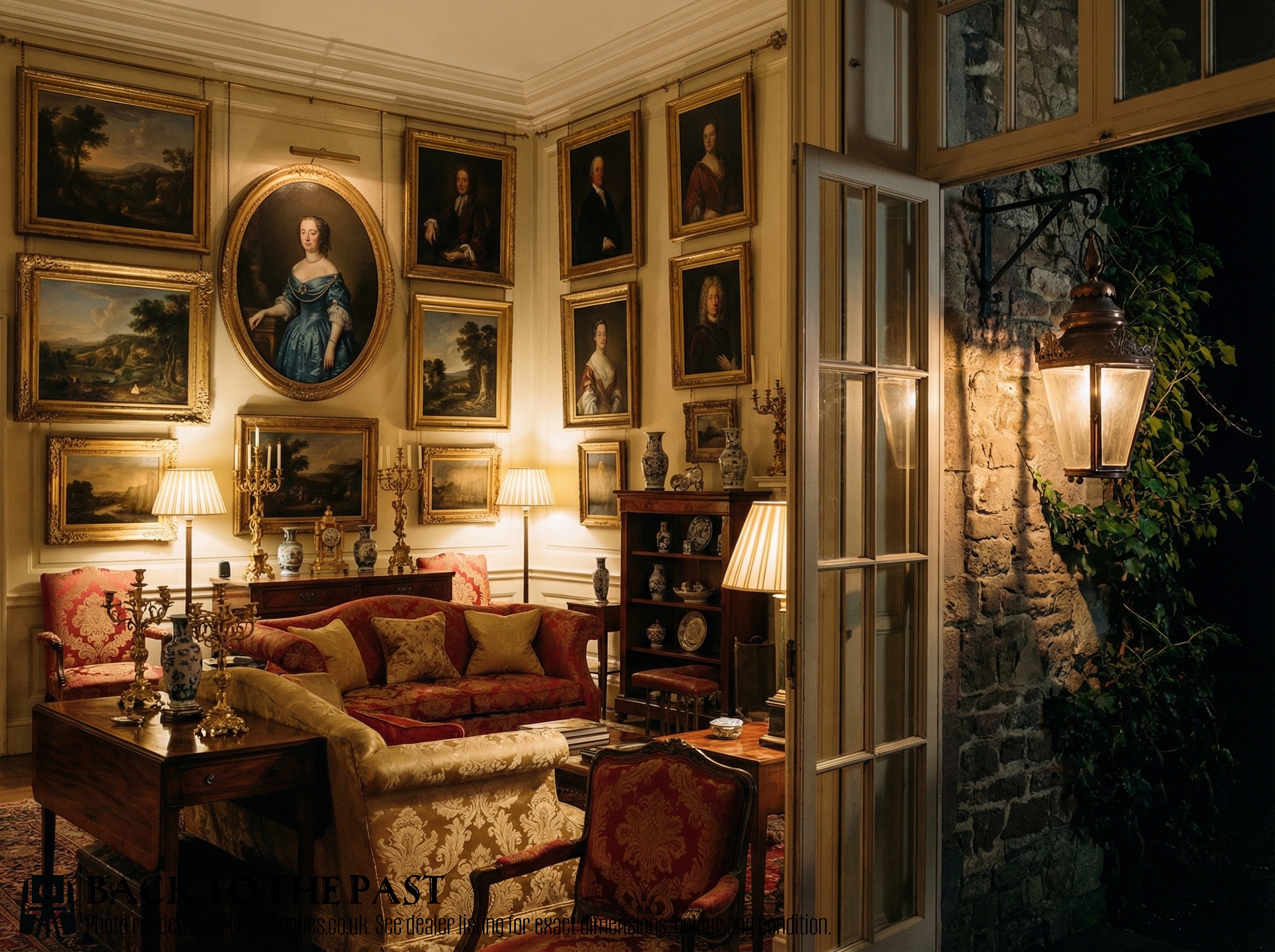
Edwardian Copper Pendant
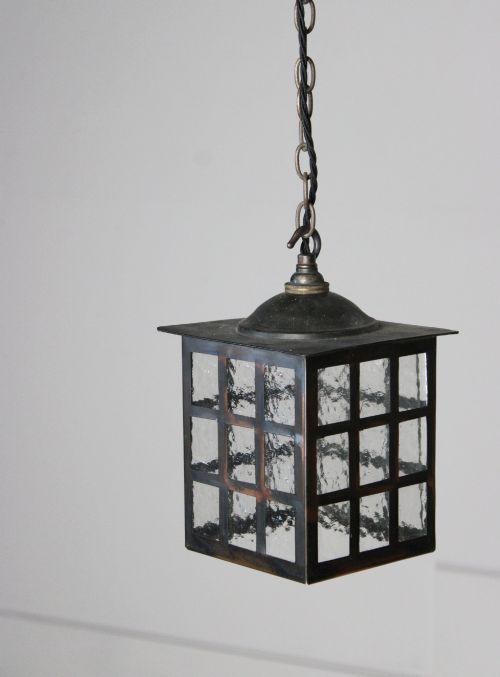
An edwardian copper pendant is typically formed as a lantern or hanging ceiling light, designed to illuminate halls and porches with period character. These fixtures embody the robust construction methods of their era, serving both practical lighting and decorative functions in domestic spaces.
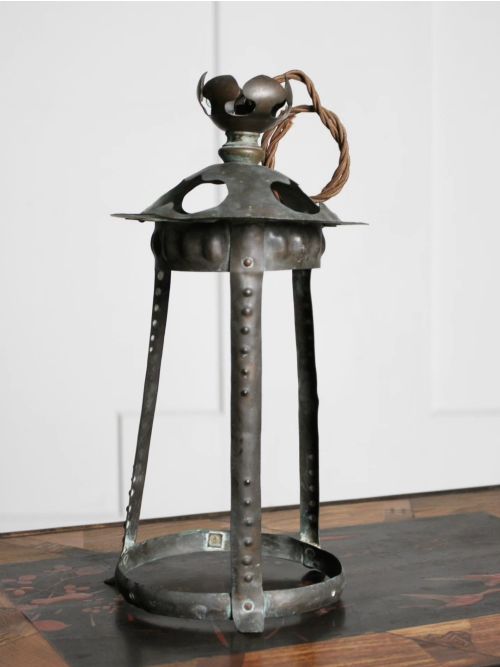
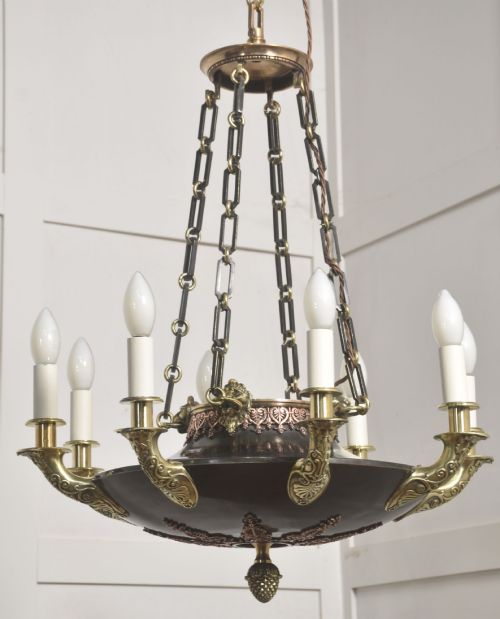
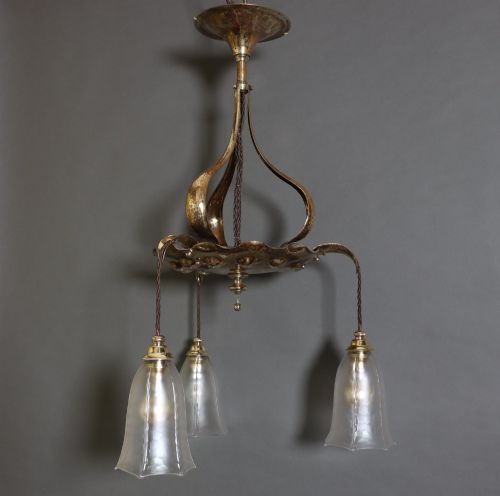
The versions most commonly met on this page derive from the Arts and Crafts movement, featuring straightforward structural forms and hammered metal surfaces. Alongside these, examples styled in Empire Revival or Art Nouveau bring varied silhouettes to the selection.
Dating primarily around the turn of the twentieth century, these fittings frequently incorporate glass elements alongside metalwork to diffuse illumination. They range from small lanterns measuring ten inches to larger porch fixtures intended for prominent entryways.
Materials and construction
The primary material is copper, often worked by hand through beating and shaping to create textured surfaces and structural frames. Brass and iron components frequently supplement the main body, adding contrast and durability to suspension points and mounts.
The documented pieces span from the late nineteenth century into the early twentieth century, encompassing both compact porch lanterns and substantial hanging multi-light chandeliers.
Judging quality in copper pendants
Quality rests upon the integrity of the metalwork, distinguishing pieces formed with deliberate hammer marks and substantial gauge copper from simpler folded constructions. The weight of the frame and the heft of the suspension hardware indicate the original standard of manufacture.
Detailing differentiates the range, such as the inclusion of cast decorative motifs like a green man or intricate riveted joints rather than plain soldered seams. The integration of original glass panels further elevates a piece, preserving the intended aesthetic balance between metal and light.
The Edwardian Copper Pendant Glossary
- Arts and Crafts
- A design movement valuing handcraftsmanship and simple forms over mass production. It heavily influences the texture and construction seen in early twentieth-century metalwork.
- Opalescent Glass
- Glass that has a milky, iridescent appearance designed to softly diffuse light. This material is frequently set within hanging lanterns to reduce glare.
- Wrought Iron
- Iron beaten into shape by hand, known for its fibrous structure and resilience. It provides sturdy framing and decorative support for hanging light fixtures.
- Empire Revival
- A neoclassical style drawing on the grandeur of the French Empire period. It introduces formal symmetry and classical motifs to lighting design.
- Beaten Copper
- Metal sheet worked with a hammer to create a textured, light-reflective surface. This technique highlights the hand of the maker on Arts and Crafts light fittings.
Edwardian Copper Pendant: Frequently Asked Questions
What rooms suit an edwardian copper pendant?
These lanterns and hanging lights suit entrance halls, porches, and rooms with high ceilings where a focal pendant can hang freely. Their warm metallic finish complements traditional or rustic interiors.
Smaller ten-inch lanterns fit modest spaces, while larger porch lights serve as substantial architectural statements at an entryway.
How do I distinguish Arts and Crafts styles?
Arts and Crafts pieces emphasise visible construction, hand-beaten copper textures, and straightforward utilitarian shapes without excessive ornamentation. They prioritise the honesty of the materials used.
In contrast, Empire Revival fixtures incorporate classical symmetry and brass highlights, while Art Nouveau designs favour flowing, organic lines.
Are these lights wired for modern use?
Most antique light fittings require inspection and rewiring by a qualified electrician to meet current safety standards before installation in a home. The original copper and glass structures house modern internal electrical components safely.
Buyers should consult an electrician regarding bulb wattage and hanging height suitability for their specific ceilings.
What periods do these copper pendants cover?
The lighting fixtures span from the late nineteenth century through to the Edwardian era and the early twentieth century. This encompasses periods influenced by Gothic Revival, Art Nouveau, and the Arts and Crafts movement.
Dates cluster closely around nineteen hundred, reflecting the height of domestic building and decorative lantern production.