

Edwardian Engraved Silver
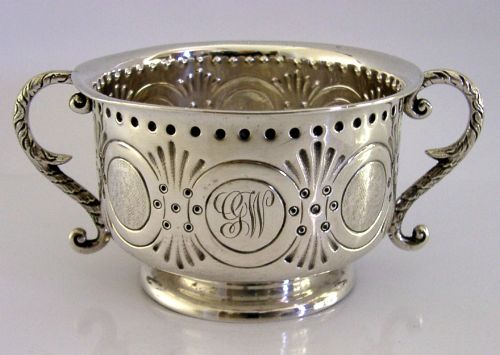
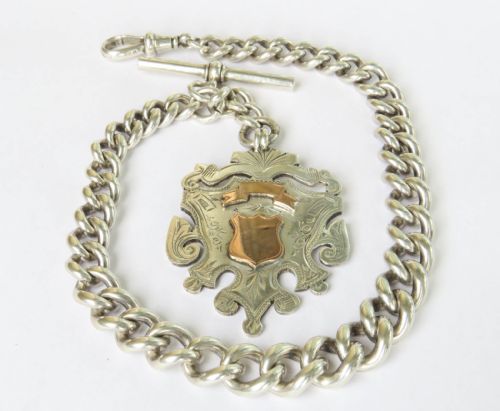
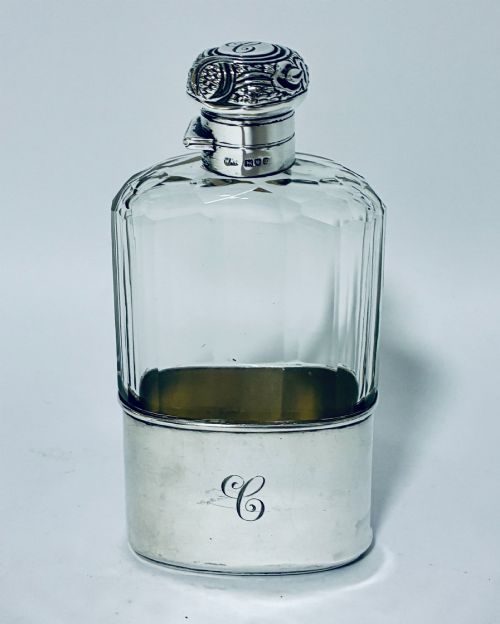
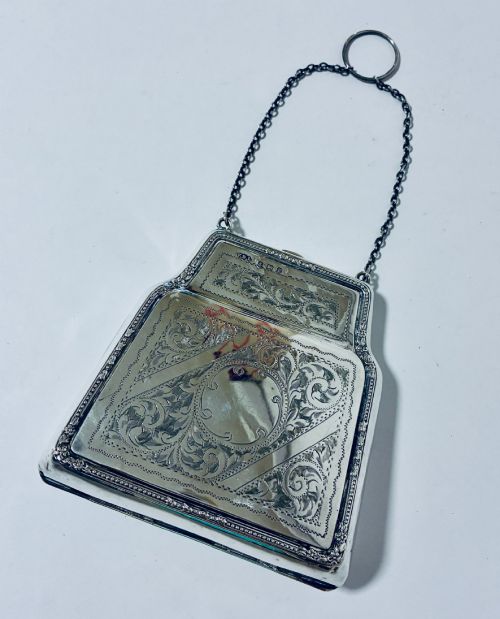
Edwardian engraved silver brings together the crisp elegance of early twentieth-century metalwork and intricate decorative hand-chiselling.
Edwardian Engraved Silver
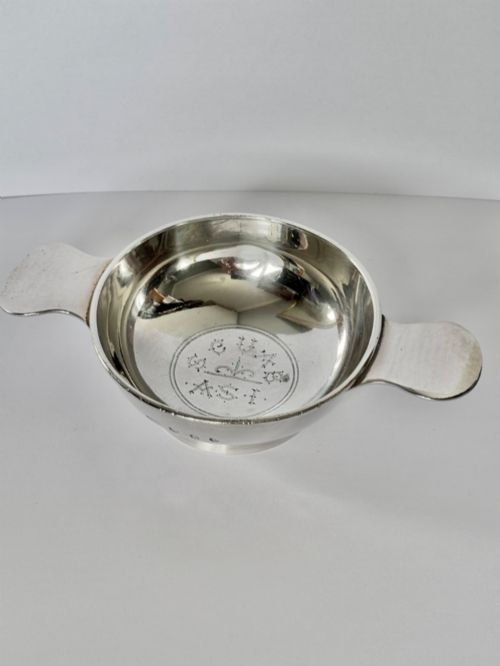
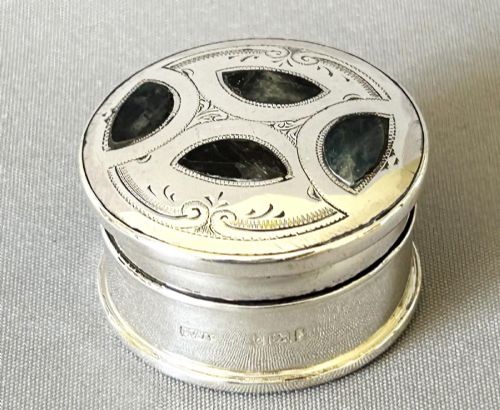
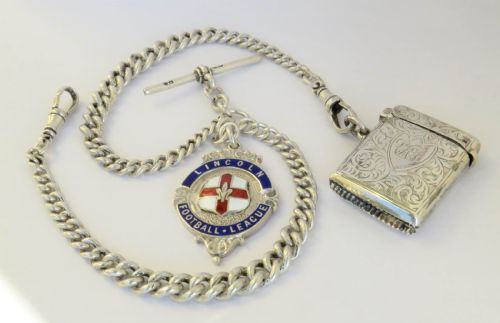
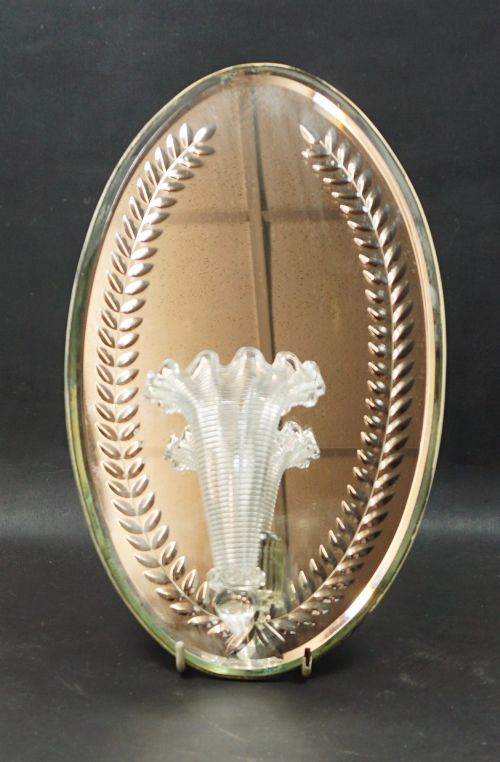
Edwardian engraved silver encompasses a diverse range of personal accessories and table wares designed in the opening decades of the twentieth century. When exploring this category, a buyer frequently encounters practical pocket items alongside domestic display pieces.
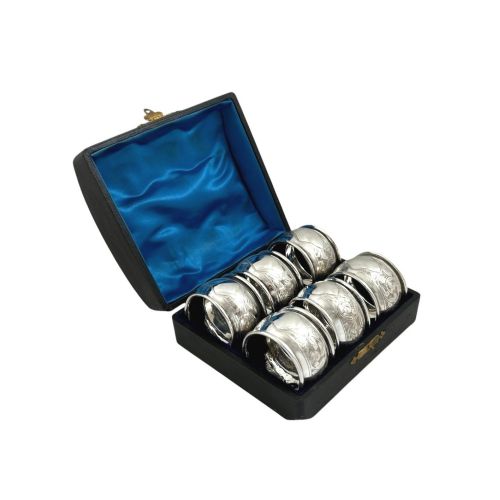
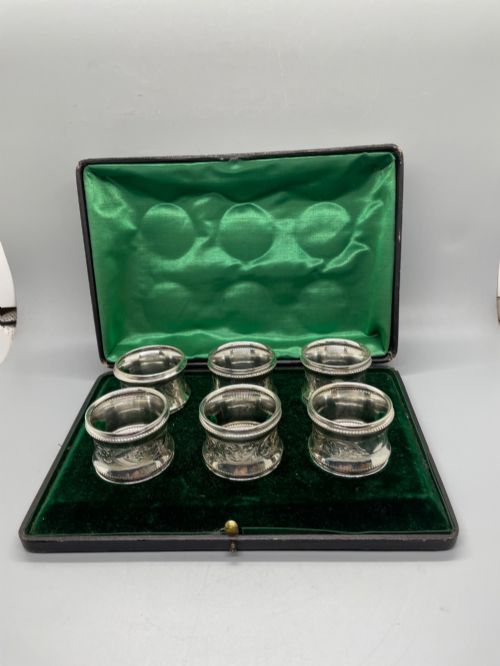
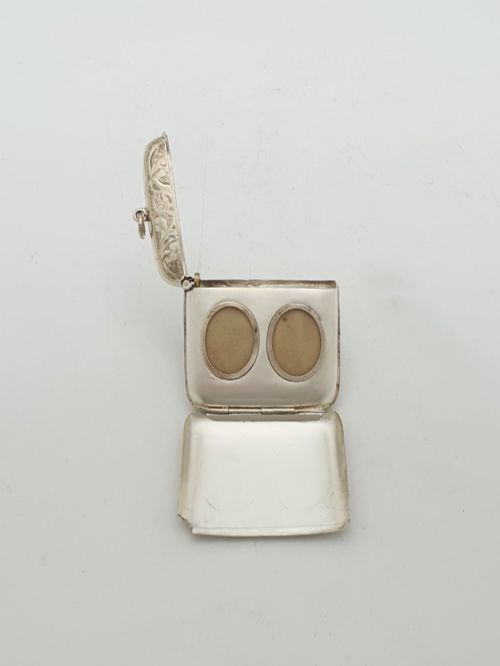
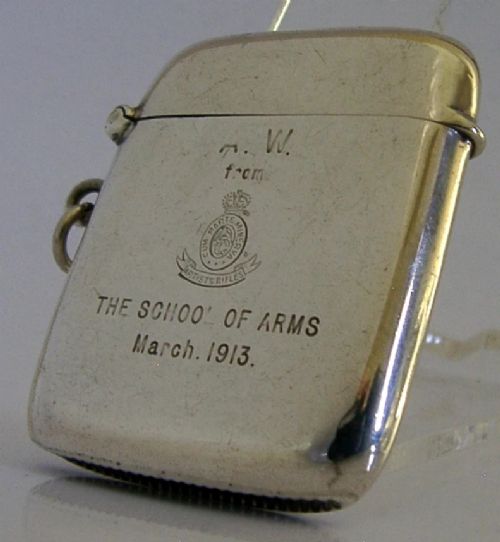
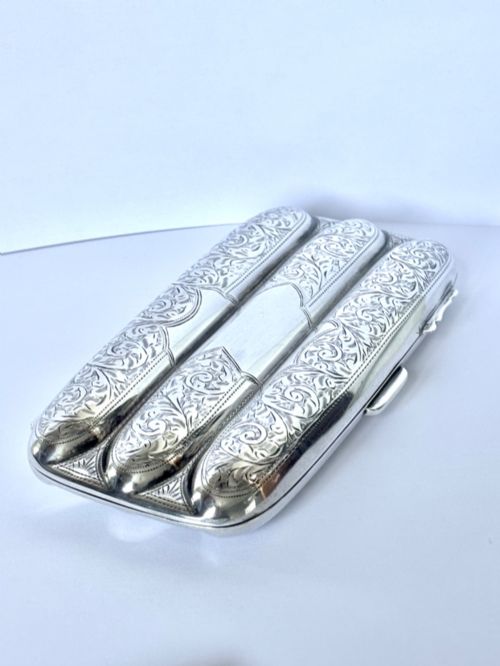
The selections span small personal effects such as vesta cases and napkin rings, as well as larger serving items like tea trays and cigar cases. Many pieces carry hallmarks from regional assay offices across England, recording their specific origins.
While the Edwardian era provides the primary stylistic anchor, the inventory also encompasses related Victorian and George V productions sharing similar decorative surface patterns. These items reflect the domestic habits and social rituals of their period.
Materials and Techniques
Makers utilised sterling silver and silver plate over base metals, shaping them through a combination of pressing, casting and hand-raising. These foundational materials provided a durable canvas for detailed surface ornamentation.
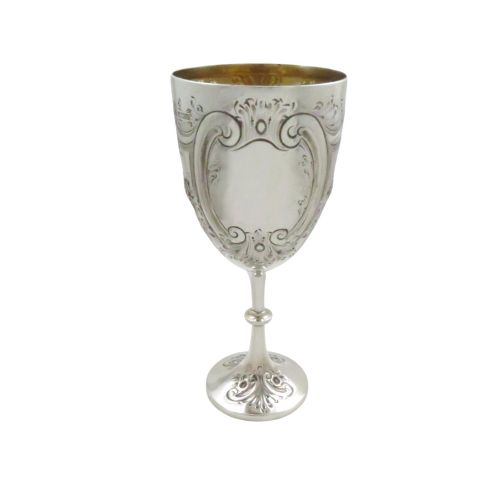
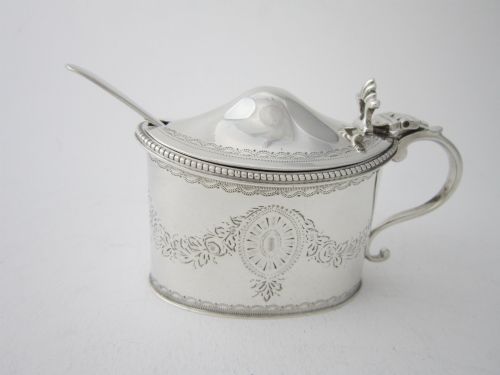
Craftsmen applied surface decoration using gravers and burins to cut intricate scrollwork, foliage and monogram panels directly into the metal. Additional depth was sometimes achieved through parcel-gilding or the incorporation of enamel and glass elements.
Edwardian Engraved Silver Retail Price Guide 2026
Typical asking prices for edwardian engraved silver among the pieces listed under this phrase on Sellingantiques today, from the lower quarter to the upper quarter. They describe what is for sale here now, not the wider market.
Keep an eye out for silver tankards featuring wise little owl handles peering back from the tea table.
Assessing the Workmanship
Quality rests upon the crispness and depth of the hand-engraving, where confident, fluid lines distinguish superior workshop execution from mechanical or shallow stamping. The precision of the original smithing and the clarity of the town and date hallmarks further elevate a piece.
Weight and structural integrity also divide standard utilitarian items from finer examples designed for wealthy patrons. Preserved surface detail without excessive polishing loss indicates how carefully a piece was maintained over generations.
Joseph Gloster Ltd·William Comyns·James Deakin·Mappin And Webb·Martin Hall And Co
The Edwardian Engraved Silver Glossary
- Hallmark
- An official stamp applied to precious metals indicating the standard of purity, the assay office, and the year of production. These tiny marks allow historians to trace a piece to its exact maker and testing location.
- Vesta case
- A small portable box designed to hold matches, typically fitted with a striking strip on the base. Many Edwardian examples feature fully engraved floral or geometric exterior surfaces.
- Silver plate
- A manufacturing method where a thin layer of silver is bonded to a base metal core such as copper or nickel silver. This technique offered an accessible alternative to solid sterling silver for larger domestic items.
- Gilding
- The application of a thin layer of gold to the interior or exterior surfaces of a silver object. This decorative treatment provides a contrasting two-tone effect and protects vulnerable areas from tarnishing.
- Assay office
- An official organisation responsible for testing the purity of precious metal items and stamping them with legal hallmarks. Prominent English offices included Birmingham, Sheffield and Chester.
Edwardian Engraved Silver: Frequently Asked Questions
How do I clean engraved silver safely?
Wash pieces gently in warm soapy water using a soft cloth to lift dirt from the recessed engraved lines without abrasive scrubbing.
Avoid harsh chemical dips that strip away the dark oxidation highlighting the finer details of the hand-chiselled patterns.
Were these items used daily?
Many Edwardian silver pieces served practical functions in daily life, from lighting matches with vesta cases to serving tea.
Others remained strictly ornamental or served as presentation pieces for special milestones and formal occasions.
How can I tell the exact year?
Look for the stamped alphabetical date letter within the official hallmark cluster on the metal surface.
Matching this letter against regional assay office charts reveals the precise year the piece was tested and released.