

Edwardian Embossed Silver Box
These pieces of edwardian embossed silver box bring tangible tactile detail to dressing tables and desks, prized for their decorative metalwork.
Edwardian Embossed Silver Box
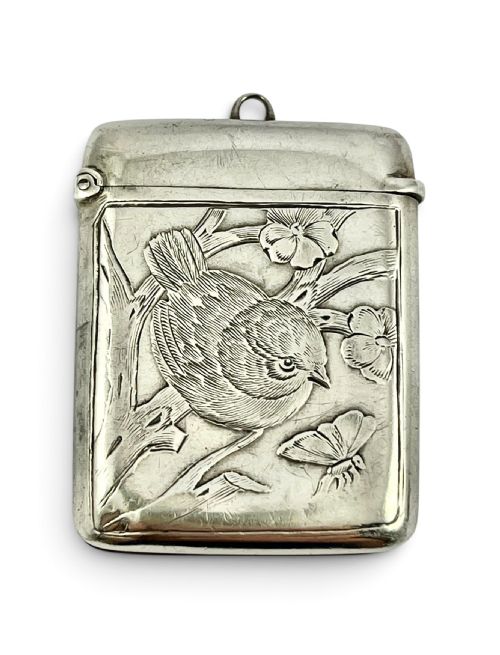
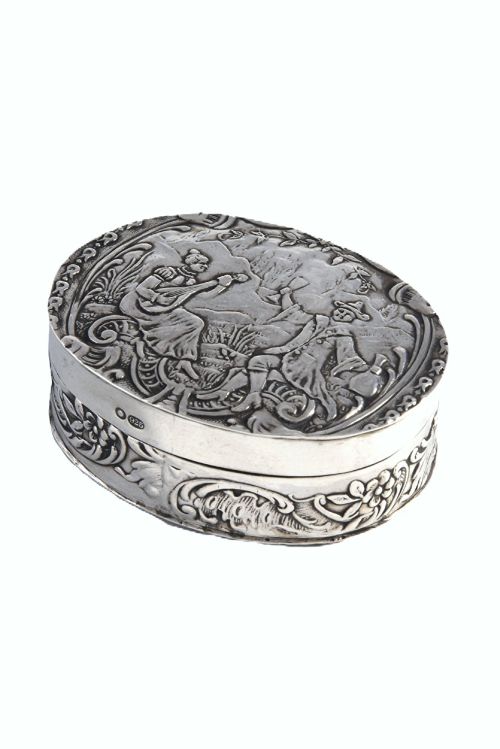
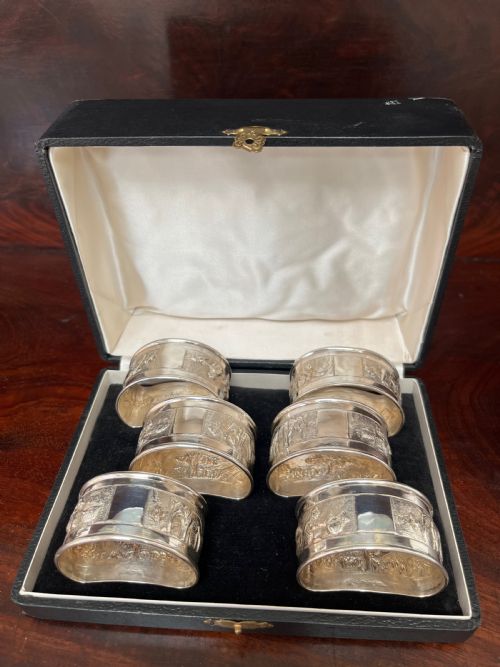
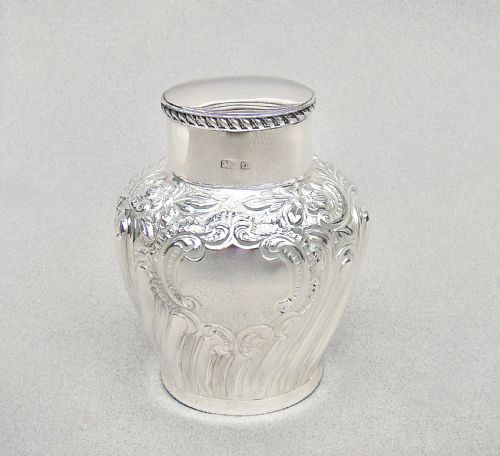
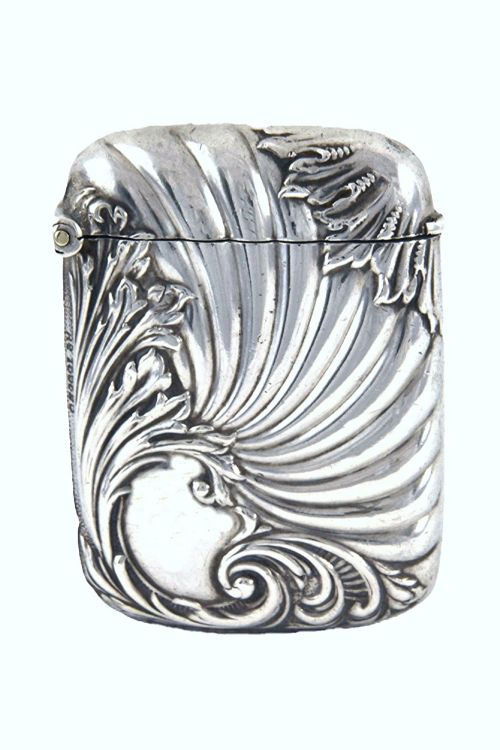
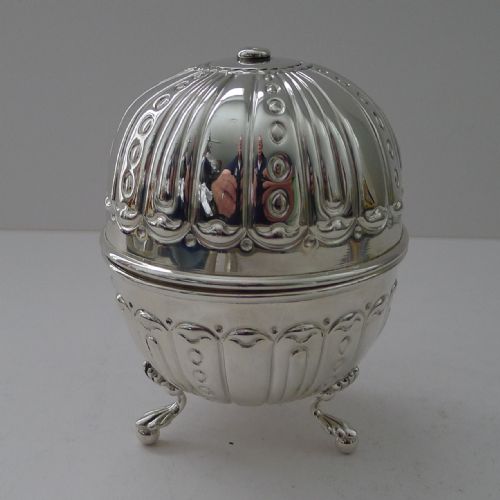
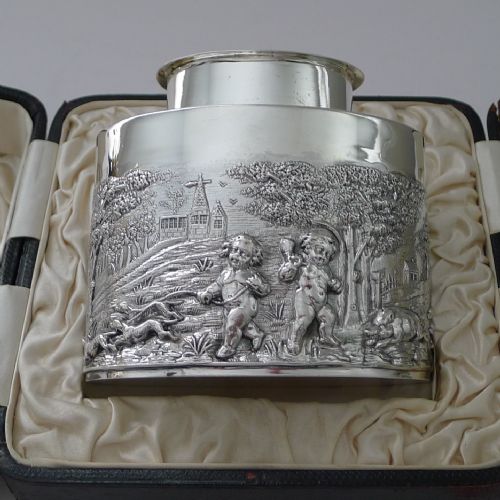
When you search for an edwardian embossed silver box, you encounter items designed to hold trinkets, jewellery, stamps, matches, or pins. The forms range from small pill boxes and vesta cases to larger dressing table caskets and tea caddies.
Most examples originate from the Edwardian period or around nineteen hundred, alongside occasional Victorian and later pieces. Makers across Birmingham, Chester, and continental workshops produced these items in sterling or solid silver.
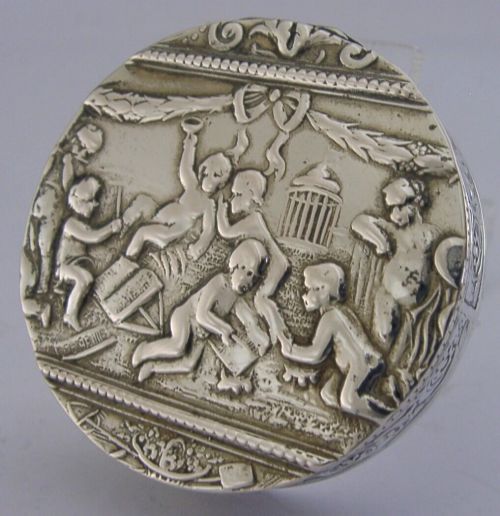
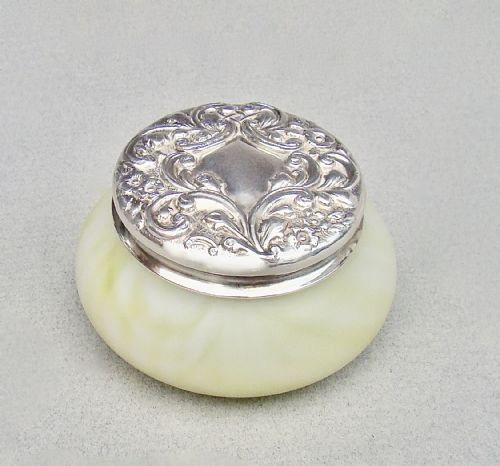
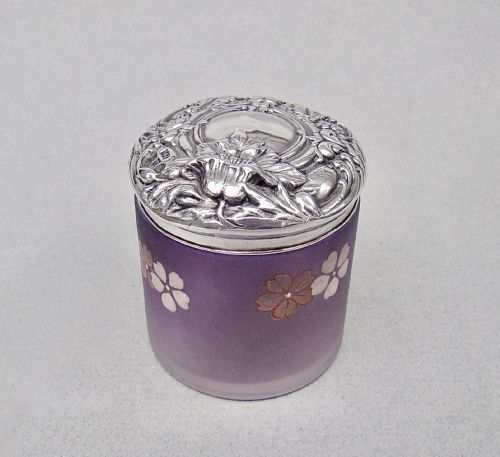
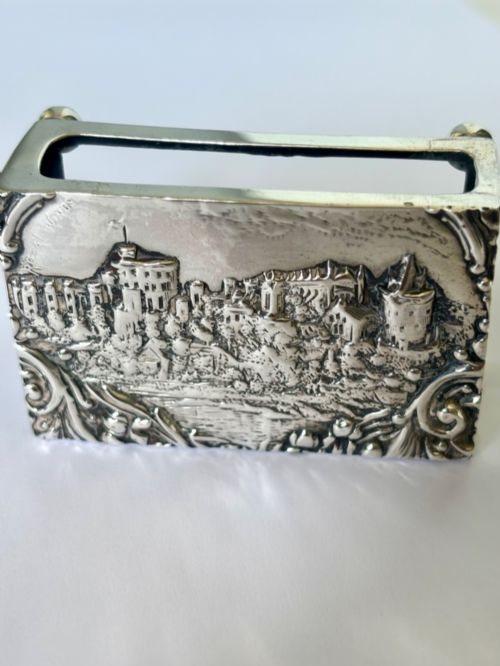
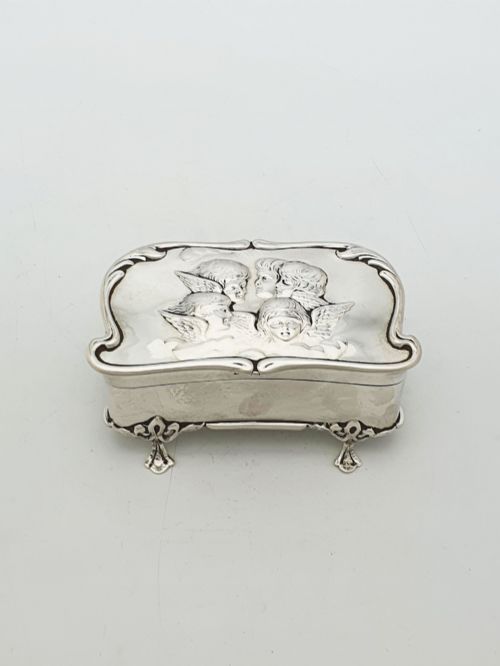
The selection includes glass vessels with silver lids, satin glass containers, and velvet or silk-lined interiors. Collectors find heart-shaped trinket boxes, castle top matchbox covers, and figural table boxes with cherub scenes.
Materials and Techniques
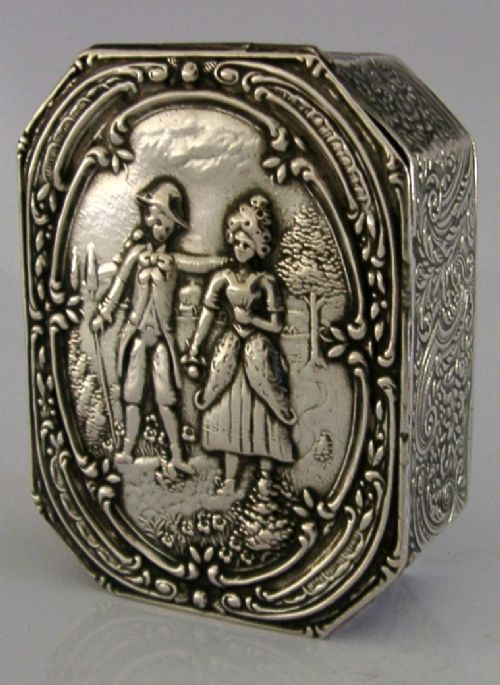
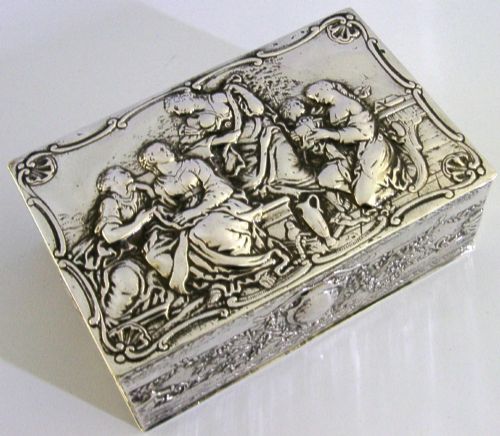
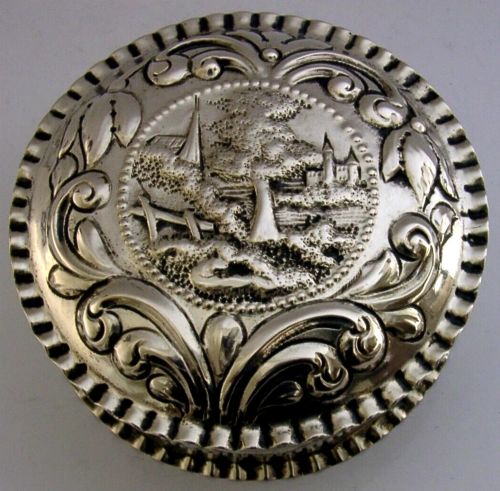
Silversmiths utilised sterling silver and solid silver sheets, shaping them through pressing, casting, and hand hammering. Relief decoration was pushed out from the reverse side in the technique known as embossing, creating floral and foliage motifs.
Many containers combine silver with cut glass, frosted glass, or satin glass bodies. Interiors frequently feature gilding or linings made from velvet and silk to protect delicate contents.
The documented pieces span the Victorian era, the Edwardian period, and extend into the nineteen fifties.
Craftsmanship and Weight
Quality rests in the crispness of the embossed detail and the thickness of the silver metal used in the construction. Pieces with heavy gauge silver and clear, deep strike hallmarks demonstrate superior manufacturing standards.
The integration of materials also defines the tier of the object. Fine examples display well-fitted hinged lids, intact internal gilding, and undamaged glass bodies.
A. Bromet & Co·Thomas Hayes·William Hutton & Sons·William Comyns & Sons·Artificer's Guild·William Neale & Sons
The Edwardian Embossed Silver Box Glossary
- Vesta case
- A small pocket box made to hold matches, typically fitted with a striking edge on the base.
- Tea caddy
- A container designed to store dry tea leaves, often featuring a secure fitted lid.
- Castle top
- A decorative style featuring a detailed embossed view of a historic building or landmark on the lid.
- Hallmark
- Official stamps marked on precious metal indicating the assay office, standard of purity, and date letter.
- Gilding
- A thin layer of gold applied to the interior surface of the silver box for decorative effect.
Edwardian Embossed Silver Box: Frequently Asked Questions
How were these silver boxes used?
These boxes served practical and decorative functions on dressing tables, desks, and parlours. They kept small personal possessions secure, from stamps and matches to jewellery and trinkets.
Larger caskets held keepsakes while smaller pill boxes and vesta cases were carried in pockets or reticules. Tea caddies stored valuable tea leaves in locked containers.
How do I identify an Edwardian silver box?
Examination of the hallmarks stamped on the silver provides the exact year of manufacture and the assay office location, such as Birmingham or Chester. Date letters and specific monarch marks confirm the Edwardian era.
Stylistic indicators such as floral embossing and Art Nouveau influence also point toward the early twentieth century. Comparing the form against known registry dates helps narrow down the period.
How do I care for silver and glass boxes?
Cleaning requires a soft cloth and minimal silver polish to avoid wearing down the embossed relief details. Gentle application protects any delicate glass bodies and internal velvet linings.
Storage away from damp environments prevents tarnishing and preserves silk or velvet interiors. Keeping lids closed reduces exposure to airborne pollutants.
What is embossed decoration on silver?
Embossing involves hammering or pressing metal from the reverse side to create raised designs on the surface. Silversmiths used this technique to depict flowers, foliage, and figural scenes.
This decorative method gives the metal texture and depth, catching the light across the surface of the box. It distinguishes these decorative items from plain polished silver wares.