






Edwardian Dressing Table Stool
These edwardian dressing table stool examples offer compact, practical seating shaped by decades of revival styles and traditional timber framing.
Edwardian Dressing Table Stool
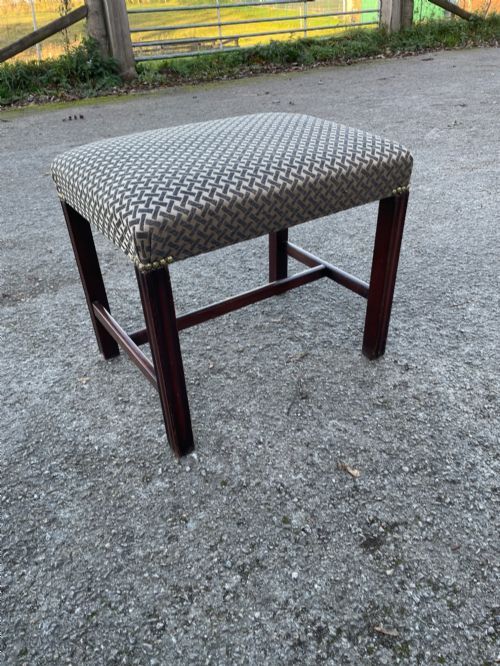
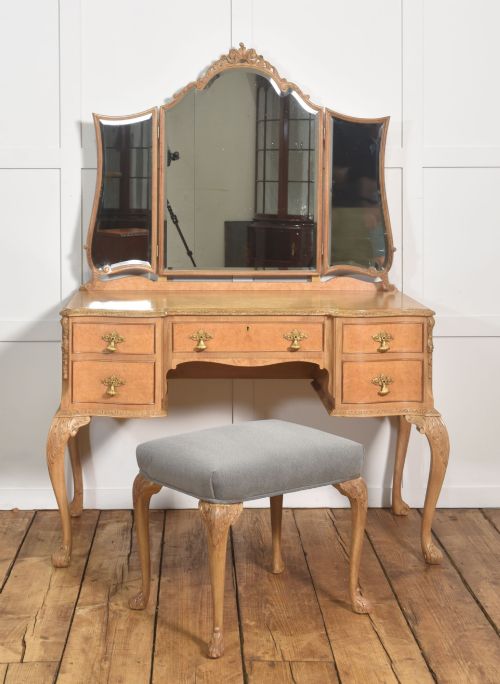
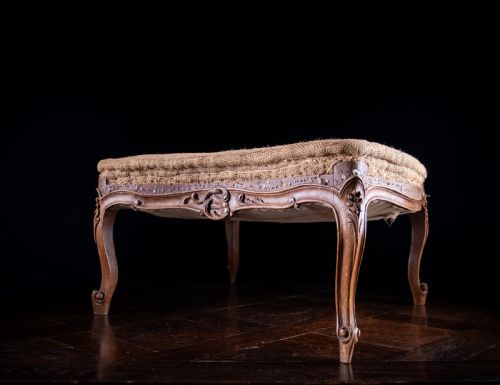
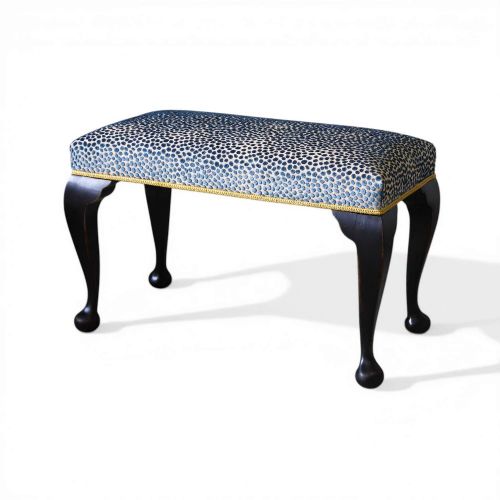
An edwardian dressing table stool is a low, movable seat designed to sit beneath a bedroom vanity or dressing chest. These pieces frequently appear in Edwardian forms alongside Victorian and 1920s variants, incorporating oval shapes, square seats and X-frames.
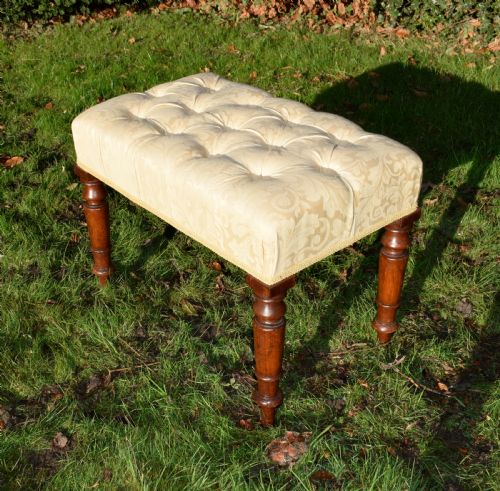
The selection ranges from simple turned-leg mahogany frames to elaborate satinwood and walnut models influenced by Queen Anne and Arts and Crafts aesthetics. Many double as piano stools or compact footstools, reflecting the utilitarian versatility common in domestic furniture of the period.
Materials and Construction
Cabinet makers relied heavily on hardwoods such as mahogany, walnut, oak and satinwood for the structural frames, often utilising inlay, carving or ebonising for surface decoration. Joinery techniques included traditional mortise and tenon joints, turned legs, cabriole legs and cross stretchers to ensure stability under daily use.
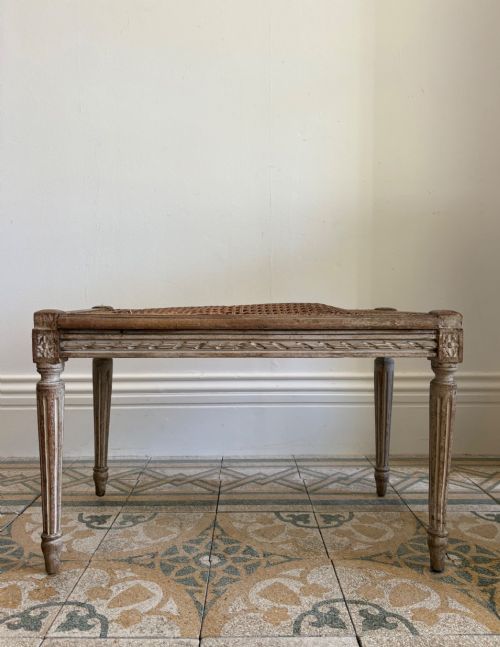
Seats were upholstered over webbing or springs using textiles including wool, tapestry, tweed linen, and fabric, sometimes featuring deep buttoning or cane panels. Brass castors and fittings appear on selected pieces, adding mobility to heavier timber frames.
Edwardian Dressing Table Stool Retail Price Guide 2026
Typical asking prices for edwardian dressing table stool among the pieces listed under this phrase on Sellingantiques today, from the lower quarter to the upper quarter. They describe what is for sale here now, not the wider market.
Listings feature periods spanning from the 18th century through Victorian, Edwardian, and 1920s revivals, constructed in mahogany, walnut, oak, and satinwood.
Craftsmanship and Proportion
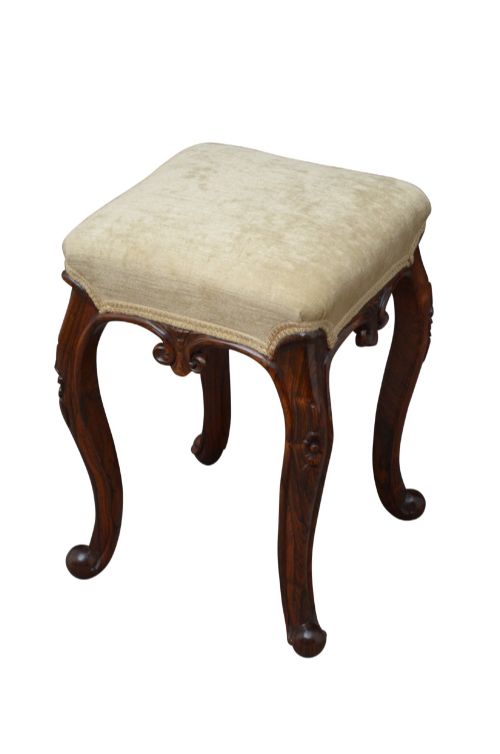
Quality rests in the selection of timber figures, such as figured walnut or polished satinwood, and the crispness of hand-carved details like cabriole legs. Superior examples display balanced proportions, tight joinery, and refined inlay work rather than plain stock production.
The integrity of the frame and the quality of the upholstery materials determine longevity. Pieces retaining original cane panels, hand-turned elements, or specialist wood types like goncalo alves stand apart from utilitarian alternatives.
Whytock and Reid
The Edwardian Dressing Table Stool Glossary
- Cabriole leg
- A furniture leg that curves outward at the knee and tapers inward to an ankle, inspired by animal limbs. This form frequently appears on walnut and mahogany stools.
- Cross stretcher
- Wooden rods connecting the legs horizontally near the base to add structural support. They often feature simple turning or intersecting X-configurations.
- Satinwood
- A durable, yellowish-gold timber valued for its lustrous grain. Makers utilised it for high-end Edwardian dressing furniture and inlaid details.
- Ebonising
- The process of treating timber to imitate ebony. This finish gave cheaper woods a dense, black appearance popular in late period design.
- Caning
- Woven rattan material used to form light, breathable seat panels. It appears on selected Edwardian dressing stools.
Edwardian Dressing Table Stool: Frequently Asked Questions
What is an edwardian dressing table stool used for?
These low seats provided practical seating for bedroom dressing tables and vanities during grooming routines. Their compact dimensions allowed them to slide neatly beneath table overhangs when not in use.
Over time, owners also utilised them as piano stools, footstools, or occasional seats in bedrooms and dressing rooms due to their portable scale.
How do I identify an Edwardian piece?
Edwardian seating typically displays lighter proportions than heavy Victorian furniture, often combining mahogany or satinwood with subtle inlay work. Stylistic revivals such as Queen Anne and Arts and Crafts heavily influenced the carved details and leg shapes of the era.
Makers frequently incorporated turned wooden legs, upholstered pad seats, or cane panels rather than the deep buttoning more common in mid-Victorian designs.
Are these stools comfortable for daily seating?
Most examples feature upholstered pads filled with traditional stuffing, wool, or tapestry over a firm wooden base. While supportive for brief periods at a vanity, they lack the deep cushioning of modern lounge chairs.
Some variants include adjustable mechanisms originally designed for piano practice, allowing users to modify the seat height for personal comfort.
What woods were used for these stools?
Makers predominantly selected mahogany, walnut, oak, and satinwood for framing the structural timber bodies. Rarer examples incorporated exotic woods like goncalo alves or utilised ebonised finishes on common timbers.
Secondary woods like pine or beech occasionally form the internal framing beneath visible show-woods and applied veneers.