
Vintage Dressing Seat
A vintage dressing seat offers a practical place to sit during morning routines, bringing period character to a bedroom.
Vintage Dressing Seat
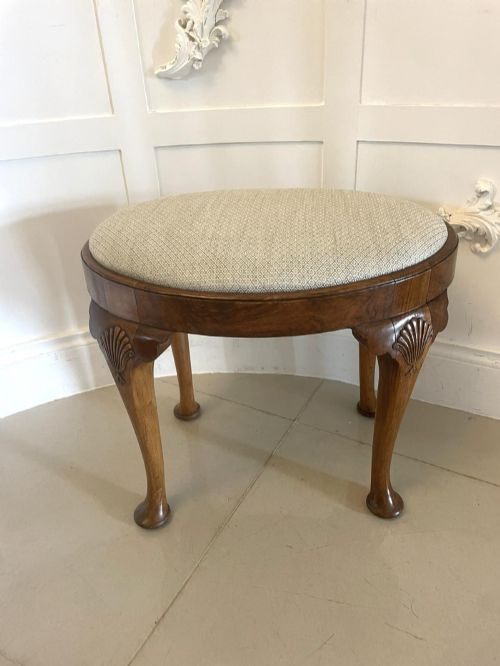
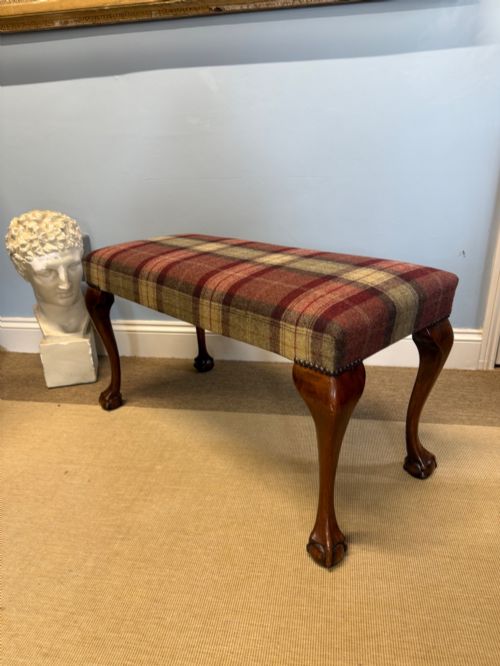
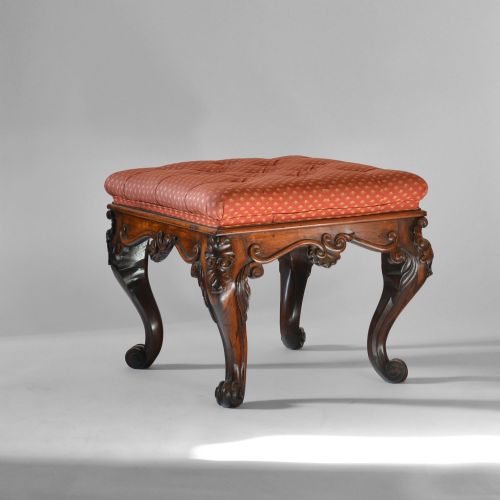
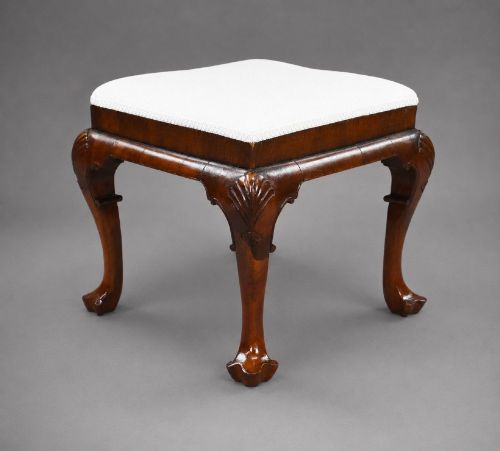
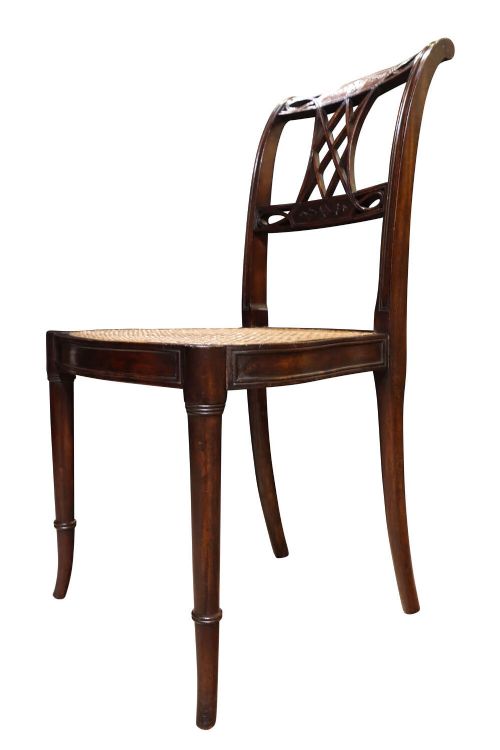
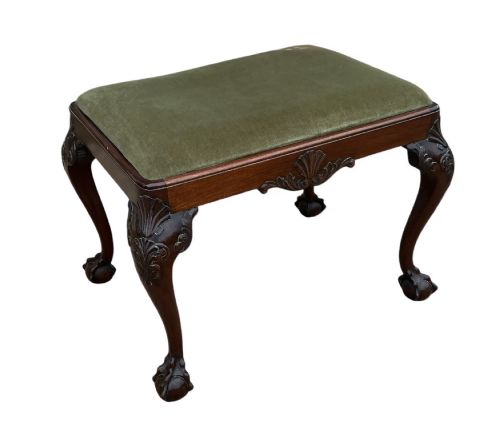
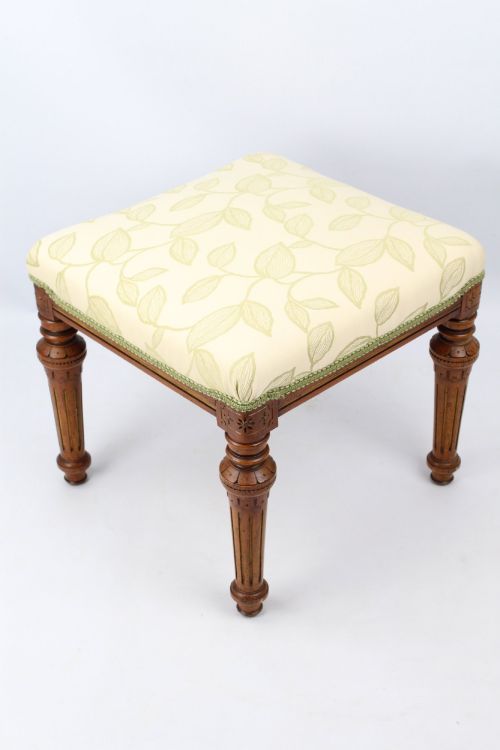
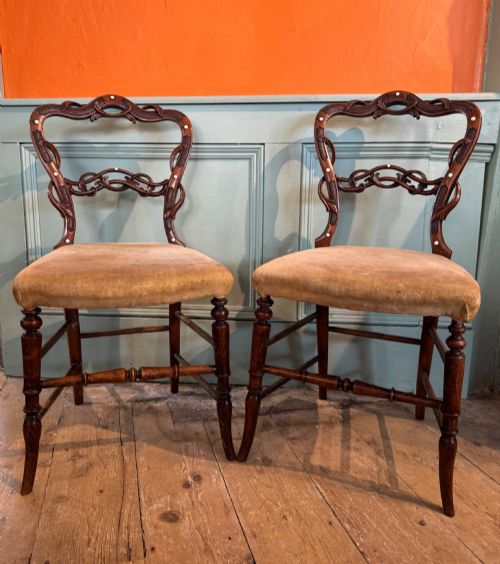
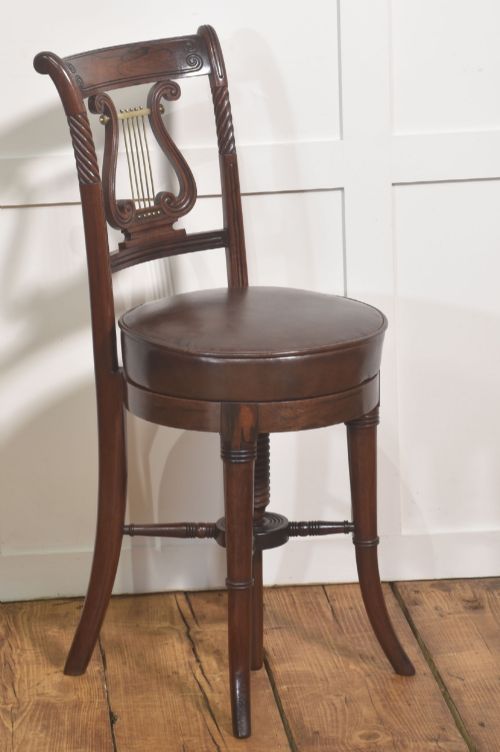
A vintage dressing seat encompasses various forms such as stools, benches, piano stools, and bedroom chairs designed for use at a dressing table. The selection spans the eighteenth century through to the Art Deco period of nineteen thirty, taking in Victorian and Edwardian examples alongside earlier revivals.
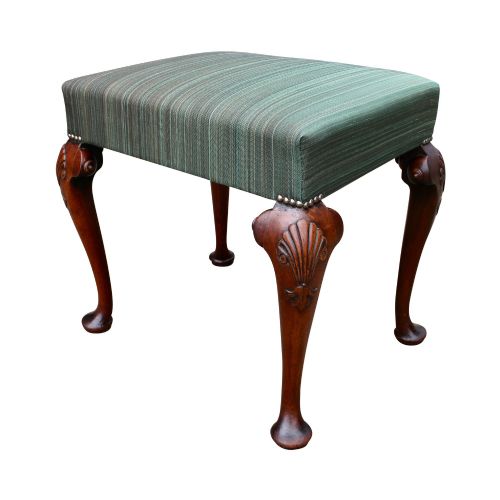
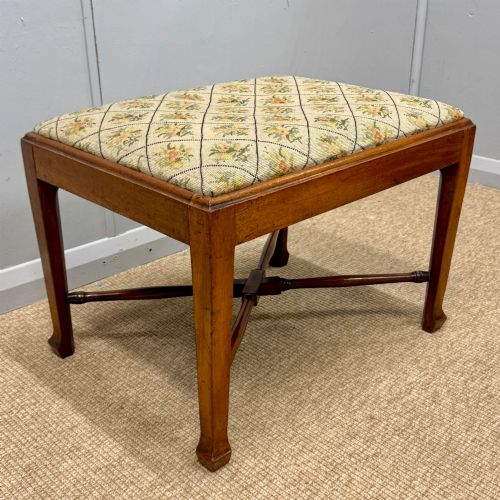
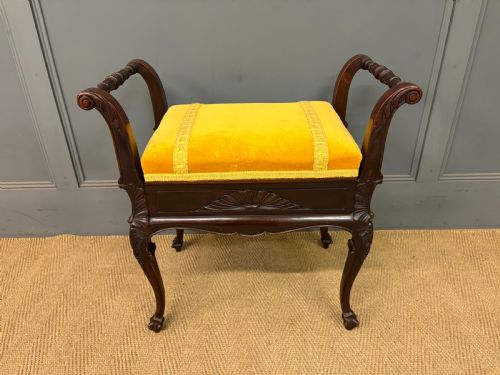
Stools dominate the selection, appearing in rectangular and oval shapes, sometimes equipped with cross stretchers, twisted rope legs, or built-in storage compartments. Alongside these sit occasional bedroom chairs and adjustable dressing chairs in mahogany, walnut, oak, and rosewood.
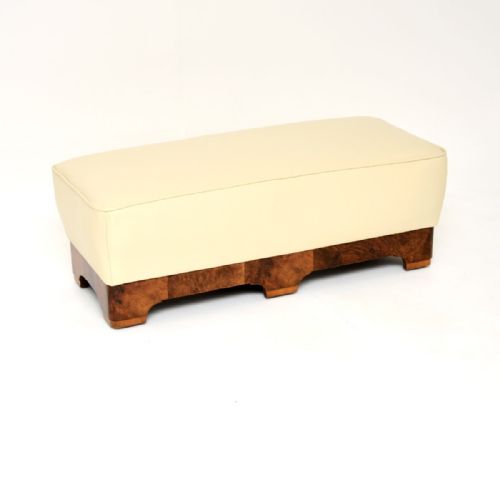
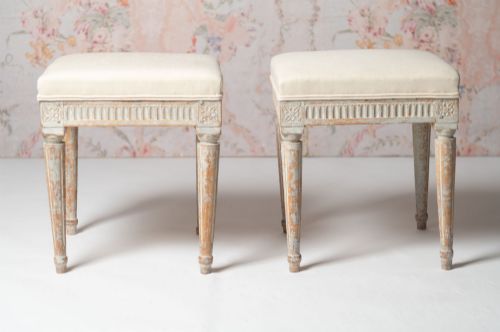
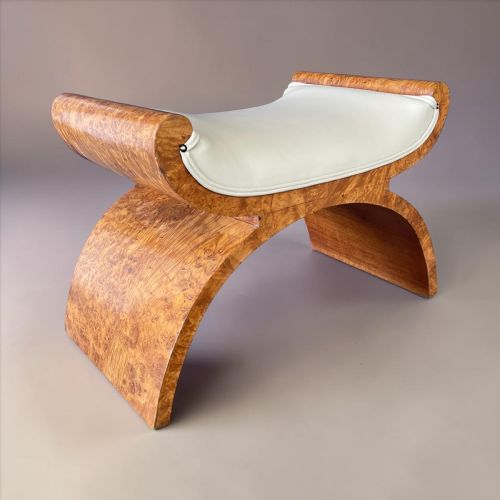
Stylistic influences range from plain utilitarian items to ornate pieces reflecting Queen Anne, Chippendale, and Gustavian revivals, as well as distinct twentieth-century Art Deco designs in burr walnut, birds eye maple, and sycamore.
Materials and construction
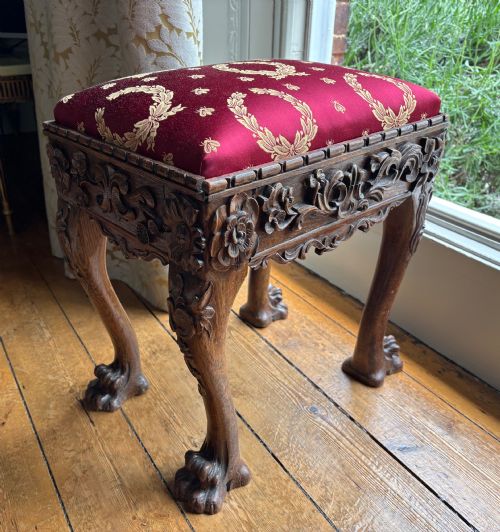
Makers utilised timber frames of mahogany, walnut, oak, rosewood, and beech, often shaped with carved details like cabriole legs or scroll-carved backs. Joinery relied on traditional methods, while applied finishes such as giltwood, inlay, and polished veneers added surface texture.
Upholstery forms an integral part of these seats, utilising materials like leather, velvet, wool, fabric, and cane. Many pieces retain needlepoint or flowery top covers, while others have received new upholstery during restoration.
Distinctions in craftsmanship
Quality rests in the selection of timbers and veneers, such as figured walnut, burr walnut, and birds eye maple, matched with robust frame construction and stable joinery. Finer pieces display crisp hand-carving on cabriole legs or stretchers rather than plain or soft mouldings.
The integrity of the upholstery work and the retention of original decorative elements influence the character of each piece. Sympathetic restoration preserves the underlying woodwork while maintaining the intended proportion and stability of the seat.
Harry and Lou Epstein·Bath Cabinet Makers
The Vintage Dressing Seat Glossary
- Cross stretcher
- An X-shaped wooden brace connecting the legs of a stool or chair near the base to provide extra rigidity. Such supports appear on various walnut and mahogany dressing seats.
- Sycamore
- A dense hardwood utilised for cabinet making and furniture frames, often polished to display a pale, clean grain. It appears in twentieth-century Art Deco seating designs.
- Needlepoint
- A type of canvas work embroidery executed with wool yarn to create patterned textile coverings for seats. These stitched panels often survive on antique stools.
- Gustavian
- A Swedish neoclassical style characterised by lighter painted finishes, restrained carved details, and symmetrical forms. Pieces from this tradition bring a distinct pale aesthetic to interior spaces.
Vintage Dressing Seat: Frequently Asked Questions
What is a dressing seat used for?
A dressing seat provides a designated spot for sitting while attending to personal grooming at a dressing table or vanity.
These pieces also function as piano stools, footstools, or low occasional chairs within a bedroom setting.
How do I identify Art Deco dressing seats?
Art Deco pieces typically date from around nineteen thirty and feature streamlined forms, geometric shapes, and distinctive wood veneers like burr walnut and birds eye maple.
They often incorporate leather upholstery or practical built-in storage compartments beneath the top.
Are these seats suitable for daily use?
Most vintage dressing seats are structurally sound for everyday seating when constructed from solid hardwoods like mahogany or walnut.
Checking the stability of the frame and the condition of the upholstery ensures the piece handles regular use.
How do I clean cane seat chairs?
Cane seats require gentle cleaning with a damp cloth to remove dust from the woven plant fibres without soaking the material.
Keeping the cane lightly hydrated prevents it from drying out and snapping over time.