


Edwardian Doulton Vase
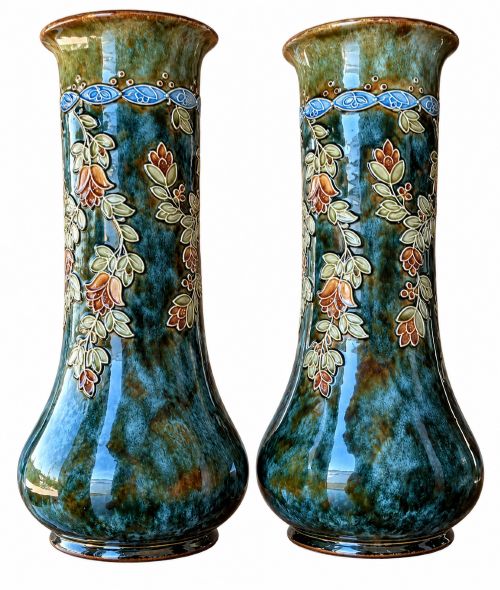
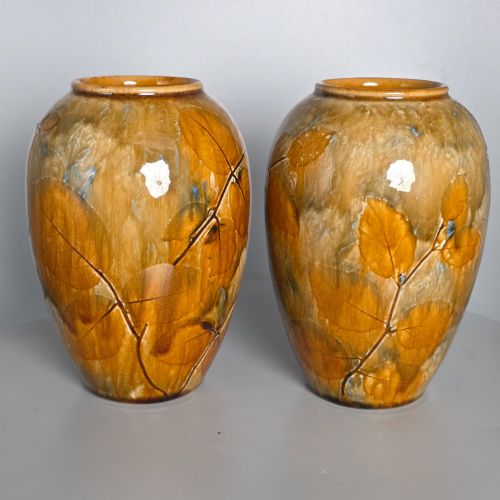
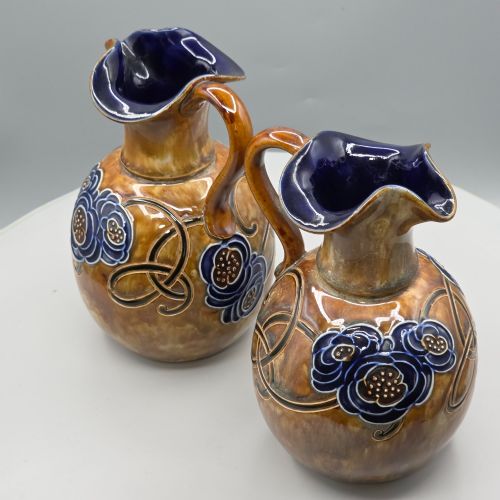
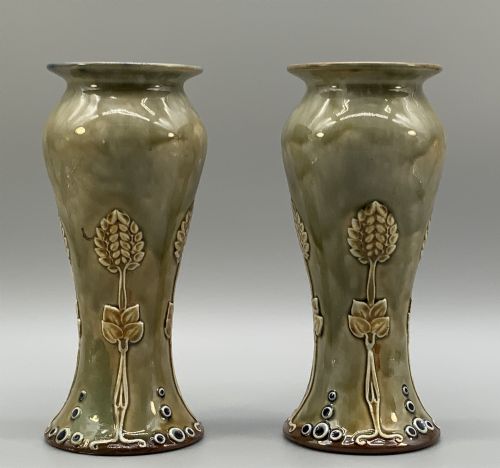
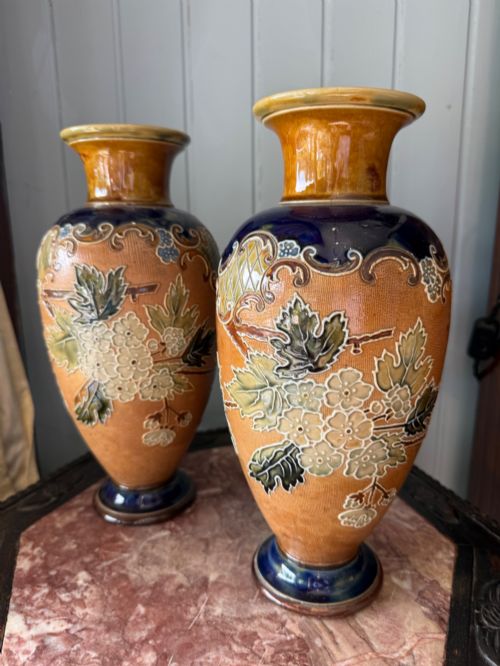
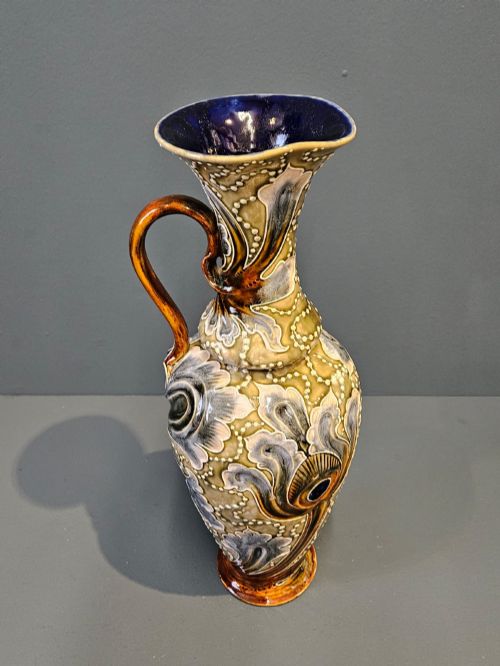
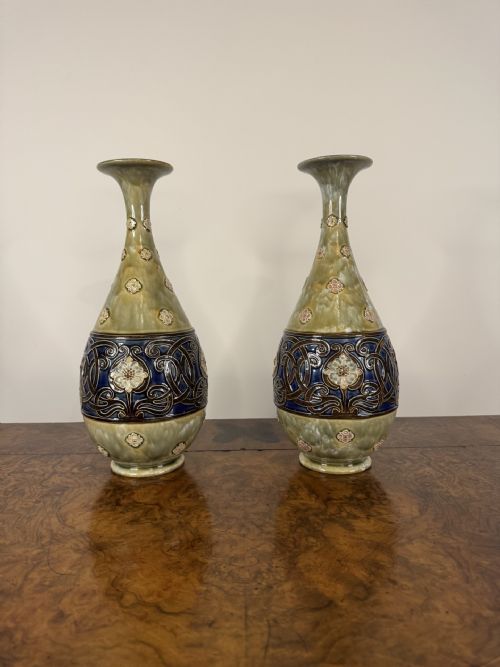
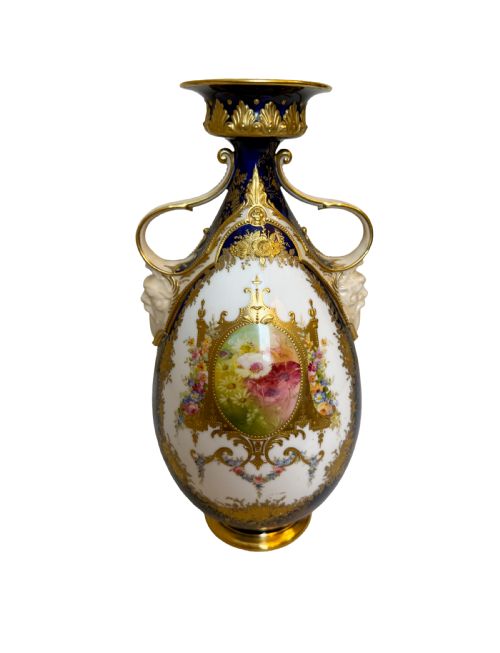
These edwardian doulton vase examples bring together tactile ceramics and distinct period craft, offering an authentic way to introduce handcrafted pottery into your home.
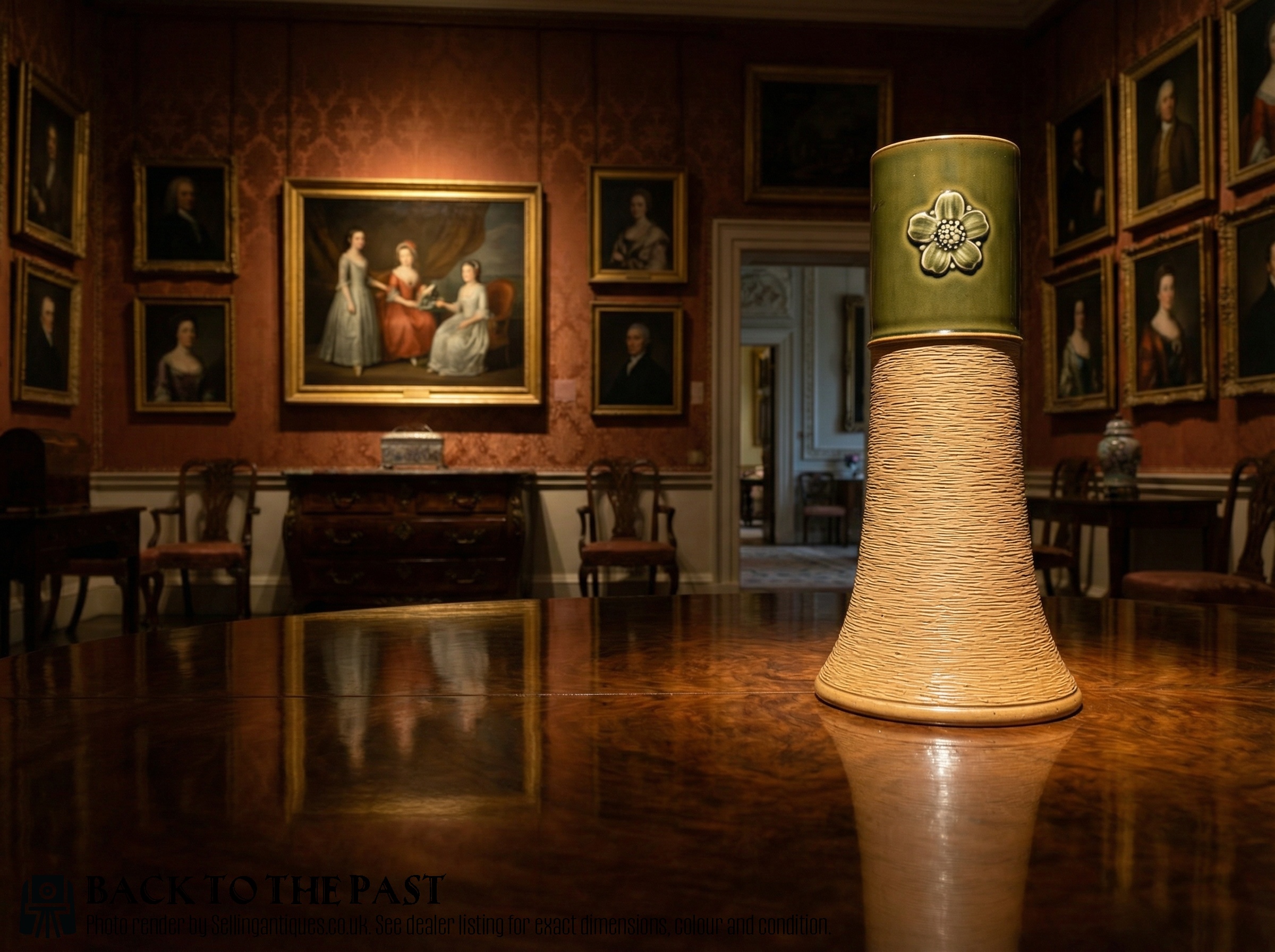
Edwardian Doulton Vase
An edwardian doulton vase encompasses items produced by the famous pottery during the late nineteenth and early twentieth centuries, spanning periods from Victorian production through to the nineteen twenties.
You will most frequently encounter stoneware and glazed ceramic vessels on this page, often decorated in distinct Art Nouveau and Arts and Crafts styles.
The inventory ranges from tall baluster vases and matched pairs to ewers, jugs and planters, reflecting the diverse output of the Lambeth works.
How they were made
Makers utilised robust stoneware and earthenware bodies, shaping them into balanced forms suitable for both ornamental display and functional utility.
Decoration relied heavily on specialised glaze techniques, enamel floral motifs and hand-painted artistry applied by skilled studio practitioners.
Listings feature stoneware, earthenware and porcelain forms spanning the Victorian era through to the nineteen twenties.
What varies in quality
The distinction between standard production and top tier works often rests on the sophistication of the hand painting and the depth of the glaze.
Pieces bearing the specific signatures or monograms of renowned artists carry a different level of artistic execution compared to standard factory output.
Royal Doulton Lambeth·Louisa Wakely·John H Plant·Ethel Beard·Charles Noke
The Edwardian Doulton Vase Glossary
- Stoneware
- A type of pottery fired at high temperatures until vitrified, making it impermeable to water even without glaze. Doulton utilised this durable medium extensively in their Lambeth studios.
- Art Nouveau
- A decorative style characterised by flowing, organic lines and floral motifs, which heavily influenced early twentieth century ceramic design. Many examples on this page showcase these characteristic curves.
- Ewer
- A large jug with a wide spout and handled base, historically used for carrying water but produced here primarily as a decorative vessel. These items demonstrate sculptural ambition beyond standard vase forms.
- Slater's Patent
- A specialised manufacturing technique involving lace or textured fabrics pressed into damp clay to create intricate patterned backgrounds. Enamel floral decor was frequently added over these textured surfaces.
Edwardian Doulton Vase: Frequently Asked Questions
How do I identify an edwardian doulton vase?
Look for impressed factory stamps, artist monograms, and period-specific glaze characteristics on the base. These markings help separate early pieces from later productions.
Stylistic cues such as Art Nouveau floral motifs and specific colour palettes also point towards the Edwardian era of manufacture.
Were these vases used for fresh flowers?
Many of these ceramic and stoneware vessels were designed for domestic display and practical floral arrangement. Their durable bodies handled water effectively.
Larger baluster shapes and ewers served primarily as decorative interior centerpieces rather than everyday utility items.
What is Lambeth stoneware?
Lambeth stoneware refers to pottery produced at Doulton's south London works, known for robust bodies and textured salt-glazed or enamelled surfaces. This material defined much of their artistic output.
Studio artists decorated these pieces by hand, ensuring that individual production runs maintained distinct creative character.
How do I style these vases at home?
Place them on wooden sideboards or mantels where their rich glazes and earthy tones catch natural light. Pairing matching items creates symmetry in a traditional room.
Allow the patterned surfaces and hand-painted details to stand alone as focal points without overcrowding surrounding decor.