
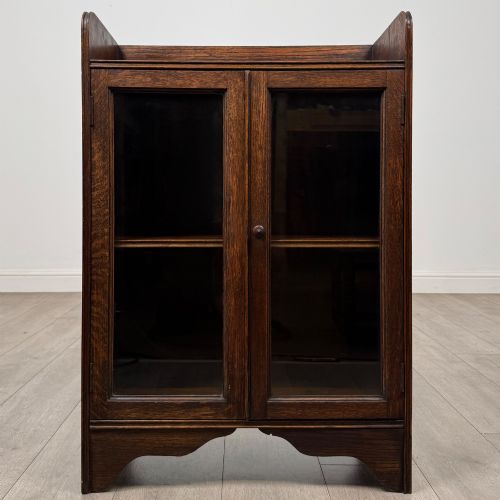
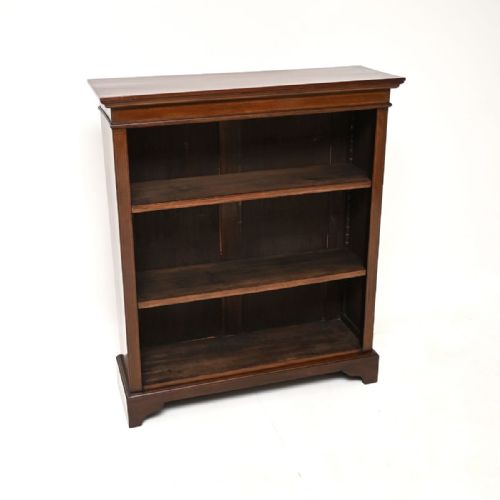
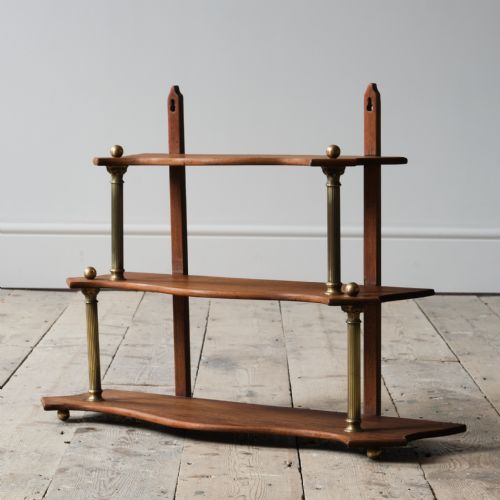
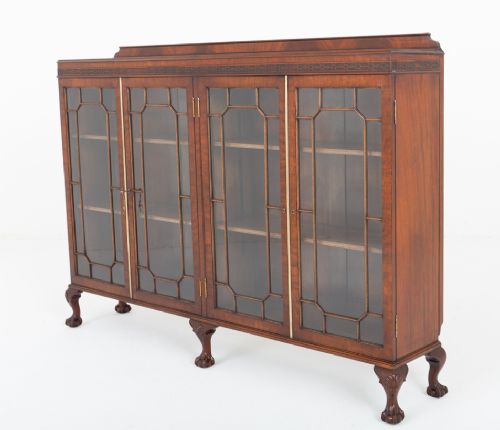
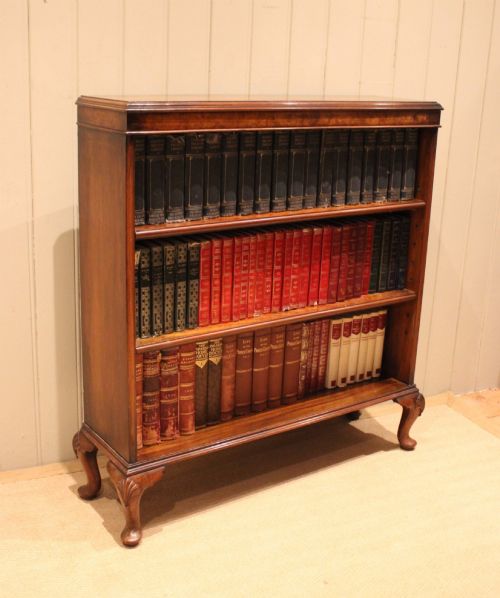
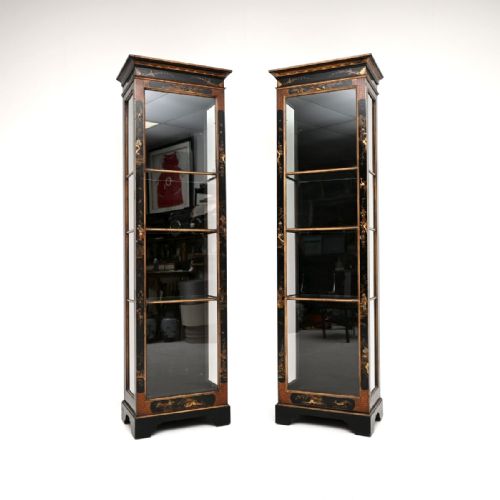
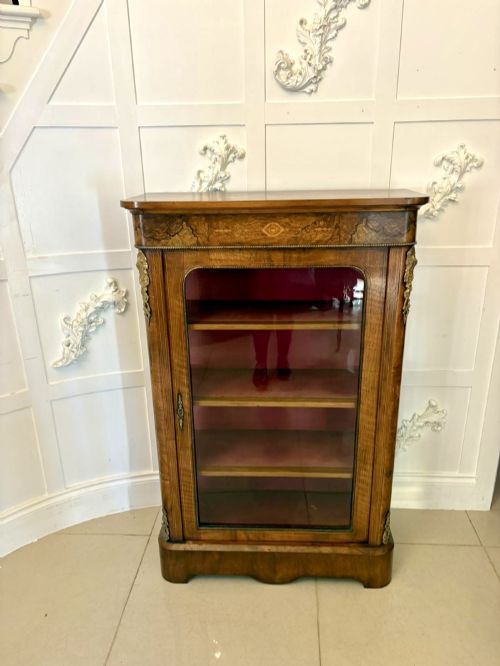
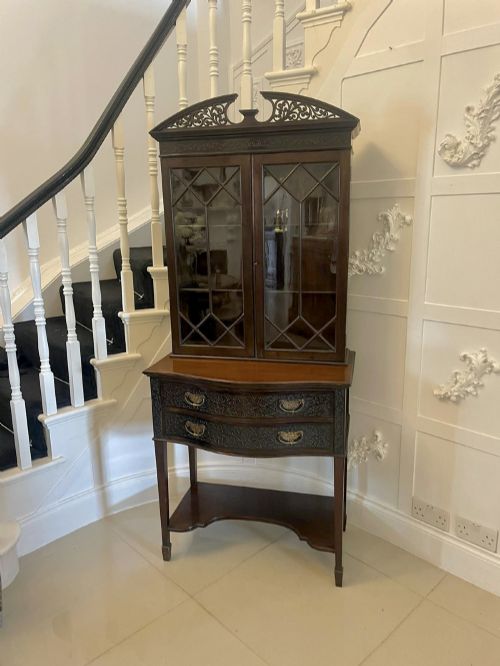
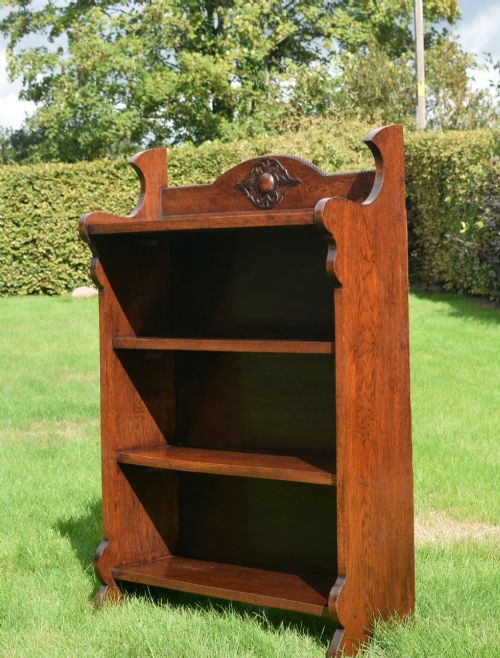
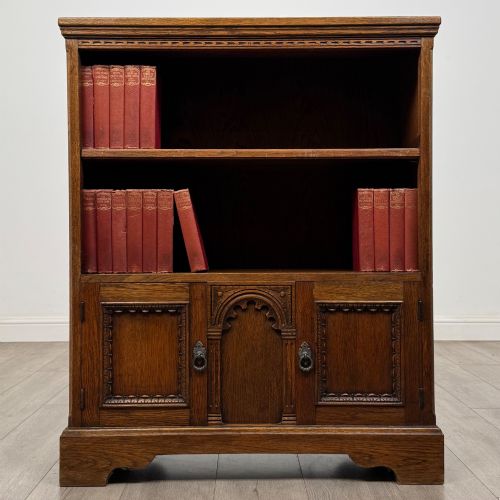
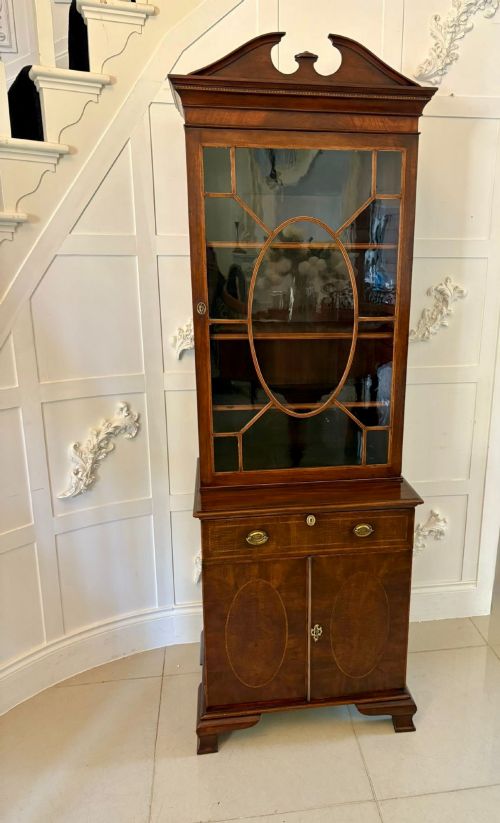
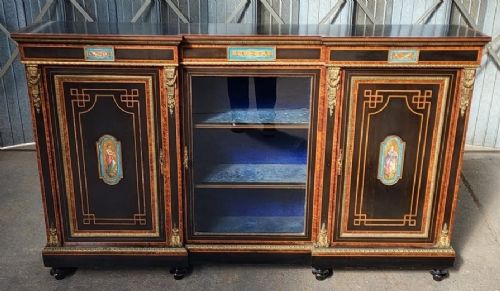
Edwardian Display Bookcase
These Edwardian display bookcase pieces combine library storage and glazed display space, offering collectors a practical way to exhibit books and treasured objects.
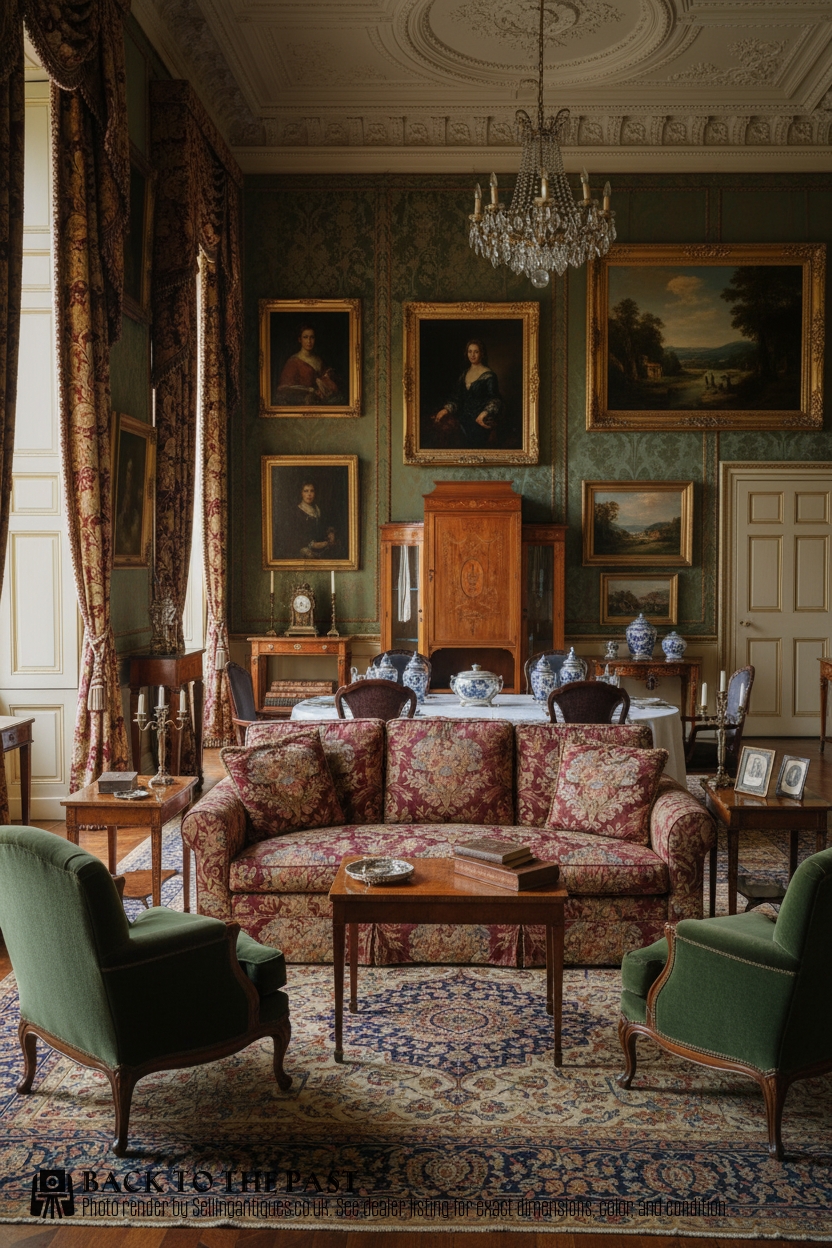
Edwardian display bookcase forms
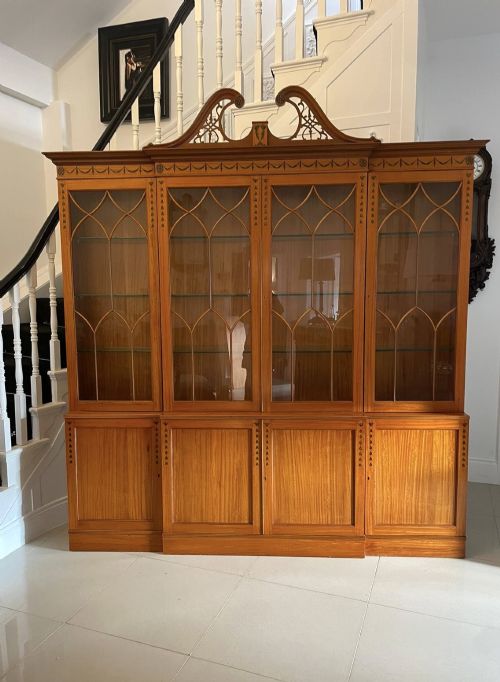
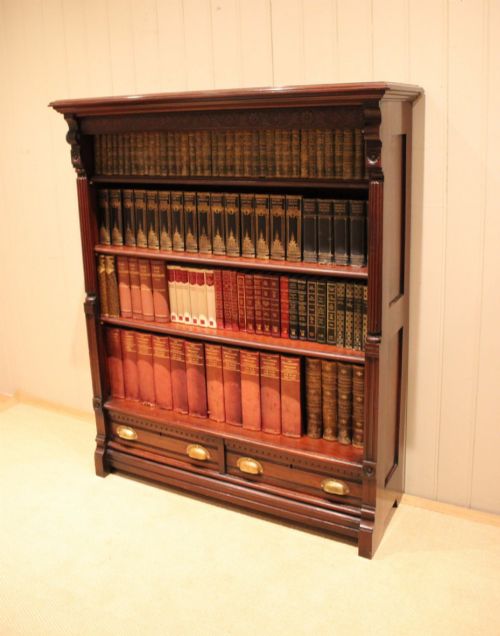
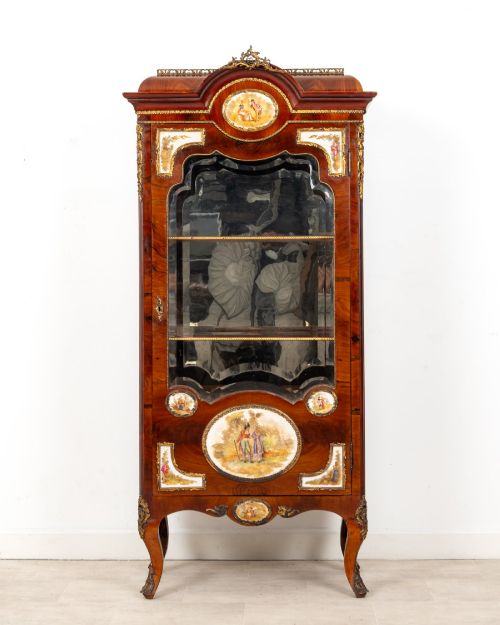
An Edwardian display bookcase combines enclosed shelving for volumes with glazed cabinet space for ornaments and china. These pieces appear primarily from the Edwardian period, along with examples dated around 1910 and 1920.
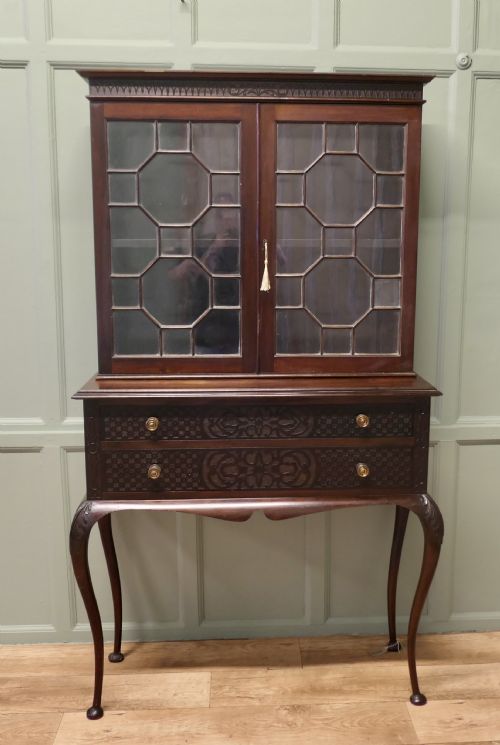
The standard format is a two-part cabinet or a taller combination piece featuring glazed doors, open display shelves, or a bureau section. Woods span mahogany, flamed mahogany, figured mahogany, oak, walnut, and painted satinwood.
Makers and cabinetmakers produced these works in varied styles including Arts and Crafts, Chippendale style, and Regency taste. The core function remains combining a traditional library bookcase with a display cabinet.
Materials and construction
Makers utilised solid timbers and veneers of mahogany, oak, walnut, and satinwood, frequently enhanced with marquetry and inlay work. Glazing takes forms such as astragal-glazed doors or lead glass panes set within wooden frames.
Brass fittings, gilt brass mounts, and mirrors supplement the primary timber structures. Interiors often provide adjustable wooden shelves to accommodate books or display objects of varying heights.
Retail Price Guide 2026
Typical UK retail prices for edwardian display bookcase, calculated from the Sellingantiques database of over a million retail prices indexed since 2003. This retail price guide relies exclusively on Sellingantiques data; no external sources or auction records are used, so the figures do not describe the wider market.
Several cabinets include hidden bureau drop-fronts, letting a Victorian secretary suddenly morph into a modern Edwardian bookworm.
Defining characteristics of quality
The distinction between standard examples and finer pieces rests in timber selection, such as figured or flamed mahogany and richly grained walnut. Delicacy of marquetry inlay and precision in astragal glazing elevate the visual merit.
Makers known for exceptional production, alongside well-executed architectural details and original brass or gilt brass hardware, separate the upper tier of cabinets from simpler utility pieces.
T Inglesant And Sons Leicester·Maple And Co
The Edwardian Display Bookcase Glossary
- Astragal-glazed
- Glazing secured by thin wooden bars dividing the glass panes into smaller sections. This technique defines the classic appearance of many Edwardian cabinet doors.
- Marquetry
- Decorative veneer work forming pictures or patterns using various coloured woods. Craftsmen applied this technique to cabinet facades and friezes.
- Figured mahogany
- Timber exhibiting distinctive natural grain patterns such as flame or fiddleback. This decorative wood was selected for prominent exterior surfaces on better pieces.
- Lead glass
- Glass panes held together by lead caming rather than standard wooden glazing bars. This material frequently appears in Arts and Crafts examples.
- Breakfront
- A cabinet design where the central section projects forward from the flanking wings. This architectural arrangement adds depth and presence to larger library pieces.
Frequently Asked Questions
How do I clean the glass?
Use a soft cloth with a mild glass cleaner applied to the cloth rather than sprayed directly onto the wood. This protects delicate Edwardian polishes and veneers from moisture damage.
Take care around leaded or astragal-glazed wooden joints so liquid does not seep behind the framing over time.
Are the shelves adjustable?
Many examples feature adjustable wooden shelving supported by traditional rackwork systems or metal pegs. This allows you to alter shelf heights for varying book sizes.
Some earlier or simpler cabinets have fixed shelving built into the carcase construction.
Where should I place it?
Position your cabinet away from direct sunlight and heat sources to prevent the mahogany, oak, or walnut timbers from drying and splitting. Stable room humidity preserves the original polish and veneers.
Ensure the floor is level so the two-part structure or heavy glazed doors align properly during daily use.
What is an Edwardian bookcase?
It is a hybrid furniture form created during the Edwardian period that merges a traditional library bookcase with a display cabinet. These pieces accommodate books behind glass or open shelves while exhibiting decorative porcelain.
They appear in woods like mahogany, oak, and walnut, frequently incorporating inlaid satinwood or marquetry details.