




Edwardian Diamond Drop
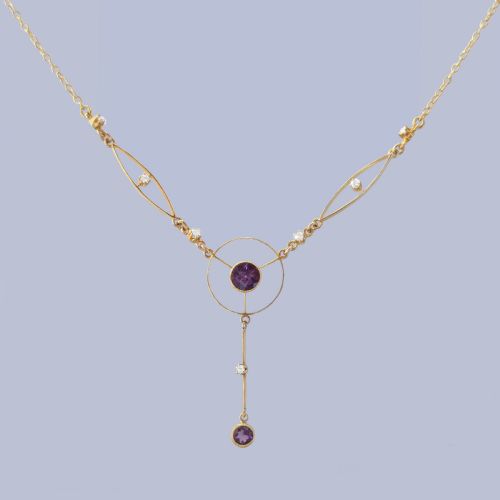
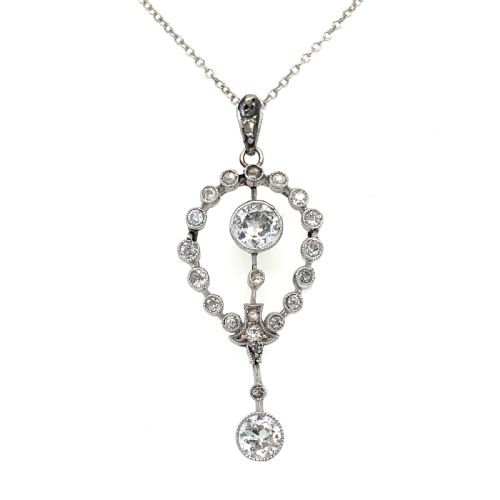
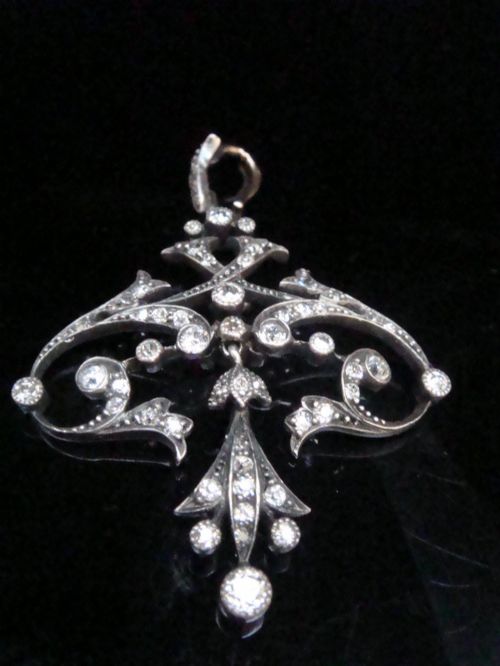
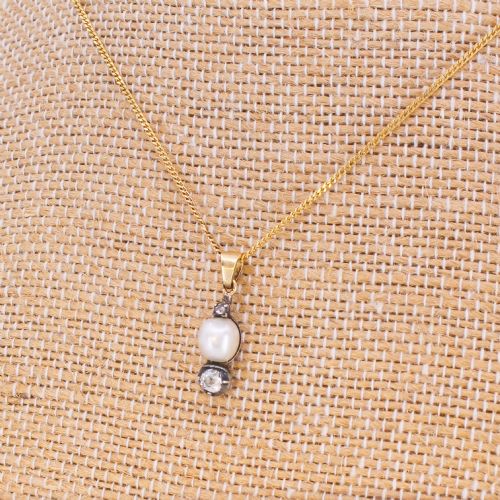
When you explore an edwardian diamond drop, you find delicate antique pendants and earrings that suspend bright stones with lightness and grace.
Edwardian Diamond Drop
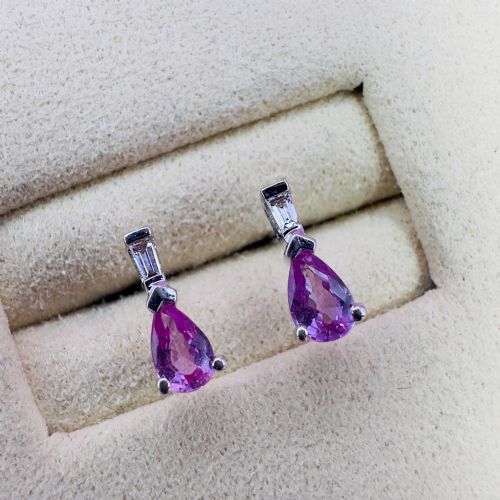
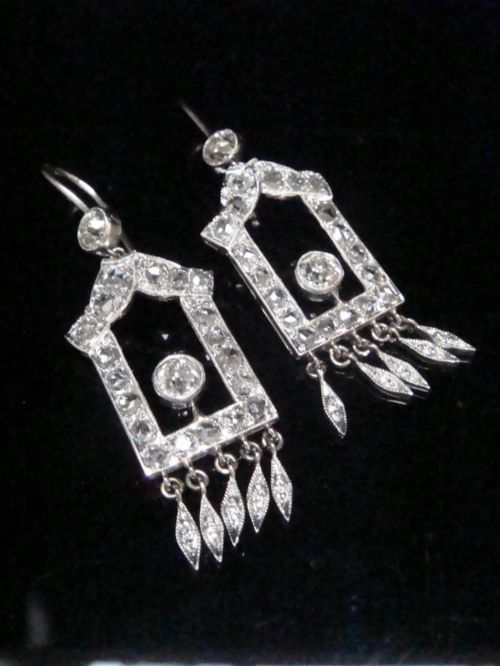
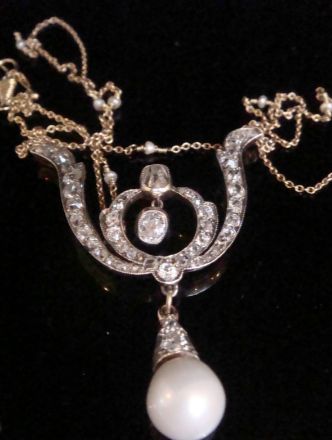
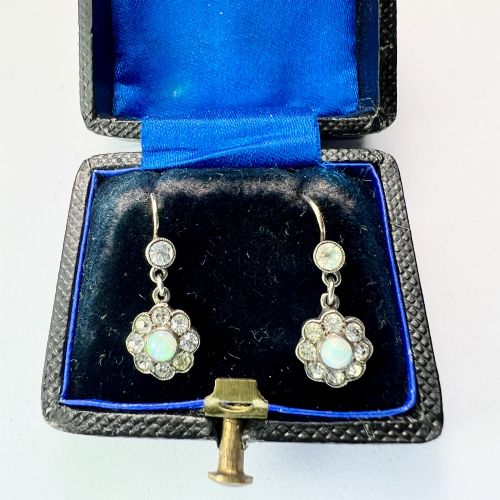
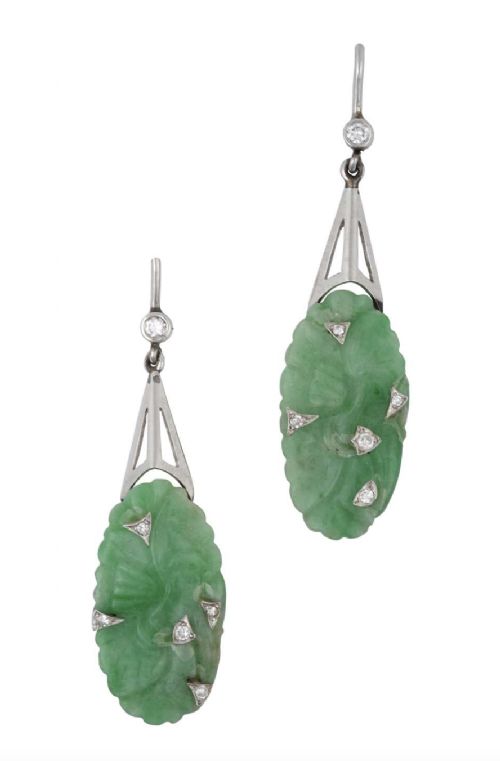
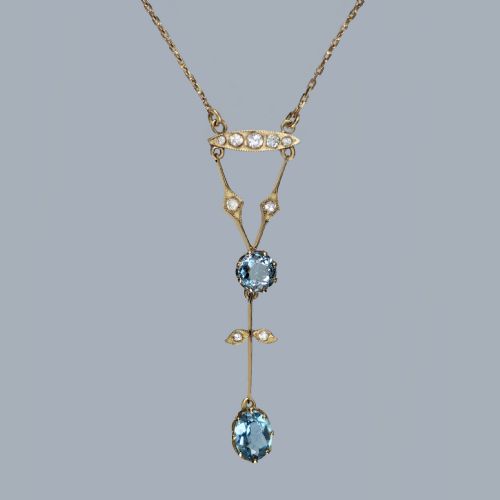
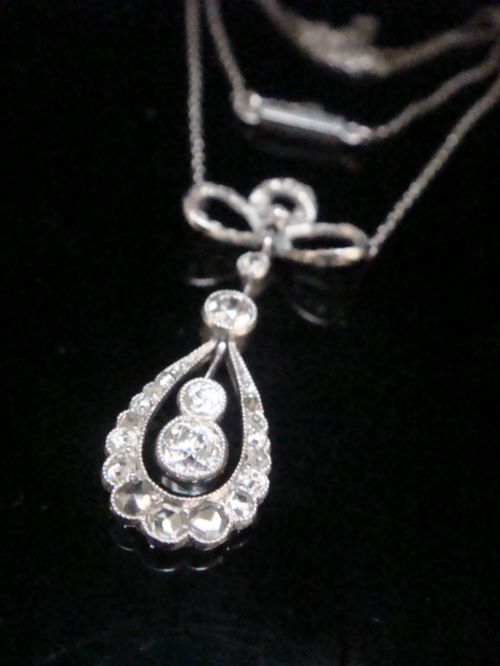
Buyers seeking an edwardian diamond drop examine delicate hanging jewels designed to catch the light with every movement. The selection focuses on drop earrings, lavalier necklaces and swinging pendants created during the early twentieth century.
Earrings and pendant necklaces dominate the available forms, often featuring articulated sections that sway gently. These pieces emerged from a period known for refined craftsmanship and lighter metalwork following heavier Victorian designs.
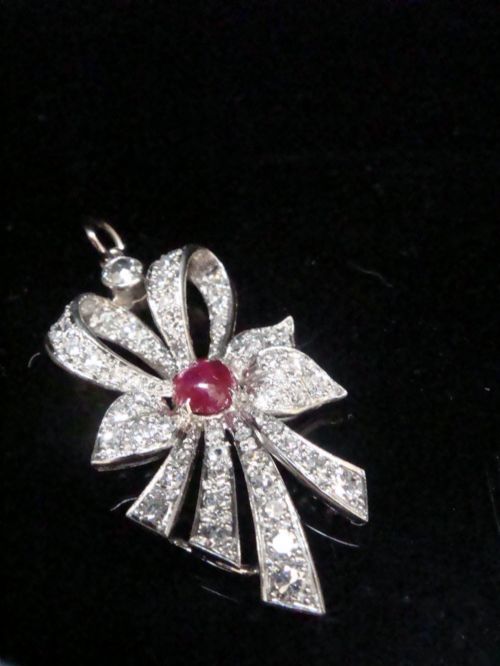
Makers utilised platinum alongside yellow gold and white gold to construct airy, lace-like mounts. Gems such as aquamarine, natural pearl, sapphire and ruby frequently accompany the central diamonds.
Materials and Construction
Craftsmen built these pieces using platinum bonded to gold or silver, exploiting the strength of platinum to fashion ultra-fine wirework and knife-edge settings. This technical advance allowed jewellers to reduce visible metal and maximise diamond illumination.
Diamonds were hand-cut in old European, old mine or rose cuts, displaying softer facets than modern brilliant cuts. Gemstones were then secured in millegrain settings, finished with tiny beaded edges along the metal perimeter.
Evaluating the Pieces
The standard of work depends on the precision of the piercing and the delicacy of the metal scrolls. Superior examples display balanced symmetry and secure articulation between the dropping sections without stiffness.
Stone matching and cutting quality dictate the upper tier of these items. Well-matched pearls and clean old-cut diamonds with lively light return distinguish the finest specimens from simpler workshop output.
Knoll and Pregizer·Eduard Foehr·Bentley and Skinner·James Walker
The Edwardian Diamond Drop Glossary
- Millegrain
- A decorative technique featuring a row of tiny raised metal beads along the edge of a setting. This finish softens the transition between metal and stone.
- Old cut
- A diamond facet arrangement hand-cut before modern machinery standardised proportions. These stones typically feature smaller tables and higher crowns.
- Lavalier
- A pendant necklace featuring a central stone or drop suspended below a main decorative motif. The style gained immense popularity during the early twentieth century.
- Rose cut
- A gemstone cut characterised by a flat base and a domed crown covered in triangular facets. It produces a soft, translucent gleam rather than fiery brilliance.
- Dormeuse
- A style of drop earring originally designed for comfortable wear during sleep. They feature secure closing mechanisms suited to continuous use.
Edwardian Diamond Drop: Frequently Asked Questions
How do I wear drop earrings safely?
Ensure the hook or wire fastens securely behind the earlobe before venturing out. Heavier drops benefit from supportive butterfly backs or specialised cradles.
Store them separately in a lined box to prevent the dangling sections from tangling or striking other jewellery.
Can I wear these pieces every day?
Antiques require gentle treatment due to their delicate platinum wires and historic settings. Reserve them for daily wear only if you inspect the clasps and mounts regularly.
Remove necklaces and earrings before swimming, exercising or applying cosmetics to protect the old stones and pearls.
How do I clean antique diamond jewellery?
Wash pieces gently in warm water using mild soap and a very soft brush to remove dust from behind the settings. Avoid harsh ultrasonic cleaners, which can loosen fragile old-cut stones or damage natural pearls.
Dry them thoroughly with a lint-free cloth before returning them to storage.
How do I distinguish Edwardian from Victorian drops?
Edwardian items favour white metals like platinum and white gold, creating an airy, lace-like aesthetic. Victorian pieces more commonly utilise heavy yellow gold and robust structural mounts.
Look for the characteristic millegrain edges and garland motifs typical of the later period.