

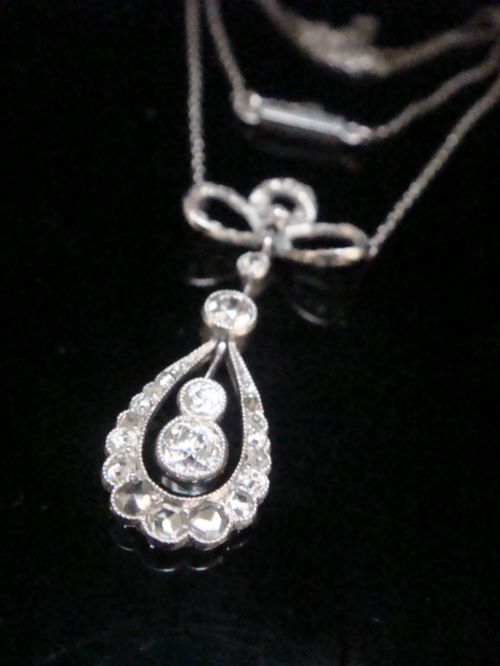


Edwardian Diamond Drop Pendant
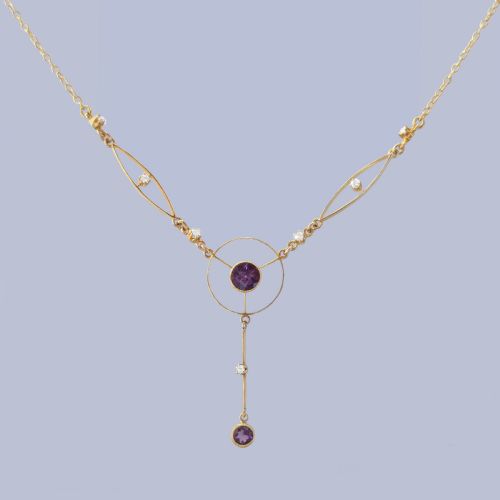
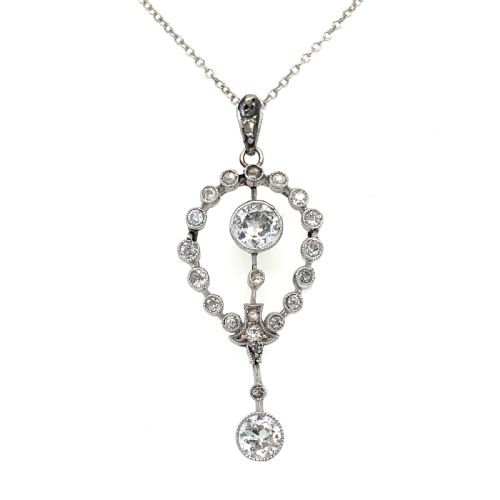
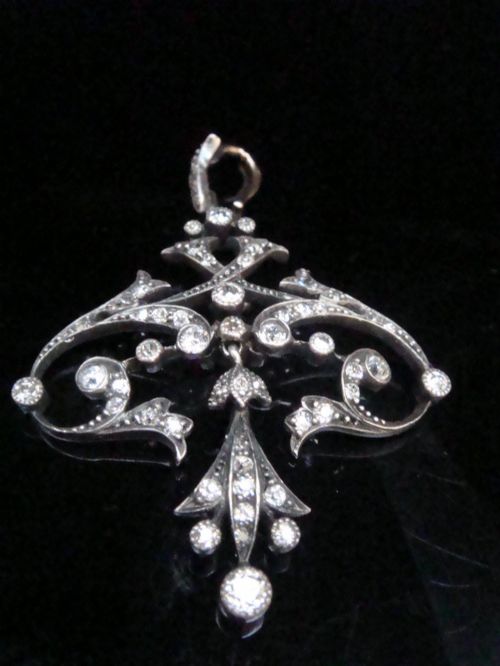
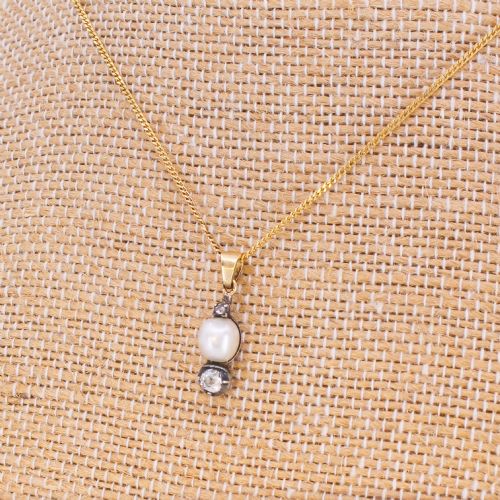
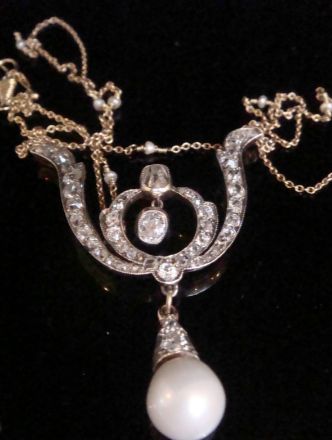
An edwardian diamond drop pendant carries the delicate work of early twentieth-century jewellers, combining platinum and gold with stones suspended below the chain.
Edwardian Diamond Drop Pendant
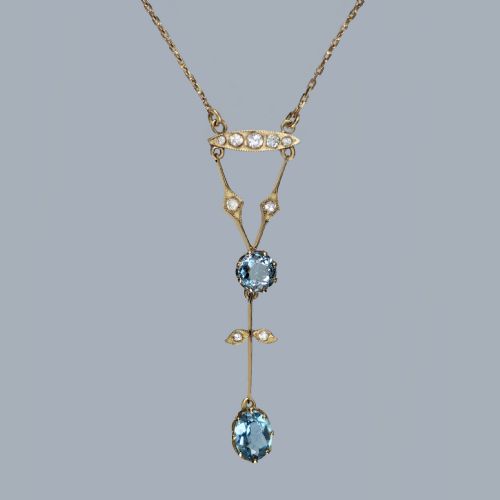
When searching for an edwardian diamond drop pendant, a buyer encounters jewels designed to hang gracefully from the neck, often incorporating pearls, aquamarines, or opals alongside diamonds. These pieces frequently emerge from the early decades of the twentieth century, bridging Victorian weight and the lighter geometric shifts of later periods.
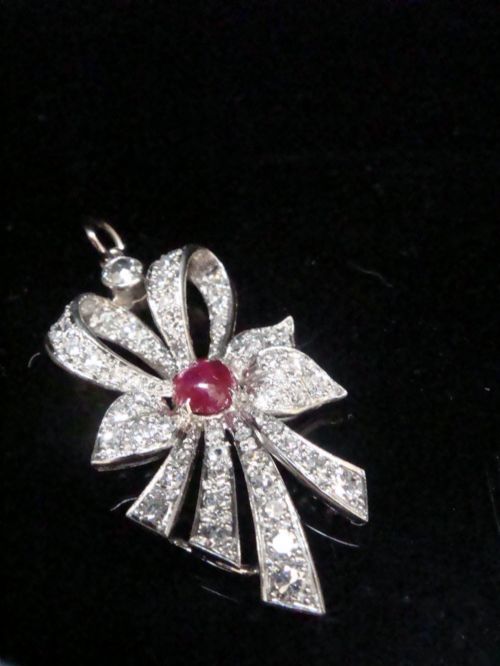
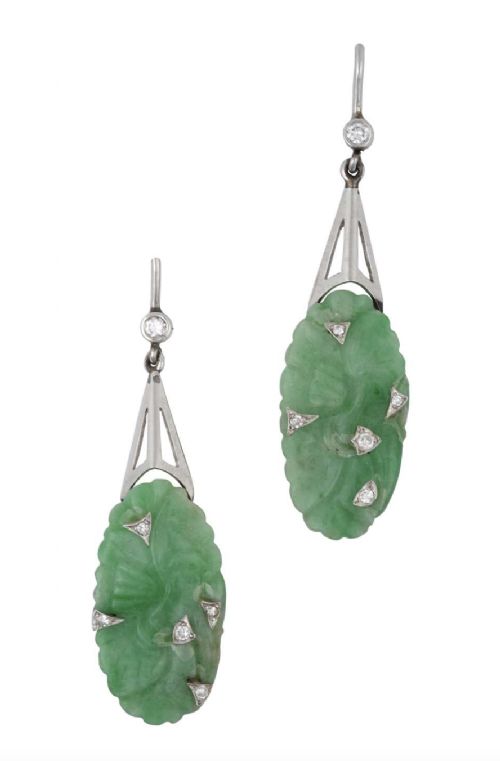
The selections on this page span necklace forms, lavaliers, and drop pendants mounted in yellow gold, white gold, and platinum. Alongside pieces strictly dated to the Edwardian era, related items from surrounding decades appear, carrying similar suspension settings and central stone arrangements.
Materials and Construction Techniques
Makers utilised platinum alongside yellow and white gold to create robust yet fine settings that could hold old-cut diamonds without heavy metal bulk. This transition in metal use allowed openwork mounts, millegrain edges, and delicate foliate bows to support central gemstones securely.
Pearls, aquamarines, and opals are frequently integrated with diamond clusters, secured by carefully wrought claws and pierced bezels. The construction relies on hand-pierced metalwork designed to maximise light transmission through the suspended stones.
Listings feature platinum, yellow gold, and white gold paired with aquamarines, opals, pearls, and sapphires across the Edwardian period.
Distinctions in Quality and Execution
The standard of a pendant depends largely on the crispness of the pierced metalwork and the uniformity of the millegrain decoration. Finer examples display meticulous hand-finishing on the reverse as well as the front, ensuring that every curved platinum wire or gold mount aligns properly with the suspended stones.
Gemstone selection and matching also divide the work, where well-matched natural pearls, clean aquamarines, or lively old-cut diamonds elevate a piece. The integration of the drop mechanism itself dictates the balance and movement of the jewel when worn.
EDUARD FOEHR
The Edwardian Diamond Drop Pendant Glossary
- Lavalier
- A pendant featuring a primary drop stone or ornament suspended lower than the main necklace chain or collar. This style gained particular popularity during the Edwardian period.
- Millegrain
- A decorative technique involving a row of tiny raised metal beads along the edges of a setting. It softens the metal outline and adds texture to platinum or gold mounts.
- Old Cut
- A diamond faceting style common before the standardisation of the modern brilliant cut. These stones typically feature smaller tables, higher crowns, and open culets.
- Bow Pendant
- A jewel shaped to resemble a ribbon bow from which a pendant drop is suspended. They are frequently executed in platinum with pave-set diamonds.
Edwardian Diamond Drop Pendant: Frequently Asked Questions
How do I care for an antique pendant?
Store the piece separately in a lined box to prevent scratching against other items in your collection. Avoid exposing pearls or softer gems to harsh ultrasonic cleaners or chemical dips.
Have the settings checked periodically by a specialist to ensure the tiny claws holding the diamonds and drop stones remain secure. Gentle cleaning with a soft brush and warm soapy water usually suffices for platinum and gold mounts.
Can I wear these pendants every day?
While platinum and gold provide durable settings, these antique pieces often incorporate delicate pierced work and older gems. Treating them with care during daily activities preserves their fine structural integrity.
Take the pendant off before swimming, exercising, or sleeping to protect the suspended drop and any softer stones like opals or pearls from accidental impacts.
What is the difference between Edwardian and Art Deco pendants?
Edwardian pieces tend to feature flowing floral motifs, garland styles, and delicate platinum scrollwork with millegrain edges. They often highlight softer coloured stones like aquamarines or pearls alongside old-cut diamonds.
Art Deco items shift towards rigid symmetry, bold geometric lines, and stark contrasts, embracing more stylised patterns and calibrated colour stones. The transition reflects a broader design movement away from organic curves toward industrial abstraction.
How are different gold colours used in these pieces?
Yellow gold frequently forms the backing or structural core of earlier Edwardian and late Victorian pieces, particularly in lavaliers and cluster mounts. This warmer metal provides a traditional contrast to the stones.
White gold and platinum gained prominence for the front-facing sections, allowing jewellers to create a bright, neutral background that enhanced the sparkle of the diamonds.