


Art Deco Drop Pendant
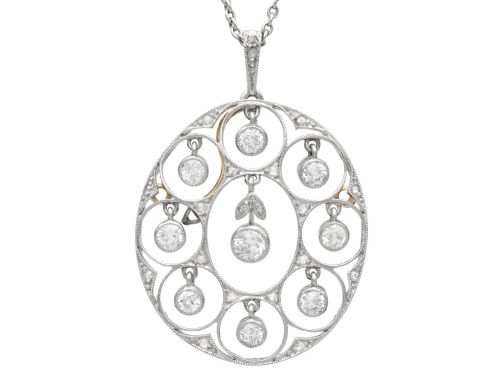
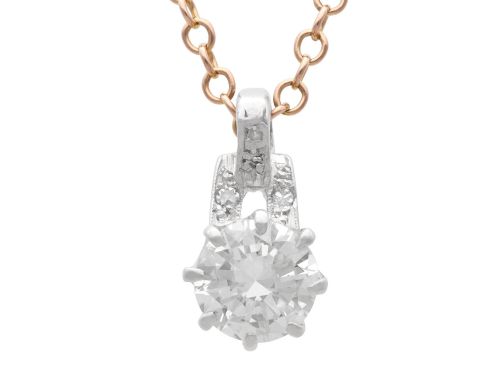
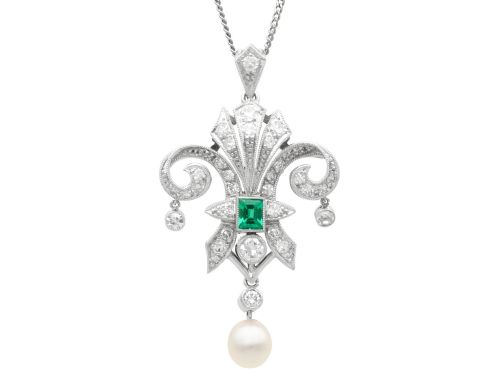
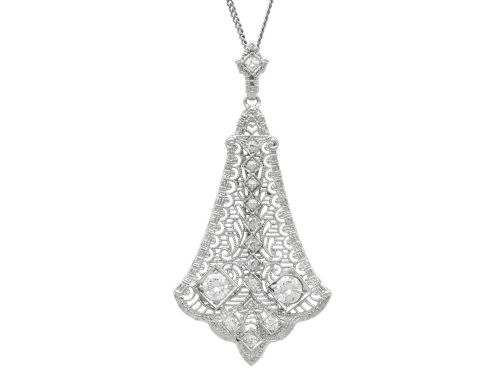
When you search for art deco drop pendant, you encounter suspended jewels and lights defined by geometric discipline and vertical suspension.
Art Deco Drop Pendant
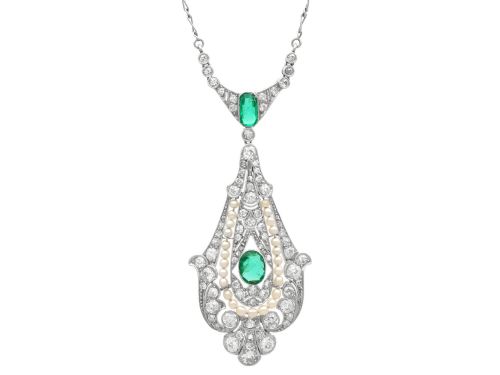
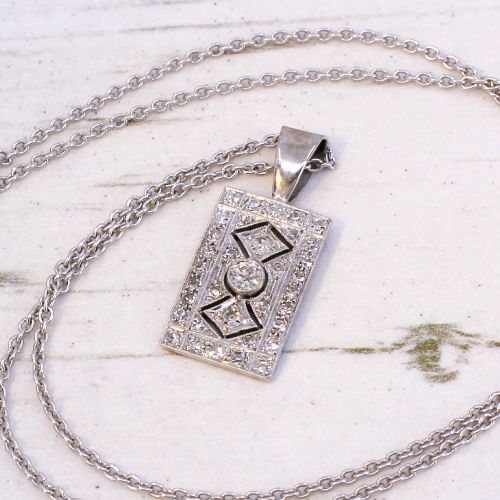
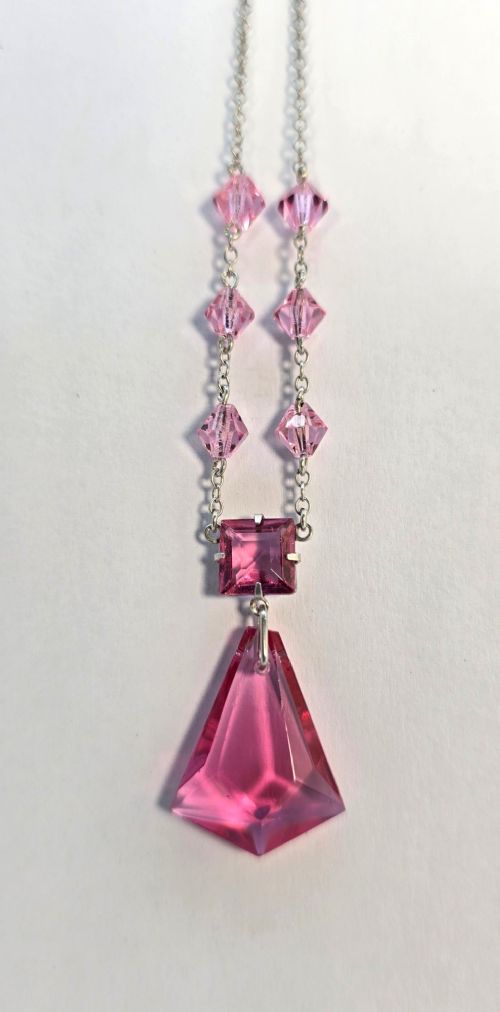
An art deco drop pendant brings together suspended gemstones, crystals, or lamps that hang with architectural clarity. These pieces appear most frequently in platinum or white gold settings, alongside silver and brass fixtures from the 1920s and 1930s.
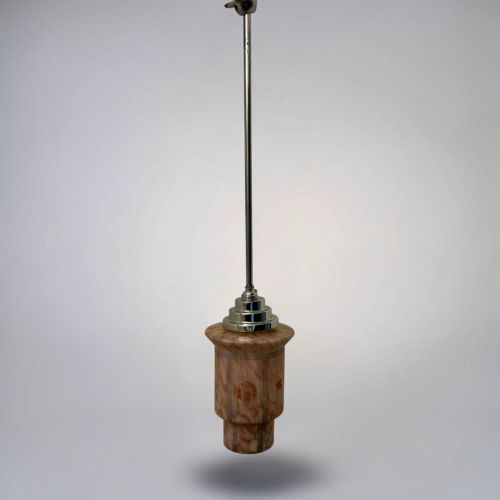
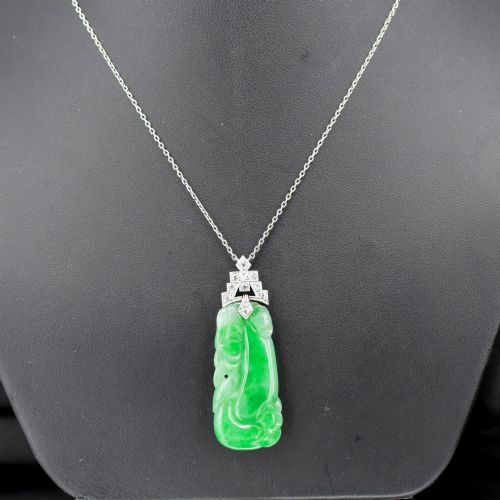
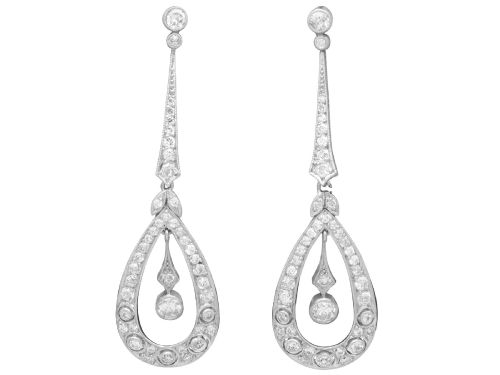
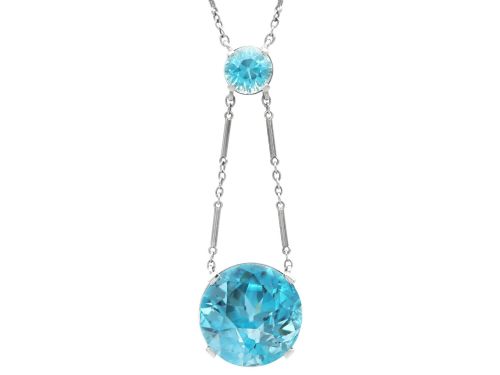
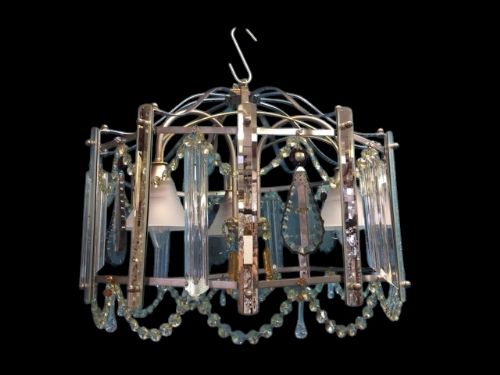
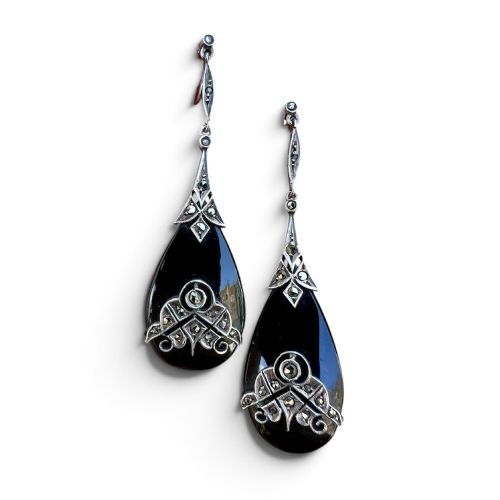
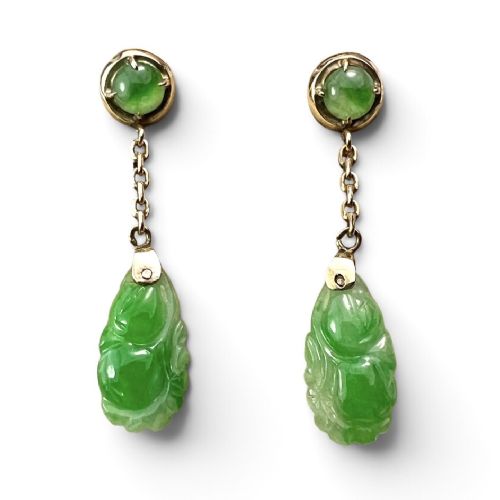
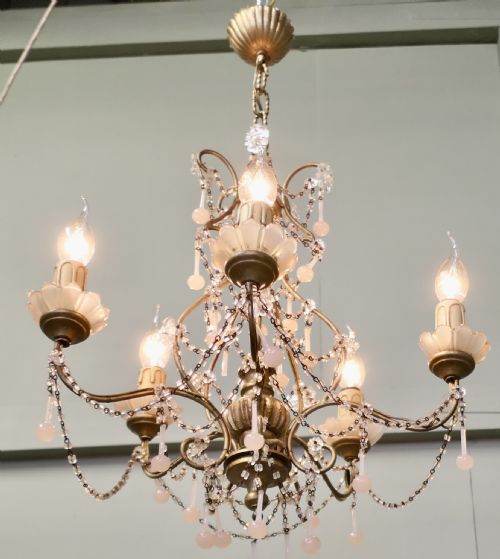
The category encompasses personal jewellery such as diamond and aquamarine necklaces and drop earrings, alongside interior lighting fixtures like cut glass chandeliers and ceiling pendants. Pieces often integrate geometric onyx, jade, opal, or crystal elements that elongate the vertical drop.
Originating largely from the interwar period, these items reflect the streamlined motifs of the era. Surviving examples demonstrate both delicate personal ornamentation and substantial hanging lamps designed for architectural interiors.
Materials and construction
Jewellery pieces rely on platinum, white gold, and silver frames to secure old-cut diamonds, aquamarines, pearls, and carved jade without heavy metal borders. Techniques emphasise bezel and channel settings that maintain clean lines around geometric stones.
Lighting fixtures utilise cut glass, crystal, and opaline glass mounted in brass, chrome, or bronze frameworks. Artisans assembled multi-tiered chandeliers and ceiling pendants using precision-cut components designed to refract light through structured geometric tiers.
Art Deco Drop Pendant Retail Price Guide 2026
Typical asking prices for art deco drop pendant among the pieces listed under this phrase on Sellingantiques today, from the lower quarter to the upper quarter. They describe what is for sale here now, not the wider market.
Some multi-tier chandeliers manage to look like frozen waterfalls captured mid-drop.
Elements of quality
The calibre of a piece rests on the precision of its metalwork and the integration of its suspended elements. Superior examples show meticulous hand-piercing in platinum or balanced weight distribution in multi-tier glass chandeliers.
Stone selection and cutting dictate the upper tier of the range, where old-cut diamonds, matched aquamarines, or natural pearls possess high clarity and secure, flush settings. Lesser examples display minor inconsistencies in stone symmetry or heavier, less refined metal casting.
The Art Deco Drop Pendant Glossary
- Old cut
- A diamond facet style popular before modern brilliant cutting, characterised by a smaller table, higher crown, and open culet. These stones project a softer, warmer candlelit gleam.
- Platinum
- A dense, durable white metal utilised extensively during the 1920s and 1930s for fine jewellery. Its strength permits exceptionally thin claw settings that maximise light entry into diamonds.
- Marcasite
- Small, faceted pieces of iron pyrite polished and set into silver to resemble diamonds. It provides a dark, glittering metallic border typical of period accessories.
- Opaline glass
- A milky, translucent glass variant used in interwar pendant lights to diffuse illumination softly. It scatters light evenly without harsh glares.
- Amsterdam School
- An early twentieth-century architectural and design movement focused on expressive brickwork, organic forms, and decorative metalwork. It influences the structural brass lighting fixtures found in this category.
Art Deco Drop Pendant: Frequently Asked Questions
How do I clean antique platinum jewellery?
Clean platinum settings with warm soapy water and a very soft brush to remove oils trapped beneath stones.
Avoid harsh chemical dips, particularly if the piece incorporates pearls, opals, or soft organic gems that react poorly to solvents.
How do I distinguish 1920s platinum from white gold?
Platinum possesses a heavier weight and a deeper, greyer metallic lustre compared to the brighter tone of white gold.
Jewellery from the interwar period relied heavily on platinum due to its structural strength for delicate piercing work.
Can I wear an antique drop necklace daily?
Sturdier platinum and gold diamond necklaces tolerate regular wear provided the clasp and settings remain secure.
Pieces featuring softer gems like opal or pearl require greater caution to prevent surface scratches and impact damage.