



Edwardian Decorative Vessel
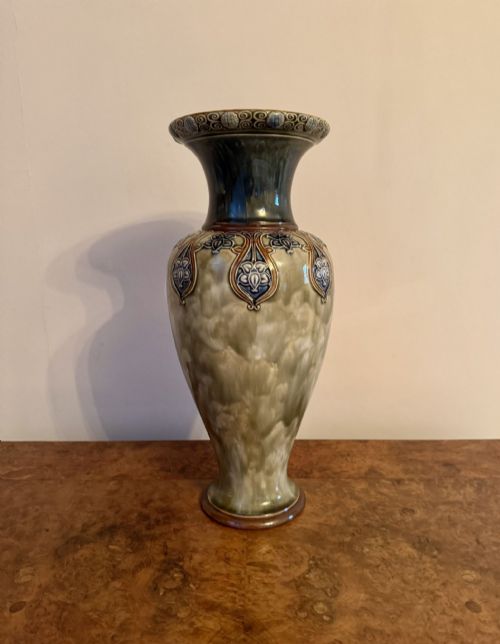
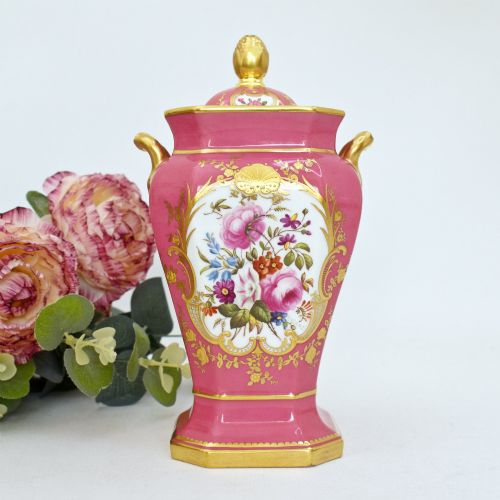
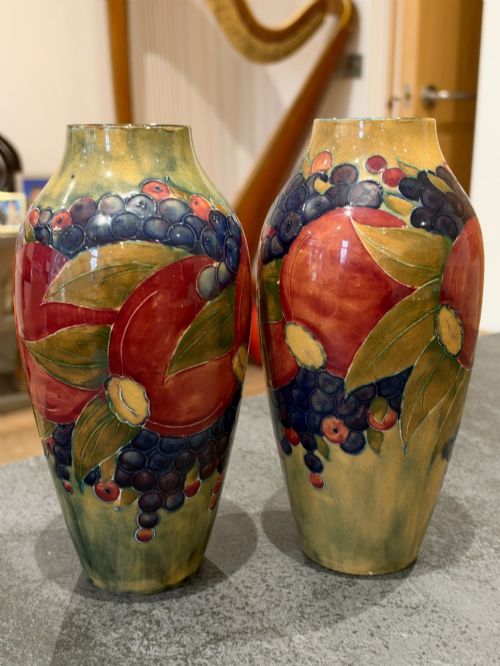
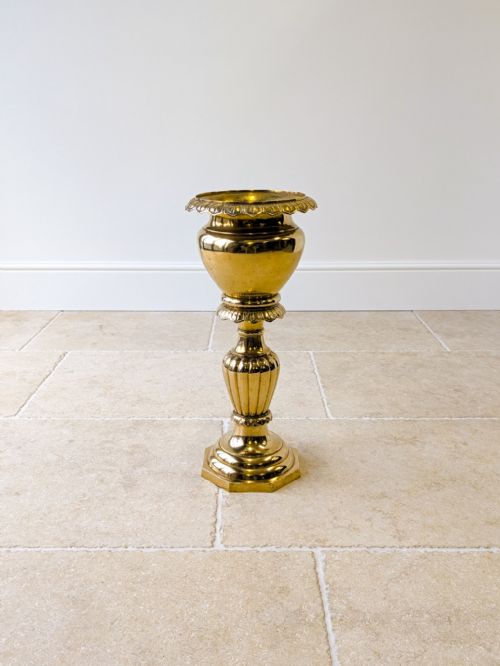
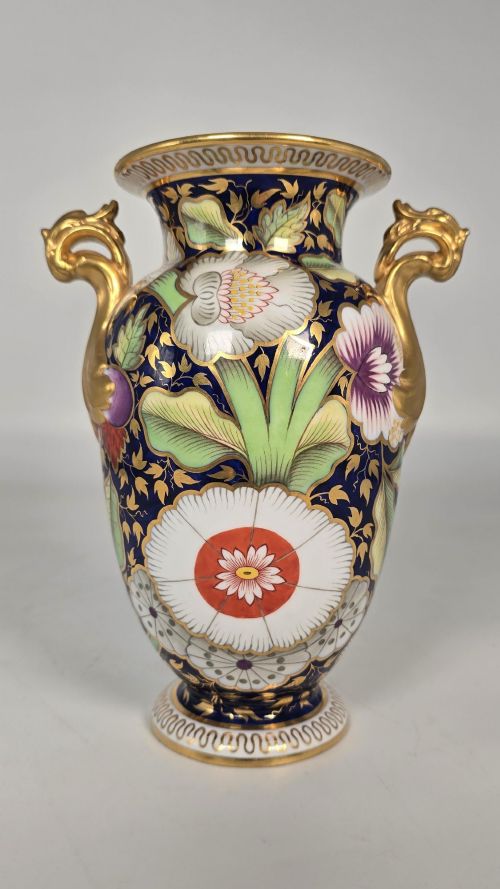
These pieces form the edwardian decorative vessel selection, bringing turn-of-the-century craftsmanship and ornamental utility into the home.
Edwardian Decorative Vessel
An edwardian decorative vessel encompasses a wide range of ornamental containers made for display, from ceramic vases to metal jardinières and bowls. These items date primarily from the early twentieth century, reflecting the tastes of the Edwardian era alongside late Victorian and Arts and Crafts movements.
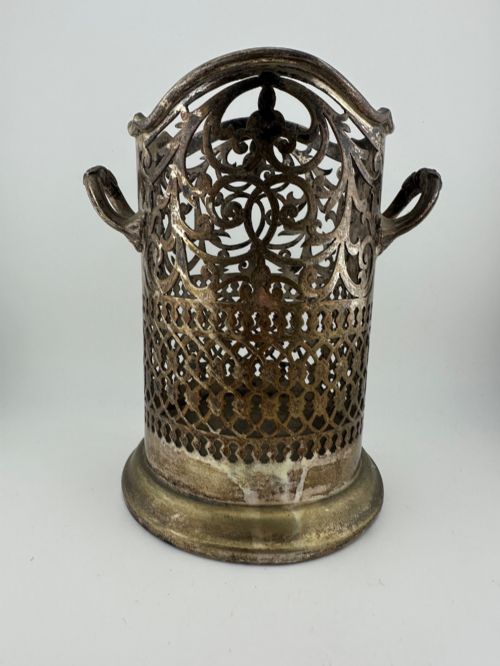
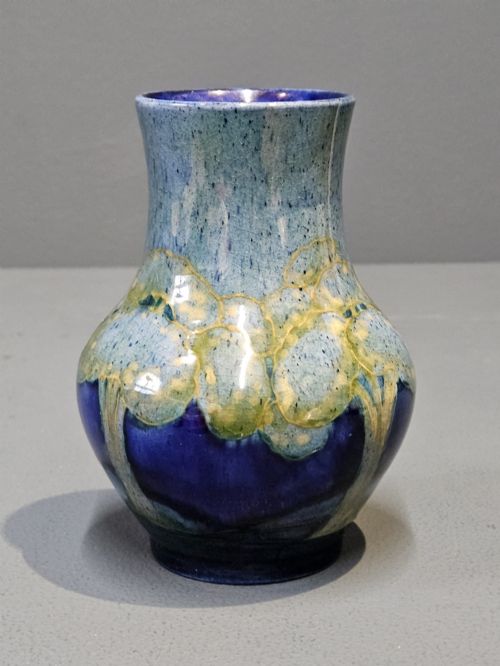
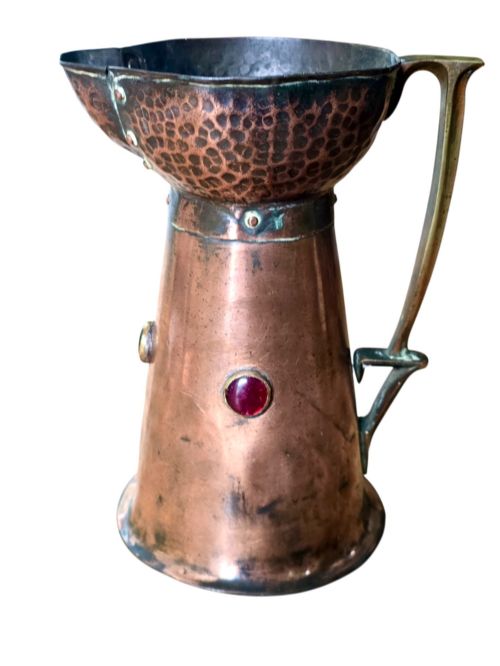
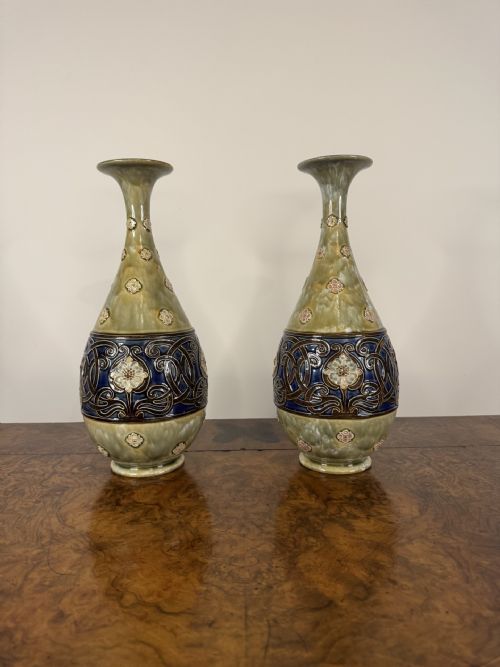
The versions most commonly met here include earthenware and porcelain baluster vases, copper planters set with cabochons, and pierced metal wine holders. Makers utilise materials ranging from stoneware and glazed ceramic to brass, copper, and silver plate.
Forms span from tall pedestal vases and lidded jars to table centrepieces and heavy ewers. Origins stretch across English potteries, Scottish art pottery studios, French metal workshops, and Anglo-Indian trading routes.
How They Were Made
Pottery examples rely on ceramic and porcelain bodies finished with coloured glazes, hand-painted decoration, or stoneware salt glazing. Famous names like Royal Doulton and Royal Worcester employ skilled artists to paint floral and pictorial scenes directly onto the clay surface.
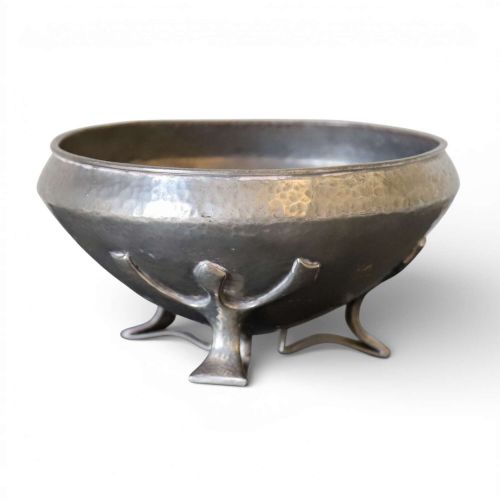
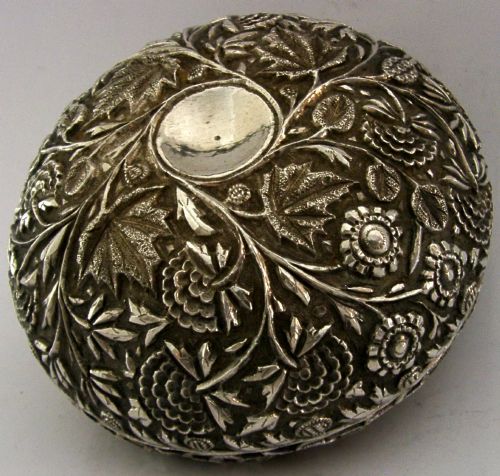
Metal vessels utilise copper, brass, pewter, and silver plate formed through spinning, casting, or hand-beating. Many Arts and Crafts pieces feature applied cabochons, enamel inlay, or chased floral decoration worked by hand.
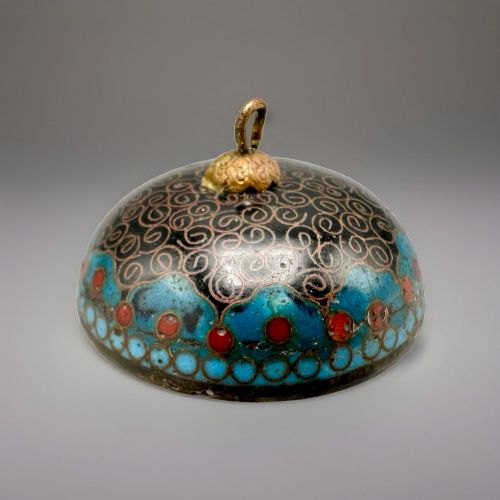
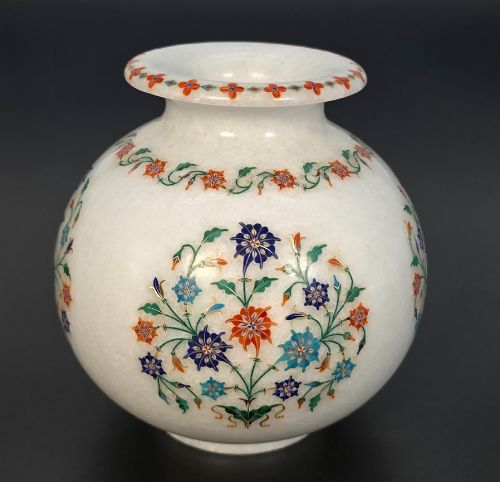
Glass and stone variations include optically blown vessels and inlaid marble utilising pietra dura techniques. French and Japanese workshops contribute cloisonné enamel and shell decoration to the broader material palette.
Edwardian Decorative Vessel Retail Price Guide 2026
Typical asking prices for edwardian decorative vessel among the pieces listed under this phrase on Sellingantiques today, from the lower quarter to the upper quarter. They describe what is for sale here now, not the wider market.
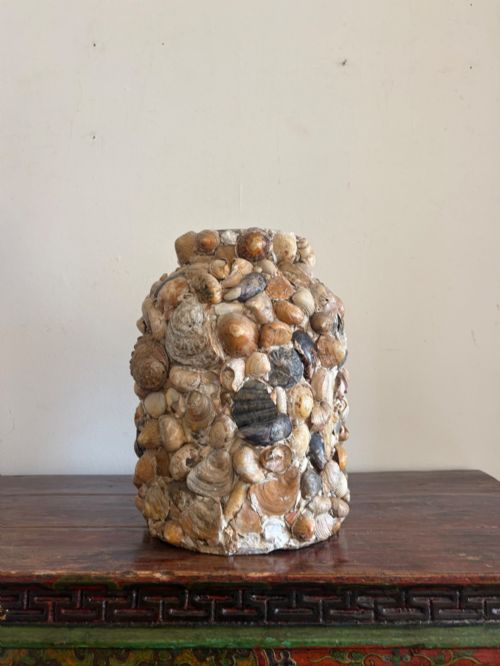
Shell decoration meets French folk art in a jar dating from eighteen ninety, proving Victorians would glue pretty seashells to practically anything.
What Varies in Quality
The standard of painting and surface finish separates standard production from exceptional studio work. Hand-painted pieces signed by known artists command greater attention through detailed brushwork and careful kiln firing.
Weight and structural substance distinguish solid metalwork from thin plated alternatives. Pieces featuring hand-beaten copper, integrated cabochons, and crisp chasing demonstrate superior craftsmanship.
Design integration defines the most successful examples. Where metal overlay, pewter mounts, or enamel inlays harmonize with the ceramic or glass body, the object achieves greater artistic cohesion.
Royal Doulton·William Moorcroft·Royal Worcester·Mappin And Webb·Liberty And Co
The Edwardian Decorative Vessel Glossary
- Baluster
- A tall vase or architectural form tapering upward from a broad base. This silhouette is frequently seen in early twentieth-century ceramic vessels.
- Cabochon
- A polished, convex gemstone or coloured glass cabochon set without facets into metalwork. These decorative stones characterise many Arts and Crafts copper pieces.
- Jardiniere
- An ornamental pot or stand designed to hold a plant or floral arrangement. These heavy vessels often sit on pedestals or tables.
- Cloisonne
- An ancient technique for decorating metalwork objects with coloured material held in place by thin metal strips. Japanese examples of this work appear frequently in the period.
- Imari
- A style of porcelain decoration featuring deep cobalt blue and iron red highlights, often accented with gold. This aesthetic heavily influenced Edwardian and Victorian ceramic manufacturers.
Edwardian Decorative Vessel: Frequently Asked Questions
How were these vessels used?
Most of these vessels served as decorative centerpieces, mantelpiece ornaments, or holders for cut flowers and indoor plants. Jardinières housed potted ferns and palms in formal drawing rooms.
Smaller vessels like bud vases and lidded pots sat on desks and side tables to display decorative flair without a functional demand.
How do I clean copper vessels?
Cleaning antique copper requires a gentle touch to preserve the natural aged patina built up over a century. Harsh chemical polishes can strip away desirable surface darkening that collectors value.
Use mild soapy water and a soft cloth for routine dust removal, avoiding abrasive pads that scratch the hand-beaten metal surface.
How do I identify Art Nouveau pieces?
Art Nouveau items feature characteristic flowing lines, stylized plant motifs, and organic shapes inspired by natural forms. You will spot whipped curves and whiplash patterns across the ceramic glazes and metal mounts.
Many of these pieces utilise pewter overlay or cabochon stones to accentuate the sinuous designs popular around nineteen hundred.