






Edwardian Crystal Set
An edwardian crystal set brings together matched glass and silver for the table, offering a glimpse into the lavish entertaining of the early twentieth century.
Edwardian Crystal Set
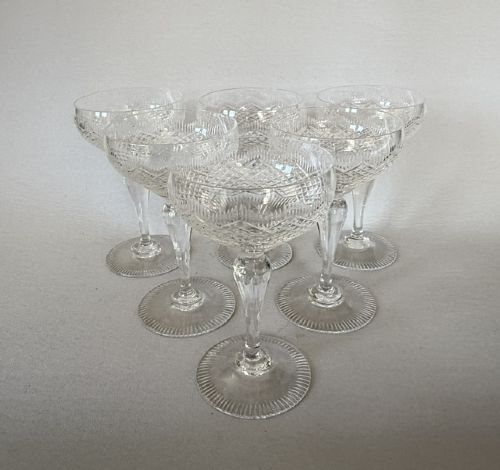
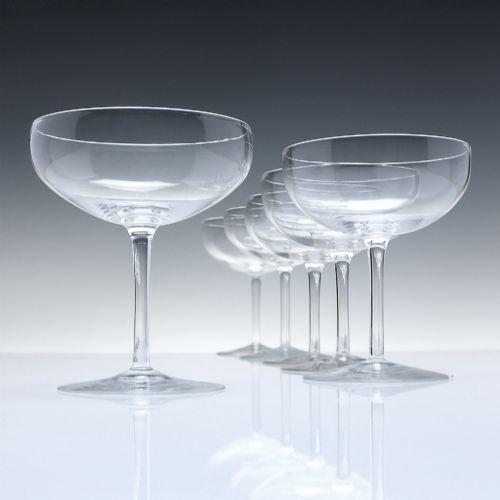
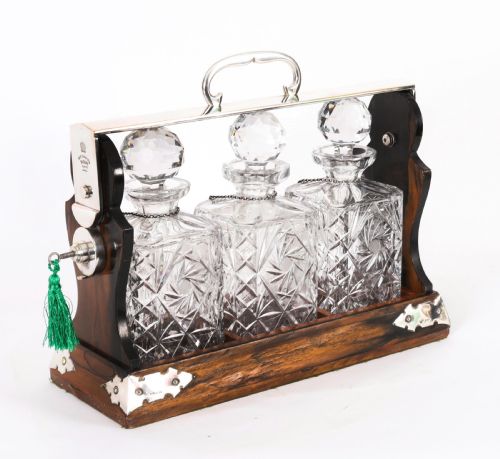
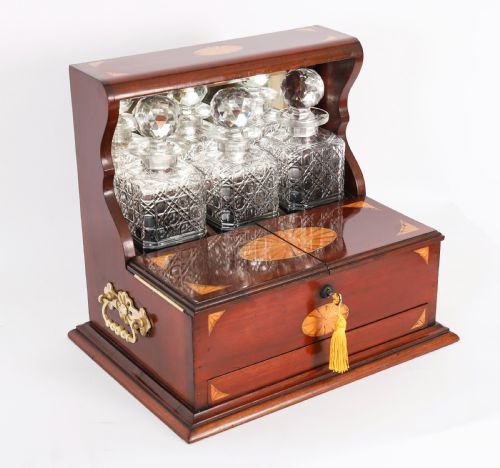
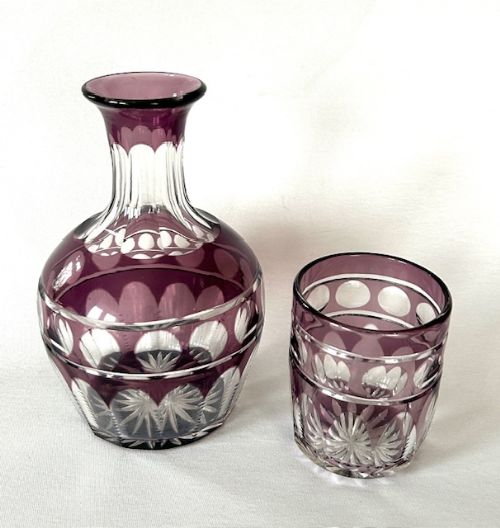
When searching for an edwardian crystal set, buyers encounter matching collections designed for dining and entertaining, ranging from drinking glasses to condiment holders and tantalus arrangements. The most common versions on this page include sets of champagne coupes, hock glasses, cruet bottles, and spirit decanters housed in oak or walnut frames.
Originating largely from the late Victorian and Edwardian periods, these groupings reflect the domestic habits of households that valued formal presentation. Many pieces stem from English makers and London workshops operating around nineteen hundred, though some examples reach back into the late nineteenth century and forward into the nineteen twenties.
Materials and Technique
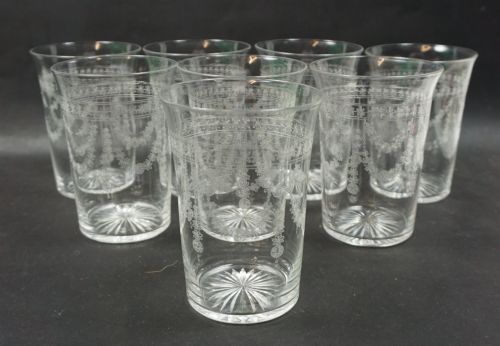
The physical weight and brilliance of these items derive from heavy cut lead crystal and clear glass, shaped by optical blowing, hand-cutting, and occasionally acid-etching or intaglio engraving. Artisans carved deep facets, hobnail patterns, and floral motifs directly into the surface to catch the light.
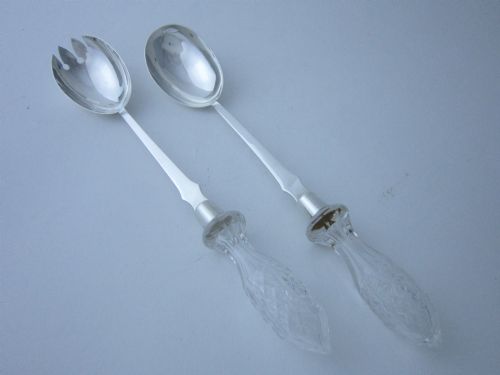
Metal mounts, silver plating, and sterling silver components provide structural support and decorative contrast. Oak, walnut, satinwood, and coromandel timber form the carcasses for tantalus frames and games compendiums, secured with brass hinges and locks.
Some tantalus cabinets doubled as secret games compendiums, ensuring that guests could play cards while pondering how to unlock the whisky.
Craftsmanship and Harmony
Distinctions across the range rest on the crispness of the glass-cutting and the integrity of the matching components. Superior sets exhibit uniform thickness, precise facet alignment, and clear resonance when struck gently, whereas lesser examples show minor mould seams or uneven surface polish.
The completeness and original pairing of the set influence its character. Retaining a full complement of identical glasses, matching stoppers, or functional silver-plated locking mechanisms elevates the piece above assemblies gathered together at a later date.
Betjemann·Webb Corbett·James Powell·George Unite·Mappin & Webb·Thomas Webb
The Edwardian Crystal Set Glossary
- Tantalus
- A locking wooden frame that holds decanters securely visible yet inaccessible without a key. This device prevented unauthorized access to spirits by domestic staff.
- Rock crystal
- A term used in the trade for heavily carved and polished clear glass or natural quartz with intaglio decoration. It mimics the deep relief carving traditionally applied to hardstones.
- Cruet set
- A matched collection of small glass bottles for oils, vinegars, and condiments mounted on a tray or stand. They occupied the centre of formal dining tables.
- Hobnail cut
- A sharp, faceted diamond pattern resembling the hobnails used on heavy boots. It creates intense light refraction across the surface of decanters and glassware.
- Compendium
- A multi-functional box combining a liquor set with storage for games, cards, or writing equipment. These units served as portable entertainment hubs for country houses.
Edwardian Crystal Set: Frequently Asked Questions
What is an edwardian crystal set used for?
These assemblies served distinct domestic purposes, from holding dining table condiments to dispensing after-dinner spirits and liqueurs. They provided hosts with matching serviceware tailored for specific courses and drinks.
In modern homes, they function as display pieces or working barware for entertaining guests. Decanter sets and cruet bottles retain their practical utility for serving beverages and oils.
How do I identify an edwardian piece?
Look for hallmarks on the silver mounts, which indicate assay offices and precise years of manufacture around nineteen hundred. Stylistic markers include substantial oak frames and geometric hobnail cutting.
Purchasing records and family provenance sometimes accompany these items, though physical hallmarks remain the most reliable dating tool. The integration of silver plate with heavy lead crystal points directly to this era.
What is a tantalus mechanism?
A tantalus is a locking bar device invented in the nineteenth century to secure decanters of expensive spirits. Turning a key lowers or raises a wooden or metal retaining arm.
The name derives from the mythological figure Tantalus, who was kept just out of reach of food and water. The locking frame leaves the decanters in plain view while barring access.