
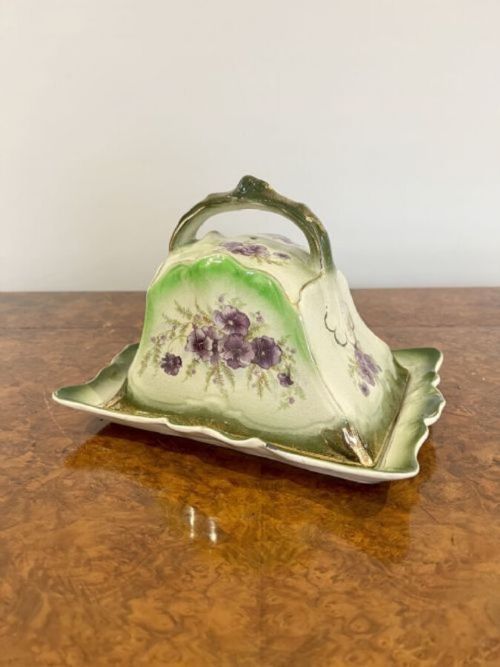

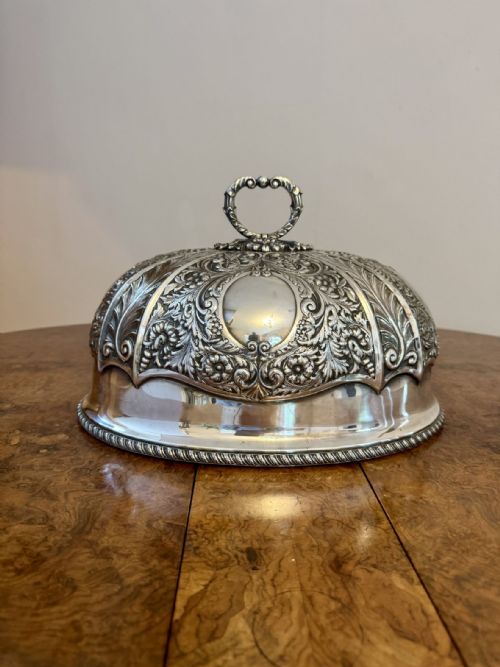


Edwardian Covered Dish
These pieces of edwardian covered dish serveware are robust table vessels created to keep food warm and present meals with formal elegance.
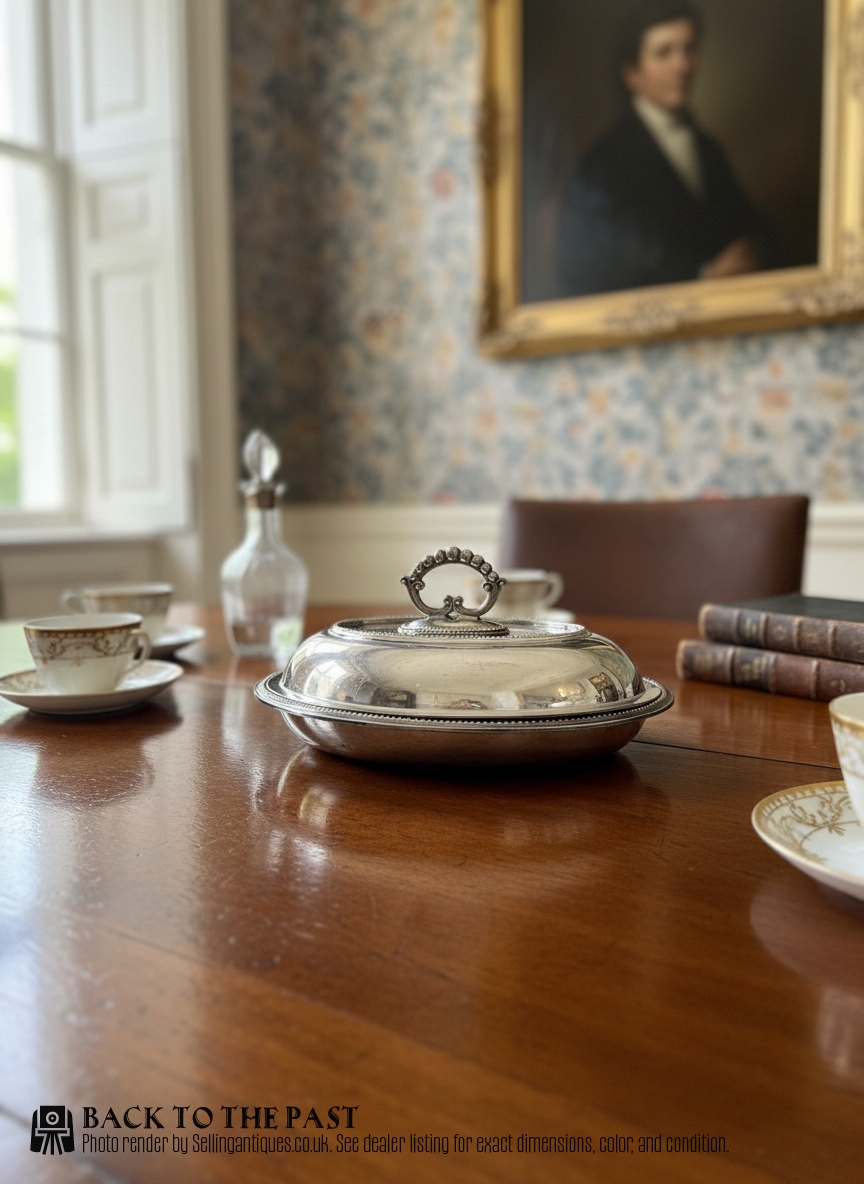
Edwardian Covered Dish
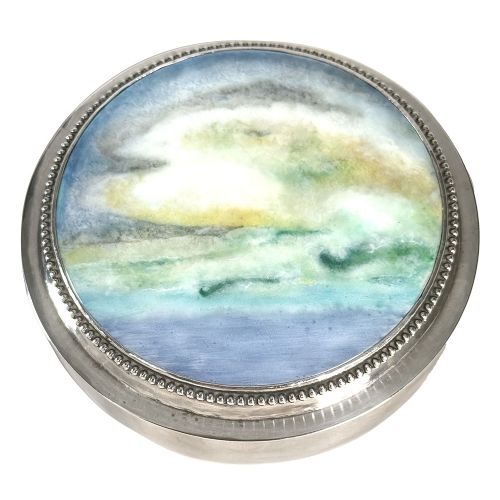
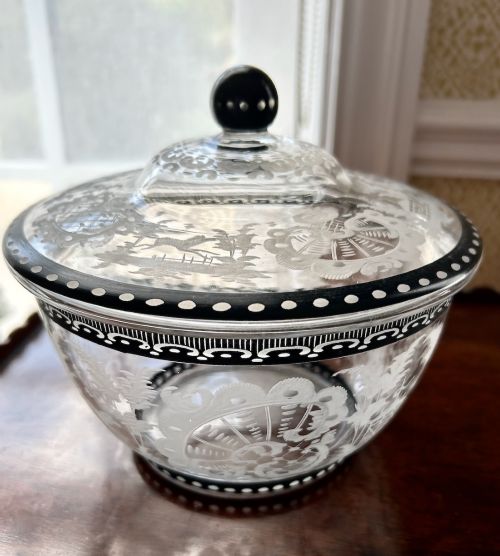
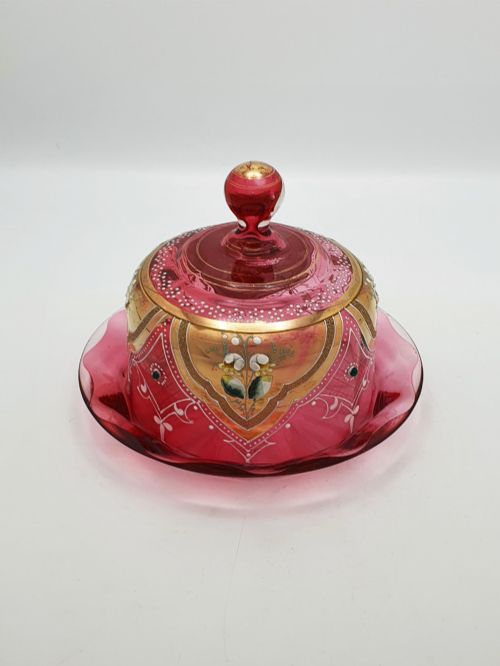
An edwardian covered dish brings practical dining vessels into focus, drawing from periods like the Victorian era alongside the early twentieth century. The selection spans several forms, including rectangular and oval entree dishes, meat covers, cheese dishes, serving tureens, and glass bowls with covers.
Most items appearing here stem from the Edwardian period or around nineteen hundred, capturing the formal dining habits of the time. Alongside standard silver plate, buyers encounter glass combinations and occasional Continental styles from nineteen twenty.
How They Were Made
Makers utilised silver plate, electroplated nickel silver, and standard nickel silver as the primary base metals for these serving vessels. These metal foundations provided durability for daily dining while offering a bright surface.
Certain cheese dishes required a glass dome to trap the rich aromas until the moment of consumption.
What Varies in Quality
The standard of an edwardian covered dish rests upon the weight of the metal and the crispness of any engraved or cast decoration. Substantial silver plate maintains its integrity across handles and hinges better than lighter alternatives.
Maker attribution also distinguishes certain examples, with established firms producing more refined surface finishes and balanced proportions. The integration of glass elements and fitted metal covers demonstrates the maker's technical precision.
Mappin and Webb·Hamilton and Inches·WMF
The Edwardian Covered Dish Glossary
- Silver Plate
- A thin layer of silver bonded to a base metal such as nickel silver. This technique provided the appearance of solid silver at a lower cost for large dining vessels.
- EPNS
- Electroplated Nickel Silver, a common designation for base metal coated with silver via an electrical current. It represents the predominant material method for Edwardian tableware.
- Entree Dish
- A shallow lidded vessel designed to keep individual portions or side dishes warm at the dining table. These often feature rectangular or oval shapes with removable handles.
- Cloche
- A bell-shaped cover used to retain heat over meat or other dishes before serving. They appear frequently in silver plate across this period.
- Imari
- A decorative ceramic style featuring rich iron-red, cobalt blue, and gilt patterns. Pieces in this tradition bring distinct colour to the table.
Edwardian Covered Dish: Frequently Asked Questions
What were these dishes used for?
These covered vessels served to keep food warm at the dining table during formal meals. Hosts used them for meats, vegetables, cheeses, and special courses.
The matching lids retained heat until the food was served to guests. Different shapes corresponded to specific foods, such as cheese covers and meat cloches.
How do I clean silver plated dishes?
Wash silver plate gently in warm soapy water using a soft cloth. Avoid harsh scrubbing brushes that can wear away the thin silver layer.
Dry the metal thoroughly immediately after washing to prevent water spots. Use specialised silver polish sparingly only when necessary to restore shine.
Can I use these for daily dining?
These serving dishes are robust enough for occasional modern dining use. Many hosts continue to serve hot food from them during special gatherings.
Care should be taken with older glass and plated surfaces to avoid scratching. Hand washing is essential since modern dishwashers damage plated finishes.
How do I identify the period?
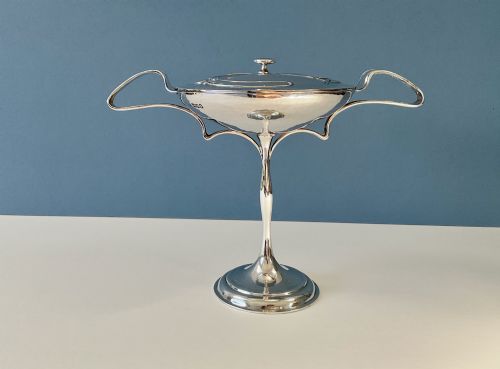
Examine the style of handles, feet, and decorative motifs for clues. Art Nouveau curves suggest the early nineteen hundreds, while heavier ornamentation often points to Victorian roots.
Maker marks stamped into the metal base provide definitive chronological clues. Comparing these stamps against historical records reveals the exact workshop origin.