



Antique Silver Dish Lid
An antique silver dish lid secures warmth and elegance across dining tables and dressing surfaces, offering collectors both functional heritage and refined metalwork.
Antique Silver Dish Lid
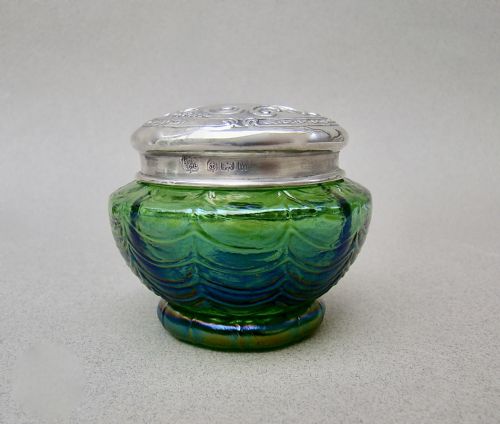
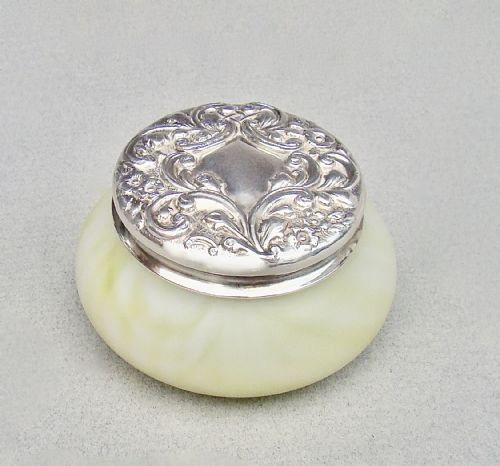
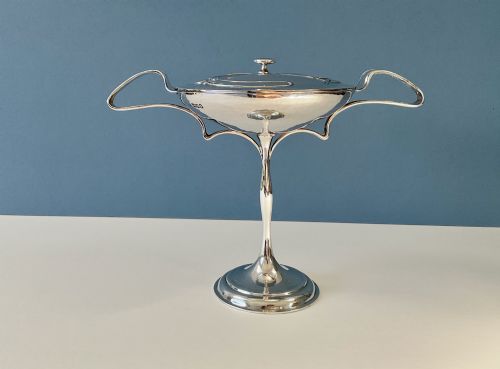
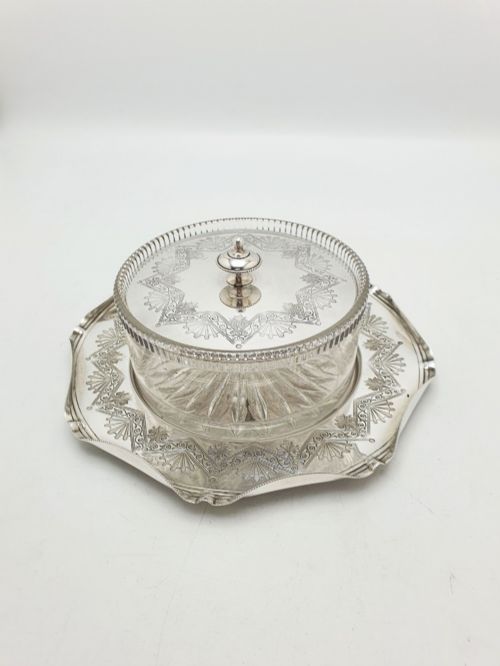
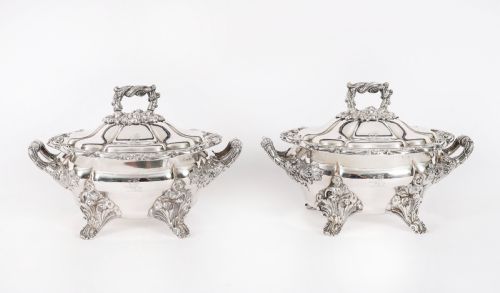
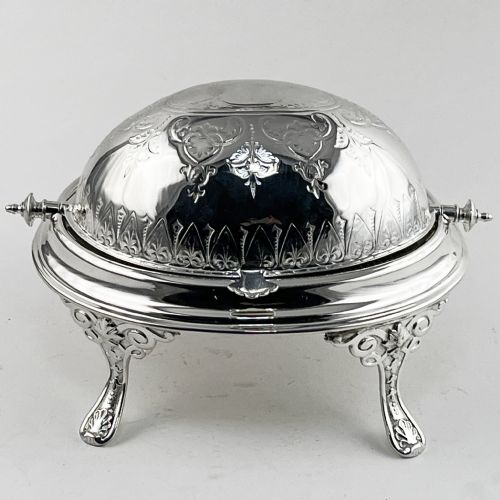
When searching for an antique silver dish lid, buyers encounter a diverse range of serving covers, entree dish tops, and lidded dresser boxes originating from the Georgian, Victorian, and Edwardian eras. These pieces include heavy silver-plated warming covers, intricate dresser jars, and matching components for sauce tureens.
The selections span utilitarian dining accessories and decorative containers, featuring styles from Regency classicism to ornate Art Nouveau and clean Art Deco lines. Most surviving examples bridge functional tableservice and display, reflecting the domestic habits of the nineteenth and early twentieth centuries.
How they were made
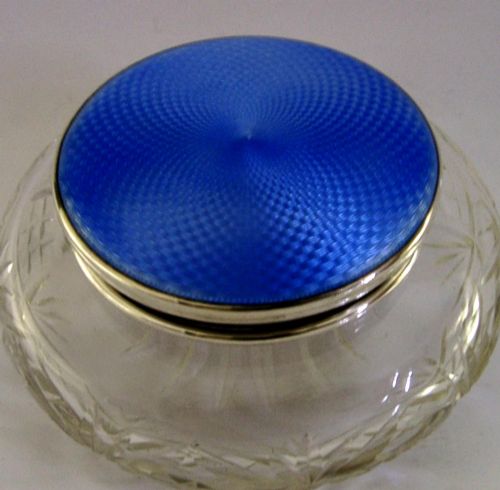
Craftsmen utilised sterling silver, Old Sheffield plate, and electroplated nickel silver over base metals, often combining metal bodies with cut glass, satin glass, or enamel components. Makers employed casting, hammering, and plating techniques to produce durable serving pieces and delicate dresser jars.
Surface decoration frequently involved hand-chased motifs, applied borders, crest engravings, and coloured enamel work, particularly during the Edwardian and Art Deco periods.
Object forms span dining room entree dishes and sauce tureens alongside boudoir trinket boxes and potpourri baskets.
What varies in quality
Quality in these items is determined by the weight of the metal, the crispness of chased or cast ornamentation, and the preservation of original plating or gilding. Superior examples display balanced proportions, substantial gauges of silver or plate, and intact glass or enamel liners.
The reputation of the maker, whether a notable workshop such as Elkington, Mappin and Webb, or Walker and Hall, alongside clear hallmarks and engraved family crests, further elevates the standing of an individual piece.
A. J. Pepper & Co·A. Bromet & Co·William Grundy·Hamilton & Inches·Mappin and Webb·Daniel and Arter·Walker and Hall·Elkington·Matthew Linwood·Cresswick·William Hutton & Sons·Christofle / Gallia
The Antique Silver Dish Lid Glossary
- Old Sheffield plate
- A composite material formed by fusing a sheet of silver to a copper ingot before rolling into plates. This technique produced durable tableware characteristic of the Georgian and nineteenth-century periods.
- Entree dish
- A shallow container with a removable lid, designed for serving portions at the dining table. These pieces frequently feature shaped handles and decorative borders matching specific dinner services.
- Sterling silver
- An alloy containing a high proportion of pure silver combined with other metals to increase durability. Items made to this standard typically bear official assay office hallmarks.
- Electroplated nickel silver
- A base metal alloy of copper, nickel, and zinc coated with a thin layer of silver using an electrical current. This method became widespread for manufacturing accessible tableware from the mid-nineteenth century onwards.
- Tureen
- A deep serving vessel equipped with a matching lid, utilised for soups, sauces, or vegetables. Georgian and Victorian examples often stand upon fixed bases or warming stands.
Antique Silver Dish Lid: Frequently Asked Questions
How were dish lids used?
These covers served to retain heat for food on the dining table or protected contents within decorative containers on dressing furniture.
They formed part of larger service sets for dinners, breakfasts, or vanity arrangements.
What metals were utilised?
Items were manufactured from sterling silver, silver plate, Old Sheffield plate, and electroplated nickel silver over copper bases.
Some pieces also integrated glass, enamel, or ceramic liners alongside the metal lids.
How do I date a piece?
Dating relies upon official assay office hallmarks, maker's marks, and distinct stylistic indicators such as Art Nouveau curves or Georgian proportions.
Researching registration numbers and stylistic markers helps place items within specific nineteenth or twentieth-century decades.
How do I care for silver?
Maintenance requires gentle cleaning with appropriate silver polishes to remove tarnish without abrading thin platings or delicate engraving.
Storing items in dry environments away from direct sunlight protects both the metal surfaces and any integrated glass or enamel.