



Silver Plate Serveware
Silver plate serveware brings the weight of the dining table from the Georgian period onward into domestic use, offering silver appearance without solid bullion cost.
Silver Plate Serveware
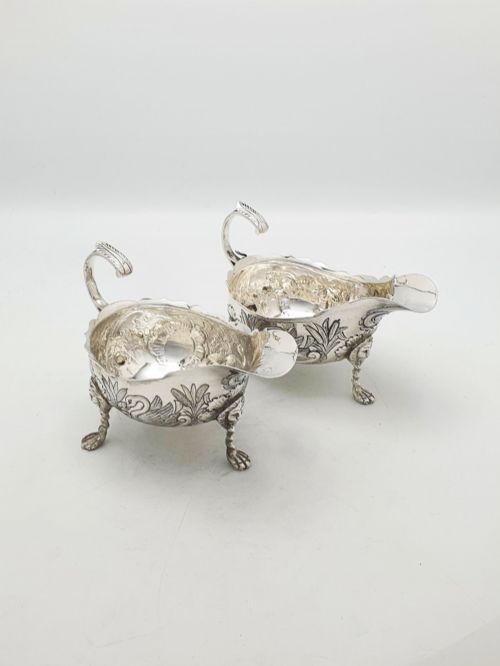
Silver plate serveware encompasses specialised dining vessels like toast racks, sauce boats, entree dishes, and biscuit barrels intended for formal presentation at table. These items emerge primarily from the Victorian and Edwardian eras, alongside Georgian and mid-century French examples.
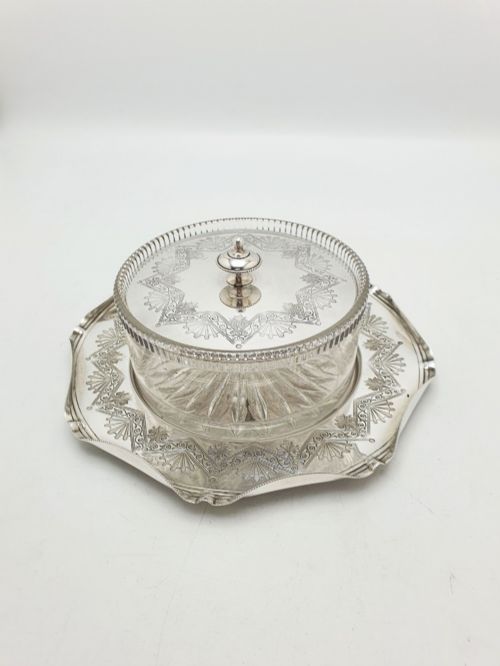
Buyers encounter functional forms spanning soup tureens, gravy warmers, butter dishes with glass liners, and tiered cake stands. Each object reflects the elaborate dining rituals of the nineteenth and early twentieth centuries.
The materials combine a base metal core, often electroplated nickel silver or old Sheffield plate, with applied silver layers and occasional glass or wood components.
Materials and construction
Makers utilised base metals such as nickel silver, copper, and general metal alloys as foundations before applying silver plating techniques, including electroplating and the older fused Sheffield plate method.
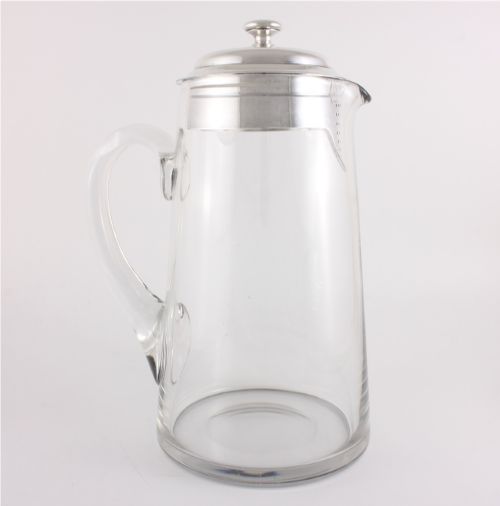
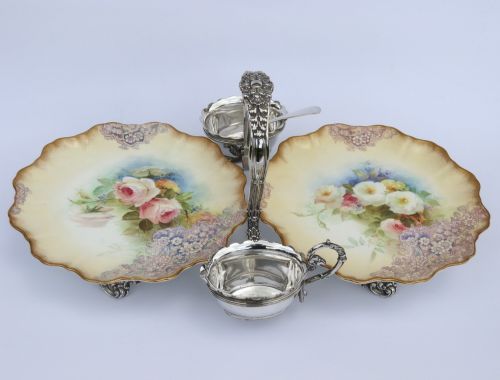
Pieces frequently incorporate secondary materials like clear glass liners for butter dishes, ceramic elements from Doulton Burslem, and polished oak or turned wood handles.
Construction details involve soldered joints, hand-engraved surface decoration, cast mounts, and hinged mechanisms found on revolving breakfast dishes and folding biscuit boxes.
Materials recorded across the inventory include silver plate, electroplated nickel silver, glass, wood, and solid silver.
Assessing quality
The thickness and durability of the silver layer determine longevity, as heavier plating resists base metal telegraphing through years of polishing and use.
Design complexity and weight separate standard utility items from top-tier productions, particularly cast mounts, heavy gauge metal bodies, and balanced proportions.
Completeness dictates utility and value, such as retaining original glass liners in butter dishes, matching sets of servers, and functioning mechanical hinges on revolving dishes.
Walker and Hall·Mappin and Webb·Padley Parkin and Staniforth·Roberts and Belk·Elkington·Christofle·Durand
The Silver Plate Serveware Glossary
- Electroplated Nickel Silver
- A copper, nickel, and zinc alloy coated with an electrolytic layer of silver. This material became the dominant standard for British manufacture from the mid-nineteenth century onward.
- Old Sheffield Plate
- A method of fusing a thin sheet of silver to a thicker copper core by heat and pressure before rolling. This technique predates electroplating and appears on eighteenth and early nineteenth-century items.
- Entree Dish
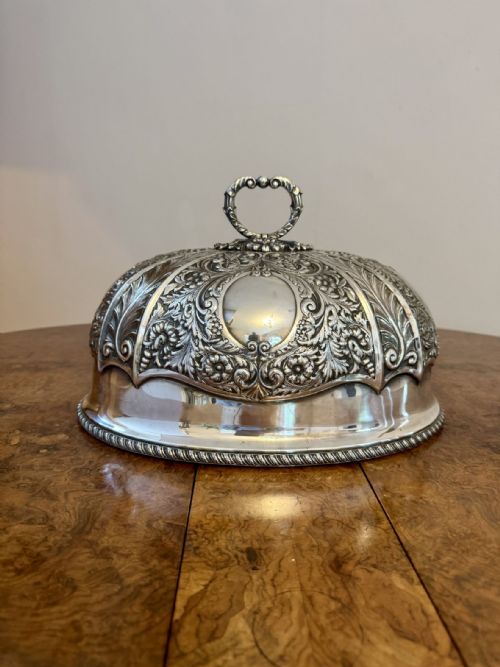
- A covered serving vessel used for presenting main courses or side dishes at table. These often feature removable handles allowing the base to function independently as an open platter.
- Toast Rack
- A table accessory fitted with vertical metal loops designed to hold slices of toast upright. These forms range from simple Victorian wirework to elaborate novelty designs.
- Spoon Warmer
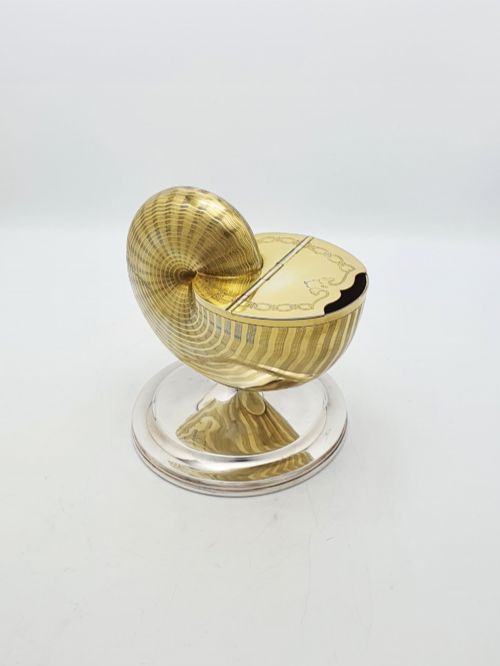
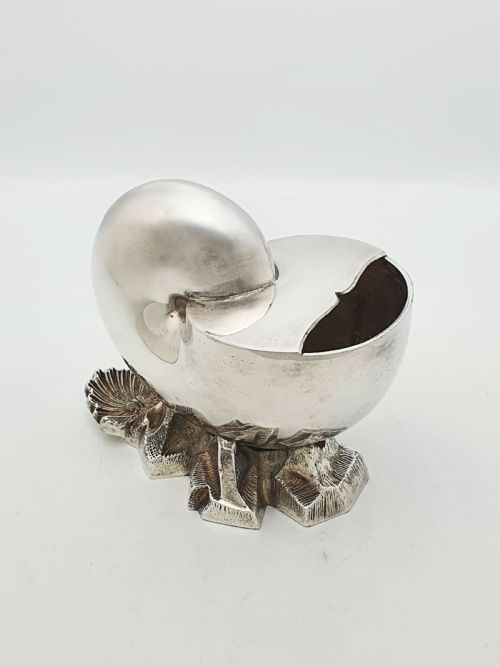
- A Victorian vessel filled with hot water to keep serving spoons warm between courses. Common forms include nautilus shells and urns.
Silver Plate Serveware: Frequently Asked Questions
How do I clean silver plate serveware?
Wash pieces gently in warm soapy water using a soft cloth, avoiding abrasive dips that strip the silver layer from the base metal. Dry thoroughly with a lint-free cloth to prevent water spots.
Use a mild, non-abrasive silver polish only when tarnish requires removal, taking care around engraved lines and soldered joints where plate may be thin.
What is the difference between Old Sheffield Plate and electroplate?
Old Sheffield Plate involves physically fusing a sheet of silver onto a copper ingot before rolling them together into sheets. This technique shows a thin line of dark copper visible along cut edges.
Electroplate applies a microscopic layer of silver onto a nickel silver or base metal core using an electrical current. This later method creates a uniform silver surface without exposed copper seams.
How were biscuit barrels used?
Victorian households utilised biscuit barrels on sideboards and tea tables to store and present dry biscuits. The tight-fitting lids helped keep baked goods crisp in damp climates.
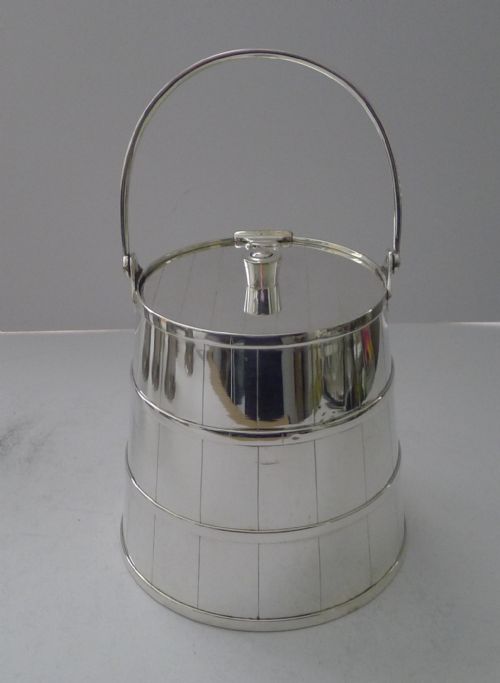
Novelty forms often feature hinged shells or bucket mechanisms that open to reveal the contents during after-dinner conversation.
Can I use antique serveware for food?
Most silver plate serveware functions safely for dry foods, fruit, and serving duties. Items with intact silver plating present no barrier to modern dining use.
Check pieces with glass liners or ceramic inserts to ensure the internal surfaces remain clean and free from old adhesive or lead solder repairs.