


Edwardian Country House Artwork
Edwardian country house artwork captures the quiet charm and sporting life of historic estates through period paintings and watercolours.
Edwardian Country House Artwork
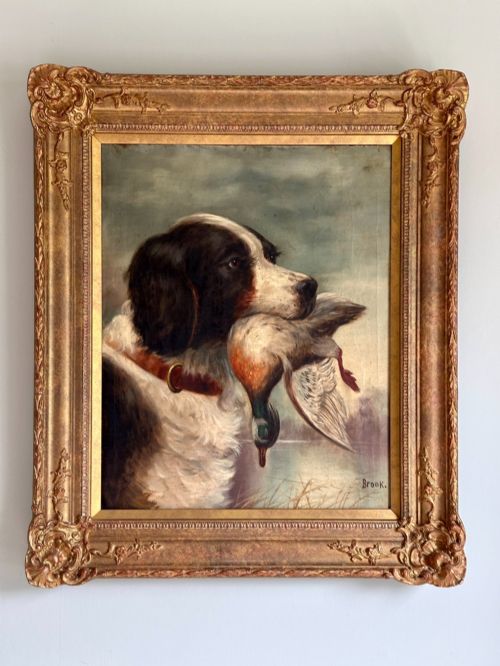
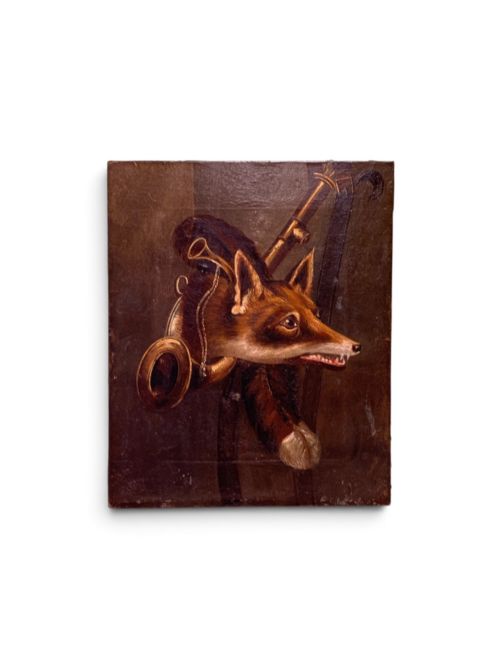
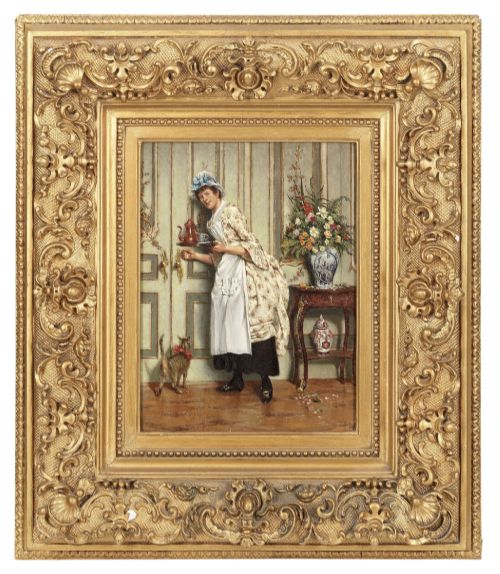
Edwardian country house artwork encompasses oil paintings, watercolours, and framed prints depicting estate life, sporting scenes, and domestic interiors. Buyers seek these pieces to bring the traditional atmosphere of a historic English home into their own rooms.
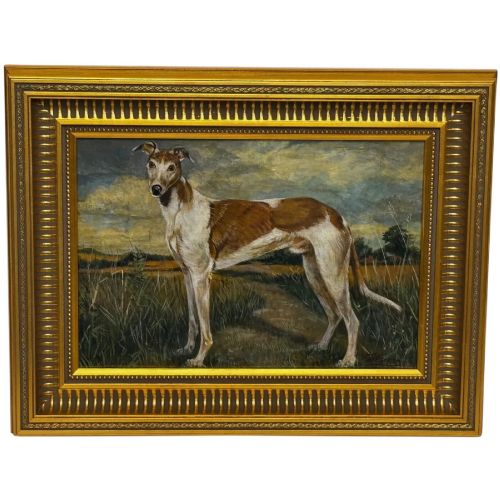
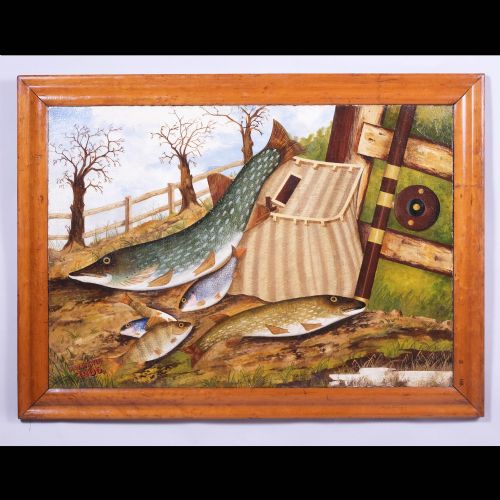
The selections span the nineteenth and early twentieth centuries, capturing a period when artists recorded estate grounds, family pets, and local landscapes. Works range from intimate watercolour garden views to large oil paintings of horses and dogs.
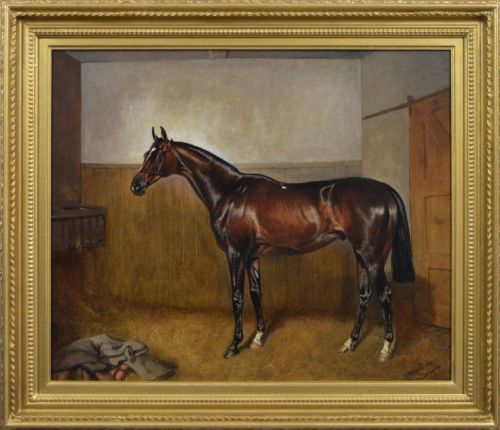
Domestic scenes and equestrian portraits dominate the offerings, reflecting the rural interests of the era. Many pieces feature original frames of wood and giltwood that complement the period aesthetic.
Materials and construction
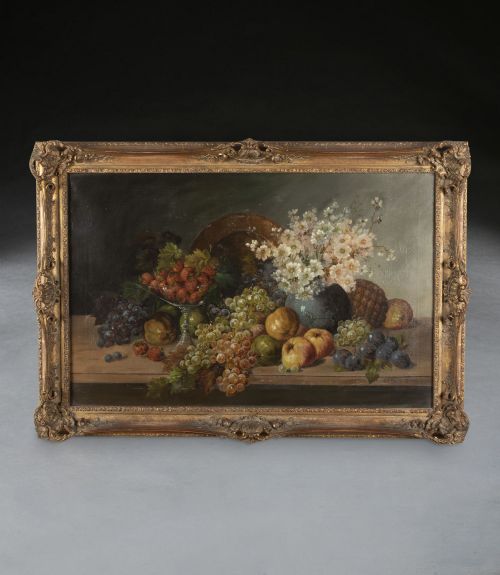
Artists of this period primarily utilised oil paint on canvas and watercolour on paper to create these compositions. The support materials range from stretched canvas to heavy paper sheets, often protected behind glass.
Listings feature works spanning from the nineteenth century through the nineteen-thirties, executed in oil on canvas and watercolour on paper.
Determinants of quality
Quality in these works rests upon the artist's ability to render light, texture, and anatomical proportion with precision. Superior paintings display confident brushwork and a balanced composition that brings depth to interiors and landscapes.
The integration of the artwork with its original wood or giltwood frame affects the overall integrity of the piece. Well-preserved works maintain the vibrancy of the pigments and the stability of the canvas or paper support.
Stephen Samuel Lewin·John Alfred Wheeler·Claude Cardon·Edgar Woollatt·Philip Henry Rideout·Rowland Henry Hill·Valentine Thomas Garland·Alfred Duke·Sydney Kendrick·William Hatherell·W.A. Clark·Alfred Vickers Senior·Tom Dudley·George Frederick Nicholls·Lilian Stannard·Fred Merriman·CB Prescott·Margaret Thompson·Elinor Margaret Charteris·T. Sidney Cooper
The Edwardian Country House Artwork Glossary
- Giltwood
- Wood carved and coated with gold leaf or a gold-coloured finish. This material is commonly found on the traditional frames encasing period oil paintings.
- Watercolour
- A paint consisting of pigment suspended in a water-based solution, typically applied to paper. This medium creates translucent washes often seen in garden and architectural studies.
- Provenance
- The documented history of ownership of an artwork. Knowing the origin helps establish the authenticity and context of a country house scene.
- Impressionism
- A style of painting focusing on small, thin brush strokes and accurate depiction of light. In this period, artists applied these techniques to capture outdoor scenes and gardens.
Edwardian Country House Artwork: Frequently Asked Questions
What subjects appear in these artworks?
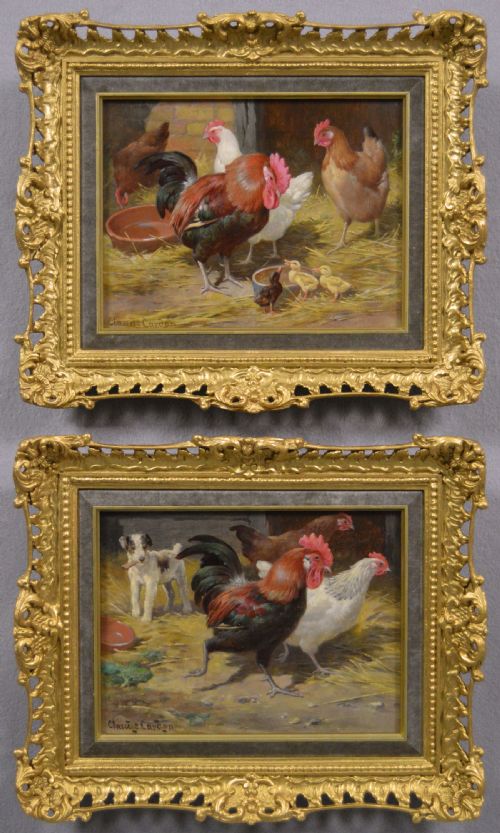
The subjects focus heavily on rural estates, domestic interiors, farm animals, and sporting dogs. Artists recorded horses, gardens, and architectural studies of historic manors.
Equestrian portraits and hunting scenes also feature prominently among the paintings, reflecting the dominant pastimes of the country house occupants.
How should I hang these pieces?
These works suit traditional spaces like studies, hallways, and drawing rooms where period furnishings are present. Pair oil paintings with solid wood furniture to echo the nineteenth-century aesthetic.
Keep watercolours away from direct sunlight to protect the paper and pigments from fading over time.
Are the frames original?
Many pieces retain their period wood or giltwood frames, which show appropriate signs of age and wear. These frames were selected to complement the specific tone of the painting.
Examining the backboards and fixings often reveals clues about the framing history and how long the artwork has inhabited its current border.
How do I identify the period?
Signatures, dates, and stylistic markers help place a work within the nineteenth or early twentieth century. Clothing styles in figure paintings and architectural details offer reliable chronological clues.
Materials such as heavy wove paper and specific canvas preparations also point towards the manufacturing standards of the Edwardian era.