



Edwardian Column Candle Stands
Edwardian column candle stands are slender vertical supports designed to elevate light, combining period elegance with practical display.
Edwardian Column Candle Stands
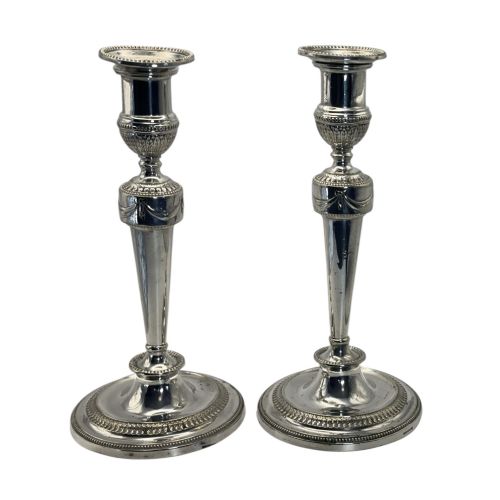
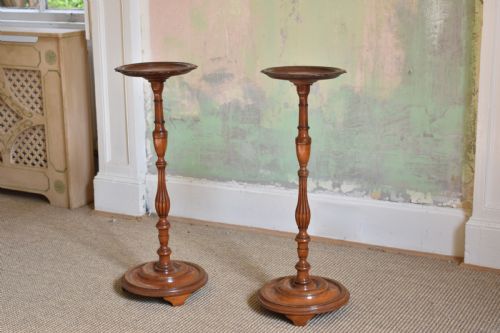
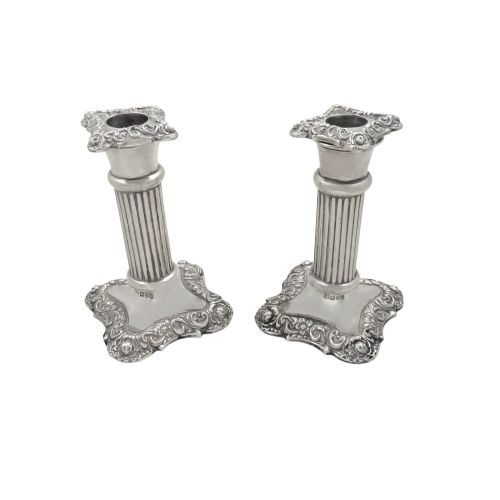
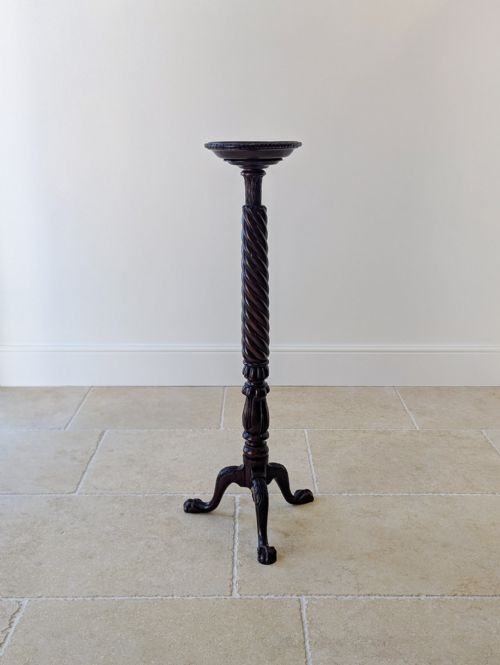
When you search for edwardian column candle stands, you encounter tall vertical supports and table-top lighting pieces originating predominantly from the Edwardian era and surrounding decades. The forms span tall timber torcheres designed for room corners to sterling silver and silver-plated candlesticks intended for tabletops and mantelpieces.
The pieces appearing on this page bridge several related categories, including plant stands, torchere stands, and occasional tables alongside traditional candlesticks. Mahogany and various metals dominate the physical forms, often incorporating revival styles such as Adam, Chippendale, and neoclassical motifs.
Makers and silversmiths of the period produced both domestic table pieces and substantial floor-standing columns. The selection reflects a crossover between utilitarian lighting and decorative display furniture intended for period interiors.
How they were made
Makers utilised solid timbers such as mahogany and satinwood, often employing inlay techniques and dark finishes to achieve formal elegance. Floor-standing torcheres frequently feature turned wooden columns supported on tripod bases.
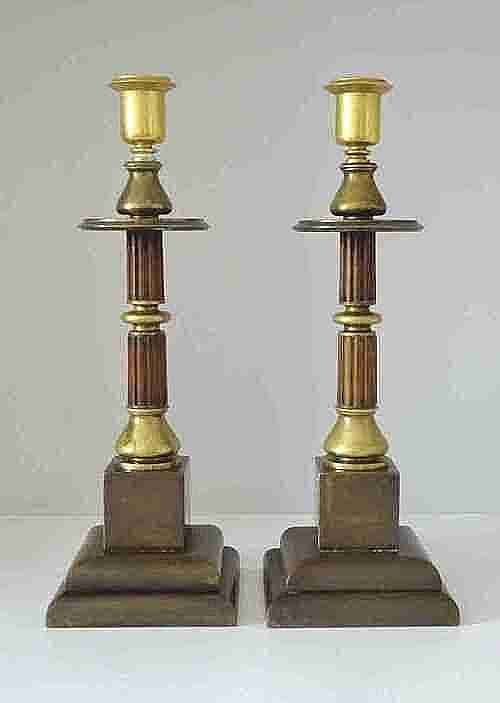
Metal items rely on sterling silver, silver plate, brass, and bronze. Silversmiths cast and plated these materials to create classical column forms, whilst workers shaped brass and bronze through turning and assembly.
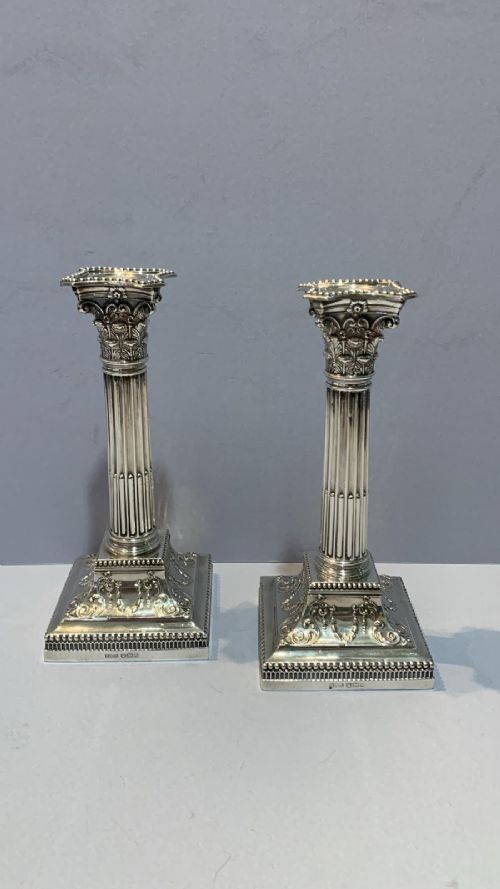
Revival aesthetics guided the ornamentation, integrating classical architectural elements like fluting and Corinthian capitals into both timber stands and metal candlesticks.
The inventory combines tall wooden torchere stands with silver-plated Corinthian column candlesticks from 1900.
What varies in quality
The standard of execution separates basic production pieces from distinguished workshop outputs. Heavier gauge silver, crisp casting detail in metal columns, and precise joinery in timber stands indicate superior manufacture.
Material selection dictates longevity and visual presence. Fine timber figures, intricate marquetry inlay, and substantial metal thickness distinguish the finer examples from plainer commercial items.
Mappin & Webb·William Hutton & Sons·T Thomason & Co
The Edwardian Column Candle Stands Glossary
- Torchere
- A tall, slender stand designed to support a light source or decorative object in a room. These pieces usually feature a narrow column rising from a tripod or weighted base.
- Corinthian
- An architectural order characterised by ornate capitals decorated with acanthus leaves. This motif appears frequently on the capitals of column candlesticks.
- Inlay
- A technique where pieces of contrasting timber or material are fitted into a recess to form a decorative pattern. Satinwood stringing on mahogany stands is a common application.
- Tripod base
- A three-legged support structure providing stability for tall stands and occasional tables. This arrangement allows the vertical column to remain balanced on uneven floors.
Edwardian Column Candle Stands: Frequently Asked Questions
What is an edwardian column candle stand?
An edwardian column candle stand is a vertical furnishing designed to elevate candles or lighting fixtures above floor or table level.
These pieces utilise timber columns or metal shafts inspired by classical architecture to provide both utility and display space.
How were these stands used originally?
Originally, tall torcheres stood in corners to hold candles for room illumination before electric lighting became universal.
Tabletop candlesticks occupied dining tables, sideboards, and mantelpieces to provide direct light during evening hours.
Where should I place a torchere stand?
Torchere stands suit empty corners, landings, or beside seating where vertical height adds balance to a room.
They accommodate small lamps, plants, or decorative objects rather than heavy items.
How do I identify the period of a stand?
Dating relies on material characteristics, construction methods, and stylistic revival markers present in the piece.
Edwardian items often blend Edwardian restraint with earlier Georgian or Victorian revival influences.