

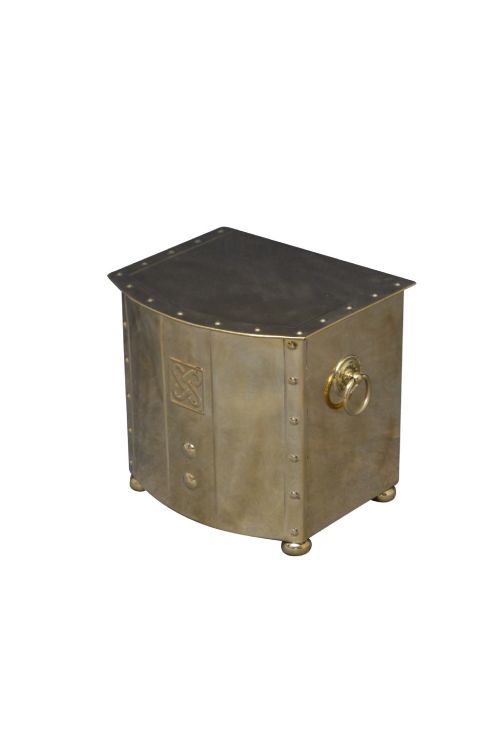


Edwardian Coal Box
An Edwardian coal box is a practical fireside accessory that combines functional fuel storage with polished cabinet-making.
What They Are
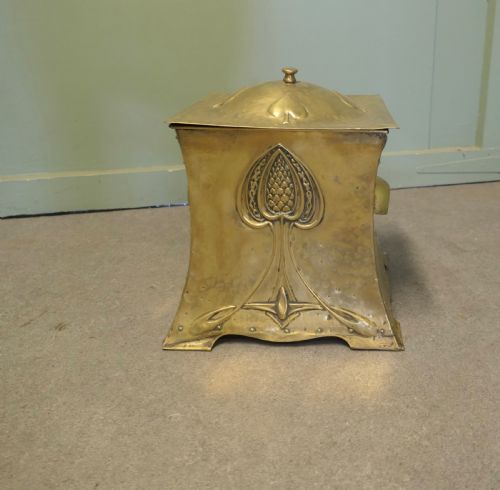
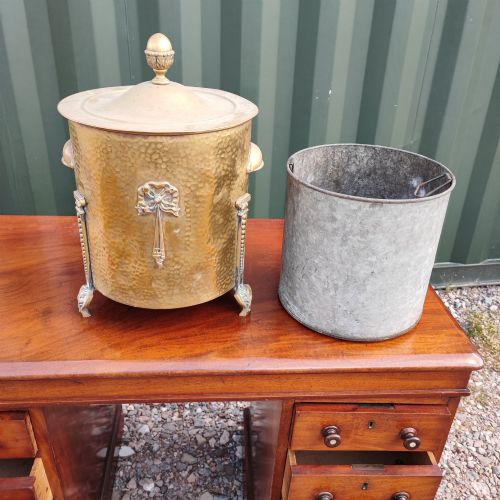
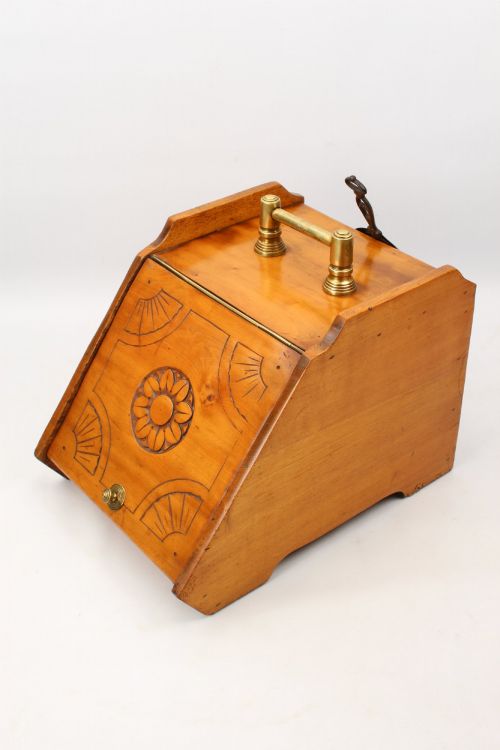
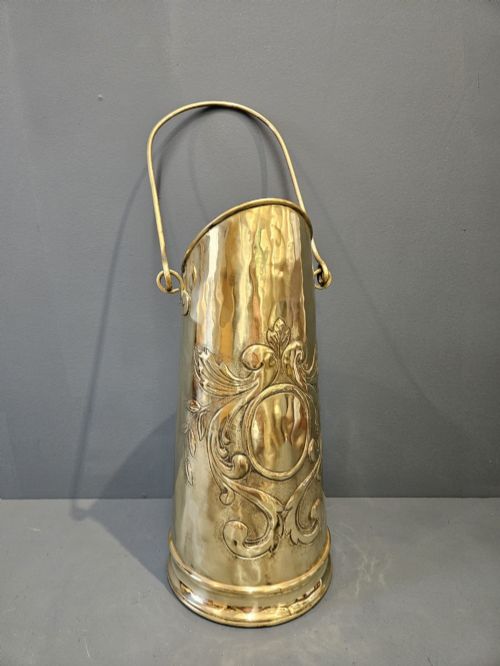
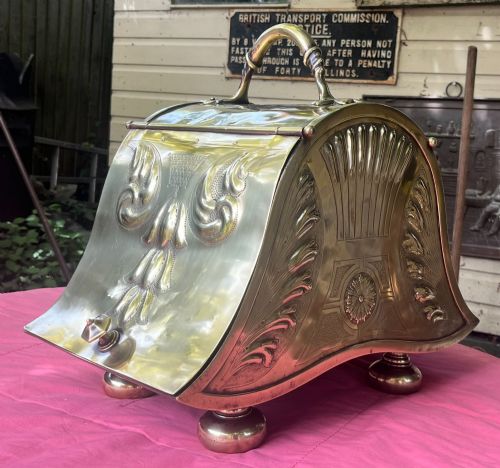
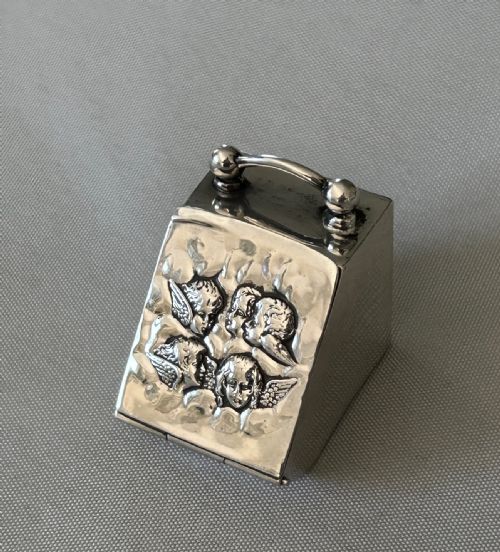
An edwardian coal box serves as a refined receptacle for domestic fuel, sitting quietly beside the fireplace while concealing its contents behind a hinged or drop-down door. The pieces found here span the late nineteenth century and the early twentieth century, encompassing various forms such as purdoniums, scuttles, and bin-style cabinets.
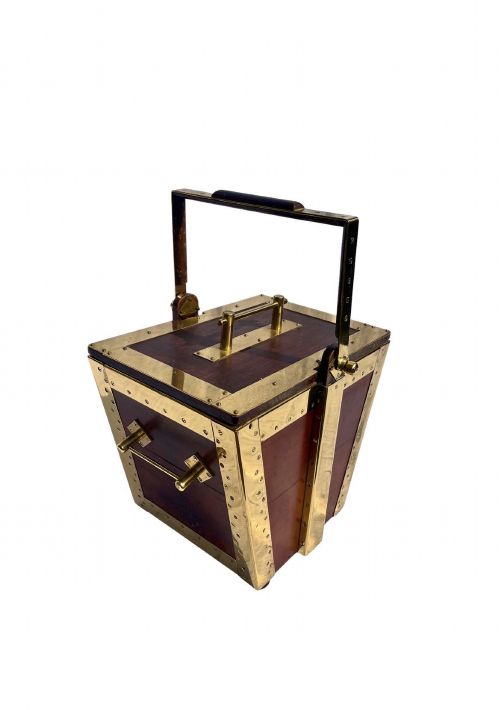
Mahogany and oak dominate the surviving examples, often enriched with marquetry inlay or brass mountings that elevate a purely utilitarian object into a piece of fine furniture. You are most likely to encounter Edwardian mahogany purdoniums alongside sturdier oak and walnut variants bearing the characteristic design traits of the period.
How They Were Made
Cabinet-makers utilised dense timbers like mahogany, walnut, and rosewood, sometimes applied as veneers over a secondary wood base. Structural framing relied on traditional joinery techniques, while decorative surfaces featured carved detailing, marquetry, and delicate string inlay.
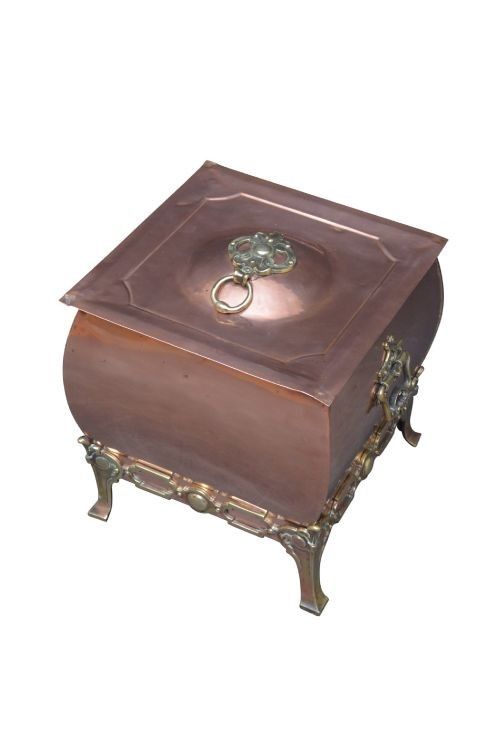
Metal components played a dual role in construction and ornamentation, incorporating brass handles, hinges, or ormolu mounts, alongside internal metal liners designed to contain coal dust and residue. Copper and brass also appeared in hand-beaten Arts and Crafts iterations, showing a different approach to fireside metalwork.
Retail Price Guide 2026
Typical UK retail prices for edwardian coal box, calculated from the Sellingantiques database of over a million retail prices indexed since 2003. This retail price guide relies exclusively on Sellingantiques data; no external sources or auction records are used, so the figures do not describe the wider market.
Several examples doubling as stools reveal the Victorian and Edwardian fondness for disguised domestic utility.
What Varies in Quality
The degree of refinement in the timber preparation and secondary enrichment sets examples apart, moving from plain functional boxes to intricately carved or inlaid cabinets. Superior execution shows in the precision of the marquetry, the integration of ormolu or brass mounts, and the robustness of the internal metal liner.
Subtleties in stylistic attribution also dictate distinction, where distinct regional or workshop traits elevate an everyday domestic box into a piece of decorative art. The integration of matching shovels and well-fitted interior compartments further distinguishes the better-realised examples.
Deane And Co London
The Edwardian Coal Box Glossary
- Purdonium
- A specialised cabinet designed to hold coal, typically featuring a sloping front door or a tilting compartment for ease of access. It usually contains a removable metal liner to catch dust.
- Marquetry
- The art of applying pieces of veneer to a structure to form decorative patterns and pictures. It appears frequently on the lids and fronts of finer Edwardian coal boxes.
- Ormolu
- Gilded bronze used for decorative mounts and handles on furniture. It adds a bright metallic accent to dark timbers like mahogany and rosewood.
- Scuttle
- A traditional open container for holding coal, adapted in this period into enclosed fireside boxes. Many incorporate a matching shovel tucked into a side or back bracket.
Frequently Asked Questions
Did these boxes come with shovels?
Many Edwardian coal boxes included dedicated metal coal shovels.
These were often stored in specialised slots or clips mounted on the sides or back of the cabinet, keeping the tool close at hand.
How do I maintain the interior liner?
The interior metal liner should be removed periodically and emptied of coal dust and small debris.
Keeping the liner clean prevents moisture accumulation and protects the surrounding timber frame from unnecessary wear.
Are these suitable for modern firesides?
These boxes function well beside modern hearths for storing solid fuel or kindling.
Their enclosed design allows them to serve as decorative cabinets or side tables when not actively used for fireside duty.